
Proformica buddhaensis
- Sci. Name
- Proformica buddhaensis
- Tribe
- Formicini
- Subfamily
- Formicinae
- Author
- Ruzsky, 1915
- Distribution
- Found in 1 countries
Introduction
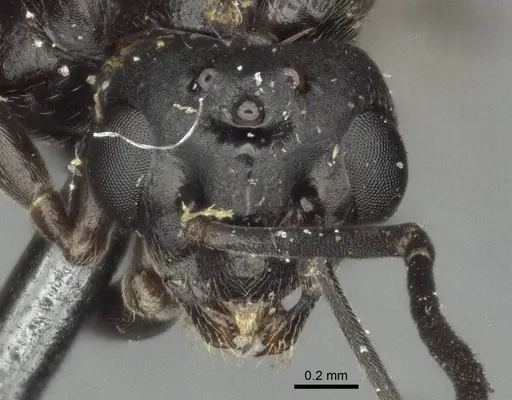
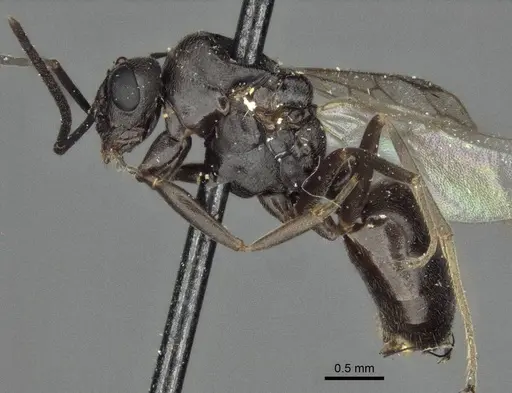
Proformica buddhaensis is a small ant native to the steppe and desert regions of Mongolia and northern China. Workers are about 4 mm and are mostly black with a reddish-brown thorax (pro- and mesonotum) and yellowish-red legs and antennae. The head is broad, nearly as long as it is wide, and the body looks stout with shorter legs and antennae compared to related species. These ants live in open, dry habitats and are opportunist foragers – they take whatever food is available . Proformica buddhaensis is closely related to *Proformica mongolica* and is a host for the slave-making ant genus *Rossomyrmex* .
Quick Summary
- Difficulty: Medium
- Origin & Habitat: Eastern Palaearctic – recorded across Mongolia (Khentii, Khangai, Mongolian Dauria, Khovd, desert regions) and northern Shaanxi Province, China. Lives in steppe, semi-desert, and desert environments [5][1][2].
- Colony Type: Probably single-queen (monogyne) based on other *Proformica* species, but not confirmed.
- Size & Growth:
- Queen: Size data unavailable, estimated around 6–8 mm based on related *Proformica* species.
- Worker: 4 mm [6]
- Colony: Unknown, likely several hundred workers (based on related Formicini species).
- Growth: Moderate – inferred from temperate climate adaptation.
- Development: Estimated 8–12 weeks based on related Formicini species at room temperature. (No specific data available, estimate is from genus-level patterns.)
- Antkeeping:
- Temperature: Keep at 18–24°C with a temperature gradient. Being from steppe and desert, they handle cooler conditions well. This is inferred from their habitat [5][1].
- Humidity: Prefer dry to moderate conditions – match their native steppe/semi-desert. Keep the nest substrate slightly moist but allow parts to dry out. Avoid damp, stagnant conditions [1][2].
- Diapause: Likely needed given their temperate origin. Provide a winter rest of 2–3 months at 5–10°C.
- Nesting: In nature they probably nest in soil under stones. In captivity, a Y‑tong (AAC) nest or plaster formicarium works well. Offer a humidity gradient with mostly dry areas.
- Behavior: Workers are active day foragers that search for food opportunistically. They collect honeydew, tend aphids, and hunt small insects. Not aggressive but will defend the colony. At 4 mm they can squeeze through small gaps, so use fine mesh or barriers. They likely rely on visual navigation in open habitats.
- Common Issues: colonies may struggle if kept too humid – these are dry‑adapted ants., winter diapause is likely required but timing and duration need adjustment based on colony response., limited availability in the hobby means specific care is not well established., wild‑caught colonies might carry parasites from their native range.
Natural Habitat and Distribution
Proformica buddhaensis is found across the Eastern Palaearctic: Mongolia (Khentii, Khangai, Mongolian Dauria, Khovd, Middle Khalkh, Depression of Great Lakes, Valley of Lakes) and northern China (Shaanxi Province) [5]. It lives in steppe, semi-desert, and desert habitats. In Mongolia it has been hand‑sampled in semi‑desert and desert sites like Saynshand, Bayan‑Zag, and Hongoryn Els [1][2]. This distribution shows it is well adapted to harsh, dry continental climates with big seasonal temperature swings.
Nest Preferences and Housing
In the wild, Proformica buddhaensis probably nests in soil under stones in open, dry habitats (steppe, semi‑desert) [1][2]. For captive keeping, use a nest that can stay dry to moderately moist. A Y‑tong (AAC) nest or plaster formicarium works well – these materials let you create a gradient between damp and dry chambers. The chambers should be scaled to the 4 mm worker size. Because they come from open habitats, good ventilation is important – avoid humid, stagnant conditions. Provide an outworld for foraging so they can hunt and explore naturally.
Feeding and Diet
As opportunist foragers in the Formicini tribe, these ants accept a varied diet [1]. Offer sugar water or honey regularly for energy. For protein, provide small insects like fruit flies, small crickets, or mealworms. They may also tend aphids for honeydew if given the chance. Feed protein 2–3 times per week and keep sugar water available all the time. Remove uneaten prey after 24–48 hours to prevent mold.
Temperature and Seasonal Care
Being from Mongolia and northern China, these ants are used to temperate conditions with distinct seasons. Keep them at room temperature (18–24°C) – they can handle cooler temperatures better than most tropical ants. During winter, provide a diapause period of 2–3 months at 5–10°C to mimic their natural seasonal cycle. This winter rest is important for colony health and may trigger spring reproduction. Do not keep them warm all year – it can stress the colony. The need for hibernation is inferred from their distribution [5].
Relationship with Slave-Making Ants
Proformica buddhaensis is a host species for the slave‑making ant genus Rossomyrmex [3]. In the wild, Rossomyrmex queens may invade Proformica colonies, kill the resident queen, and use the host workers to raise their own brood. If you keep both genera, be aware of this parasitic relationship. For a single Proformica colony in captivity, this does not require special care – it is simply part of their natural history.
Frequently Asked Questions
How long does it take for Proformica buddhaensis to produce first workers?
The exact timeline is not documented, but based on related species, development likely takes 8–12 weeks at room temperature. This is an estimate.
Do Proformica buddhaensis ants need hibernation?
Yes, likely required. Given their Mongolia/China distribution [5], they need a winter rest period of 2–3 months at 5–10°C.
What temperature should I keep Proformica buddhaensis at?
Room temperature (18–24°C) is suitable. They tolerate cooler conditions than tropical ants, so avoid overheating. Provide a temperature gradient so workers can choose their preferred zone.
How big do Proformica buddhaensis colonies get?
Colony size is not well documented, but based on related Formicini species, colonies likely reach several hundred workers over several years.
What do Proformica buddhaensis ants eat?
They are opportunist foragers [1]. Offer sugar water or honey as a constant energy source, and protein (small insects like fruit flies or mealworms) 2–3 times per week.
Are Proformica buddhaensis good for beginners?
This species is rated Medium difficulty. They are not commonly available in the antkeeping hobby, and their specific care requirements are not well established. Some experience with temperate ant species is recommended.
Can I keep multiple Proformica buddhaensis queens together?
Colony structure is not well documented for this species. Based on related Proformica, they likely form single-queen colonies. Combining unrelated queens is not recommended.
What humidity level do Proformica buddhaensis need?
They prefer dry to moderate conditions – think steppe and semi-desert. Keep the nest substrate slightly moist but allow portions to dry out. Avoid overly humid conditions [1][2].
When should I move Proformica buddhaensis to a formicarium?
Wait until the colony has a stable worker population and is actively foraging before moving from a test tube setup. They do well in Y‑tong (AAC) or plaster nests that allow both damp and dry areas.
Report an Issue
The current care sheet is based fully on literature. See inconsistencies, or something that's incorrect? Please , it will be resolved after review from an admin. Contributing to the blogs tab also helps providing information, to make us be able to further improve the caresheets. Thank you for your support!
References

This caresheet is licensed under CC BY-SA 4.0 .
Community Blogs
CASENT0916585
View on AntWeb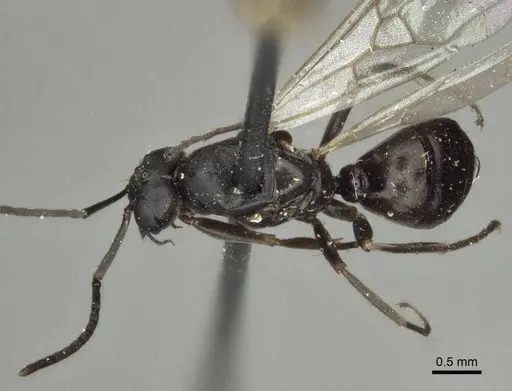
Literature
Loading distribution map...Loading products...