
Procryptocerus montanus
- Sci. Name
- Procryptocerus montanus
- Tribe
- Attini
- Subfamily
- Myrmicinae
- Author
- Kempf, 1957
- Distribution
- Found in 2 countries
Introduction
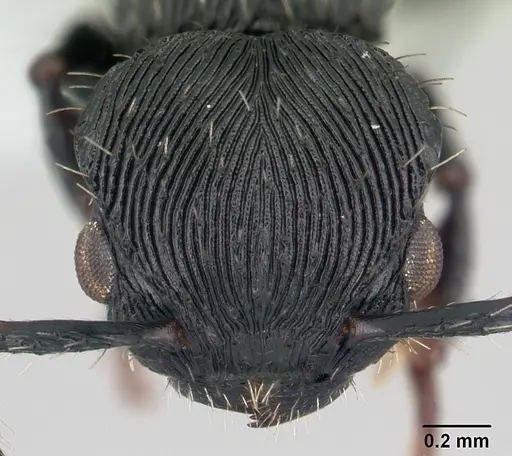
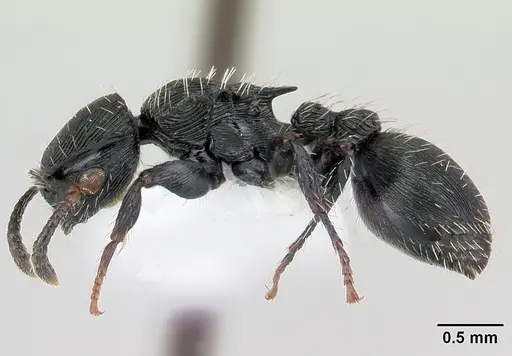
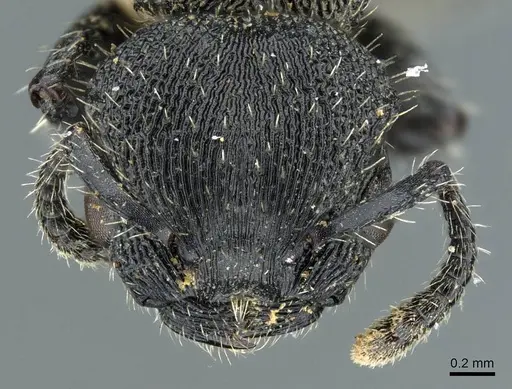
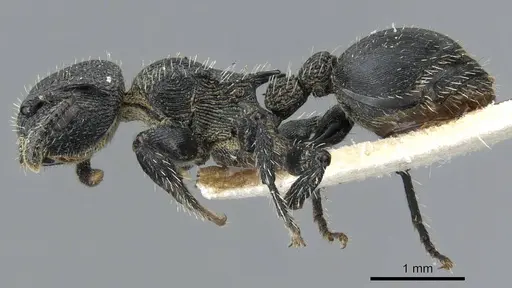
Procryptocerus montanus is an ant species belonging to the tribe Attini, found in the Neotropical region including Brazil, Argentina, and Paraguay . Workers have striate propodeal spines . The species was described by Kempf in 1957 from specimens collected in São Paulo state, Brazil . It is considered rare in most sampled habitats . This species is notable for its limited biological data and rarity, making it a challenge for antkeepers.
Quick Summary
- Difficulty: Expert
- Origin & Habitat: Neotropical region, Brazil, Argentina, Paraguay. Found in highland areas like Campos do Jordão in São Paulo state, Brazil [3][1].
- Colony Type: Colony structure is unconfirmed.
- Size & Growth:
- Queen: size data unavailable
- Worker: size data unavailable
- Colony: Unknown, no colony size data exists in scientific literature.
- Growth: Unknown
- Development: Estimated 6-10 weeks based on typical Attini development, but unconfirmed for this species [1]. (No direct development data exists for Procryptocerus montanus. Estimates are based on general Attini patterns.)
- Antkeeping:
- Temperature: Based on the highland origin of type specimens [3], this species likely prefers temperatures in the range of 18-24°C. Start in the low-mid 20s°C and observe colony activity.
- Humidity: Likely requires moderate to high humidity given the Neotropical forest habitat [1]. Keep nest substrate consistently moist but not waterlogged.
- Diapause: Unknown, no specific studies on overwintering requirements exist.
- Nesting: Natural nesting habits are unconfirmed. Based on related Attini species [1], they likely nest in rotting wood or soil. In captivity, use a naturalistic setup with moist substrate or a Y-tong/plaster nest with good humidity retention.
- Behavior: Behavior is poorly documented. Based on genus patterns [1], workers are likely slow-moving and may show cryptic foraging behavior. Escape risk is moderate due to small size, standard barriers should suffice but ensure enclosures are secure.
- Common Issues: lack of available biological data makes proper care difficult to define precisely., the species is rarely kept in captivity so there is no established husbandry knowledge base., slow growth and rare status means wild-caught colonies may have been stressed during collection., humidity requirements are uncertain, too dry may be fatal, but specific needs are unconfirmed., no confirmed diet preferences, Attini species vary from fungivorous to generalist feeders.
Species Overview and Rarity
Procryptocerus montanus is a poorly known species that has rarely been encountered in scientific surveys [4]. The original description was published by Walter Kempf in 1957 based on specimens collected from Campos do Jordão in São Paulo state, Brazil [3]. The species remains one of the less-studied members of the tribe Attini. The known distribution covers the southern portions of Brazil, extending into Paraguay and northern Argentina, primarily in highland or subtropical forest habitats [1]. This species should be considered an expert-level species due to the complete lack of captive husbandry information.
Housing and Nest Setup
Since no established captive husbandry exists for this species, recommendations must be based on inference from related Attini species and the known habitat. The type locality in Campos do Jordão is a relatively cool, humid highland area, suggesting this species may prefer lower temperatures. A naturalistic setup with a moist substrate mixture would be a reasonable starting point. The enclosure should maintain moderate to high humidity without becoming stagnant. Since workers are small, the nest chambers should be appropriately scaled. Avoid overly dry conditions or excessive heat. A Y-tong nest with moist plaster or a dirt-based formicarium could both work, but monitor the colony closely for signs of stress. [1]
Feeding and Diet
The diet of Procryptocerus montanus is completely unstudied. As a member of the tribe Attini, this species may have fungal associations, but not all Attini are fungivores. The safest approach is to offer a varied diet and observe preferences. Offer small protein sources such as tiny pieces of mealworms or fruit flies. Sugar sources like honey water can be offered occasionally, but acceptance is uncertain. Do not assume this species is a leaf-cutter like Atta. Start with small prey items and sugar water, and adjust based on what the colony actually accepts. [1]
Temperature and Seasonal Care
Temperature requirements are not established for this species, but the type locality provides important clues. Campos do Jordão is located in the Serra da Mantiqueira mountains at elevations around 1,600 meters, where temperatures are cooler. This suggests Procryptocerus montanus may prefer temperatures in the range of 18-24°C. Start in the low-mid 20s°C and observe colony behavior. Regarding winter rest, the subtropical distribution suggests some reduction in temperature during winter months may be natural, but this is not confirmed as a requirement. [3]
Acquiring and Establishing a Colony
Procryptocerus montanus is considered rare in the wild and is unlikely to be available through commercial ant vendors. If available at all, it would likely be through specialized dealers or by collecting in its natural range in Brazil, Argentina, or Paraguay. Wild-caught colonies face significant risks due to the stress of collection. If you do obtain a colony, quarantine and observe it carefully before introducing it to any established ant collection. There is no established track record for keeping this species, so document your observations thoroughly. [4]
Behavior and Observation
Specific behavioral observations for Procryptocerus montanus are not documented. Based on genus-level patterns, workers are likely to be slow-moving and may exhibit cryptic foraging behavior. The small worker size means they may be overlooked in the wild and are unlikely to be aggressive toward humans. Observation opportunities may be limited given their likely secretive nature. [1]
Frequently Asked Questions
How difficult is Procryptocerus montanus to keep?
This species is best classified as expert-level due to the complete lack of captive husbandry information. No established care protocols exist, and biological data is extremely limited.
What do Procryptocerus montanus ants eat?
Diet is unconfirmed. Based on related Attini species, they likely accept small protein sources and may also consume honeydew or sugar sources. Offer a varied diet and observe preferences [1].
What temperature should I keep Procryptocerus montanus at?
Based on the highland origin of type specimens from Campos do Jordão in Brazil, aim for temperatures in the range of 18-24°C [3]. Start around 20-23°C and adjust based on colony activity.
Do Procryptocerus montanus ants need hibernation?
Diapause requirements are unknown. The subtropical distribution suggests a mild winter rest period may be natural but is not confirmed as required.
How big do Procryptocerus montanus colonies get?
Colony size is unknown, no scientific data exists on maximum colony size.
Can I keep multiple Procryptocerus montanus queens together?
Colony structure is unconfirmed. There is no data on whether this species is single-queen or multi-queen. Do not attempt combining unrelated queens without established evidence.
How long does it take for Procryptocerus montanus to produce first workers?
Development timeline is unconfirmed. Based on typical Attini development, estimates range from 6-10 weeks, but this is unconfirmed for this species [1].
What humidity level do Procryptocerus montanus ants need?
Humidity requirements are unconfirmed but likely moderate to high given the Neotropical forest habitat [1]. Keep nest substrate consistently moist but not waterlogged.
Where can I get Procryptocerus montanus ants?
This species is considered rare and is unlikely to be available through commercial vendors. It may occasionally be available through specialized ant dealers or by collection in its native range, but both options carry significant risks [4].
Report an Issue
The current care sheet is based fully on literature. See inconsistencies, or something that's incorrect? Please , it will be resolved after review from an admin. Contributing to the blogs tab also helps providing information, to make us be able to further improve the caresheets. Thank you for your support!
References

This caresheet is licensed under CC BY-SA 4.0 .
Community Blogs
CASENT0178096
View on AntWeb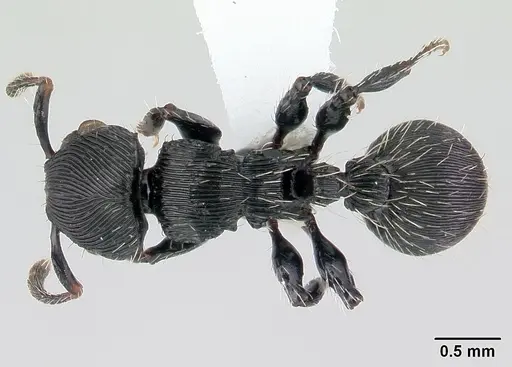
CASENT0905906
View on AntWeb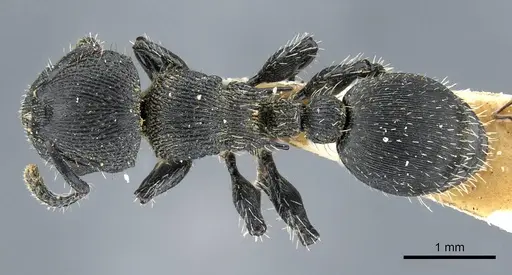
Literature
Loading distribution map...Loading products...