
Procryptocerus mayri
- Sci. Name
- Procryptocerus mayri
- Tribe
- Attini
- Subfamily
- Myrmicinae
- Author
- Forel, 1899
- Distribution
- Found in 7 countries
Introduction
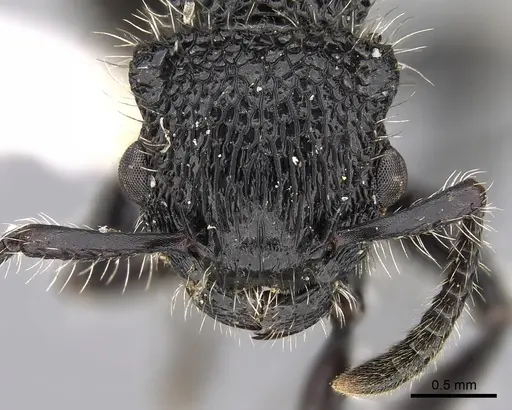
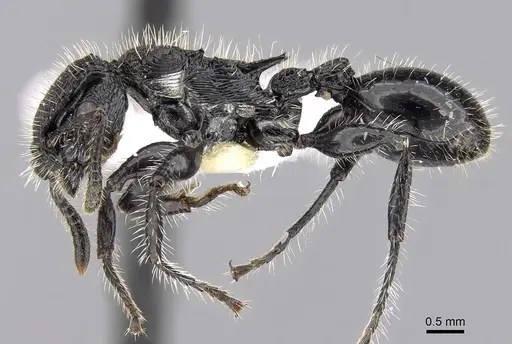
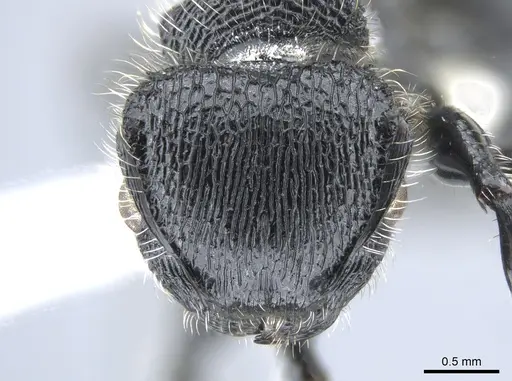
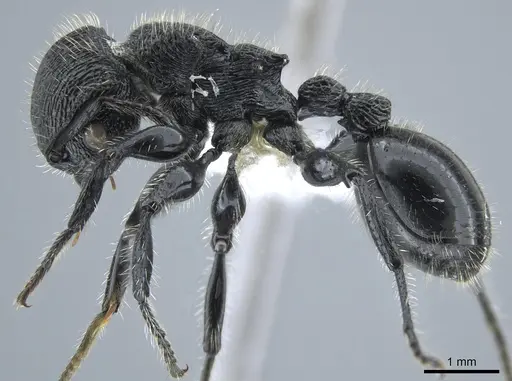
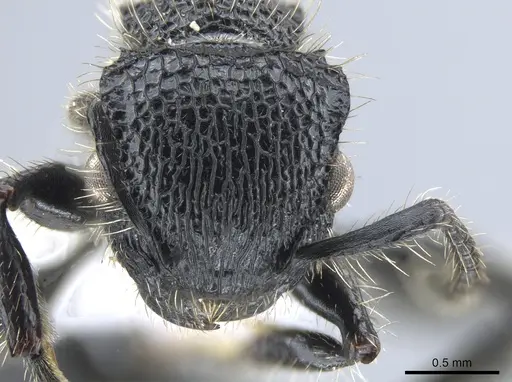
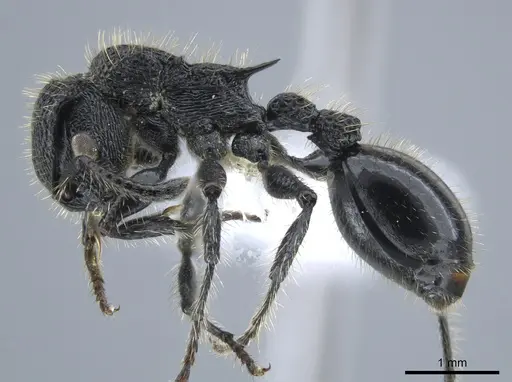
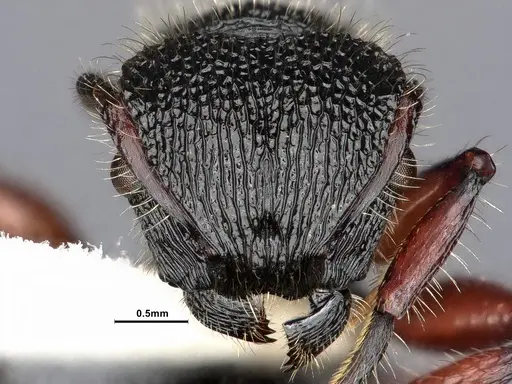
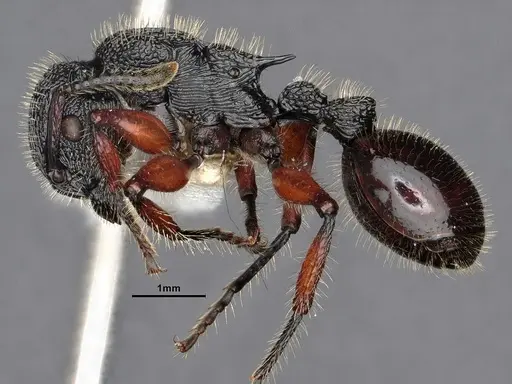
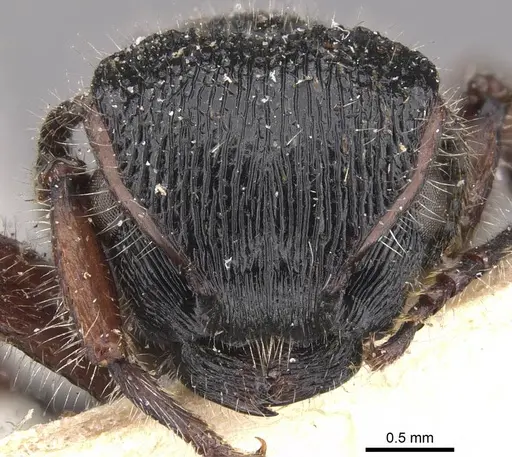
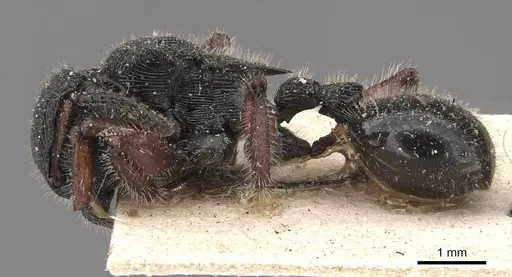
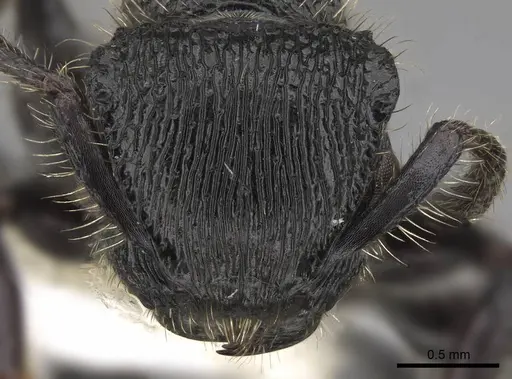
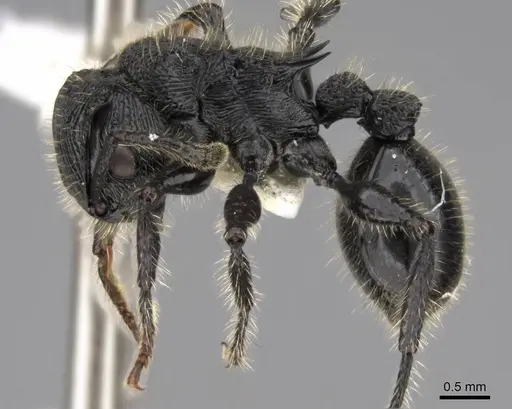
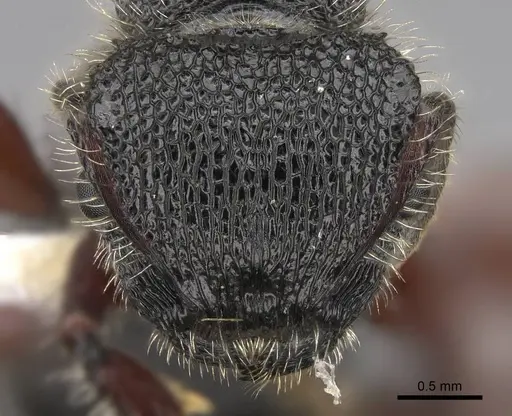
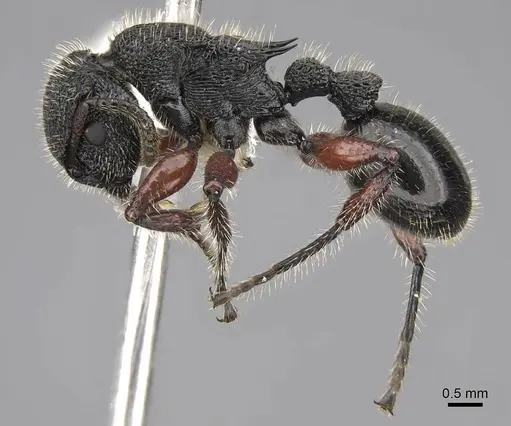
Procryptocerus mayri is a small, inconspicuous myrmicine ant from the cloud forests of Central and South America. Queens can reach up to 9.5 mm in total length, while workers are smaller with total length approximately 6.2 mm (inferred from genus). They have a striking clathrate (net-like) sculpture on the face and upper body, a black body, and legs that are either black or red. These ants are found only in wet montane forest and cloud forest habitats, typically between 1000 and 1500 m elevation . They nest inside live and dead plant stems and form polydomous colonies, multiple nest sites connected together, each with a single queen. Individual nests hold fewer than 100 workers . In Costa Rica, they are almost always found together with Procryptocerus batesi .
Quick Summary
- Difficulty: Medium
- Origin & Habitat: Wet montane forest and cloud forest in Central and South America (Colombia, Costa Rica, Ecuador, Guatemala, Honduras, Mexico, Panama, Peru, Venezuela). Peak abundance at 1000–1500 m elevation [1].
- Colony Type: Polydomous, the colony occupies several plant stem nests, each likely containing a single queen. Individual nests contain fewer than 100 workers [1].
- Size & Growth:
- Queen: Up to 9.5 mm total length [3]
- Worker: Approximately 6.2 mm total length (inferred from genus Procryptocerus [2])
- Colony: Fewer than 100 workers per nest [1][2]
- Growth: Slow, wild nests have a low worker production rate [1]
- Development: Unknown, but based on related Attini species expect 6–10 weeks at 20–24°C (The small amount of brood compared to adult workers in field nests suggests slow colony growth [1].)
- Antkeeping:
- Temperature: Keep cool, around 20–24°C. Avoid temperatures above 25°C, these ants come from cool cloud forests and do not tolerate heat [1].
- Humidity: High humidity is essential. Keep the nest substrate consistently moist but not waterlogged. Provide a water tube as a moisture source [1].
- Diapause: Unknown, no documented diapause requirement. As a tropical cloud forest species, they likely do not need a winter rest period.
- Nesting: Use Y-tong (AAC), plaster, or 3D-printed nests with small chambers. Provide naturalistic setups with hollow plant stems. Avoid large formicariums, they prefer cozy spaces [1].
- Behavior: Docile and non‑aggressive. Workers are slow‑moving and inconspicuous. They have a functional stinger (typical of Attini) but rarely use it against humans. Escape risk is moderate due to their small size, use standard barrier methods like fluon or oil.
- Common Issues: high temperature can kill the colony, keep below 25°C, low humidity causes desiccation and brood loss, poor ventilation leads to mold in the humid nest, wild‑caught colonies may fail to adapt to captivity if their cool, humid needs aren't met, slow growth and small colony size may not satisfy keepers looking for a showy species
Natural History and Distribution
Procryptocerus mayri is found from Mexico to Brazil, but it is strictly tied to wet montane forest and cloud forest habitats. Its peak abundance occurs between 1000 and 1500 m elevation. On the Osa Peninsula in Costa Rica, it was only collected in a small cloud forest patch above 700 m, showing how picky it is about its environment [1]. Throughout Costa Rica, it is almost always found together with Procryptocerus batesi. At lower elevations, other Procryptocerus species take over [1]. This strong habitat preference makes it a challenging species to re‑create in captivity, you must provide cool, damp conditions.
Nesting Behavior
All known nests of P. mayri are inside plant stems, either live or dead branches. They have been found in acanthaceous shrubs, Cecropia saplings, melastome trees, and Baccharis shrubs, often on plants overhanging streams or forest edges [1]. The nest entrance is a small, downward‑pointing hole. One nest measured 49 cm long inside a live 14‑mm‑diameter branch, with a single entrance. Another straddled both live and dead stem, with two entrance holes 30 cm apart [1]. Many nests lack a dealate (mated, wingless) queen, which is strong evidence for polydomy, the colony uses multiple separate nests that are connected by tunnels. Individual nests contain fewer than 100 workers [1][2]. The brood is scarce compared to the number of workers, suggesting a long‑lived workforce with a low rate of new worker production [1].
Colony Structure and Reproduction
P. mayri forms polydomous colonies: each nest site typically has a single queen, but the whole colony occupies multiple such sites. For example, one Cecropia sapling held scattered nests, and only a few of them contained a queen [1]. Nests have been collected with up to 75 workers and one queen, but many nests had no queen at all. One nest contained 48 workers,13 alate (winged) queens, and 12 males, another had 64 workers,36 alate queens, and 7 males [1]. The presence of queen pupae, callows (freshly emerged adults), and fully sclerotized adults together indicates that sexuals are produced gradually throughout the year, not in a single seasonal burst [1]. Colony growth is slow, the small ratio of brood to adult workers shows that new workers are added at a low rate.
Housing and Nest Setup
Your goal is to mimic the plant stem environment. Use Y‑tong (AAC), plaster, or 3D‑printed nests with small, tight chambers. Because colonies stay under 100 workers per nest, a large formicarium will be stressful, keep the nest area small and cozy. Include hollow artificial or natural plant stems in the outworld as extra nesting options [1]. A test tube setup works during founding, but soon after the first workers arrive you can offer a more naturalistic nest. Since the species is polydomous, you can provide several small connected nest chambers or tubes. Ensure high humidity in the nest area, but add a small ventilation hole to prevent mold growth.
Feeding and Diet
Despite belonging to the fungus‑growing tribe Attini, P. mayri is a generalist forager, it does not cultivate fungus. In the wild, it likely feeds on small arthropods, honeydew, and nectar [1]. In captivity, offer tiny protein sources like fruit flies, pinhead crickets, or small mealworms. Supplement with sugar water or honey water. Feed small amounts two to three times a week and remove uneaten food promptly to stop mold in the humid setup.
Temperature and Humidity Requirements
Keep the temperature between 20 and 24°C, these ants come from cool cloud forests and cannot handle heat above 25–26°C. Room temperature is usually fine [1]. Humidity must be high: keep the nest substrate consistently moist but not waterlogged. Provide a water tube as a constant moisture source. Good ventilation is important to prevent mold, but avoid strong drafts that will dry out the nest. Striking the right balance between humidity and air movement is key to keeping this species healthy.
Frequently Asked Questions
How long does it take for Procryptocerus mayri to produce first workers?
The exact timeline is unknown, but based on related Attini species and the observed slow growth in wild colonies, expect 6 to 10 weeks from egg to worker at 20–24°C. Be patient, this is a slow‐growing species.
Can I keep multiple Procryptocerus mayri queens together?
Not recommended. Wild colonies are polydomous, with each nest holding a single queen. Combining unrelated foundresses has not been documented and would likely lead to aggression. Start with one queen for the best chance of success.
How big do Procryptocerus mayri colonies get?
Individual nests contain fewer than 100 workers. Because the colony is polydomous (multiple nests connected together), the whole colony could be larger, but it never becomes a large, showy colony. Even well‑established colonies stay modest.
Are Procryptocerus mayri good for beginners?
Not ideal. They need specific cool, humid conditions, grow very slowly, and stay small. They are also uncommon in the hobby. More experienced keepers with an interest in unusual Neotropical species will have better success.
What temperature should I keep Procryptocerus mayri at?
Keep the temperature at 20–24°C. Do not let it rise above 25°C. Room temperature is usually fine. Keep the setup away from heat sources and direct sunlight.
Do Procryptocerus mayri need hibernation?
Unknown, no documented diapause requirement. As a tropical cloud forest species from high elevation, they likely do not require a winter rest period. Maintain stable temperatures year‑round.
Why are my Procryptocerus mayri dying?
Common causes: temperatures too high (above 25°C), low humidity (the nest dries out), mold from poor ventilation, or stress from too much disturbance. Check that temperature stays below 24°C and the nest substrate is consistently damp but not waterlogged.
What do Procryptocerus mayri eat?
They are generalist foragers. Offer small protein sources like fruit flies, pinhead crickets, or tiny mealworms. Sugary water or honey water can be given occasionally. Remove uneaten food quickly to avoid mold in the humid environment.
When should I move Procryptocerus mayri to a formicarium?
Start with a test tube setup during founding. Once you have a few workers and a small colony, you can move them to a small Y‑tong, plaster, or 3D‑printed nest with small chambers. They prefer cozy spaces, avoid large formicariums. You can also offer hollow plant stems.
Report an Issue
The current care sheet is based fully on literature. See inconsistencies, or something that's incorrect? Please , it will be resolved after review from an admin. Contributing to the blogs tab also helps providing information, to make us be able to further improve the caresheets. Thank you for your support!
References

This caresheet is licensed under CC BY-SA 4.0 .
Community Blogs
CASENT0280783
View on AntWeb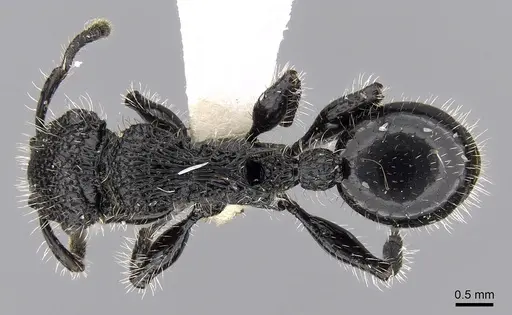
CASENT0631795
View on AntWeb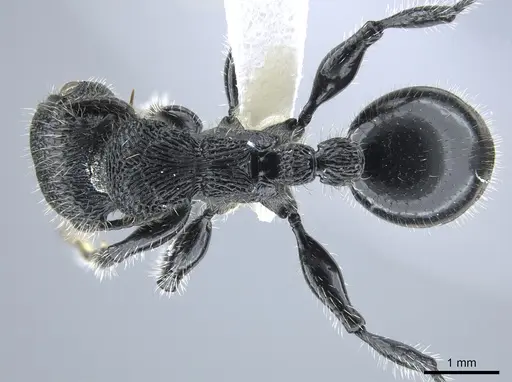
CASENT0648621
View on AntWeb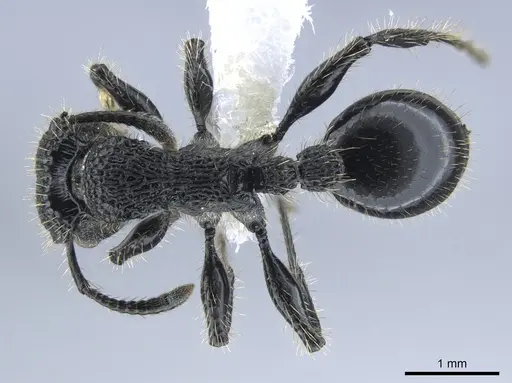
CASENT0884224
View on AntWeb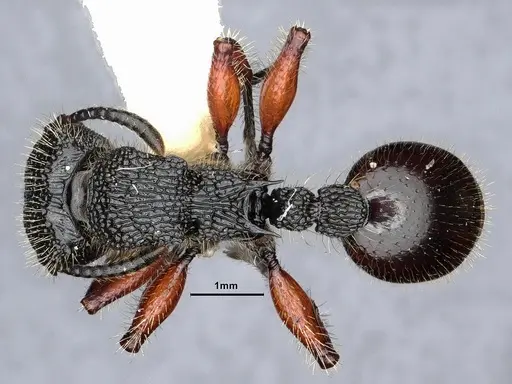
CASENT0909249
View on AntWeb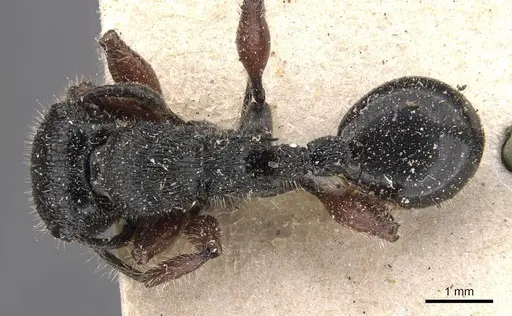
CASENT0922621
View on AntWeb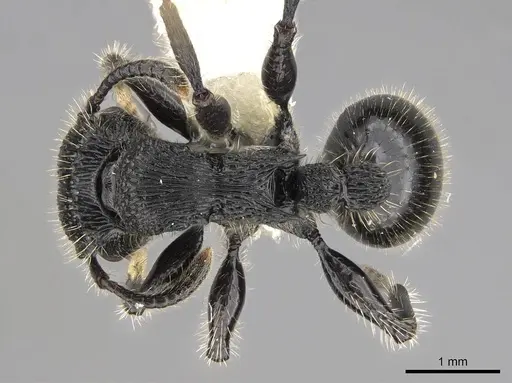
CASENT0922622
View on AntWeb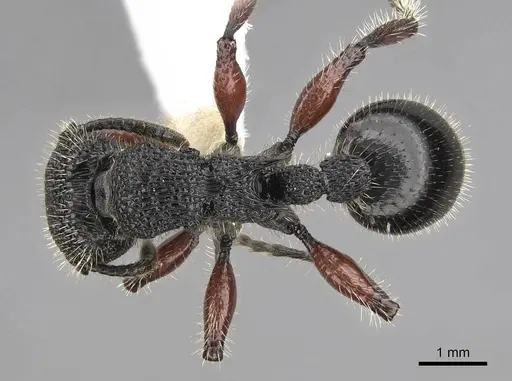
Literature
Loading distribution map...Loading products...