
Procryptocerus lepidus
- Sci. Name
- Procryptocerus lepidus
- Tribe
- Attini
- Subfamily
- Myrmicinae
- Author
- Forel, 1908
- Distribution
- Found in 1 countries
Introduction
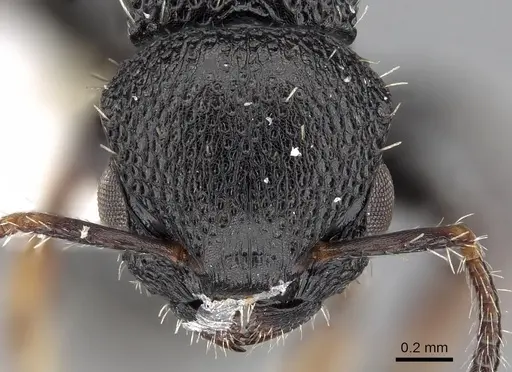
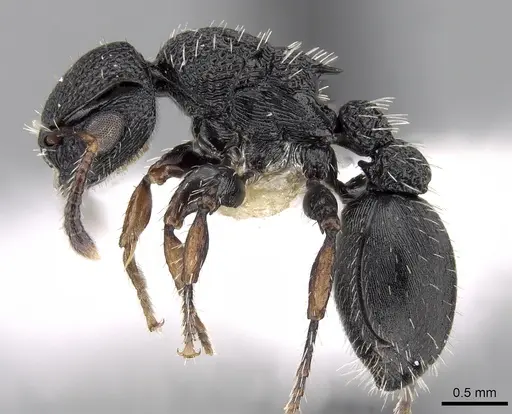
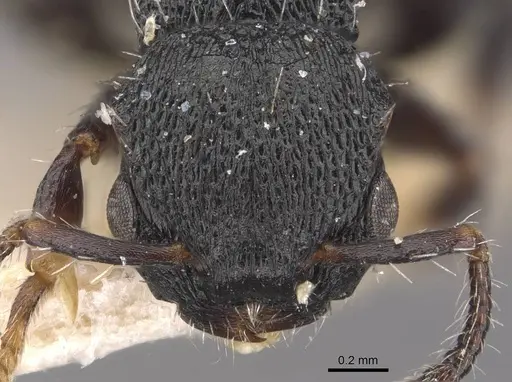
Procryptocerus lepidus is a small ant species in the tribe Attini (the fungus-growing ants) under the subfamily Myrmicinae. Workers have a relatively flat vertex (the upper part of the head) . This species was first described as a subspecies of Procryptocerus subpilosus by Forel in 1908 and was raised to full species status by Kempf in 1964. Its known distribution is limited to Brazil in the Neotropical region . Almost nothing is documented about its biology, making it one of the least studied ant species in the genus.
Quick Summary
- Difficulty: Unknown
- Origin & Habitat: Brazil (Neotropical region) [2] – specific habitat details are unconfirmed
- Colony Type: Unconfirmed – colony structure has not been documented for this species
- Size & Growth:
- Queen: Unknown – no measurements available
- Worker: Unknown – no measurements available
- Colony: Unknown – no colony size data available
- Growth: Unknown
- Development: Unknown – development timeline has not been studied (No direct measurements available. As a member of the Attini tribe (fungus-growing ants), development likely follows patterns typical of other Attini species, but specific timelines are unconfirmed.)
- Antkeeping:
- Temperature: No specific data. As a Brazilian Neotropical species, likely prefers warm conditions (around 24–28°C) – this is an estimate based on geography, not confirmed research.
- Humidity: No specific data. Neotropical species typically prefer humid conditions – unknown for this species.
- Diapause: Unknown – overwintering behavior has not been studied
- Nesting: Natural nesting preferences are unconfirmed. Related Procryptocerus species typically nest in rotting wood or under stones in forest habitats, but this is an inference from the genus.
- Behavior: Behavior has not been documented. As an Attini tribe member, this species likely cultivates fungus for food. It belongs to Myrmicinae, so it probably has a functional stinger for defense, though less potent than fire ants. Escape risk cannot be assessed without size data.
- Common Issues: this is a very poorly studied species with almost no available care information, no confirmed data on temperature, humidity, or dietary requirements, colony size and growth rate are unknown, making care planning impossible, lack of research means all husbandry is experimental and based on guesswork, no information on founding behavior or colony development
Species Overview and Identification
Procryptocerus lepidus is a rare and poorly documented ant species from Brazil. The genus Procryptocerus belongs to the tribe Attini, which are known as fungus-growing ants. Workers of this species can be identified by their relatively flat vertex, a morphological trait noted in the genus description [1]. The species was originally described by Forel in 1908 from Brazilian specimens and was later elevated from subspecies to full species status by Kempf in 1964 [2]. Beyond these taxonomic details, very little biological information exists for this species.
Distribution and Habitat
Procryptocerus lepidus is known only from Brazil, specifically in the Neotropical region. Records indicate occurrences in the southern part of Brazil, including Santa Catarina state [2]. The exact habitat preferences have not been documented. Based on what is known about related Procryptocerus species and the broader Attini tribe, these ants likely inhabit forested areas where they cultivate fungus in humid, shaded environments. However, specific microhabitat requirements for P. lepidus remain unconfirmed.
Taxonomy and Relatives
This species belongs to the genus Procryptocerus in the tribe Attini (subfamily Myrmicinae). The Attini tribe includes well-known fungus-growing ants including the leafcutter ants (Atta and Acromyrmex) and smaller fungus growers. Procryptocerus lepidus was originally described as Procryptocerus subpilosus st. lepidus by Forel in 1908 and was raised to species rank by Kempf in 1964 [2]. The genus Procryptocerus contains several dozen species, all native to the Neotropics. While this species is poorly studied, it shares the tribe's characteristic of cultivating fungus as a food source.
Known Morphology
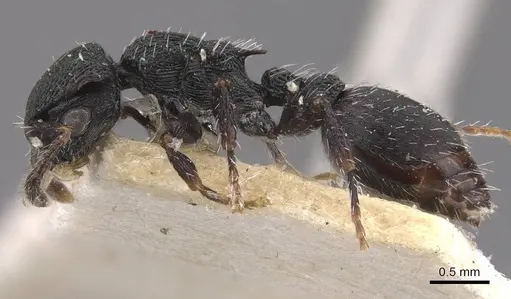
The only confirmed morphological detail for Procryptocerus lepidus workers is the flat vertex (the upper portion of the head) [1]. Beyond this, no specific measurements or morphological descriptions have been published. Workers of related Procryptocerus species are typically small, cryptic ants that nest in rotting wood or under stones. The lack of detailed morphological data reflects the overall scarcity of research on this species.
Frequently Asked Questions
How do I care for Procryptocerus lepidus ants?
Unfortunately, there is no available care information for this species. Procryptocerus lepidus is one of the least documented ant species in the hobby, with almost no scientific research on its biology, temperature needs, humidity preferences, or diet. Keeping this species successfully would require significant experimentation and likely would not be recommended for beginners due to the complete lack of established care protocols.
What do Procryptocerus lepidus ants eat?
As a member of the tribe Attini (fungus-growing ants), Procryptocerus lepidus likely cultivates fungus as its primary food source, similar to other Attini species. However, the specific fungal species and exact dietary requirements have not been documented. Related Attini ants feed their fungus with plant material (in the case of leafcutters) or organic debris. Without confirmed information, offering a varied diet including small insects and carbohydrate sources would be speculative.
Where does Procryptocerus lepidus live?
This species is confirmed to live in Brazil, specifically in the Neotropical region. Records exist from southern Brazil including Santa Catarina state [2]. The exact nesting habitats and elevation preferences are unknown.
Are Procryptocerus lepidus ants good for beginners?
This species would not be recommended for beginners. The complete lack of documented care information means keepers would be essentially experimenting blindly. Additionally, this species appears to be very rare in both the wild and the antkeeping hobby, making it extremely difficult to acquire a colony.
How big do Procryptocerus lepidus colonies get?
Colony size is unknown. No scientific papers have documented colony sizes for this species. Based on typical Procryptocerus genus patterns, colonies are likely small to moderate in size, but this is purely speculative.
What temperature should I keep Procryptocerus lepidus at?
No specific temperature requirements have been documented. As a Brazilian Neotropical species, it likely prefers warm conditions in the range of 24–28°C, but this is an estimate based on geography rather than confirmed research. Without proper documentation, maintaining this species would require guesswork.
Does Procryptocerus lepidus need hibernation?
Diapause and overwintering requirements are completely unknown for this species. As a Brazilian species from a tropical/subtropical region, it may not require a true hibernation period, but this is uncertain.
Can I keep multiple Procryptocerus lepidus queens together?
Colony structure (monogyne vs polygyne) has not been documented for this species. There is no information on whether multiple queens can be kept together or how the species establishes colonies.
How long does it take for Procryptocerus lepidus to develop from egg to worker?
The complete development timeline is unknown. No research has documented egg, larval, or pupal development times for this species. As an Attini member, development likely follows patterns similar to other fungus-growing ants (several months to reach maturity), but this is unconfirmed.
Report an Issue
The current care sheet is based fully on literature. See inconsistencies, or something that's incorrect? Please , it will be resolved after review from an admin. Contributing to the blogs tab also helps providing information, to make us be able to further improve the caresheets. Thank you for your support!
References

This caresheet is licensed under CC BY-SA 4.0 .
Community Blogs
CASENT0280788
View on AntWeb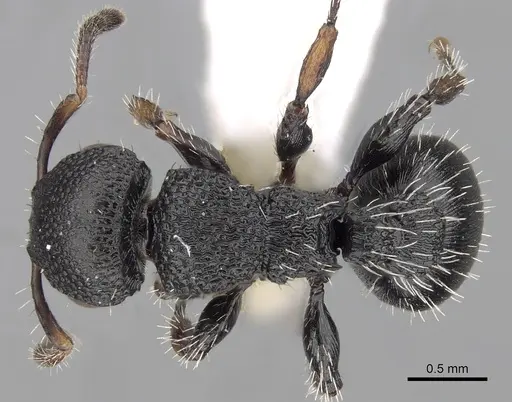
CASENT0909258
View on AntWeb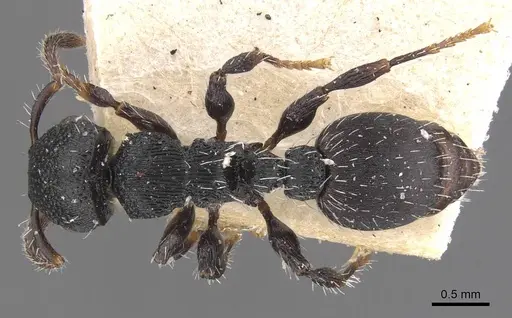
Literature
Loading distribution map...Loading products...