
Procryptocerus hylaeus
- Sci. Name
- Procryptocerus hylaeus
- Tribe
- Attini
- Subfamily
- Myrmicinae
- Author
- Kempf, 1951
- Distribution
- Found in 13 countries
Introduction
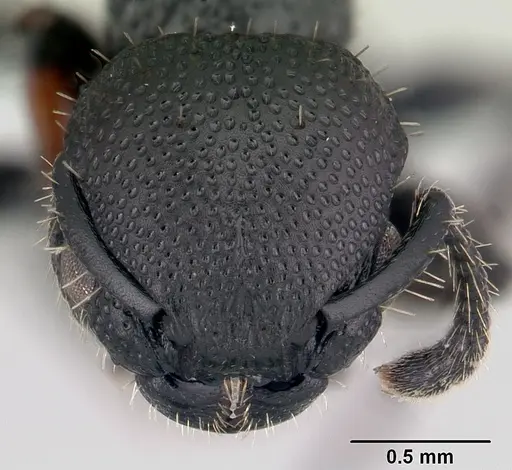
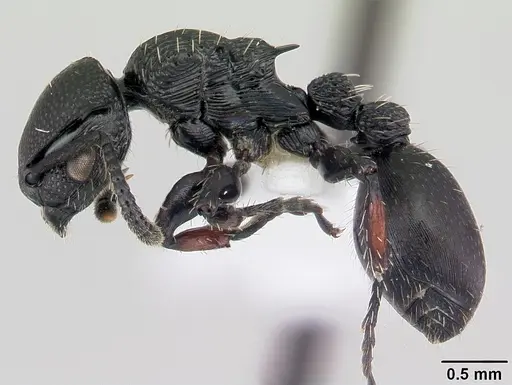
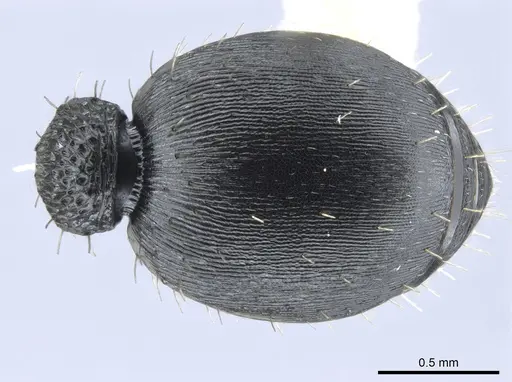
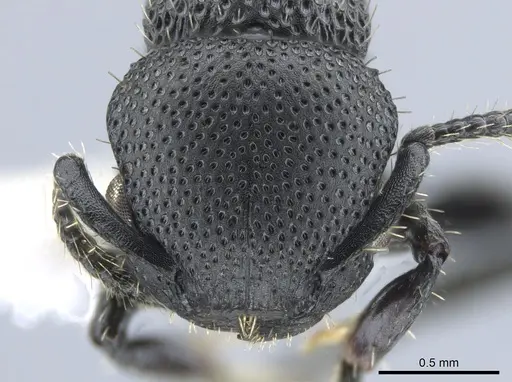
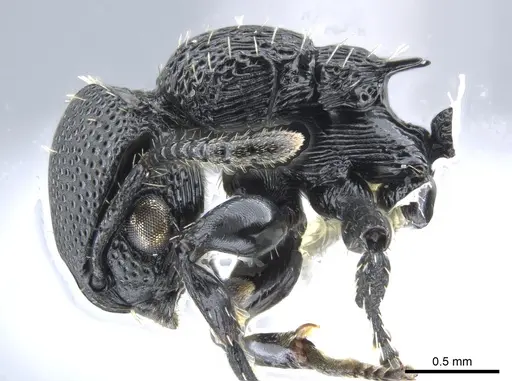
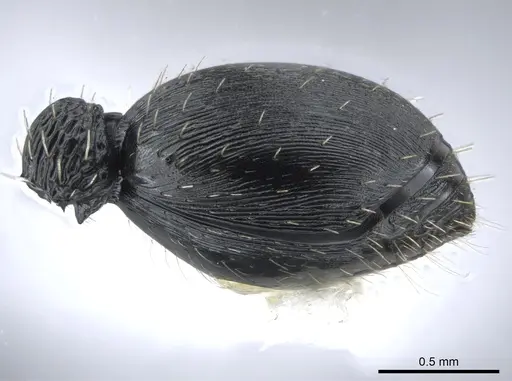
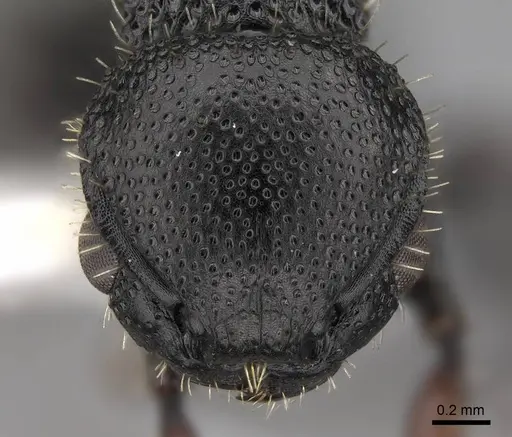
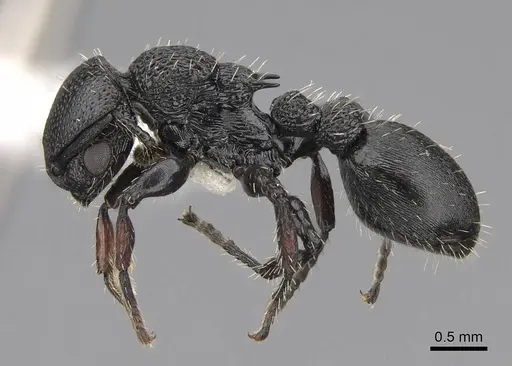
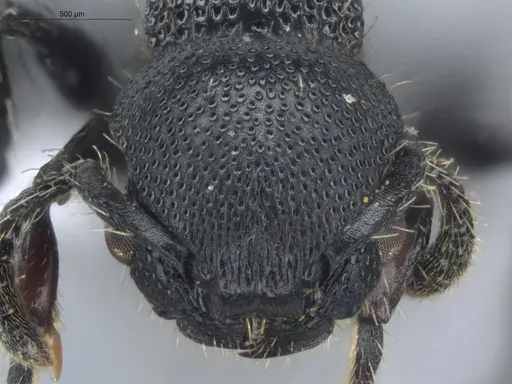
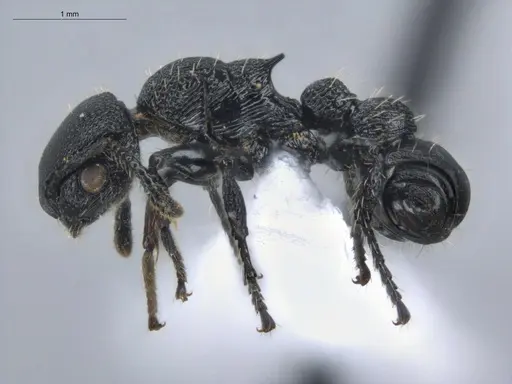
Procryptocerus hylaeus is a small arboreal ant native to the Neotropics, found from Argentina to Panama. It inhabits wet and moist forest canopies, nesting in dead twigs. Workers are black with reddish-brown tibiae . Body size data is unavailable from the research context. This species is ecologically important as a predator of the coffee berry borer in coffee agroecosystems .
Quick Summary
- Difficulty: Expert
- Origin & Habitat: Wet and moist forest canopy across the Neotropics, from Argentina to Panama. Nests in dead twigs in forest canopies [1][2].
- Colony Type: Based on related Cephalotes species, likely monogyne (single queen) colonies. Workers are small and colonies remain relatively small [4].
- Size & Growth:
- Queen: size data unavailable
- Worker: size data unavailable
- Colony: Up to 16 workers per nest [4]
- Growth: Unknown
- Development: Unknown, no direct development data exists for this species (Development timeline has not been studied.)
- Antkeeping:
- Temperature: Keep warm, around 24-28°C, based on tropical distribution [1].
- Humidity: Keep nest substrate consistently moist but not waterlogged, as they inhabit wet forests [1][2].
- Diapause: No, tropical species do not require hibernation [1].
- Nesting: Twig-nesting species. Use Y-tong, plaster, or 3D-printed nests with narrow chambers to mimic twigs. Prefer larger twigs (2.6-4.0mm diameter) [5][6].
- Behavior: These ants are arboreal and relatively docile. They have a sting but it is less medically significant to humans. Due to their small size, escape prevention is critical [6].
- Common Issues: small size means escapes are likely without fine mesh barriers [6]., tropical humidity requirements can be difficult to maintain consistently [1]., colonies remain small, not satisfying for keepers expecting large colonies [4]., difficulty maintaining under laboratory conditions has been noted in research [6]., wild-caught colonies may have parasites or be stressed from habitat disruption.
Natural History and Distribution
Procryptocerus hylaeus is a Neotropical species with a wide distribution across northern South America. It ranges from Argentina and Paraguay north through Brazil, Bolivia, Peru, Ecuador, Colombia, Guyana, French Guiana, Venezuela, and just into Central America in Panama [1][2].
These ants are primarily canopy species, living in wet and moist forest layers. They are most commonly collected using canopy fogging techniques, and they nest in dead twigs. A notable collection from Bolivia found a nest directly in a dead twig, confirming their twig-nesting behavior [1].
Nesting Preferences and Housing
In the wild, Procryptocerus hylaeus exclusively nests in hollow twigs and small branches. Research shows they strongly prefer larger twigs with diameters between 2.6-4.0mm [5].
For captive care, use Y-tong, plaster, or 3D-printed nests with narrow chambers to mimic natural twig nests. These ants do not do well in large, open spaces, they prefer tight, enclosed chambers [5][6].
Because they are arboreal, provide vertical space and an outworld for foraging. Ensure adequate humidity control.
Feeding and Diet
Procryptocerus hylaeus is a predator, actively hunting small arthropods. Research documents their predation on the coffee berry borer, a major pest [3].
In captivity, offer small live prey like fruit flies, pinhead crickets, and other tiny arthropods. Sugar sources may be accepted occasionally but are not primary [3][4].
Temperature and Humidity Requirements
As a tropical species, Procryptocerus hylaeus requires warm and humid conditions. Keep the nest area at 24-28°C, avoiding prolonged exposure below 20°C [1].
Humidity is critical. Maintain nest humidity by using a water reservoir or regular misting, keeping the substrate moist but not waterlogged [1][2].
Behavior and Colony Dynamics
Procryptocerus hylaeus colonies are relatively small, with typical twig nests containing around 16 workers [4].
These ants are not aggressive and rely on cryptic nesting for defense. They are active foragers and can be dominant in certain habitats but limited by competitors like Azteca instabilis [4][7].
Ecological Importance
Procryptocerus hylaeus plays a beneficial role in tropical agroecosystems by preying on the coffee berry borer [3].
Research shows synergistic effects with other predators in biological control programs [4]. They are found in forests and shaded coffee plantations [2].
Challenges in Captive Care
Keeping Procryptocerus hylaeus presents challenges: small size requires excellent escape prevention, specific nesting needs, and consistent humidity [6][4].
They are difficult to maintain in laboratory conditions, making them unsuitable for beginners [6].
Frequently Asked Questions
Is Procryptocerus hylaeus a good species for beginners?
No. This species is expert-level due to specific humidity requirements, small size escape risk, and documented difficulty in maintenance [6].
What do Procryptocerus hylaeus eat?
They are predators that hunt small insects. Offer small live prey like fruit flies and pinhead crickets. They are known to prey on coffee berry borers [3][4].
How big do Procryptocerus hylaeus colonies get?
Colonies remain small, with typical twig nests containing around 16 workers [4].
What temperature should I keep Procryptocerus hylaeus at?
Keep them warm at 24-28°C, as they are a tropical species [1].
Do Procryptocerus hylaeus need hibernation?
No. As a tropical species, they do not require hibernation [1].
What type of nest should I use for Procryptocerus hylaeus?
Use Y-tong, plaster, or 3D-printed nests with narrow chambers to mimic twigs. They prefer larger twigs (2.6-4.0mm diameter) [5][6].
Why are my Procryptocerus hylaeus escaping?
Their small size makes them excellent escape artists. Use fine mesh on all ventilation and ensure tight-fitting lids [6].
How long does it take for Procryptocerus hylaeus to develop from egg to worker?
The development timeline is unknown, as no direct data exists for this species.
Can I keep multiple Procryptocerus hylaeus queens together?
Colony structure is not well documented, but based on related species, they likely form single-queen colonies. Combining unrelated queens is not recommended.
Where is Procryptocerus hylaeus found in the wild?
They inhabit wet and moist forest canopies across the Neotropics, from Argentina to Panama [1][2].
Is Procryptocerus hylaeus invasive anywhere?
No. This species is native to the Neotropics and has not been documented as invasive [1].
Report an Issue
The current care sheet is based fully on literature. See inconsistencies, or something that's incorrect? Please , it will be resolved after review from an admin. Contributing to the blogs tab also helps providing information, to make us be able to further improve the caresheets. Thank you for your support!
References

This caresheet is licensed under CC BY-SA 4.0 .
Community Blogs
CASENT0178095
View on AntWeb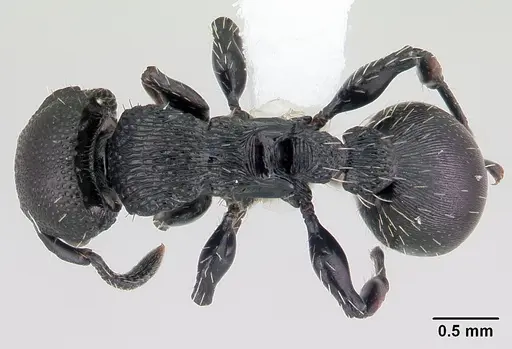
CASENT0633450
View on AntWeb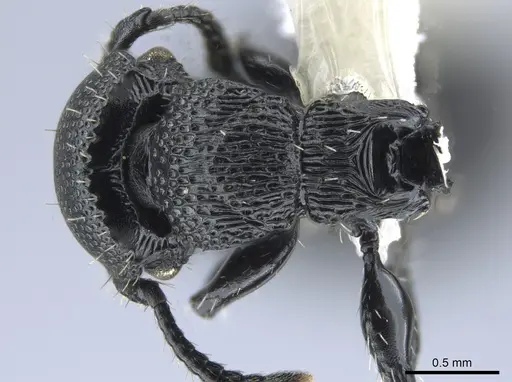
CASENT0922620
View on AntWeb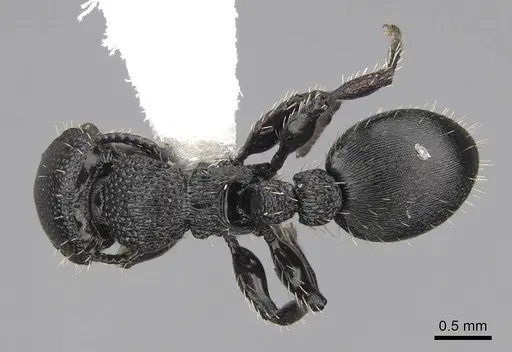
ECOFOG-BUG-1737-08
View on AntWeb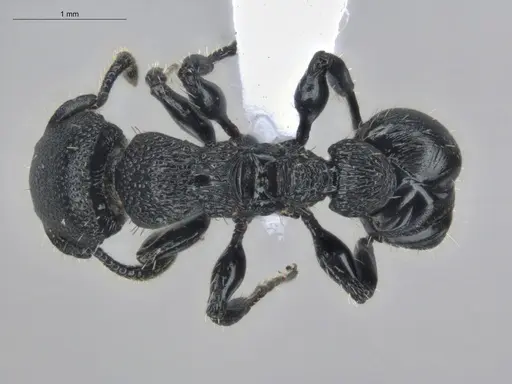
Literature
Loading distribution map...Loading products...