
Procryptocerus convexus
- Sci. Name
- Procryptocerus convexus
- Tribe
- Attini
- Subfamily
- Myrmicinae
- Author
- Forel, 1904
- Distribution
- Found in 1 countries
Introduction
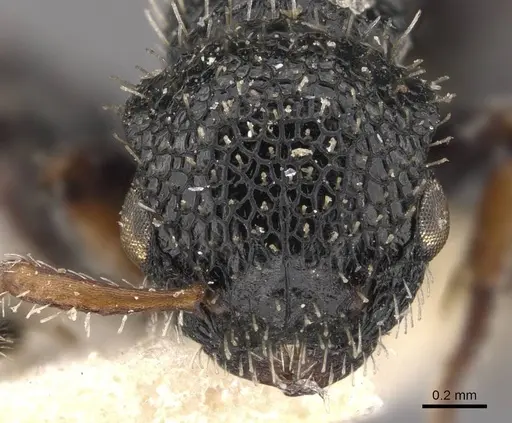
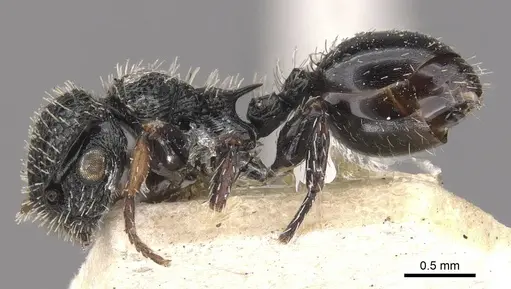
Procryptocerus convexus is a small Neotropical ant species in the tribe Attini. Workers are less than 4 mm in total length . They have a convex dorsal profile, a clathrate (grid-like) frons, and a smooth, glossy first gastral tergite with fewer hairs than other Procryptocerus species . Brazilian populations typically have shorter stiff hairs compared to Andean relatives . This species is known from Brazil (Amazonas, Pará) and Colombia (Caquetá) in lowland rainforest areas around 260 m elevation . Its biology, nesting habits, and colony structure are completely unstudied, making it a challenging species for antkeepers.
Quick Summary
- Difficulty: Unknown, Insufficient data for difficulty rating
- Origin & Habitat: Lowland rainforest in Brazil (Amazonas, Pará) and Colombia (Caquetá) at around 260 m elevation [4][2]
- Colony Type: Unknown, colony structure has not been documented
- Size & Growth:
- Queen: Size data unavailable, no queen measurements exist
- Worker: Less than 4 mm total length [1]
- Colony: Unknown, no colony size data exists
- Growth: Unknown
- Development: Unknown, no development data exists (Development timeline unstudied. Based on related Attini species, estimates suggest 6-10 weeks at optimal temperature, but this is inferred.)
- Antkeeping:
- Temperature: Likely 22-26°C based on lowland Neotropical distribution, start in this range and observe[2]
- Humidity: Keep nest substrate consistently moist but not waterlogged, based on rainforest habitat[2]
- Diapause: Unknown, no data on overwintering requirements
- Nesting: Natural nesting habits unknown. Likely nests in rotting wood or leaf litter. Use small Y-tong, plaster, or soil nests with moisture retention
- Behavior: Behavior is unstudied. Based on Attini tribe, likely forages for fungal substrates. Escape risk is high due to small size (under 4 mm). Temperament unknown, exercise caution.
- Common Issues: completely unknown biology, no documented care information, making success uncertain, no development data, egg-to-worker timeline unknown, so normal development is unclear, colony structure unconfirmed, queen number requirements unknown, escape risk, tiny size means they can escape through standard barriers, no confirmed diet, specific food preferences unknown, may require specialized diet
Species Identification and Distinction
Procryptocerus convexus workers have a convex dorsal profile and lack mesonotal processes [1]. The frons has a clathrate sculpture, and the first gastral tergite is smooth and shiny with sparse erect hairs [2][3]. Brazilian populations have shorter stiff pilosity than Andean relatives [3]. This species was elevated to full species status in 2002 based on morphological examination [4].
Distribution and Habitat
Procryptocerus convexus is known from Brazil (Amazonas, Pará) and Colombia (Caquetá) [4][2]. The type locality is in Pará, and specimens have been collected from Ilha de Curari [4]. A worker was found in Caquetá at 260 m elevation, indicating lowland tropical forest habitat [2].
Why This Species is Challenging to Keep
The scientific literature states that nothing is known about the biology of this species [5]. This includes no information on founding behavior, colony structure, diet, nesting, or development. Keeping this ant requires experimental conditions with high risk of failure due to unknown requirements.
Experimental Care Approach
Care must be based on inference from habitat and related species. As an Attini member, it may require fungal substrates, but this is speculative. Use small-scale nests like test tubes with fine mesh, Y-tong, or plaster nests. Temperature should be 22-26°C based on lowland distribution [4][2]. Humidity should be moderate to high, with a moist nest substrate. Start with standard ant foods and observe acceptance.
Legal and Ethical Considerations
Verify legal status before acquiring this species, as it is native to Brazil and Colombia. Ensure colonies are from permitted breeders. Given the lack of data, colony failure is likely. If kept, document observations to contribute to antkeeping knowledge.
Frequently Asked Questions
Is Procryptocerus convexus a good species for beginners?
No. This species is not recommended due to completely unknown biology and high risk of colony failure [5].
What do Procryptocerus convexus ants eat?
Unknown. As Attini members, they may require fungal substrates, but no documented feeding observations exist. Experiment with various foods and document acceptance.
How long does it take for Procryptocerus convexus to develop from egg to worker?
Unknown, no development data exists. Based on Attini patterns, estimates suggest 6-10 weeks at optimal temperature, but this is inferred.
What size colony do Procryptocerus convexus colonies reach?
Unknown, no colony size data exists in literature.
Can I keep multiple Procryptocerus convexus queens together?
Unknown, colony structure is not documented. Keep only one queen per colony until more data is available.
What temperature should I keep Procryptocerus convexus at?
Based on lowland Neotropical distribution, aim for 22-26°C [4][2]. This is inferred from habitat data, so observe colony activity and adjust.
Do Procryptocerus convexus need hibernation or diapause?
Unknown, no data exists. As a Neotropical species, they likely do not require true hibernation but may show reduced activity seasonally.
What is the best nest type for Procryptocerus convexus?
Unknown, natural habits unstudied. Use small nests like test tubes with fine mesh, Y-tong, or plaster nests due to their tiny size (under 4 mm) [1].
Why are my Procryptocerus convexus dying?
Without baseline data, diagnosis is impossible. Document everything to identify patterns if the colony survives or fails.
Report an Issue
The current care sheet is based fully on literature. See inconsistencies, or something that's incorrect? Please , it will be resolved after review from an admin. Contributing to the blogs tab also helps providing information, to make us be able to further improve the caresheets. Thank you for your support!
References

This caresheet is licensed under CC BY-SA 4.0 .
Community Blogs
CASENT0909248
View on AntWeb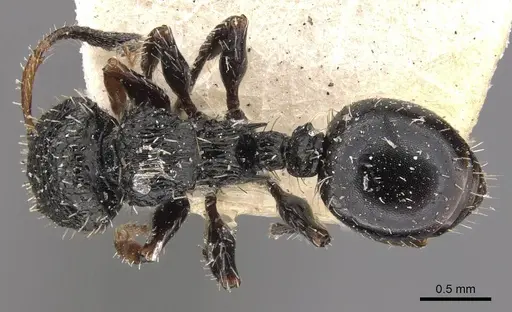
Literature
Loading distribution map...Loading products...