
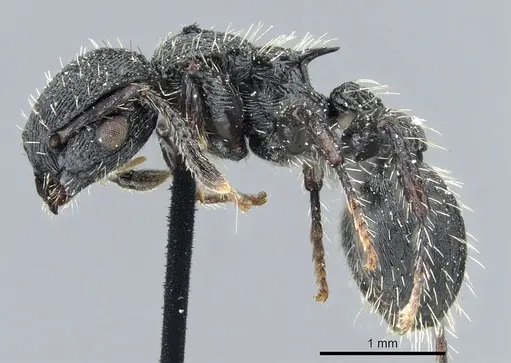
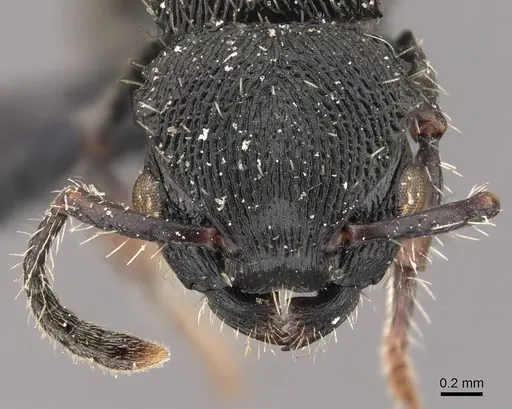
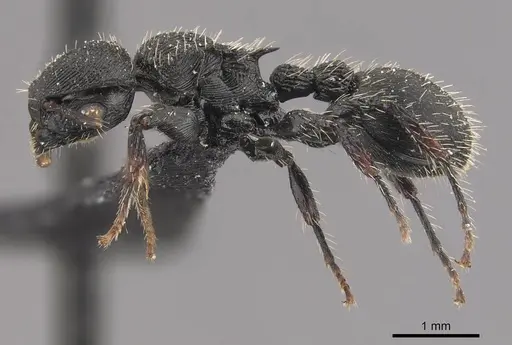
Procryptocerus convergens
- Sci. Name
- Procryptocerus convergens
- Tribe
- Attini
- Subfamily
- Myrmicinae
- Author
- Mayr, 1887
- Distribution
- Found in 1 countries
Introduction
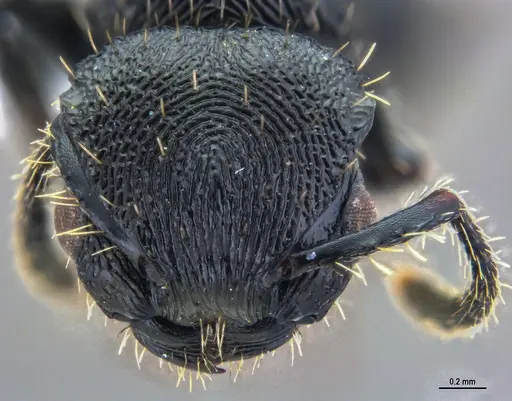
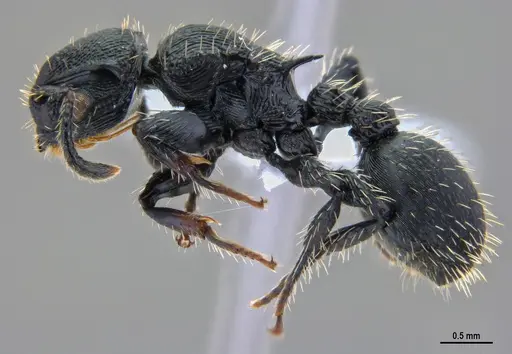
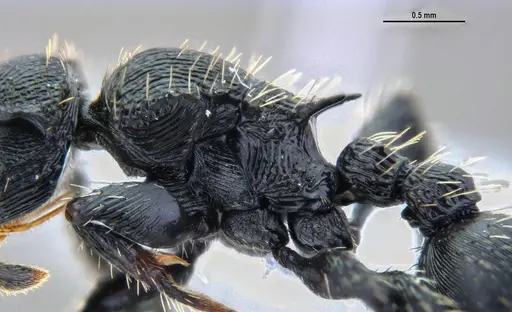
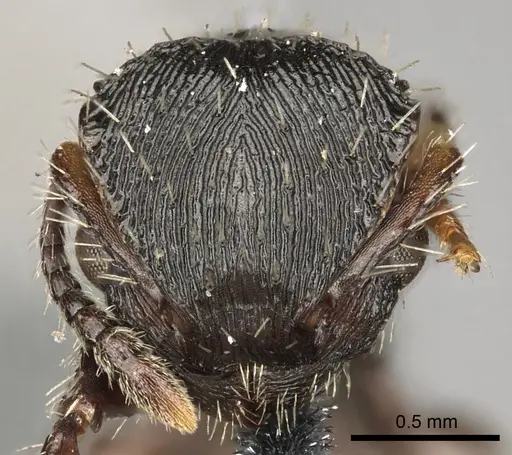
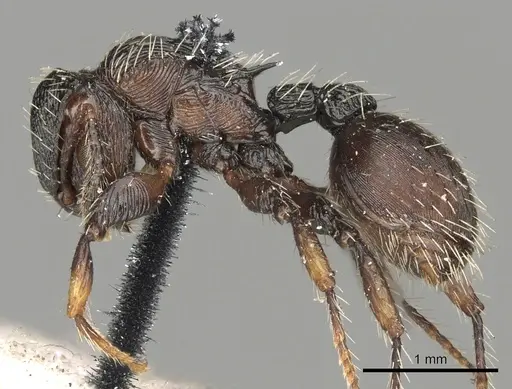
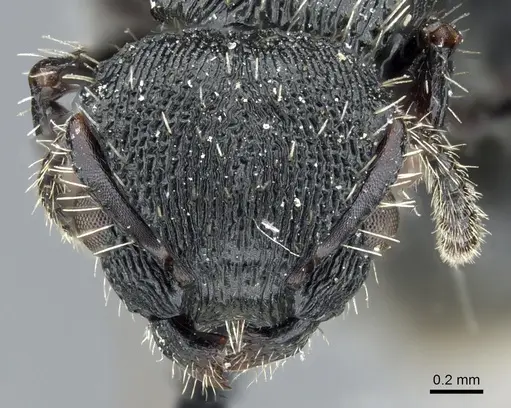
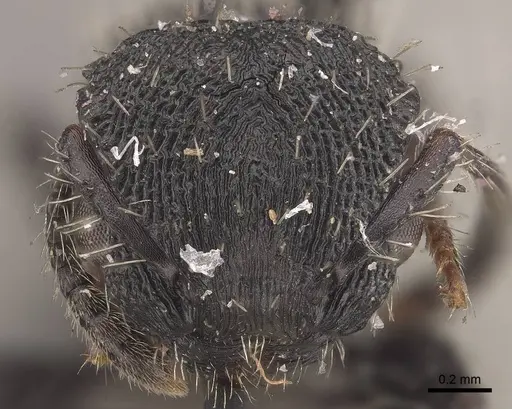
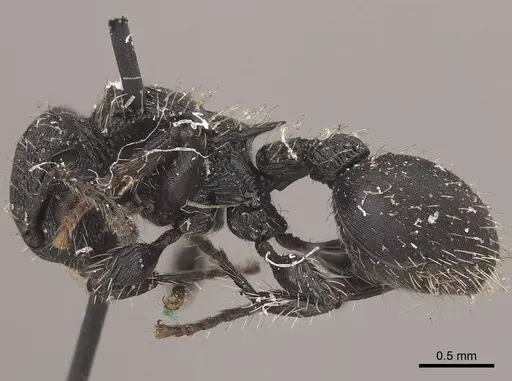
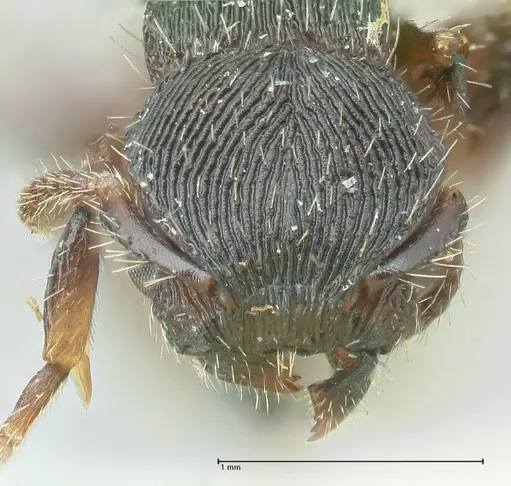
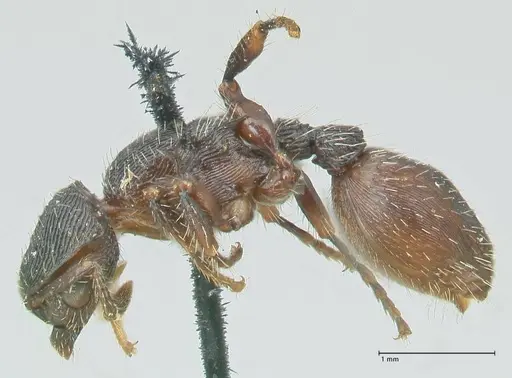
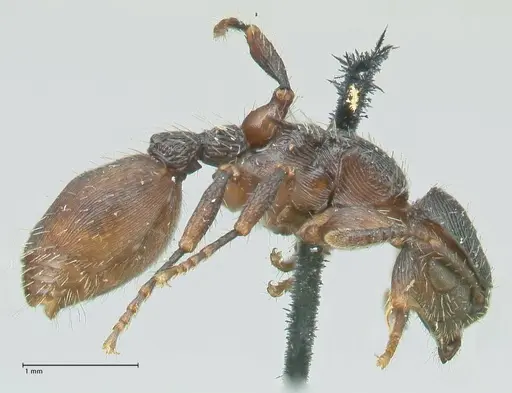
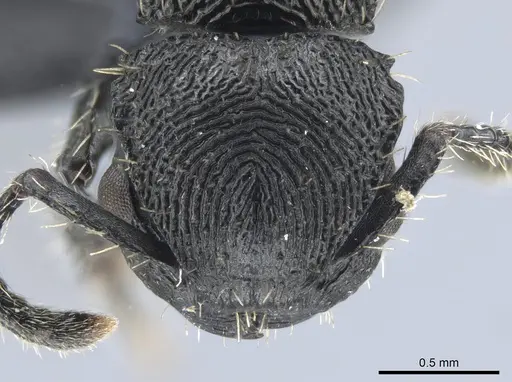
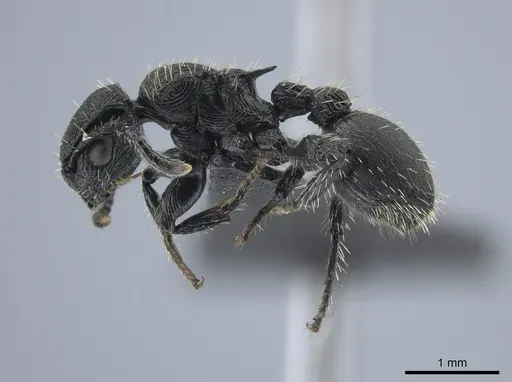
Procryptocerus convergens is a small myrmicine ant native to the Neotropical region of Brazil and Venezuela . It is primarily arboreal and extremely rare, making up only 0.02% of ant samples in some studies . Workers are slow-moving and forage in the canopy layer . This species has a unique nesting biology, nesting inside the infructescences of bromeliad plants, specifically Vriesea friburgensis .
Quick Summary
- Difficulty: Expert
- Origin & Habitat: Native to Brazil and Venezuela, inhabiting Atlantic Forest environments where it nests in bromeliads [1][4].
- Colony Type: Unconfirmed, no specific data on queen number or social structure.
- Size & Growth:
- Queen: Size data unavailable.
- Worker: Size data unavailable.
- Colony: Unknown, likely small colonies given rarity [2][3].
- Growth: Unknown.
- Development: Unknown, no direct studies. Based on Attini patterns, estimate 6-10 weeks at optimal temperature. (Development timeline has not been directly studied.)
- Antkeeping:
- Temperature: Keep at 22-26°C, inferred from Atlantic Forest habitat. Avoid temperatures below 18°C or above 30°C.
- Humidity: High humidity is essential, as they nest in bromeliad tanks [1]. Keep nest substrate consistently moist but not waterlogged.
- Diapause: No, tropical species, unlikely to require hibernation [1].
- Nesting: Arboreal nesting in bromeliad-like structures [1]. Provide vertical, enclosed spaces with tight chambers.
- Behavior: Slow-moving and docile, not aggressive [3]. Workers are small and can escape through gaps, so ensure escape-proof housing.
- Common Issues: this species is extremely rare and has specific arboreal nesting requirements that are difficult to replicate., high humidity can lead to mold if ventilation is inadequate., slow colony growth may lead to keeper errors., arboreal lifestyle may not adapt well to ground-based setups., wild-caught colonies may fail to establish due to stress.
Nest Preferences and Housing
Procryptocerus convergens nests exclusively in bromeliad infructescences [1]. In captivity, provide vertical, enclosed spaces that mimic bromeliad stems. Use Y-tong nests with small chambers or naturalistic setups. Ensure escape-proof housing due to small size [3].
Feeding and Diet
Diet is unconfirmed. Based on Attini patterns, they may accept small live insects, sugar sources, and plant material. Offer varied diet and remove uneaten food to prevent mold.
Temperature and Humidity Requirements
Keep temperature at 22-26°C, inferred from habitat [1]. Humidity must be high, as they nest in bromeliad tanks [1]. Keep nest substrate moist.
Behavior and Colony Dynamics
Workers are slow-moving and docile [3]. Colony structure is unconfirmed, but likely small due to rarity [2].
Acquisition and Ethical Considerations
This species is rare and should be acquired from reputable breeders. Do not release in non-native areas.
Frequently Asked Questions
How long does it take for Procryptocerus convergens to produce first workers?
Unknown, no direct studies on development timeline for this species.
Can I keep Procryptocerus convergens in a test tube setup?
A standard test tube setup is not ideal. They need vertical, enclosed spaces [1].
What do Procryptocerus convergens eat?
Based on related Attini species, they likely eat small insects and sugar sources.
Are Procryptocerus convergens good for beginners?
No, this is an expert-level species due to specific requirements and rarity [2].
Do Procryptocerus convergens need hibernation?
Probably not, as a tropical species [1].
How big do Procryptocerus convergens colonies get?
Colony size is unknown, but likely small due to rarity [2].
Why are my Procryptocerus convergens dying?
Common causes include low humidity, incorrect temperature, improper nesting setup, or stress. Review your humidity and temperature [1].
Can I keep multiple Procryptocerus convergens queens together?
Colony structure is unconfirmed, so not recommended.
When should I move Procryptocerus convergens to a formicarium?
Wait until the colony is established, and provide vertical space with small chambers [1].
Report an Issue
The current care sheet is based fully on literature. See inconsistencies, or something that's incorrect? Please , it will be resolved after review from an admin. Contributing to the blogs tab also helps providing information, to make us be able to further improve the caresheets. Thank you for your support!
References

This caresheet is licensed under CC BY-SA 4.0 .
Community Blogs
ANTWEB1047386
View on AntWeb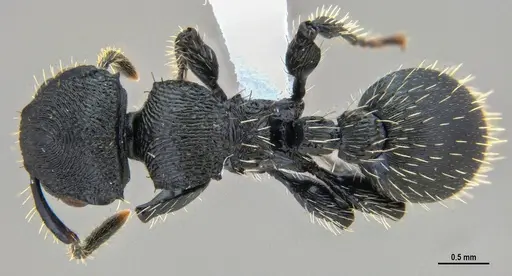
CASENT0178628
View on AntWeb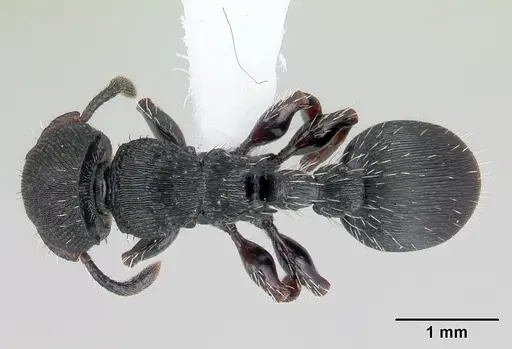
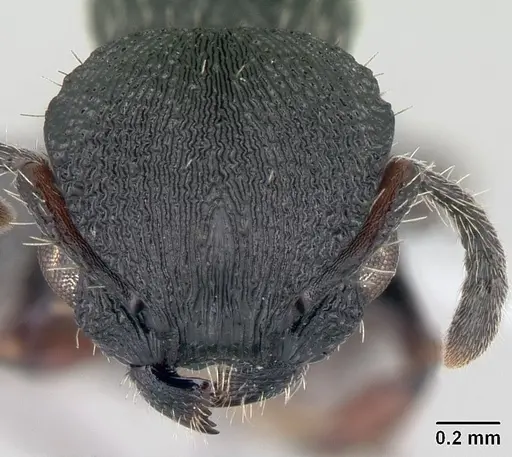
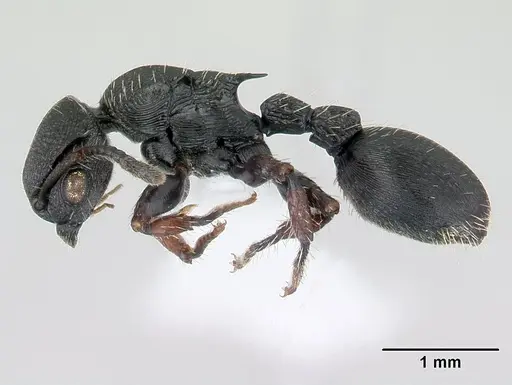
CASENT0900228
View on AntWeb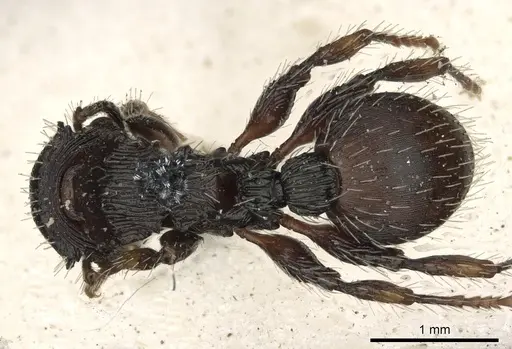
CASENT0904889
View on AntWeb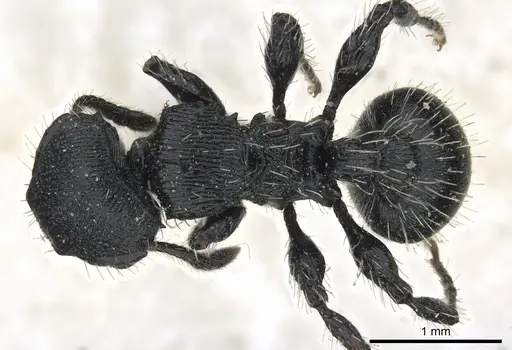
CASENT0909253
View on AntWeb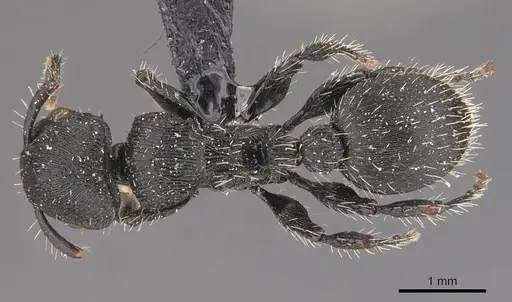
CASENT0919591
View on AntWeb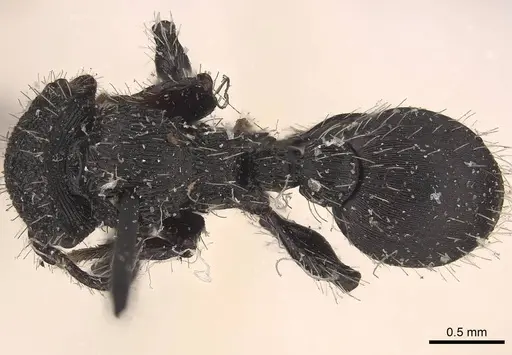
FOCOL2116
View on AntWeb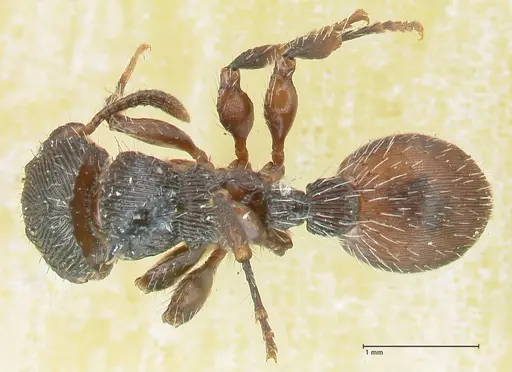
UFV-LABECOL-000638
View on AntWeb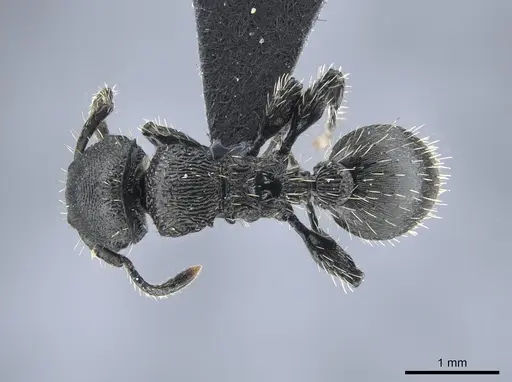
Literature
Loading distribution map...Loading products...