
Procryptocerus adlerzi
- Sci. Name
- Procryptocerus adlerzi
- Tribe
- Attini
- Subfamily
- Myrmicinae
- Author
- Mayr, 1887
- Distribution
- Found in 1 countries
Introduction
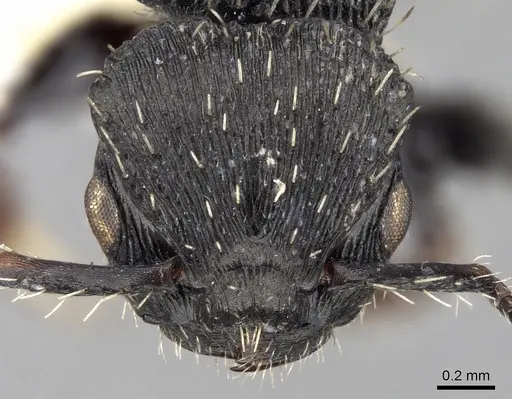
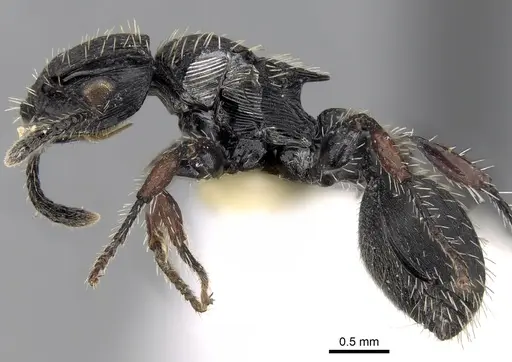
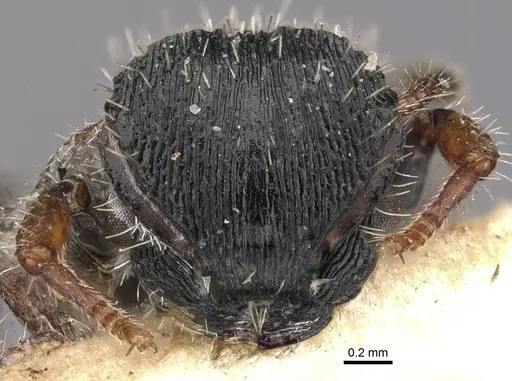
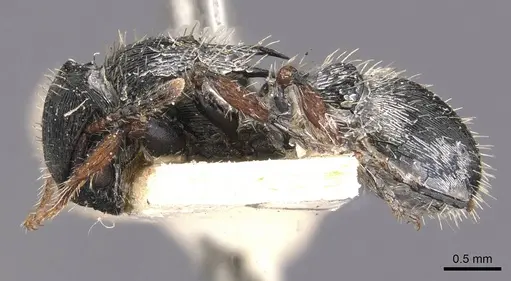
Procryptocerus adlerzi is a Neotropical ant species found in Brazil and Ecuador, inhabiting leaf litter in Atlantic Forest and secondary forests . Workers are small, with size data unavailable from research, but inferred from the Procryptocerus genus to be approximately 4-6 mm. The species has distinctive morphological features including a striate frons and costate mesosoma .
Quick Summary
- Difficulty: Unknown, very limited husbandry data available
- Origin & Habitat: Neotropical region, Brazil and Ecuador. Found in Atlantic Forest leaf litter and secondary forest environments at elevations of 128-256m [2]. Recorded in southern Brazilian cities including Campo Erê, Concórdia, Pinhalzinho, Seara, and Xanxerê [1].
- Colony Type: Unconfirmed colony structure. No specific data for Procryptocerus adlerzi, but the tribe Attini includes both monogyne and polygyne species.
- Size & Growth:
- Queen: Size data unavailable, inferred from Procryptocerus genus to be approximately 7 mm
- Worker: Size data unavailable, inferred from Procryptocerus genus to be approximately 4-6 mm
- Colony: Unknown, no colony size data available
- Growth: Unknown
- Development: Unknown, no direct measurements exist. Based on typical Attini patterns, estimate 6-10 weeks at optimal temperature, but this is highly speculative. (No published development data exists for this species.)
- Antkeeping:
- Temperature: Unconfirmed. Based on Neotropical forest habitat, likely prefer warm, stable conditions. Start around 24-26°C and observe colony activity for guidance.
- Humidity: Unconfirmed. Neotropical forest species typically require moderate humidity. Keep the nest substrate consistently moist but not waterlogged.
- Diapause: Unknown for this species. Tropical ants from Brazil may not require formal hibernation but may reduce activity during cooler periods.
- Nesting: In nature, they inhabit leaf litter and likely nest in rotting wood or under debris [3]. In captivity, a naturalistic setup with moist substrate or a Y-tong/plaster nest with good humidity retention would be appropriate.
- Behavior: Behavior is poorly documented. As with other Procryptocerus species, they are likely relatively docile and non-aggressive. As a member of Myrmicinae, they have a sting for defense, but it is not medically significant to humans. Their small size means standard escape prevention measures should be used, such as tight-fitting lids and fine mesh.
- Common Issues: lack of species-specific care data may lead to improper husbandry., wild-caught colonies may carry parasites or have adaptation issues., temperature stability is critical for tropical species, avoid cold drafts., small size and cryptic behavior can make it difficult to monitor colony health.
Species Overview and Identification
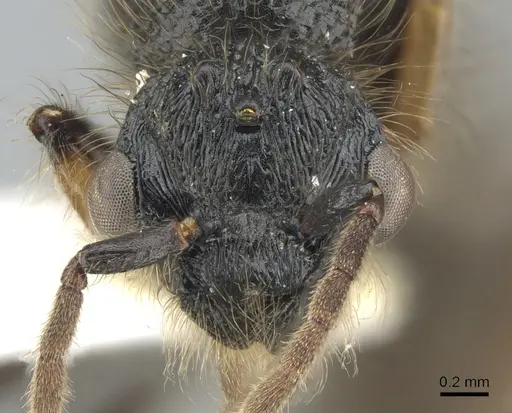
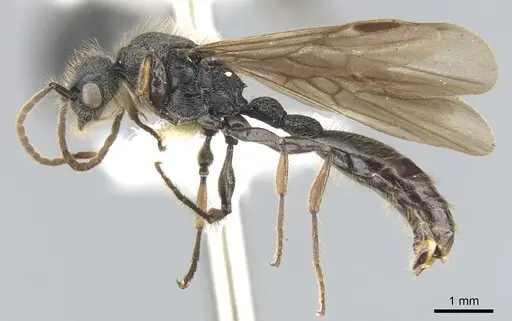
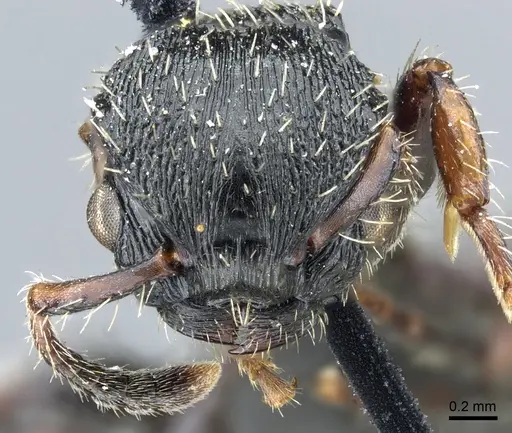
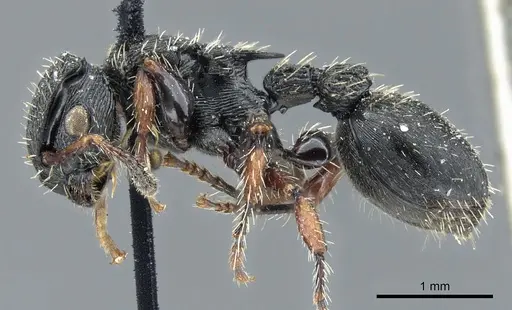
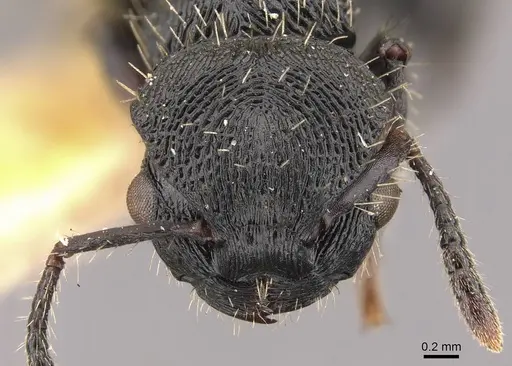
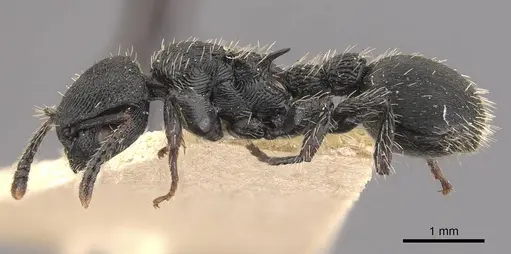
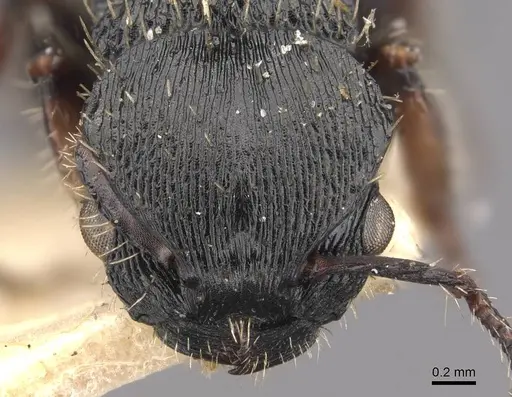
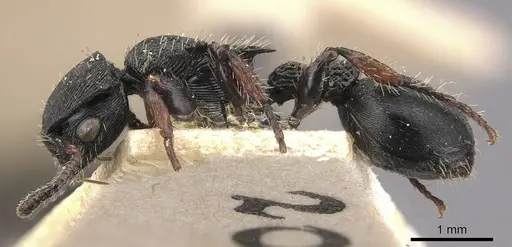
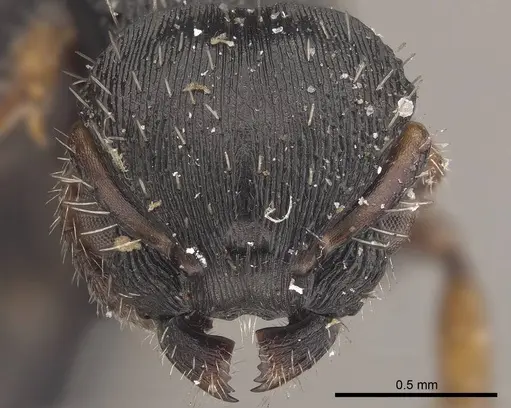
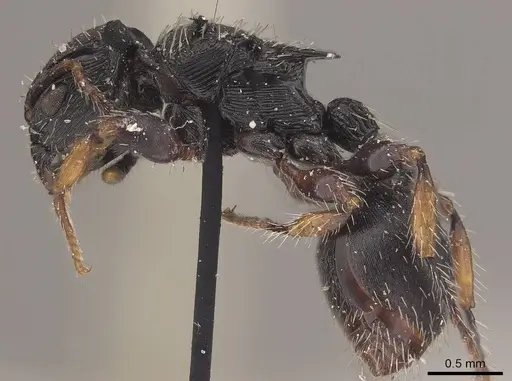
Procryptocerus adlerzi is a Neotropical ant species belonging to the tribe Attini within the subfamily Myrmicinae. Originally described by Mayr in 1887 as Procryptocerus adlerzi, it was later transferred to the genus Procryptocerus and was previously considered a subspecies of Procryptocerus striatus before being recognized as a distinct species [3]. Workers are small, with size data unavailable from research, but inferred from the Procryptocerus genus to be approximately 4-6 mm. They possess distinctive morphological features including a striate frons, costate mesosoma, and a striate-costate third metasomal tergite. The frontovertexal margin is distinct throughout, forming a fastigium, and the vertex is flat with strigate sculpturing [4].
Natural Distribution and Habitat
This species is found in the Neotropical region, specifically in Brazil and Ecuador. In Brazil, specimens have been recorded in multiple locations across the southern states, including Campo Erê, Concórdia, Pinhalzinho, Seara, and Xanxerê in Santa Catarina region [1]. Studies in Minas Gerais recorded the species in Cocais forest at elevations of 128m and 256m [2]. The species appears to inhabit the leaf litter layer of Atlantic Forest and secondary forest environments, typical of litter-dwelling ant species [3].
Housing and Nesting in Captivity
Since no established husbandry guidelines exist for this species, recommendations must be based on typical Neotropical litter-dwelling ant behavior and genus-level knowledge. These ants would likely thrive in a naturalistic setup that mimics their natural leaf litter habitat. A terrarium-style formicarium with a deep layer of moist substrate (a mix of soil and rotting wood fragments) would provide appropriate conditions. Alternatively, a Y-tong or plaster nest with good humidity retention could work, provided moisture levels are maintained consistently. The nest should have narrow chambers scaled to their small size. Given their tropical origin, avoid temperatures below 20°C and maintain stable warmth. [3]
Feeding and Diet
The specific diet of Procryptocerus adlerzi has not been documented in scientific literature. As members of the tribe Attini, they may have omnivorous tendencies similar to other Myrmicinae ants in the region, likely consuming small insects, honeydew, and potentially fungus fragments. In captivity, offer a varied diet including small live prey (fruit flies, pinhead crickets, small mealworms), sugar sources (honey water, sugar water), and possibly protein-rich foods. Start with small offerings and observe acceptance.
Temperature and Seasonal Care
As a Neotropical species from southeastern Brazil, Procryptocerus adlerzi likely originates from a region with relatively stable temperatures year-round. While formal diapause (hibernation) is unlikely to be required, the species may reduce activity during cooler periods. Maintain temperatures in the range of 24-26°C as a starting point and observe colony behavior. If workers become lethargic or cluster together, consider slight temperature increases. Avoid cold drafts and sudden temperature fluctuations.
Challenges and Experimental Care
Procryptocerus adlerzi represents a species with virtually no established captive husbandry information. This makes it a challenging species to keep successfully, as all recommendations must be considered experimental. The primary challenges include lack of baseline data on acceptable temperature and humidity ranges, unknown colony structure and founding behavior, and no documented diet preferences. Keepers interested in this species should be prepared for an experimental approach, carefully documenting their observations to contribute to the collective knowledge.
Frequently Asked Questions
How difficult is Procryptocerus adlerzi to keep?
Difficulty level is effectively unknown due to the lack of published husbandry data. This species should be considered experimental for captive keeping, no established care guidelines exist. Only experienced antkeepers willing to document their observations should attempt this species.
What do Procryptocerus adlerzi ants eat?
Specific diet is unconfirmed. Based on typical Attini tribe behavior, they likely accept small live prey (fruit flies, small insects), sugar sources (honey water), and possibly protein-rich foods. Start with varied offerings and observe acceptance patterns.
What temperature do Procryptocerus adlerzi ants need?
Temperature requirements are unconfirmed. Based on their Neotropical forest habitat in Brazil, likely prefer warm conditions around 24-26°C. Start in this range and adjust based on colony activity.
How big do Procryptocerus adlerzi colonies get?
Colony size is unknown, no published colony size data exists for this species.
Can I keep multiple Procryptocerus adlerzi queens together?
Colony structure (monogyne vs polygyne) is unconfirmed for this species. No data exists on whether multiple queens can be kept together or how they establish colonies.
How long does it take for Procryptocerus adlerzi to develop from egg to worker?
Development timeline is unknown, no direct measurements exist. Based on typical Attini patterns, estimate 6-10 weeks at optimal temperature, but this is highly speculative.
Do Procryptocerus adlerzi need hibernation?
Diapause requirements are unknown. As a tropical species from Brazil, formal hibernation is unlikely required, but activity may reduce during cooler periods.
What size nest should I use for Procryptocerus adlerzi?
Use chambers and passages scaled to their small size (inferred approximately 4-6 mm for workers). A naturalistic setup with moist substrate or a Y-tong/plaster nest with good humidity retention would be appropriate.
Where can I get Procryptocerus adlerzi ants?
This is a rarely collected species with limited distribution in Brazil and Ecuador. It is unlikely to be available through commercial ant keepers. Any colonies would need to be wild-caught in their native range, which carries legal and ethical considerations.
Report an Issue
The current care sheet is based fully on literature. See inconsistencies, or something that's incorrect? Please , it will be resolved after review from an admin. Contributing to the blogs tab also helps providing information, to make us be able to further improve the caresheets. Thank you for your support!
References

This caresheet is licensed under CC BY-SA 4.0 .
Community Blogs
CASENT0280787
View on AntWeb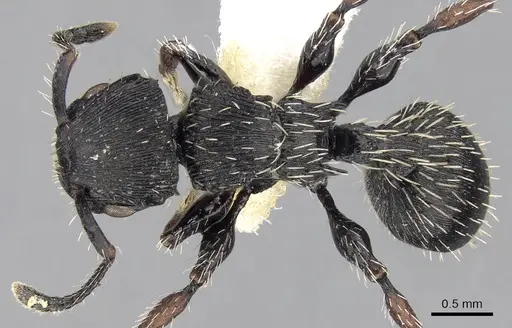
CASENT0903654
View on AntWeb
CASENT0904892
View on AntWeb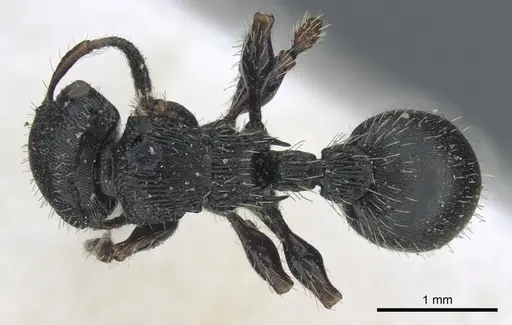
CASENT0909254
View on AntWeb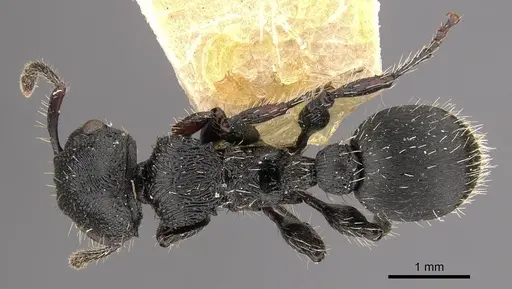
CASENT0909255
View on AntWeb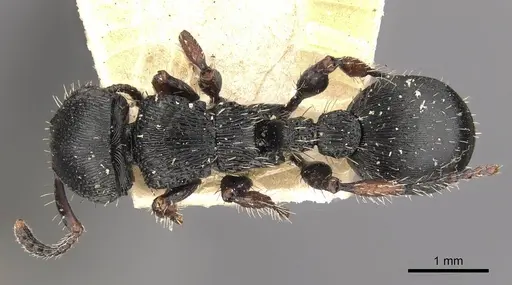
CASENT0909256
View on AntWeb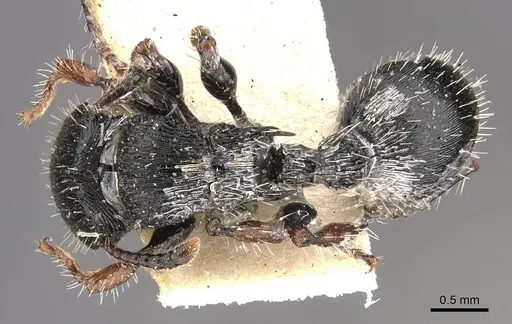
CASENT0919589
View on AntWeb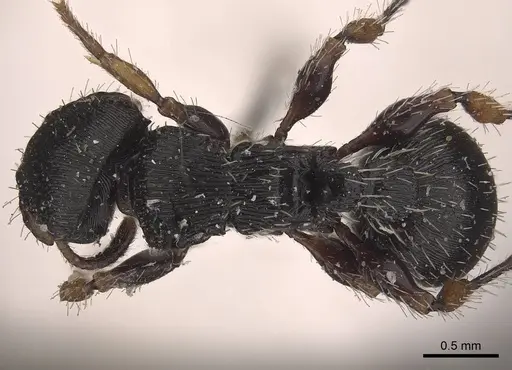
Literature
Loading distribution map...Loading products...