
Proceratium zhaoi
- Sci. Name
- Proceratium zhaoi
- Tribe
- Proceratiini
- Subfamily
- Proceratiinae
- Author
- Xu, 2000
- Distribution
- Found in 1 countries
Introduction
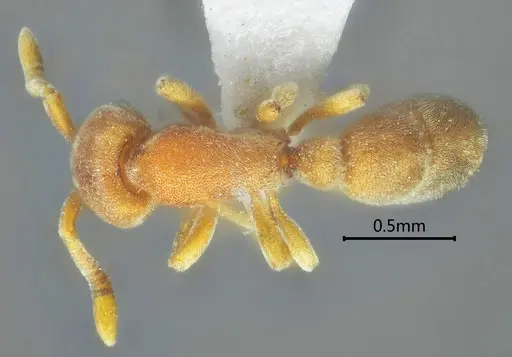
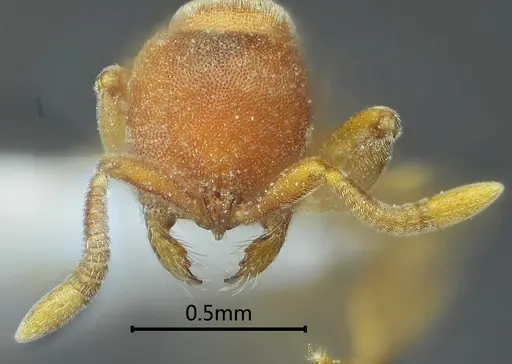
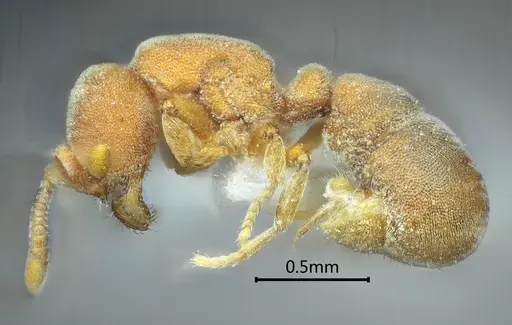
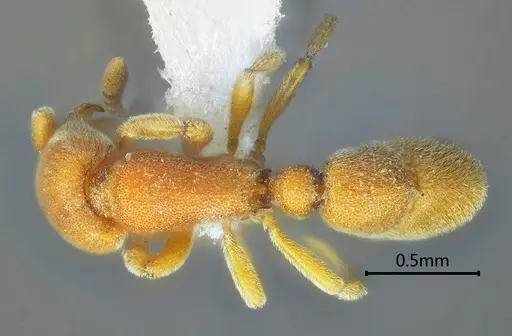
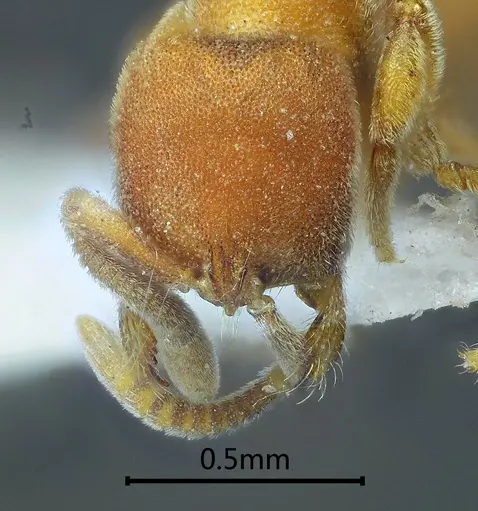
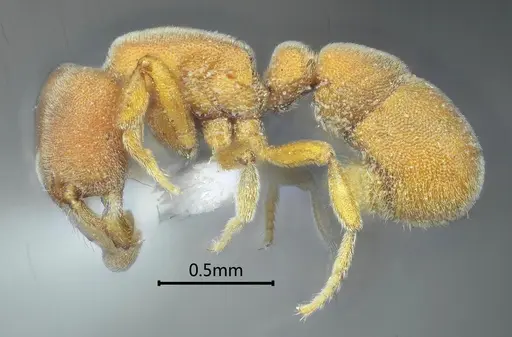
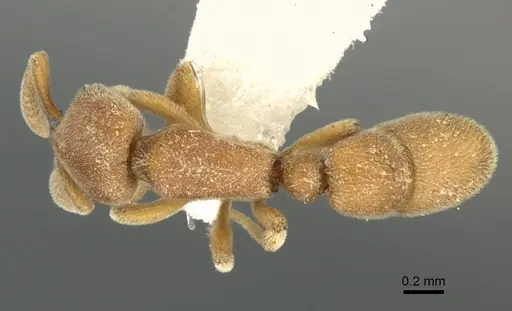
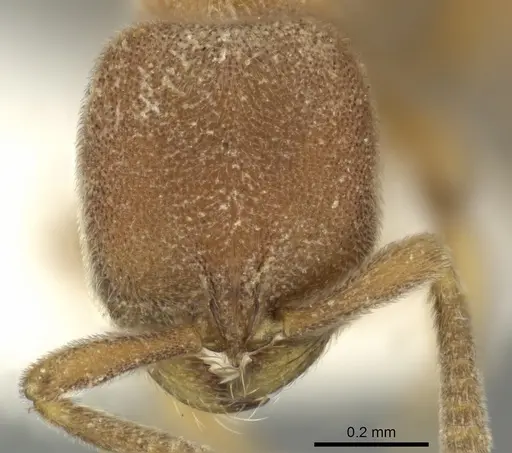
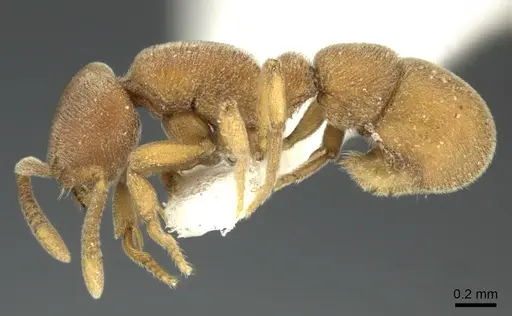
Proceratium zhaoi is a subterranean ant species native to Yunnan Province, China. Workers measure 2.0-2.8 mm , and queens measure 3.0-3.3 mm . They have a nearly rectangular head, minute eyes with only one facet, and short legs, confirming their underground lifestyle . Their body is brown with dense fine punctures and lacks erect hairs on the dorsal surface, a trait shared with only one other species in the Oriental region . This species is the smallest member of the Proceratium itoi clade and is only known from two locations in Yunnan at elevations of 1280-1500 meters .
Quick Summary
- Difficulty: Expert
- Origin & Habitat: Endemic to Yunnan Province, China, found in temperate deciduous broad-leaved forest and Pinus yunnanensis forest at 1280-1500 m elevation [1][3][2].
- Colony Type: Single-queen colonies (monogyne). The type colony contained 45 workers [1].
- Size & Growth:
- Antkeeping:
- Temperature: Keep at room temperature, roughly 20-24°C, as inferred from their temperate forest habitat [1][3].
- Humidity: Keep nest substrate consistently moist but not waterlogged, as they are soil-dwelling [1].
- Diapause: Unknown, no data on diapause requirements [1]. Based on genus patterns, a winter rest might be beneficial, but this is not confirmed.
- Nesting: Purely subterranean species. Use test tube setups with moist substrate or naturalistic soil chambers. Y-tong (AAC), plaster, or 3D-printed nests with small chambers work well [1].
- Behavior: Workers are reclusive and subterranean, rarely coming to the surface. They are slow-moving and predatory, hunting micro-arthropods in soil. Due to their tiny size, escape prevention is critical. They are not aggressive and will retreat when disturbed [1][2].
- Common Issues: tiny size makes escape prevention challenging, use fine mesh and tight-fitting barriers., slow growth and small colony sizes mean colonies develop very gradually., limited availability, this species is rarely collected or available in the antkeeping hobby., high humidity requirements can lead to mold if ventilation is poor., subterranean lifestyle means you will rarely see the ants, this can be disappointing for keepers expecting visible activity.
Housing and Nest Setup
Proceratium zhaoi requires specialized housing that mimics their natural subterranean habitat. These ants are strictly hypogeic (ground-dwelling) and will not thrive in open formicarium setups where they can see daylight. The best approach is a test tube setup with moist cotton, or a small naturalistic terrarium with several inches of soil substrate. Because they are extremely small (workers only 2.0-2.8 mm), any setup must have very small chambers and passages. Use Y-tong (AAC), plaster, or 3D-printed nests with miniature chambers. Keep the nest completely dark, these ants avoid light and will stay in covered chambers. The outworld should be minimal and any foraging area should be kept dim. Use excellent escape prevention: their tiny size allows them to squeeze through gaps that would stop larger ants [1].
Feeding and Diet
Proceratium zhaoi is predatory like other Proceratium species, hunting small soil micro-arthropods. In captivity, offer small live prey such as springtails, tiny isopods, and micro-arthropods. They are unlikely to accept larger prey items due to their minute size. Sugar sources may be accepted but are not a primary food source, their diet in the wild consists mainly of small invertebrates. Feed small prey items every 5-7 days and remove uneaten prey to prevent mold. Because they are subterranean, they will not forage openly, prey must be placed near their nest chambers [2][1].
Temperature and Seasonal Care
This species comes from temperate forests in Yunnan Province at elevations of 1280-1500 meters, where temperatures are moderate year-round. Keep the nest at room temperature, roughly 20-24°C, as inferred from their natural forest floor environment. Avoid temperatures above 28°C as they are not adapted to tropical heat. Diapause requirements are unknown, but based on genus patterns, a winter rest might be beneficial [1][3].
Understanding Their Rarity
Proceratium zhaoi is a rare ant in the Proceratium genus. It is only known from two locations in all of Yunnan Province, making wild collection uncommon. The species was formally described in 2000,and there is very little research on its biology in the wild. The type colony had just 45 workers, suggesting naturally small colony sizes. Their completely subterranean lifestyle means they are rarely encountered even by researchers [1][3].
Frequently Asked Questions
How long does it take for Proceratium zhaoi to produce first workers?
Exact timing is unknown, as no specific data is available [1]. Development may be slow due to their subterranean lifestyle.
Can I keep Proceratium zhaoi in a standard formicarium?
No, this species requires dark, enclosed spaces and should be kept in test tubes or nests with small chambers. They are strictly subterranean and will not thrive in open setups with visible foraging areas [1].
Do Proceratium zhaoi ants sting?
Yes, they have a visible stinger, but due to their extremely small size (workers only 2.0-2.8 mm), they are unlikely to penetrate human skin. They are not aggressive and will retreat rather than attack [2].
What do Proceratium zhaoi eat?
They are predatory on small soil micro-arthropods. In captivity, feed small live prey like springtails, tiny isopods, and other micro-arthropods [2].
Are Proceratium zhaoi good for beginners?
No, this is an expert-level species. They are rare, require specialized high-humidity subterranean housing, have slow growth, and you will rarely see the ants due to their underground lifestyle [1].
Do Proceratium zhaoi need hibernation?
Diapause requirements are unknown [1]. Based on genus patterns, a winter rest might be beneficial, but this is not confirmed.
How big do Proceratium zhaoi colonies get?
The type colony had 45 workers. Maximum colony size in the wild is unknown [1].
Why are Proceratium zhaoi so hard to find?
They are strictly subterranean (hypogeic) and live their entire lives underground in soil. Their short legs confirm they never come to the surface. They are only known from two locations in all of Yunnan Province [1].
Can I keep multiple queens together?
No, this species is monogyne (single-queen). The type colony and research confirm single-queen colony structure [1].
When should I move them to a formicarium?
Keep them in a test tube setup as long as possible. Only consider moving to a naturalistic setup once the colony reaches 20+ workers and the test tube becomes crowded. They prefer dark, enclosed spaces so any transition should maintain these conditions [1].
Report an Issue
The current care sheet is based fully on literature. See inconsistencies, or something that's incorrect? Please , it will be resolved after review from an admin. Contributing to the blogs tab also helps providing information, to make us be able to further improve the caresheets. Thank you for your support!
References

This caresheet is licensed under CC BY-SA 4.0 .
Community Blogs
Literature
Loading distribution map...Loading products...