
Proceratium politum
- Sci. Name
- Proceratium politum
- Tribe
- Proceratiini
- Subfamily
- Proceratiinae
- Author
- de Andrade, 2003
- Distribution
- Found in 1 countries
Introduction
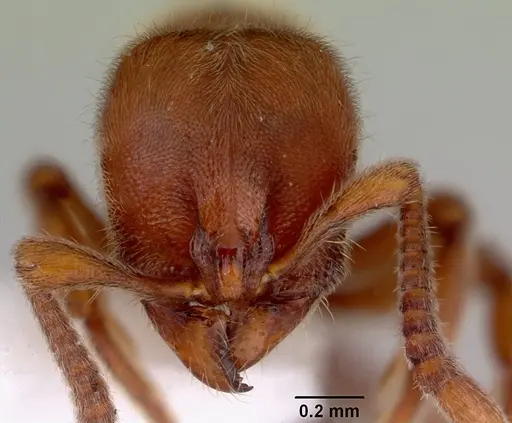
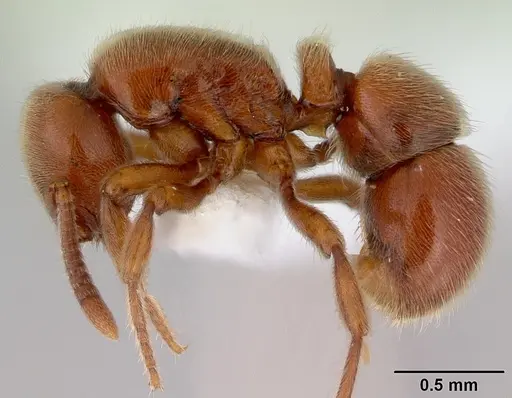
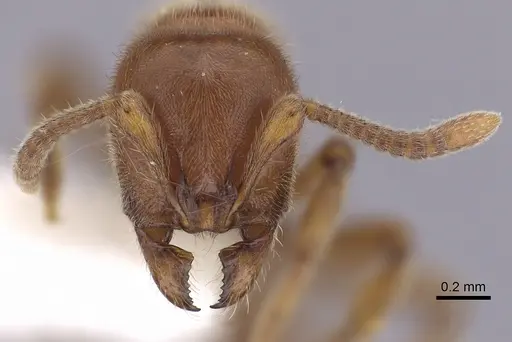
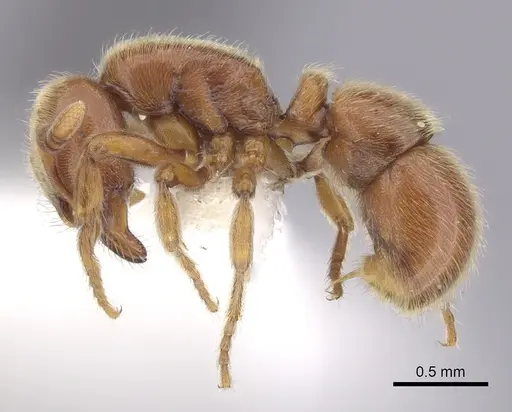
Proceratium politum is a rare ant species endemic to New Caledonia in the South Pacific. Workers are tiny, with a total length of 3.16-3.47 mm, a smooth shiny orange-brown body, and very broad frontal carinae . This species belongs to the Proceratiinae subfamily and is one of only two Proceratium species recorded from New Caledonia, the other being Proceratium caledonicum . It was described in 2003 and found in disturbed rainforest beside streams at around 350 meters elevation . The most notable trait is its cryptic, subterranean lifestyle, where workers hunt small arthropods in soil and leaf litter, avoiding light entirely .
Quick Summary
- Difficulty: Expert
- Origin & Habitat: New Caledonia (Australasian Region), found in disturbed rainforest beside streams at 350m elevation [2][1]
- Colony Type: Unconfirmed, no specific data on colony structure for Proceratium politum
- Size & Growth:
- Queen: Size data unavailable, no total length measurements for queens in research
- Worker: 3.16-3.47 mm total length [1]
- Colony: Unknown, inferred from Proceratium genus patterns to be small, likely under 100 workers [1]
- Growth: Slow, inferred from genus patterns for cryptic ants
- Development: Unconfirmed, based on related species, likely several months under optimal conditions [1] (Development timeline has not been studied directly, expect slow growth typical of subterranean ants.)
- Antkeeping:
- Temperature: Unconfirmed, based on tropical habitat, aim for 22-26°C as a starting point
- Humidity: Keep substrate consistently moist but not waterlogged, based on streamside habitat [1][2]
- Diapause: Unknown, tropical species from New Caledonia, no hibernation data [2]
- Nesting: Naturalistic setup with moist soil or peat substrate preferred, based on subterranean habits [1]
- Behavior: Proceratium politum is cryptic and subterranean, avoiding light. Workers are slow-moving and predatory, hunting small arthropods. Escape prevention is critical due to their tiny size [1].
- Common Issues: very small size means escapes are likely without fine mesh barriers [1], cryptic nature means colonies can appear inactive, do not disturb frequently [1], predatory diet requires live prey, sugar sources are typically not accepted, slow growth can lead to overfeeding by impatient keepers, wild-caught colonies may have parasites that are difficult to treat
Housing and Nest Setup
Set up a naturalistic terrarium with moist soil or peat substrate to mimic their subterranean habitat. Fill a container with several inches of damp substrate and add rotting wood or leaf litter for hunting grounds [1]. Alternatively, use a Y-tong nest with small, tight chambers appropriate for tiny workers [1]. Keep the nest dark and undisturbed, these ants avoid light and stress easily [1]. Attach a water tube for humidity maintenance. Because workers are under 4 mm, use fine mesh on all ventilation and ensure tight connections to prevent escapes [1]. Avoid test tubes for long-term housing as they need space to forage in substrate.
Feeding and Diet
Proceratium politum is predatory, like other Proceratium species. Offer small live prey such as springtails as a staple food, at least twice weekly. They may also accept booklice, psocids, or small mites. Remove uneaten prey after 24-48 hours to prevent mold. Sugar sources like honey are typically not accepted, they are obligate predators. Feed conservatively to avoid overfeeding, which can cause mold problems.
Temperature and Humidity
As a tropical species from New Caledonia, aim for temperatures around 22-26°C, with a gentle gradient if possible. Humidity should be high, keep the substrate moist but not waterlogged, based on their streamside habitat [1][2]. A water tube connected to the nest helps maintain humidity through evaporation. Avoid stagnant air or excessive airflow that could dry out the nest.
Behavior and Temperament
Workers are cryptic and subterranean, spending most time hunting in substrate and avoiding light [1]. They are slow-moving and not aggressive, posing no threat to keepers. Colony activity is often concentrated in evening and night hours. Escape prevention is essential due to their small size, they can squeeze through tiny gaps [1]. Do not disturb the colony frequently, as this causes stress.
Colony Growth and Development
Colonies grow very slowly, typical for the genus. The first workers may take several months to appear after founding [1]. Once established, growth remains slow, a mature colony may only reach a small size over several years. Maintain consistent conditions and avoid overfeeding to prevent mold. Patience is essential for this expert-level species.
Frequently Asked Questions
How long does it take for Proceratium politum to produce first workers?
The exact timeline is unconfirmed, but based on typical Proceratium patterns, expect several months from egg to first worker under optimal conditions [1].
Can I keep Proceratium politum in a test tube?
Test tubes are not ideal for long-term housing. These subterranean ants need substrate to hunt and forage in. Use a naturalistic setup with moist soil or a Y-tong nest with small chambers [1].
What do Proceratium politum eat?
They are predatory ants that need live small prey, such as springtails, offered at least twice weekly. Sugar sources are typically not accepted.
Are Proceratium politum good for beginners?
No, this species is rated Expert difficulty due to specific requirements, cryptic nature, and slow growth [1].
Do Proceratium politum ants sting?
Proceratium ants have a stinger but are not aggressive and pose no danger to keepers [1].
How big do Proceratium politum colonies get?
Colony size is unconfirmed, but Proceratium colonies are typically small, likely under 100 workers based on genus patterns [1].
Do Proceratium politum need hibernation?
Unknown, as a tropical species from New Caledonia, they likely do not require true hibernation [2].
Why can't I see my Proceratium politum workers?
This is normal, they are cryptic and subterranean, avoiding light and spending time hunting in substrate [1].
When should I move Proceratium politum to a formicarium?
Move to a naturalistic setup or appropriate nest once the colony is established, ensuring chambers are sized for tiny ants [1].
Can I keep multiple Proceratium politum queens together?
Not recommended, combining unrelated queens has not been documented, and Proceratium species typically form single-queen colonies.
Report an Issue
The current care sheet is based fully on literature. See inconsistencies, or something that's incorrect? Please , it will be resolved after review from an admin. Contributing to the blogs tab also helps providing information, to make us be able to further improve the caresheets. Thank you for your support!
References

This caresheet is licensed under CC BY-SA 4.0 .
Community Blogs
CASENT0172113
View on AntWeb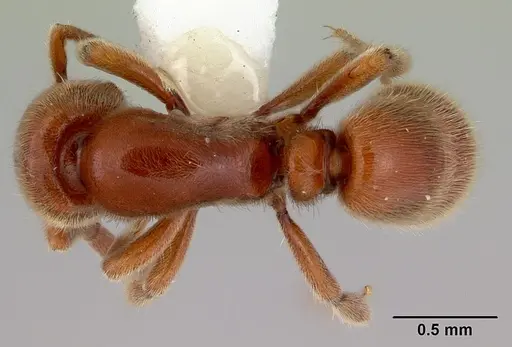
CASENT0249262
View on AntWeb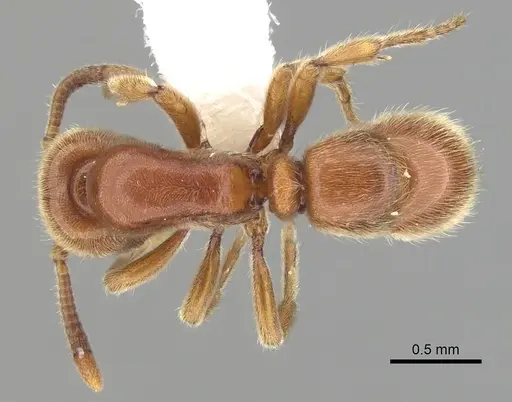
Literature
Loading distribution map...Loading products...