
Proceratium oceanicum
- Sci. Name
- Proceratium oceanicum
- Tribe
- Proceratiini
- Subfamily
- Proceratiinae
- Author
- de Andrade, 2003
- Distribution
- Found in 2 countries
Introduction
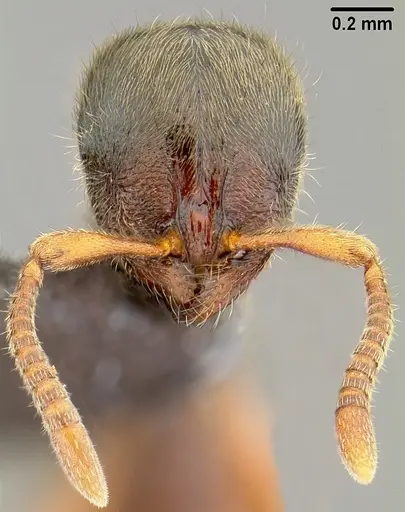
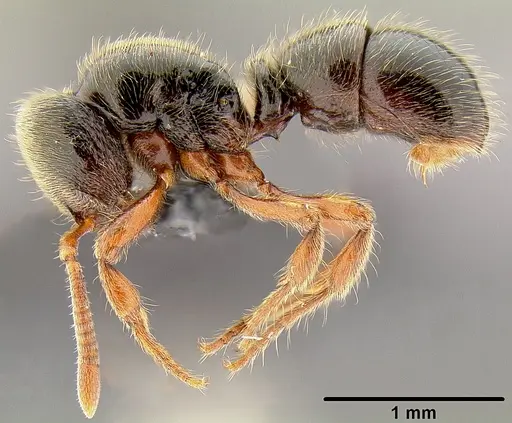
Proceratium oceanicum is an ant species endemic to Fiji, found only on Viti Levu . Workers are 3.47-3.59 mm in total length, with a dark brown body, lighter head, and a distinctive squamiform petiolar node . They nest in rainforest environments, typically in soil under grass . The most notable feature is the extremely squamiform petiolar node, which distinguishes it from other Proceratium species .
Quick Summary
- Difficulty: Expert
- Origin & Habitat: Fiji Islands (Viti Levu only), endemic species found in primary and disturbed rainforest [1][2]. Type locality is Nadarivatu, collected from soil under grass in rainforest [3].
- Colony Type: Colony structure is unconfirmed. No data on queen number or social structure for this species.
- Size & Growth:
- Queen: Size data unavailable, no dealate queen has been documented.
- Worker: 3.47-3.59 mm (total length) [3]
- Colony: Unknown, limited field collections suggest small populations [4]
- Growth: Unknown
- Development: Unconfirmed, no captive breeding data exists. Based on related Proceratium species, development may take several weeks, but this is inferred. (Development timeline is entirely unstudied for this species.)
- Antkeeping:
- Temperature: Keep at warm temperatures, roughly 24-28°C, inferred from tropical habitat [3].
- Humidity: Keep nest substrate consistently moist but not waterlogged, as they nest in rainforest soil [3].
- Diapause: No, tropical species do not require hibernation, inferred from habitat.
- Nesting: Natural nesting in soil under grass in rainforest. In captivity, use moist plaster or soil nests scaled to small size [3].
- Behavior: Workers are cryptic and slow-moving, foraging on the forest floor. They are predatory but non-aggressive, avoiding confrontation. Escape risk is moderate due to small size, use standard barriers.
- Common Issues: extremely rare in the wild and hobby, making acquisition difficult [1][2], no captive breeding data exists, so care is inferred from related species, wild-caught colonies may have health issues from collection stress, slow growth and cryptic behavior make colony observation challenging, stable tropical conditions required year-round
Why This Species Is So Challenging
Proceratium oceanicum is extremely rare in the wild and hobby, with only limited collections from Viti Levu [1][2]. There is no captive breeding history or documented care information for this species [4]. All care must be inferred from related Proceratium species, making it a true expert-level challenge for experienced keepers.
Housing and Nest Setup
These ants require a setup that mimics their natural rainforest soil environment. Use a test tube setup with moist cotton or a plaster nest with a soil chamber. The nest should have tight chambers scaled to their small size. They prefer dark, enclosed spaces and may not venture into outworlds frequently. Provide a water tube for drinking access [3].
Feeding and Diet
Proceratium ants are predatory and likely hunt small arthropods. Feed small live prey such as springtails or fruit flies. Offer prey 2-3 times per week and remove uneaten food promptly to prevent mold. Diet specifics are unstudied, so observe colony response.
Temperature and Humidity
As a tropical species, maintain warm temperatures around 24-28°C with minimal fluctuation. Humidity should be high, keep substrate moist but not waterlogged, as they nest in rainforest soil [3].
Behavior and Observation
Workers are slow-moving and secretive, spending most time hidden in the nest. They likely ambush prey rather than chase it. Colonies remain small, and observation requires patience. The squamiform petiolar node is a key identifying feature [4].
Frequently Asked Questions
Is Proceratium oceanicum available for purchase?
This is an extremely rare species endemic to Fiji, with only limited collections [1][2]. It is rarely available in the antkeeping hobby.
How difficult is Proceratium oceanicum to keep?
This is an expert-level species due to its rarity and lack of captive data. Care must be inferred from related species.
What do Proceratium oceanicum ants eat?
They are predatory and likely hunt small arthropods. Feed live prey like springtails or fruit flies, but diet specifics are unstudied.
Do Proceratium oceanicum ants need hibernation?
No, as a tropical species from Fiji, they do not require hibernation.
How big do Proceratium oceanicum colonies get?
Unknown, based on limited field data, colonies are likely small [4].
What temperature should I keep Proceratium oceanicum at?
Keep them warm at roughly 24-28°C, inferred from their tropical habitat [3].
What humidity level do Proceratium oceanicum ants need?
High humidity is essential, keep nest substrate moist but not waterlogged, as they nest in rainforest soil [3].
How long does it take for Proceratium oceanicum to develop from egg to worker?
Unconfirmed, no captive breeding data exists. Based on related species, development may take several weeks, but this is inferred.
Can I keep multiple Proceratium oceanicum queens together?
Not recommended due to lack of data on colony founding behavior. Single-queen colonies are standard for Proceratium species.
Do Proceratium oceanicum ants sting?
Proceratium ants have stingers but are not aggressive and rarely sting, posing minimal risk.
Report an Issue
The current care sheet is based fully on literature. See inconsistencies, or something that's incorrect? Please , it will be resolved after review from an admin. Contributing to the blogs tab also helps providing information, to make us be able to further improve the caresheets. Thank you for your support!
References

This caresheet is licensed under CC BY-SA 4.0 .
Community Blogs
CASENT0171053
View on AntWeb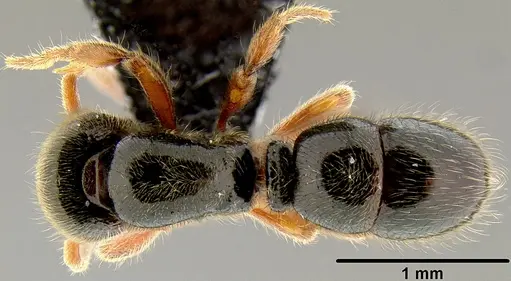
Literature
Loading distribution map...Loading products...