
Proceratium numidicum
- Sci. Name
- Proceratium numidicum
- Tribe
- Proceratiini
- Subfamily
- Proceratiinae
- Author
- Santschi, 1912
- Distribution
- Found in 2 countries
Introduction
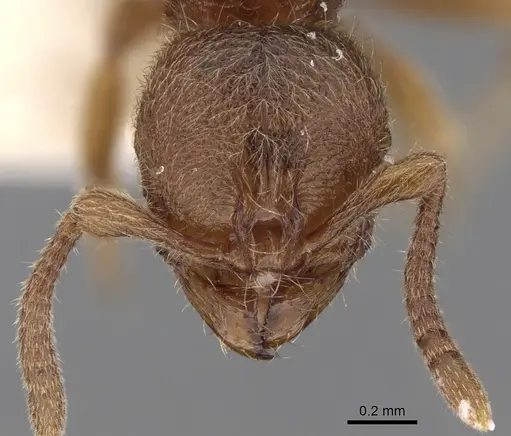
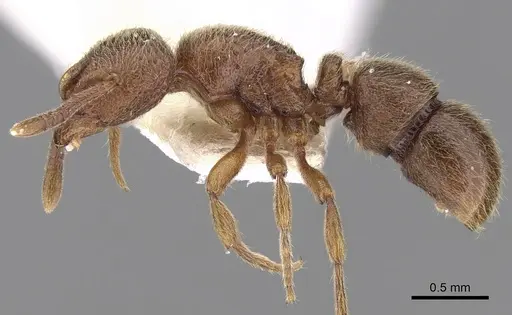
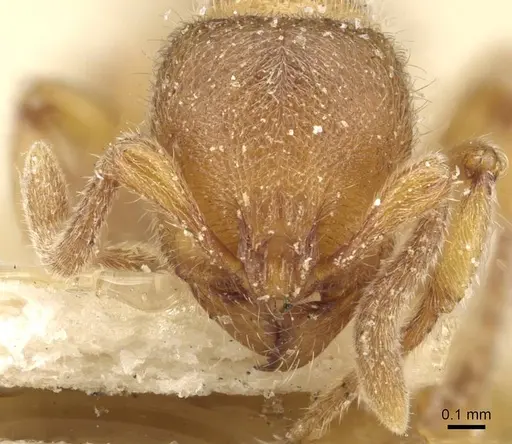
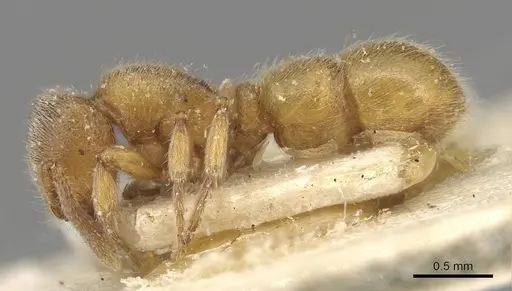
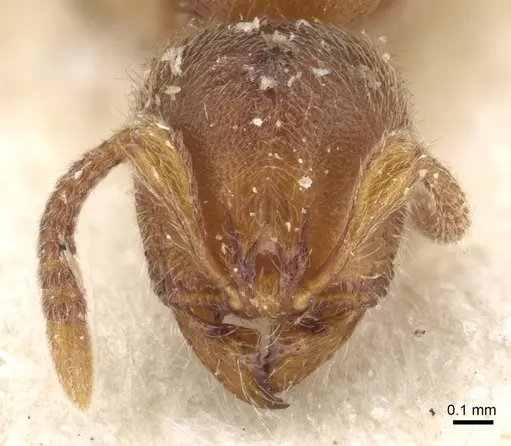
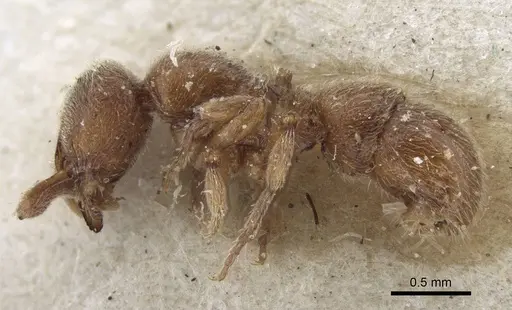
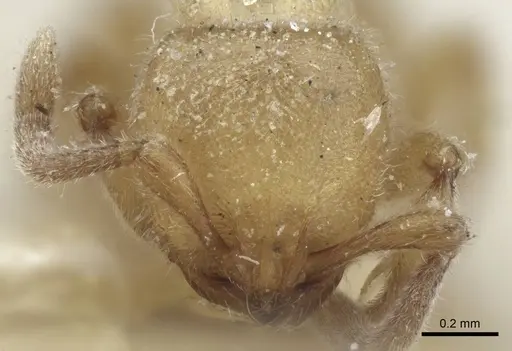
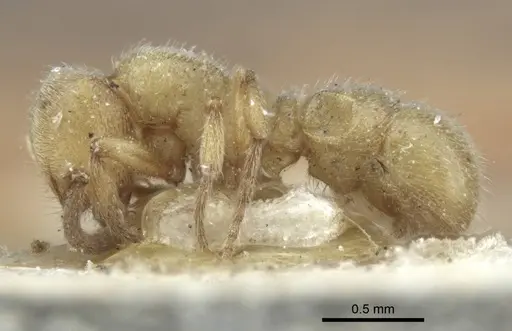
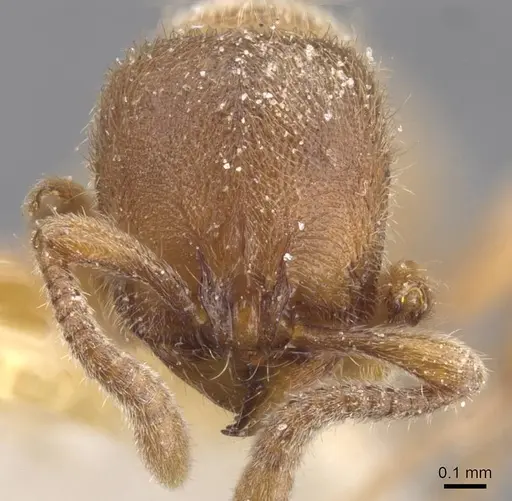
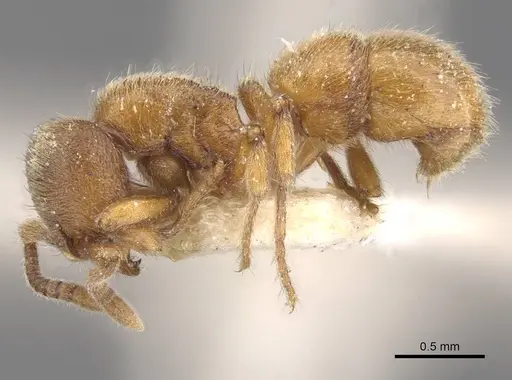
Proceratium numidicum is a tiny ant species in the subfamily Proceratiinae. Workers measure 3.03-3.29 mm total length, and queens measure 3.98-4.08 mm . They are dark ferrugineous-brown with lighter antennae and legs . This species is found in the southern and eastern Mediterranean, including Albania, Algeria, Bulgaria, Cyprus, Greece, Morocco, Tunisia, and Turkey . It has been collected using pitfall traps in Greece, suggesting it is ground-nesting . Very little is known about the biology of Proceratium numidicum. It is a rare species with a scattered distribution, and much remains to be discovered .
Quick Summary
- Difficulty: Expert
- Origin & Habitat: Southern and eastern Mediterranean region, found in Albania, Algeria, Bulgaria, Cyprus, Greece, Morocco, Tunisia, and Turkey [1][2][3]. They appear to be a tertiary relict species, suggesting stable microhabitats [2].
- Colony Type: Colony structure is unconfirmed. No data on queen number or social structure.
- Size & Growth:
- Antkeeping:
- Temperature: Unknown, no specific data. Based on Mediterranean distribution, temperatures might range from 15°C to 30°C, but this is an estimate [1].
- Humidity: Unknown, no specific data. Keep substrate moist based on general ant care, but no species-specific guidance.
- Diapause: Unknown, no data on diapause requirements.
- Nesting: Likely ground-nesting based on pitfall trap collection [1]. Prefer naturalistic setups with damp soil and minimal disturbance.
- Behavior: Extremely cryptic and rarely observed. Escape risk is high due to small size (3-4 mm), so fine mesh barriers are recommended. Temperament is unknown, but likely non-aggressive based on subfamily Proceratiinae patterns [4].
- Common Issues: lack of biological data makes captive care speculative., very small size requires excellent escape prevention., slow growth or no growth due to unknown requirements., wild-caught colonies may have parasites or fail to adapt., diet acceptance is unknown, may require live micro-prey.
Housing and Nest Setup
Proceratium numidicum has been collected using pitfall traps, suggesting it is ground-nesting [1]. For captivity, a naturalistic setup with damp soil and small chambers might be suitable. Keep the nest dark and humid, but specific requirements are unknown. Avoid large open areas, use compact setups scaled to their tiny size [4].
Feeding and Diet
No data on diet exists for this species. Proceratiinae ants are often predatory, but this is not confirmed for Proceratium numidicum. Offer small live prey like springtails, but be prepared for experimentation since acceptance is unknown [4].
Temperature and Seasonal Care
No specific temperature data exists. Maintain temperatures between 15-25°C as a starting point, but observe colony behavior and adjust based on activity [1].
Handling and Colony Maintenance
Minimize disturbance as the species is cryptic. No data on aggression, but handle with care due to small size. Monitor for mold and pests, as slow-growing colonies are vulnerable [4].
Frequently Asked Questions
How long does it take for Proceratium numidicum to produce first workers?
Unknown, no development data exists for this species [1].
Can I keep Proceratium numidicum in a test tube?
Test tubes can work for founding colonies if kept humid and dark, but specific needs are unknown [4].
What do Proceratium numidicum ants eat?
No data on diet. Offer small live prey like springtails, but acceptance is unknown [4].
Are Proceratium numidicum ants dangerous?
No data on aggression. Proceratiinae ants may use chemical defenses, but no stinger [4].
How big do Proceratium numidicum colonies get?
Unknown, no data on colony size [1].
Do Proceratium numidicum ants need hibernation?
Unknown, no data on diapause requirements [1].
Are Proceratium numidicum good for beginners?
No, this is an expert-level species due to rarity, lack of data, and small size [4].
Why are my Proceratium numidicum dying?
Common causes likely include wrong humidity, stress, or diet issues, but no specific data exists [4].
Where is Proceratium numidicum found?
Southern and eastern Mediterranean: Albania, Algeria, Bulgaria, Cyprus, Greece, Morocco, Tunisia, and Turkey [1].
Can I keep multiple queens together?
Unknown, colony structure has not been documented [1].
Report an Issue
The current care sheet is based fully on literature. See inconsistencies, or something that's incorrect? Please , it will be resolved after review from an admin. Contributing to the blogs tab also helps providing information, to make us be able to further improve the caresheets. Thank you for your support!
References

This caresheet is licensed under CC BY-SA 4.0 .
Community Blogs
CASENT0281855
View on AntWeb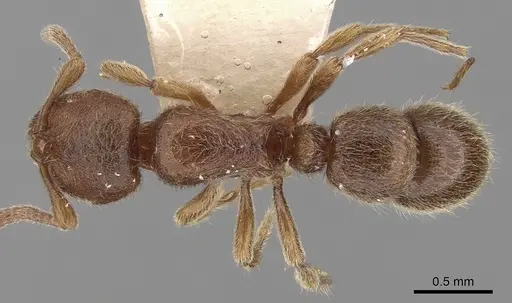
CASENT0915314
View on AntWeb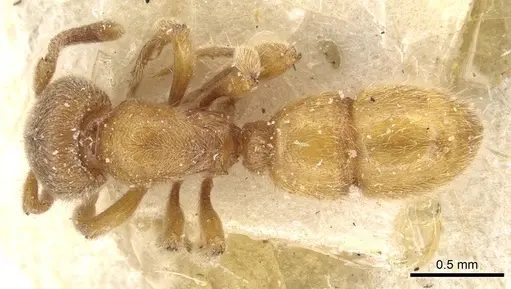
CASENT0915315
View on AntWeb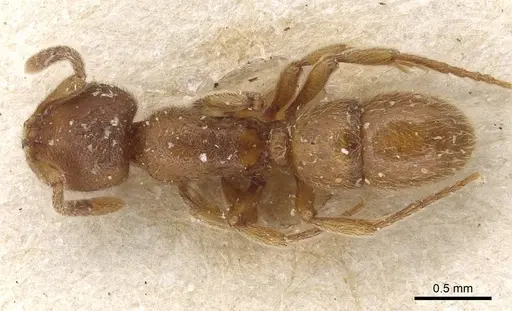
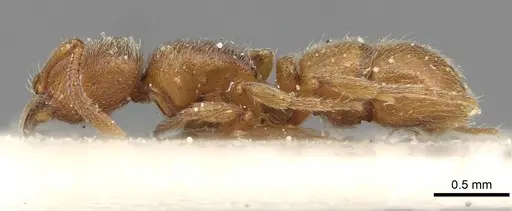
CASENT0916807
View on AntWeb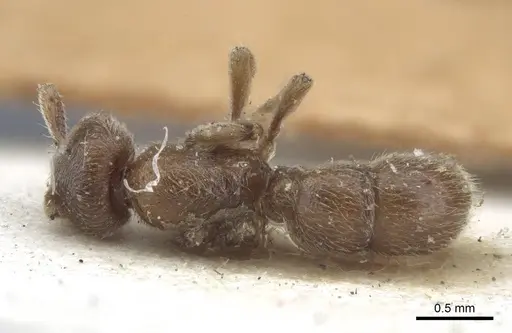
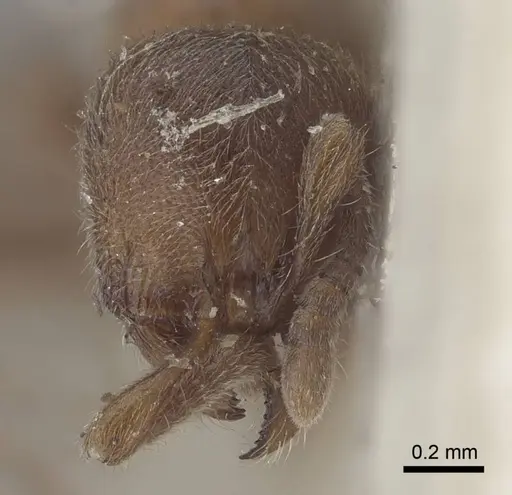
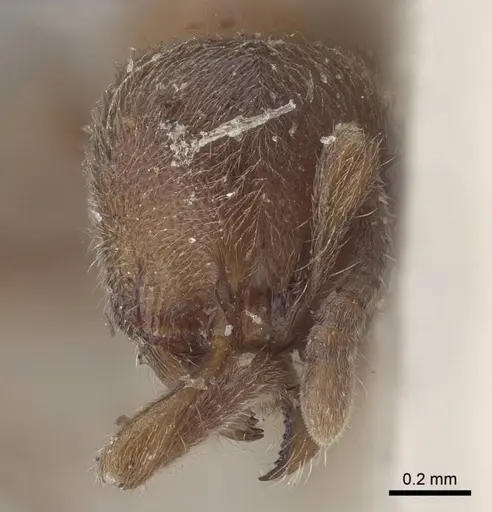
CASENT0916808
View on AntWeb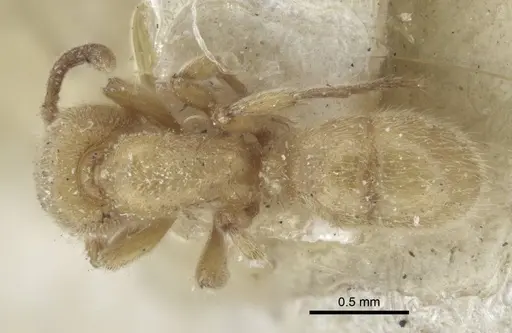
RMCAENT000017722
View on AntWeb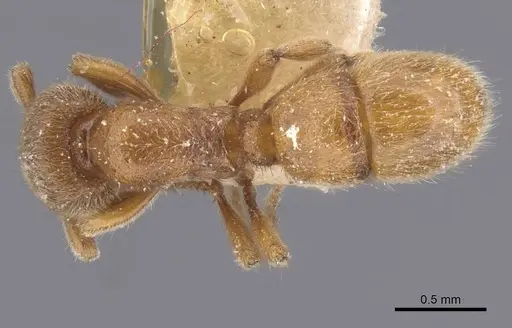
Literature
Loading distribution map...Loading products...