
Proceratium micrommatum
- Sci. Name
- Proceratium micrommatum
- Tribe
- Proceratiini
- Subfamily
- Proceratiinae
- Author
- Roger, 1863
- Distribution
- Found in 7 countries
Introduction
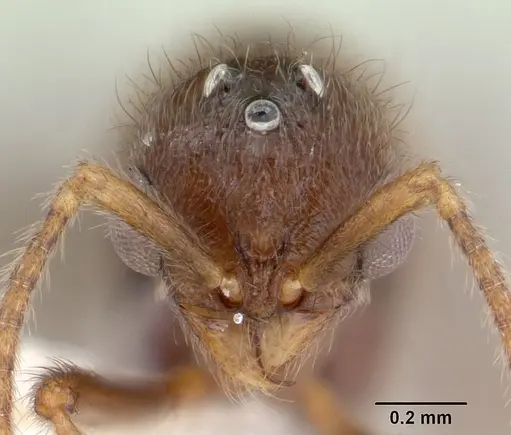
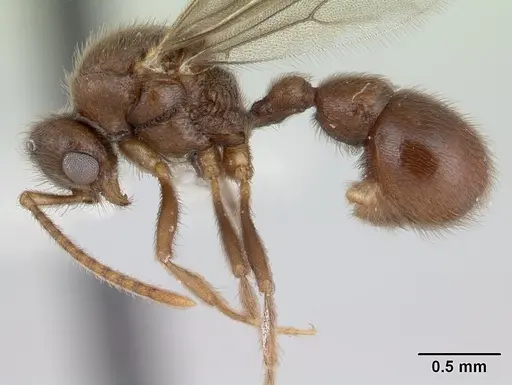
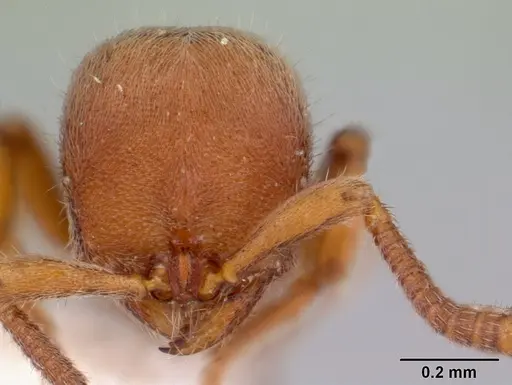
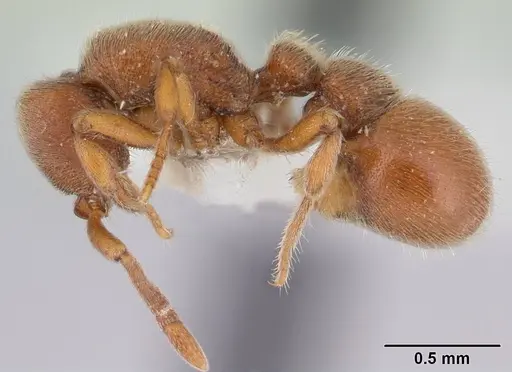
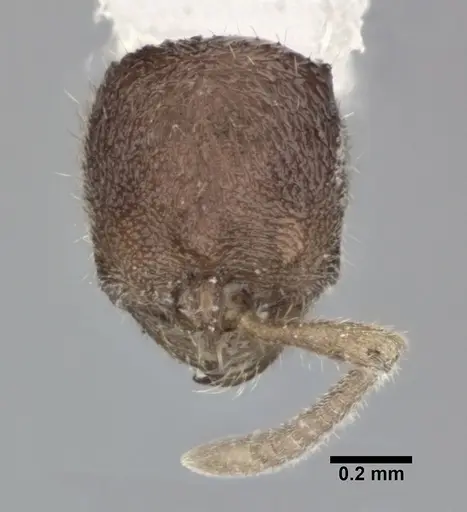
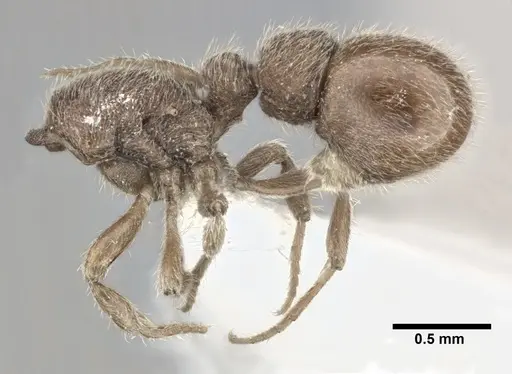
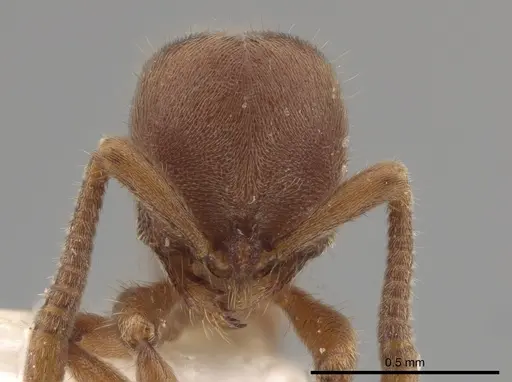
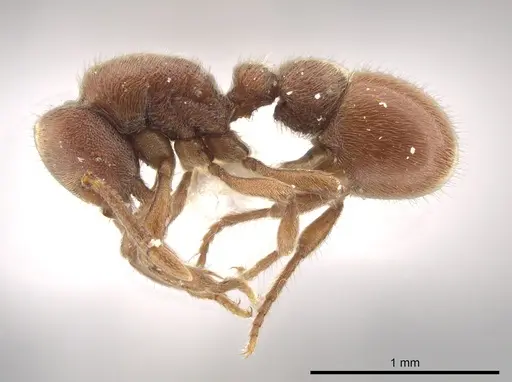
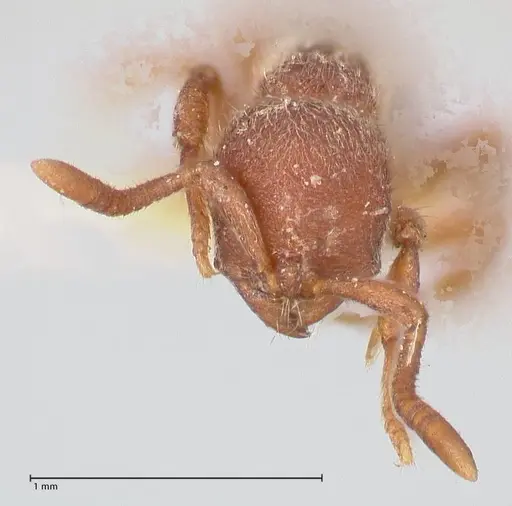
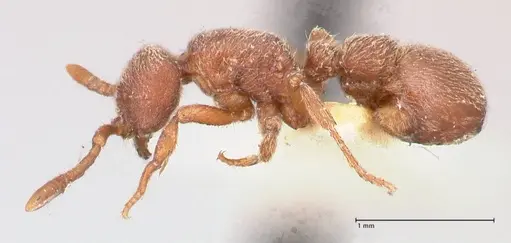
Proceratium micrommatum is a tiny, cryptic ant species native to the Neotropical region, ranging from Mexico to Colombia, Ecuador, and Venezuela . Workers are about 2.6-3.5 mm long, making them one of the smaller Proceratium species . They have a light brown-ferrugineous body with lighter antennae and legs . This species belongs to the Micrommatum Clade and can be identified by the absence of a pectinate spur on the middle tibia and spaced foveolate depressions on the petiole and first gastral segment . The most notable thing about P. micrommatum is that it has the widest distribution of any Proceratium species in the New World, yet it remains rarely studied due to its cryptic, ground-dwelling nature .
Quick Summary
- Difficulty: Hard
- Origin & Habitat: Neotropical lowland wet forests from Mexico to South America. Found in sifted leaf litter samples from the forest floor [3].
- Colony Type: Colony structure is unconfirmed. No specific data on queen number or colony size in the wild.
- Size & Growth:
- Queen: About 3.3-3.6 mm [3]
- Worker: About 2.6-3.5 mm [3]
- Colony: Unknown, likely small based on related species patterns
- Growth: Unknown, likely slow based on genus patterns
- Development: Unknown, no direct data. Based on typical Proceratium patterns, expect around 8-12 weeks at warm temperatures. (Development timeline has not been directly studied for this species.)
- Antkeeping:
- Temperature: Based on their Neotropical origin, keep temperatures around 24-28°C. A gentle gradient allows self-regulation.
- Humidity: Based on their forest floor habitat, keep nest substrate consistently moist but not waterlogged.
- Diapause: Unknown, no data on diapause requirements for this species.
- Nesting: Based on their leaf litter microhabitat, use moist substrate or nests like Y-tong or plaster that retain moisture.
- Behavior: These ants are cryptic and slow-moving, spending time hunting in leaf litter [6]. They are specialist predators of spider eggs [6][7]. Workers are not aggressive and avoid open spaces. Their small size makes escape prevention important, though they are not strong climbers.
- Common Issues: specialized diet makes feeding difficult, they require spider eggs or similar small prey., slow growth and cryptic behavior can make it hard to monitor colony health., high humidity requirements can lead to mold if ventilation is poor., wild-caught colonies may be difficult to establish due to stress., their tiny size makes them prone to escaping through standard test tube setups.
Natural History and Distribution
Proceratium micrommatum has the widest distribution of any Proceratium species in the New World, ranging from Mexico through Central America to South America [1][8]. It is rarely encountered because it is a cryptic ground-dwelling ant that lives in leaf litter of tropical wet forests [3]. In Costa Rica, it is found in lowland wet forests, collected through sifting leaf litter [3]. Its small size and cryptic behavior make it hard to locate in the field [1].
Identification and Distinguishing Features
Workers of P. micrommatum lack a pectinate spur on the middle tibia, have a smooth propodeal dorsum without a bulge, and bear spaced foveolate depressions on the petiole and first gastral segment [4][5]. They are small ants with a total length under 3.60 mm [1]. The body is light brown-ferrugineous with lighter antennae and legs [3]. They can be confused with P. mexicanum, but that species has a strongly impressed propodeal carina [8].
Feeding and Diet
This species is a specialist predator of spider eggs [6][7]. In captivity, spider eggs should be the primary food if available. Other small soft-bodied prey may be accepted experimentally, but success is uncertain. Sugar sources are unlikely to be accepted. Feed small prey items frequently and remove uneaten food to prevent mold.
Housing and Nesting
Based on their leaf litter microhabitat, use a setup with moist substrate and tight chambers. Y-tong or plaster nests with good moisture retention are suitable, provided they maintain dampness without flooding. Avoid tall open spaces in the outworld, as they stay hidden. Use a small, humid outworld. Escape prevention is important due to their small size.
Temperature and Care
As a Neotropical lowland species, P. micrommatum requires warm temperatures around 24-28°C. Maintain stable temperatures and avoid drafts. They likely do not require true hibernation, but activity may slow during cooler periods. Balance high humidity with adequate ventilation to prevent mold.
Behavior and Temperament
These ants are cryptic and slow-moving, spending time hunting in leaf litter for spider eggs [6]. The fourth abdominal segment is projected forward [6], a distinctive feature. Colonies are likely small. In captivity, they remain hidden, making them a 'watching' ant species.
Frequently Asked Questions
How long does it take for Proceratium micrommatum to produce first workers?
The egg-to-worker timeline is unconfirmed. Based on typical Proceratium patterns, expect around 8-12 weeks at optimal warm temperatures (24-28°C), but this is an estimate.
What do Proceratium micrommatum ants eat?
They are specialist predators of spider eggs [6][7]. In captivity, spider eggs should be the primary food if available. Other small prey may be accepted experimentally.
Are Proceratium micrommatum ants good for beginners?
No. This species is rated as hard due to specialized diet, high humidity needs, cryptic behavior, and lack of captive care information. It is not recommended for beginners.
Do Proceratium micrommatum ants sting?
Proceratium species have a developed sting [3], but given their tiny size, it is unlikely to penetrate human skin. They are not aggressive.
How big do Proceratium micrommatum colonies get?
Colony size is unknown but likely small, probably under 100 workers based on related species patterns.
Can I keep multiple Proceratium micrommatum queens together?
Not enough is known about their colony structure. The colony type has not been documented, so combining queens is not recommended without evidence.
What temperature should I keep Proceratium micrommatum at?
Keep them at 24-28°C based on their Neotropical origin. A gentle temperature gradient allows self-regulation.
Do Proceratium micrommatum ants need hibernation?
Diapause requirements are unknown. As a Neotropical species, they likely do not require true hibernation, but may slow down during cooler periods.
Why are my Proceratium micrommatum ants dying?
Common issues include improper humidity, unsuitable diet (need spider eggs), stress from wild collection, and temperature problems. Their specialized nature means colonies often fail without specific conditions.
What type of nest is best for Proceratium micrommatum?
A naturalistic setup with moist substrate or a Y-tong/plaster nest with good moisture retention works best. They need tight, humid chambers that mimic leaf litter.
Report an Issue
The current care sheet is based fully on literature. See inconsistencies, or something that's incorrect? Please , it will be resolved after review from an admin. Contributing to the blogs tab also helps providing information, to make us be able to further improve the caresheets. Thank you for your support!
References

This caresheet is licensed under CC BY-SA 4.0 .
Community Blogs
CASENT0178753
View on AntWeb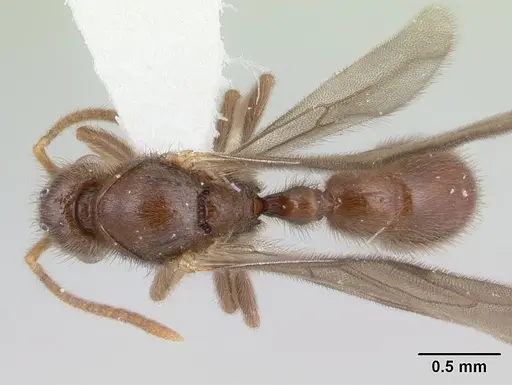
CASENT0178848
View on AntWeb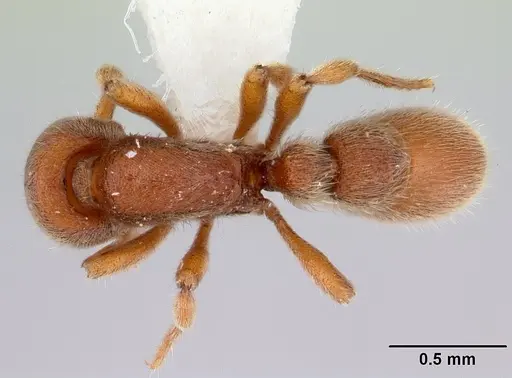
CASENT0246700
View on AntWeb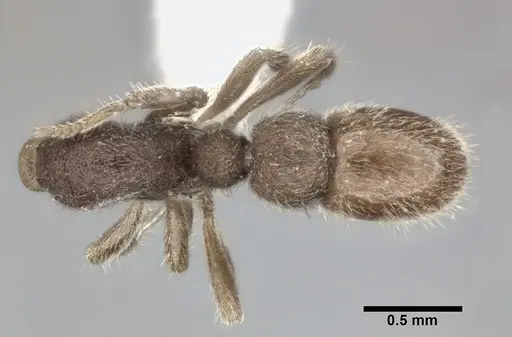
CASENT0635698
View on AntWeb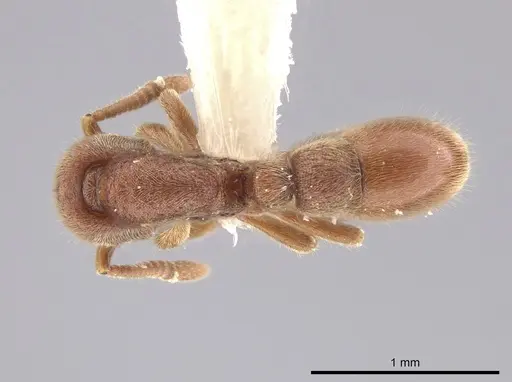
FOCOL0932
View on AntWeb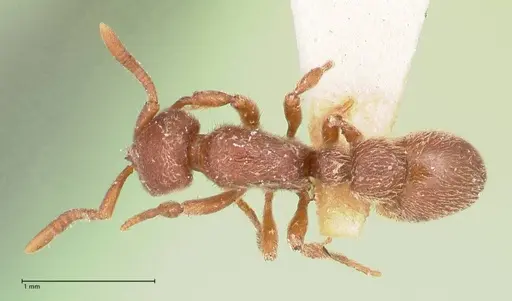
Literature
Loading distribution map...Loading products...