
Proceratium google
- Sci. Name
- Proceratium google
- Tribe
- Proceratiini
- Subfamily
- Proceratiinae
- Author
- Fisher, 2005
- Distribution
- Found in 1 countries
Introduction
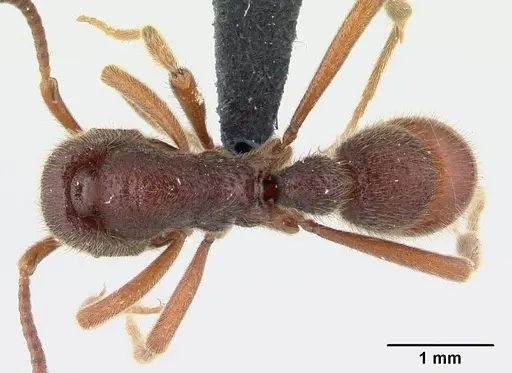
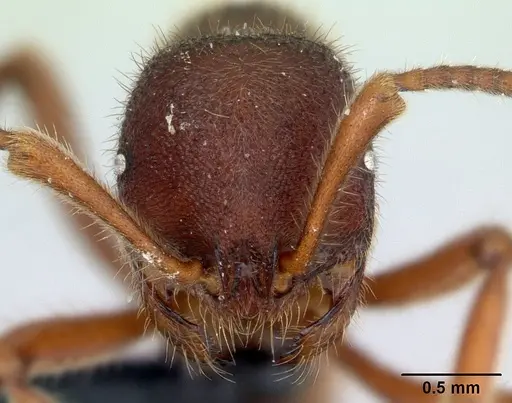
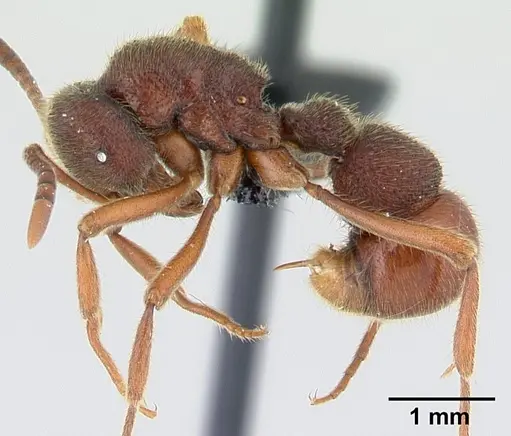
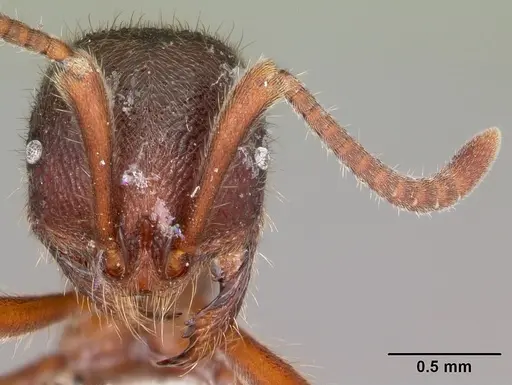
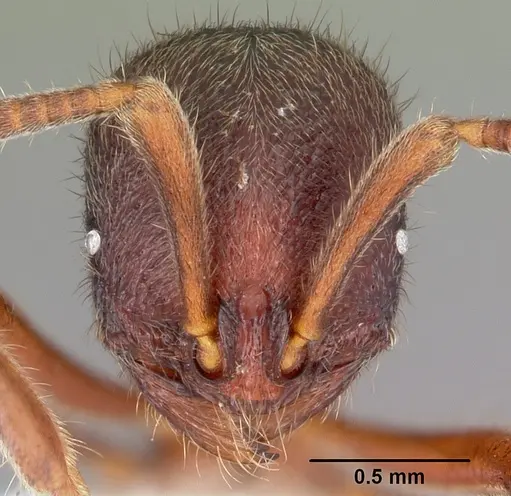
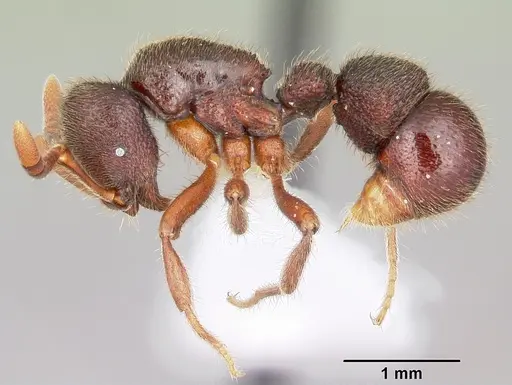
Proceratium google is a rare ant species known only from a single mountain in northeastern Madagascar. Workers have a distinctive appearance with a large, protruding eye that projects beyond the head margin,12-segmented antennae, and a low nodiform petiole. Body size data is unavailable, as no total length measurements are provided in the research . This species is notable for its suspected diet as a specialist predator of spider eggs, which earned it the name 'google' for its ability to hunt obscure prey .
Quick Summary
- Difficulty: Expert
- Origin & Habitat: Known only from Reserve Spéciale Anjanaharibe-Sud in northeastern Madagascar, at elevations of 1200-1565m in montane rainforest [1][2][3].
- Colony Type: Unknown. Only the worker caste has been described. Queen, male, and larvae are unknown [1][2].
- Size & Growth:
- Queen: Unknown, queen has not been described [1].
- Worker: Size data unavailable, no total length measurements provided [1][2].
- Colony: Unknown, only five worker specimens have ever been collected [1].
- Growth: Unknown
- Development: Unknown, larvae have never been described. Based on related Proceratium species, development may take several weeks to months, but this is unconfirmed [1][2]. (Development timeline is unconfirmed. Related species typically take time from egg to adult.)
- Antkeeping:
- Temperature: Unknown for this species. Based on montane rainforest habitat, aim for cool temperatures around 20-24°C. Provide a gradient [1][2].
- Humidity: Based on montane rainforest origin, keep nest substrate consistently moist but not waterlogged [1][2].
- Diapause: Unknown. Madagascar has mild climate, but montane areas may have cooler periods. Observe colony activity [1].
- Nesting: Workers collected from sifted leaf litter, suggesting nests in soil and decaying organic matter. Use moist soil or plaster nests with high humidity [1][2].
- Behavior: Based on genus Proceratium, these ants are cryptic, slow-moving, and docile. They are specialized predators of spider eggs. Not aggressive toward humans. Escape risk is low due to small size, but secure containment is needed [1][2][4].
- Common Issues: no captive care protocol exists, so mortality risks are unknown, only five workers known, making wild colonies unavailable, queen and colony structure unknown, complicating care, humidity critical, dry conditions likely fatal, specialized diet may be hard to replicate, extremely restricted range limits availability
Why Proceratium google is So Rare
This species is one of the most poorly known ants in the world. Only five worker specimens have ever been collected, all from a single expedition to the Reserve Spéciale Anjanaharibe-Sud in northeastern Madagascar in 1994. Despite extensive collecting efforts in nearby mountains, no additional specimens have been found. This extreme rarity could be due to a genuinely restricted range, low population densities, or specific microhabitat requirements [1][2].
The Spider Egg Hunter
Proceratium google is suspected to be a specialist predator of spider eggs, a specialized feeding strategy among ants. The genus name and species name 'google' reference this unique hunting ability. Most ants are generalists, but Proceratium species have evolved for hunting spider eggs in leaf litter. Their large eyes may help locate egg cases in dim light. In captivity, they may need small live prey like springtails or spider eggs, making care challenging [1][2].
Identifying Features
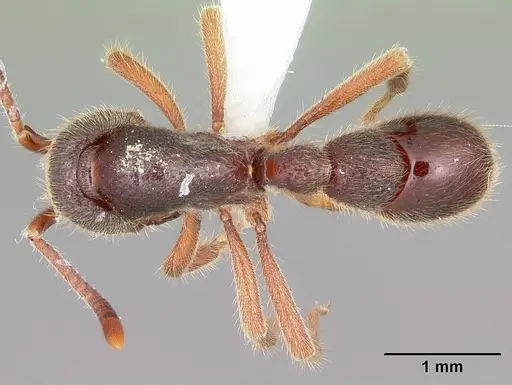
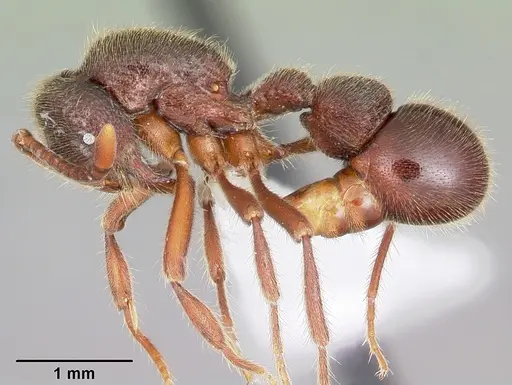
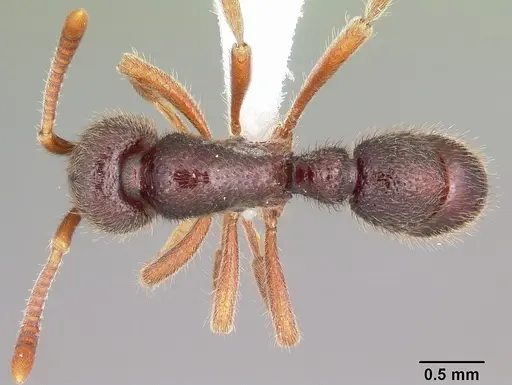
Proceratium google can be distinguished from Proceratium diplopyx by the shape of abdominal segment IV, which is evenly rounded without a concave notch. Workers have a large, convex eye that projects beyond the head margin,12-segmented antennae with a short scape,4-toothed mandibles, and a low nodiform petiole. The body has dense granulate-foveolate sculpture, while the abdomen is smoother and shinier, covered with fine yellow-white hairs [1][2][3].
Housing Recommendations
Since no captive care information exists, recommendations are based on related species and habitat. Workers were collected from sifted leaf litter, suggesting nests in moist soil and decaying organic matter. Use a naturalistic setup with moist soil or a plaster nest with high humidity chambers. Key requirements are high humidity, cool temperatures, darkness, and small live prey. Avoid dry conditions. Escape prevention is needed due to small size, but secure lids are sufficient [1][2].
Legal and Ethical Considerations
Proceratium google is known only from a protected area in Madagascar. Export would likely be prohibited under wildlife laws, and international trade is regulated. This species has never been found in sufficient numbers for the hobby. If available, it would require proper permits. Antkeepers should appreciate this species through documentation rather than captivity [1][2].
Frequently Asked Questions
Can I keep Proceratium google ants?
No. This species has never been kept in captivity and is essentially unavailable. Only five worker specimens exist, all collected in 1994,and no additional finds have been made [1].
What do Proceratium google ants eat?
They are suspected to be specialist predators of spider eggs. In the wild, they likely hunt spider egg cases in leaf litter. This specialized diet would be difficult to replicate in captivity [1][2].
How big do Proceratium google colonies get?
Unknown. Only five worker specimens have ever been collected, and no colony has been observed [1].
Where does Proceratium google live?
Only known from Reserve Spéciale Anjanaharibe-Sud in northeastern Madagascar, at elevations of 1200-1565m in montane rainforest. It has never been found elsewhere [1][2][3].
Do Proceratium google ants sting?
Proceratium ants have stingers but are docile and not aggressive toward humans. Their stinger is too small to penetrate skin effectively [4].
What temperature do Proceratium google ants need?
Unconfirmed, but based on montane rainforest habitat, they likely prefer cool temperatures around 20-24°C [1][2].
Are Proceratium google ants good for beginners?
No. This is an expert-level species that has never been kept in captivity. There is no established care protocol, and the specialized diet would be nearly impossible to provide [1].
How long do Proceratium google workers live?
Unknown. No study has documented the lifespan of this species [1].
Do Proceratium google ants need hibernation?
Unknown. Madagascar has mild climate, but montane areas may have cooler periods. There is no data on diapause requirements [1].
Why is it called Proceratium google?
It was named in recognition of Google's support for biodiversity data. The name also reflects its suspected ability to hunt obscure prey, like spider eggs [1][2].
Report an Issue
The current care sheet is based fully on literature. See inconsistencies, or something that's incorrect? Please , it will be resolved after review from an admin. Contributing to the blogs tab also helps providing information, to make us be able to further improve the caresheets. Thank you for your support!
References

This caresheet is licensed under CC BY-SA 4.0 .
Community Blogs
Literature
Loading distribution map...Loading products...