
Proceratium deelemani
- Sci. Name
- Proceratium deelemani
- Tribe
- Proceratiini
- Subfamily
- Proceratiinae
- Author
- Perrault, 1981
- Distribution
- Found in 3 countries
Introduction
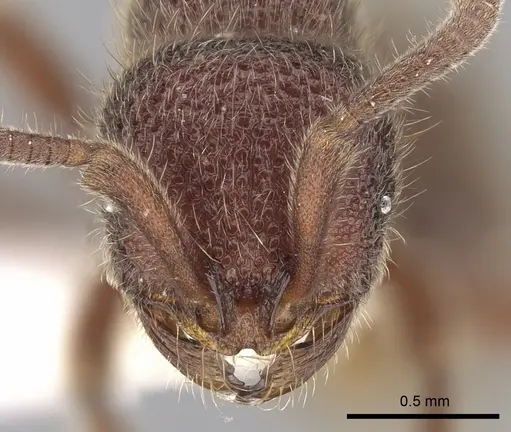
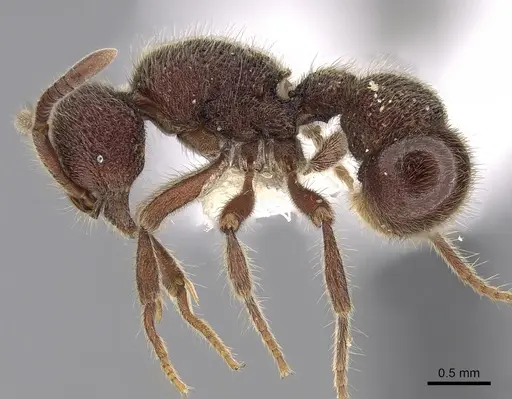
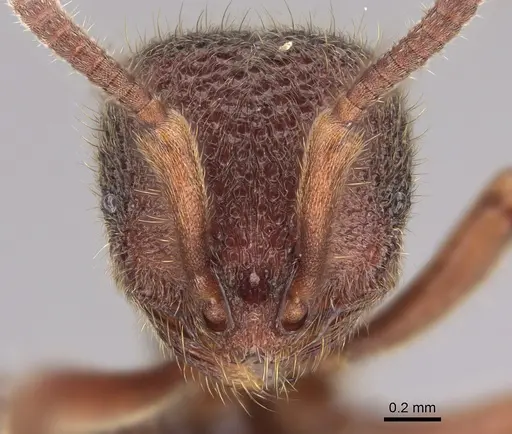
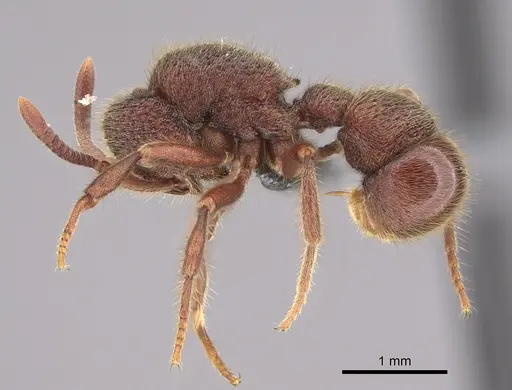
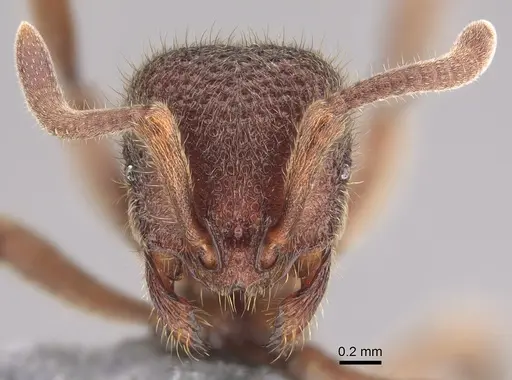
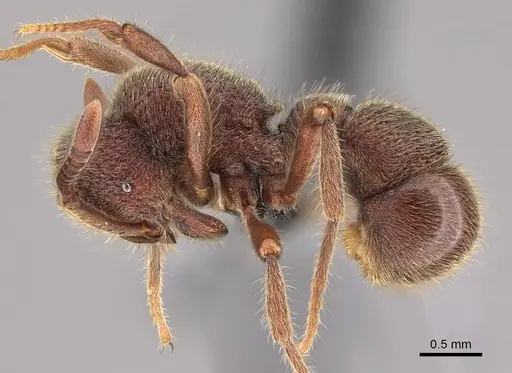
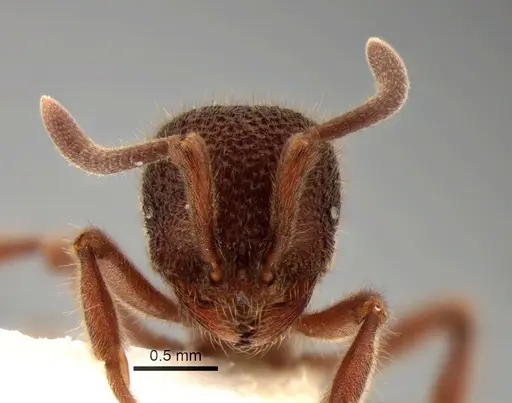
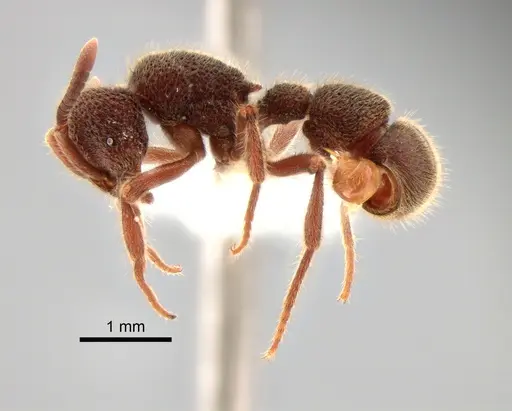
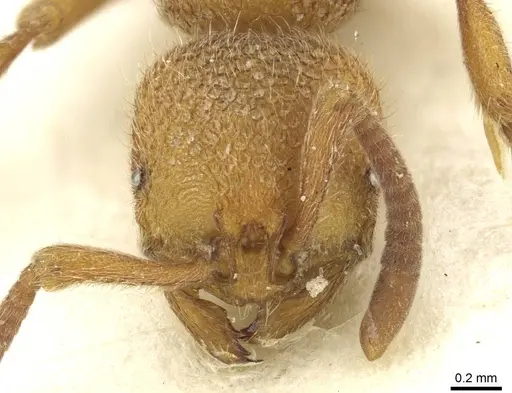
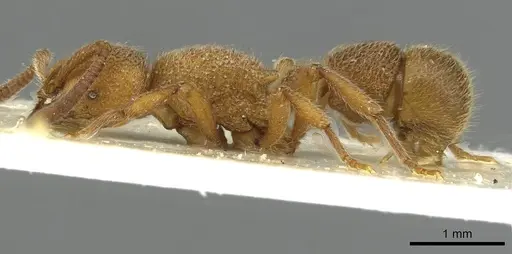
Proceratium deelemani is a small, cryptic ant species in the goliath group of the Proceratiinae subfamily. Workers measure 3.87-4.68 mm in total length with a dark fenugineous-brown body, strongly diverging frontal carinae, and long propodeal spines . The head, mesosoma, petiole, and postpetiole have deep foveae with granulation, while the gaster is smoother . This species is native to Southeast Asia, found in Borneo, Brunei, Malaysia, Thailand, Singapore, and southern China . In the wild, they are habitat specialists living exclusively in primary rainforest leaf litter at elevations around 820m .
Quick Summary
- Difficulty: Medium
- Origin & Habitat: Southeast Asia, Borneo, Brunei, Malaysia, Thailand, Singapore, and southern China (Yunnan). This is a primary forest specialist found in old-growth rainforest leaf litter at elevations around 820m [2][4]. They are not found in secondary forests or plantations [4].
- Colony Type: Unconfirmed, colony structure has not been documented for this species.
- Size & Growth:
- Antkeeping:
- Temperature: Based on their tropical rainforest origin [2][4], keep warm around 22-26°C with a gentle gradient for self-regulation.
- Humidity: Based on their habitat in humid primary forests [2][4], keep substrate consistently moist but not waterlogged, with a gradient from damp to slightly drier areas.
- Diapause: Unknown, no specific data on overwintering requirements. Given their tropical distribution, they likely do not require a true diapause.
- Nesting: Based on their natural nesting in leaf litter [2][4], provide a naturalistic setup with moist substrate. Test tube setups with a humid outworld can work for founding colonies.
- Behavior: These ants are cryptic and slow-moving, based on their forest-floor habitat [2][4]. They are not aggressive and have modest escape abilities due to their small size. Workers are likely nocturnal or crepuscular.
- Common Issues: escape prevention is critical due to their small size, use fine mesh and tight-fitting lids., high humidity requirements mean mold can be an issue if ventilation is poor., slow growth and cryptic nature may make colonies appear inactive, this is normal behavior., wild-caught colonies may have parasites or stress from collection that causes failure.
Natural History and Distribution
Proceratium deelemani is found across Southeast Asia, with confirmed records from Borneo, Brunei, Malaysia (Sabah and Sarawak on Borneo, plus peninsular Malaysia), Thailand, Singapore, and China's Yunnan province [2][3]. This represents the northernmost extent of their range. They are strict habitat specialists, occurring only in primary forest leaf litter and not in secondary forests or rubber plantations [4]. The type specimen was collected from sifted leaf litter in primary rainforest, and all records confirm this preference for old-growth environments [5]. Elevation records show them at approximately 820m in rainforest leaf litter [2].
Identification and Morphology
Workers of Proceratium deelemani measure 3.87-4.68 mm in total length [1]. They belong to the goliath group and differ from similar species like P. stictum by more diverging frontal carinae, shorter hind basitarsi, and deeper head sculpture [1]. The body is dark fenugineous-brown with lighter legs. Key features include strongly diverging frontal carinae, long propodeal spines, and foveolate sculpture on the head, mesosoma, petiole, and postpetiole [1]. Queens are larger at 5.66 mm with well-developed eyes and ocelli [1].
Housing and Nest Setup
Based on their natural habitat in leaf litter [2][4], a naturalistic setup with moist soil/peat substrate is recommended. Test tube setups with a humid outworld can work for founding colonies. Ensure escape prevention with fine mesh due to their small size. Y-tong or plaster nests with small chambers can be used, but naturalistic setups may be more appropriate.
Feeding and Diet
Feeding behavior for Proceratium deelemani is unconfirmed from research. Based on general antkeeping practices for small cryptic ants, offer small live prey such as springtails, fruit flies, and tiny insects. Sugar sources may be accepted but should not be the primary food. [5]
Temperature and Humidity Requirements
As a tropical species from Southeast Asian rainforests [2][4], keep temperatures around 22-26°C with a gentle gradient. Humidity is critical, keep the nest substrate consistently moist but not waterlogged, allowing for some variation so ants can self-regulate.
Colony Development and Expectations
Colony growth is likely slow due to their small size and cryptic nature. No specific development data is available, so expectations should be tempered. Founding colonies may take time to produce workers, and reaching significant sizes could take a year or more. Patience is essential as these ants are often hidden and appear inactive.
Frequently Asked Questions
How long does it take for Proceratium deelemani to produce first workers?
No direct development data is available for this species. Based on related Proceratium species, estimates range from 6-10 weeks at optimal temperatures, but this is unconfirmed [1].
What do Proceratium deelemani ants eat?
Feeding behavior is unconfirmed. Offer small live prey like springtails and fruit flies, as general practice for small ants [5].
Can I keep Proceratium deelemani in a test tube?
Yes, test tubes work well for founding colonies. Provide a humid outworld and ensure constant access to fresh water [2][4].
Are Proceratium deelemani ants aggressive?
No, these are cryptic, non-aggressive ants based on their forest-floor habitat [2][4]. They pose no danger to keepers.
Do Proceratium deelemani ants need hibernation?
Unknown, no specific data on diapause. Given their tropical distribution, they likely do not require hibernation [2][4].
Why is my Proceratium deelemani colony not active?
This is normal behavior. These ants are cryptic and often nocturnal, spending time hidden in substrate [2][4].
What is the difficulty level for keeping Proceratium deelemani?
Medium. Challenges include providing primary forest-like conditions, slow growth, and limited husbandry knowledge [2][4].
How big do Proceratium deelemani colonies get?
Colony size is unknown, no data exists on maximum sizes for this species [1].
Do Proceratium deelemani ants sting?
Proceratium ants have stingers but are too small to penetrate human skin effectively. Defense is primarily cryptic behavior [5].
When should I move my colony to a formicarium?
Wait until the colony has at least 20-30 workers and shows active foraging. Move only when necessary to avoid stress [2][4].
Report an Issue
The current care sheet is based fully on literature. See inconsistencies, or something that's incorrect? Please , it will be resolved after review from an admin. Contributing to the blogs tab also helps providing information, to make us be able to further improve the caresheets. Thank you for your support!
References

This caresheet is licensed under CC BY-SA 4.0 .
Community Blogs
CASENT0281858
View on AntWeb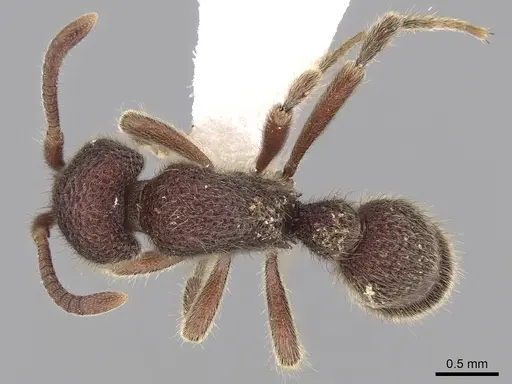
CASENT0746001
View on AntWeb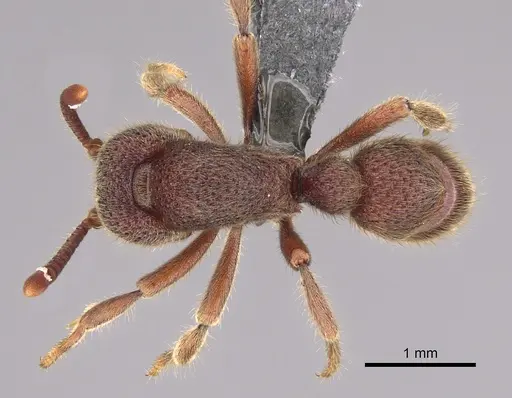
CASENT0746008
View on AntWeb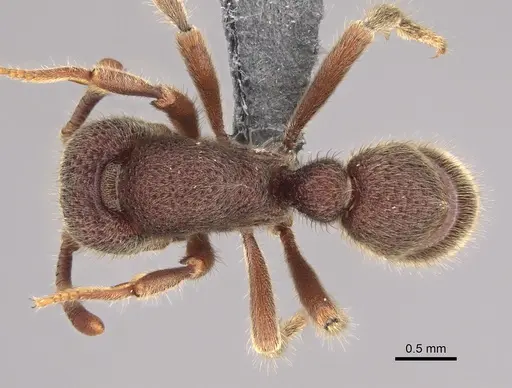
CASENT0882099
View on AntWeb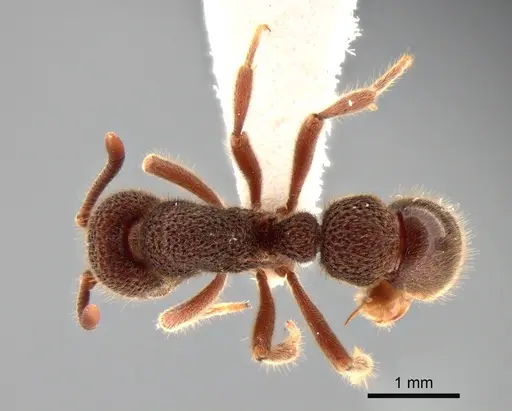
CASENT0915370
View on AntWeb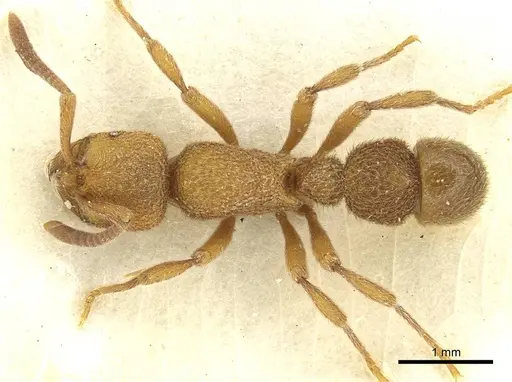
Literature
Loading distribution map...Loading products...