
Proceratium croceum
- Sci. Name
- Proceratium croceum
- Tribe
- Proceratiini
- Subfamily
- Proceratiinae
- Author
- Roger, 1860
- Distribution
- Found in 1 countries
Introduction
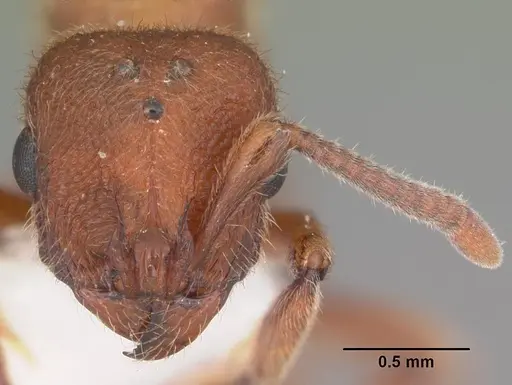
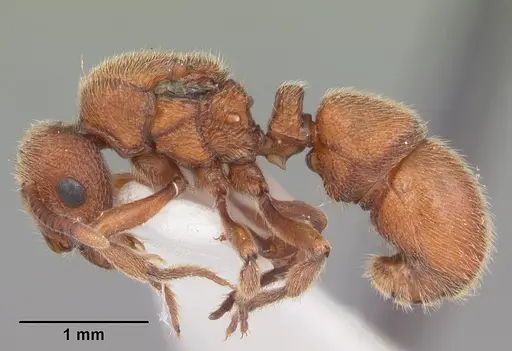
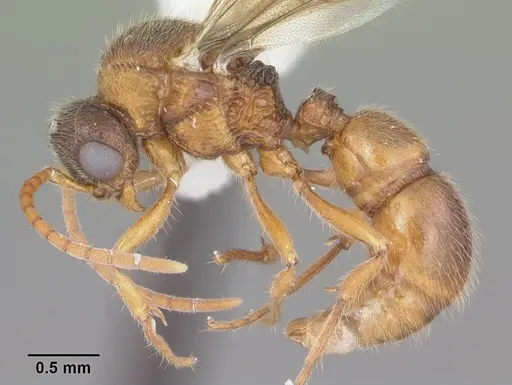
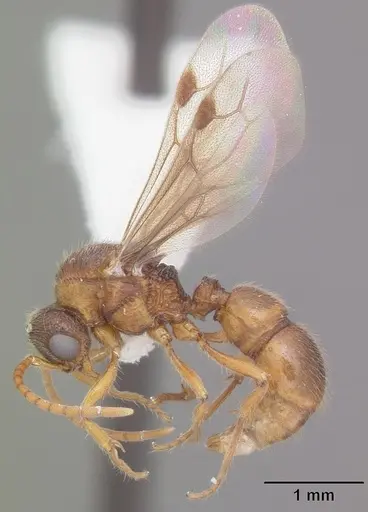
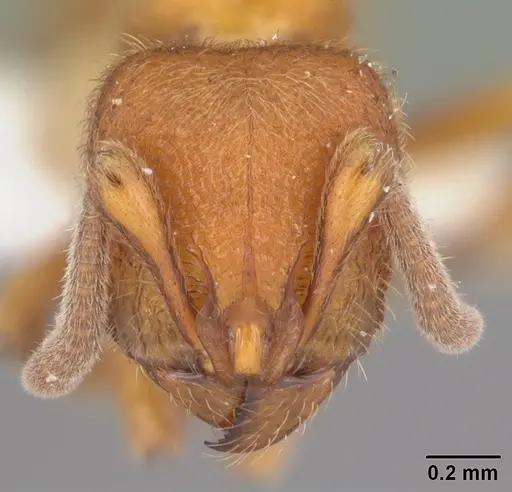
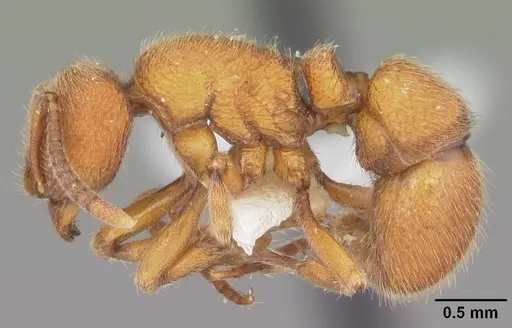
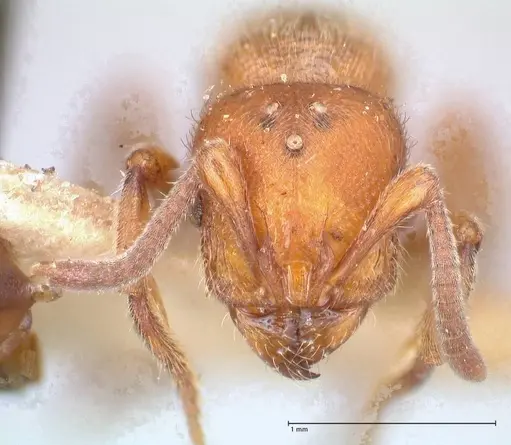
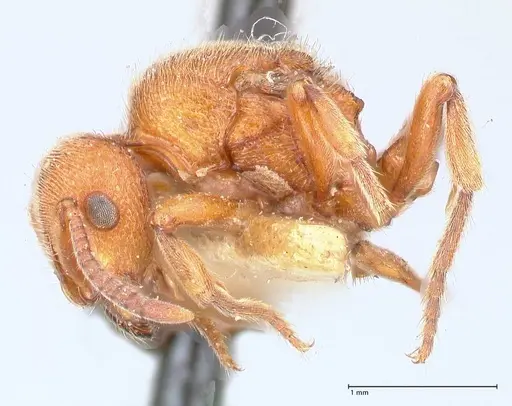
Proceratium croceum is the largest Proceratium species in the United States, with workers up to 5.03 mm and queens up to 5.43 mm in total length . They have a reddish-brown coloration with lighter antennae and legs, and a uniquely vaulted abdomen. This species belongs to the subfamily Proceratiinae, characterized by a rectangular petiole and reduced clypeus . It is rarely collected and nests hidden in rotting wood and stumps in shaded forest areas across the eastern US, from Virginia to Texas .
Quick Summary
- Difficulty: Hard
- Origin & Habitat: Eastern United States, from Virginia to Florida and west to Illinois and Texas. They inhabit rotten logs and stumps in shady, damp forests, often under bark of decaying pine logs [3][4].
- Colony Type: Single-queen colonies (monogyne), as documented in wild observations [1].
- Size & Growth:
- Antkeeping:
- Temperature: Keep at moderate temperatures around 20-24°C, based on their forest habitat.
- Humidity: Keep nest substrate consistently moist but not waterlogged, mimicking their natural rotting wood environment [1][4].
- Diapause: Yes, likely required for 2-3 months in winter at 10-15°C, inferred from their temperate range.
- Nesting: Prefer tight, enclosed spaces like Y-tong (AAC) or plaster nests with high humidity, replicating natural log nests [1].
- Behavior: Docile and slow-moving with low aggression, poor climbers, so escape risk is low.
- Common Issues: specialized diet makes feeding difficult, they may refuse standard ant foods, colonies grow slowly and remain small, which can be discouraging, rare in hobby, so established colonies are hard to find, high humidity requirements can lead to mold if ventilation is poor, wild-caught colonies may be stressed or have parasites
Housing and Nest Setup
Proceratium croceum needs high-humidity housing that mimics rotting wood. Use a Y-tong (AAC) nest or plaster nest to hold moisture effectively. Alternatively, create a naturalistic setup with pieces of rotting wood and damp substrate. The nest should have tight chambers and narrow passages scaled to their size. For founding colonies, test tubes can work but may need modifications to maintain humidity, such as a water reservoir and damp substrate cover. Always provide a foraging area with moisture access [1][4].
Feeding and Diet
This species specializes in eating arthropod eggs, as inferred from related Proceratium biology [3]. Haskins (1930) observed that captive colonies fed ant larvae and pupae failed, suggesting a highly specialized diet [3]. In captivity, offer tiny live prey like springtails, booklice, or their eggs. Sugar sources are unlikely to be accepted. Culturing appropriate live prey may be necessary [1].
Temperature and Seasonal Care
Keep nest temperatures around 20-24°C with a slight gradient, based on their forest habitat. As a temperate species, they likely require winter diapause: reduce temperatures to 10-15°C for 2-3 months, typically from November to February, with reduced feeding and slightly drier conditions.
Behavior and Temperament
Proceratium croceum is docile and slow-moving, with minimal aggression. Workers rarely leave the nest and show no defensive behavior, making them safe for keepers. Their poor climbing ability reduces escape risk, but standard barriers are still recommended.
Frequently Asked Questions
What do Proceratium croceum ants eat?
They are specialized predators likely targeting arthropod eggs. In captivity, offer tiny live prey like springtails or booklice, as standard foods may be refused [1][3].
How long does it take for Proceratium croceum to produce first workers?
The exact timeline is unknown, but based on related species, expect 8-12 weeks from egg to worker at optimal temperature.
Are Proceratium croceum ants aggressive?
No, they are docile and non-aggressive, with slow movement and no sting.
Do Proceratium croceum ants need hibernation?
Likely yes, as a temperate species, provide a 2-3 month winter diapause at 10-15°C.
How big do Proceratium croceum colonies get?
Colonies are small, with up to 30 workers documented in the wild [1].
What humidity do Proceratium croceum require?
High humidity is essential, keep nest substrate moist but not waterlogged, based on their natural habitat [1][4].
Can beginners keep Proceratium croceum?
This species is not recommended for beginners due to specialized diet, slow growth, and rarity.
What temperature is best for Proceratium croceum?
Keep them at 20-24°C with a slight gradient, avoiding extremes.
Report an Issue
The current care sheet is based fully on literature. See inconsistencies, or something that's incorrect? Please , it will be resolved after review from an admin. Contributing to the blogs tab also helps providing information, to make us be able to further improve the caresheets. Thank you for your support!
References

This caresheet is licensed under CC BY-SA 4.0 .
Community Blogs
ANTWEB1008583
View on AntWeb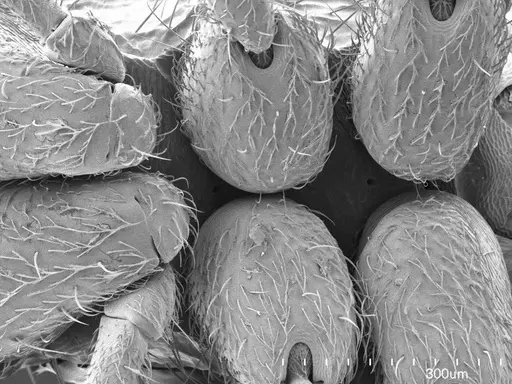
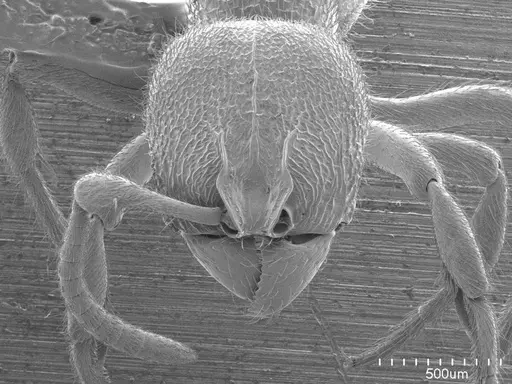
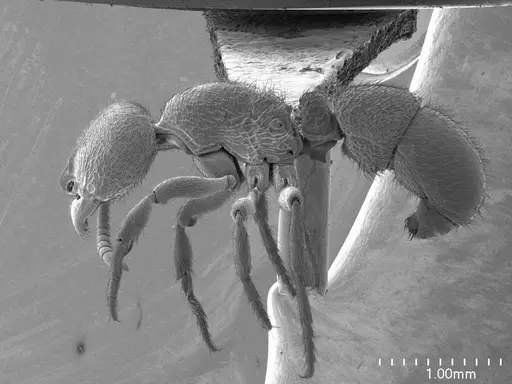
CASENT0104440
View on AntWeb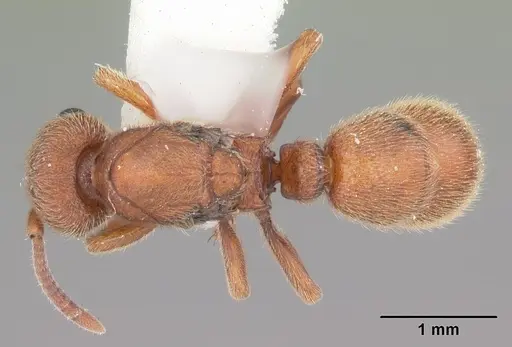
CASENT0104441
View on AntWeb
CASENT0104442
View on AntWeb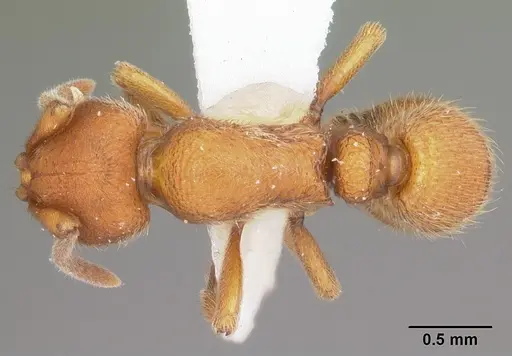
FOCOL0927
View on AntWeb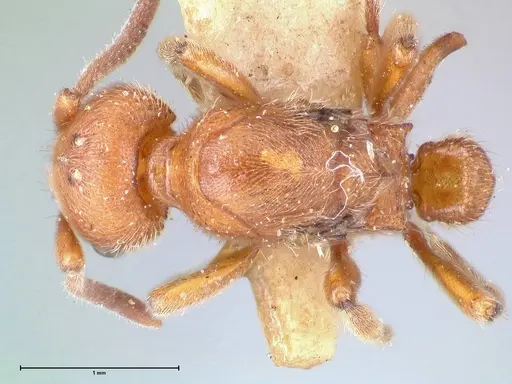
Literature
Loading distribution map...Loading products...