
Proceratium chickasaw
- Sci. Name
- Proceratium chickasaw
- Tribe
- Proceratiini
- Subfamily
- Proceratiinae
- Author
- de Andrade, 2003
- Distribution
- Found in 1 countries
Introduction
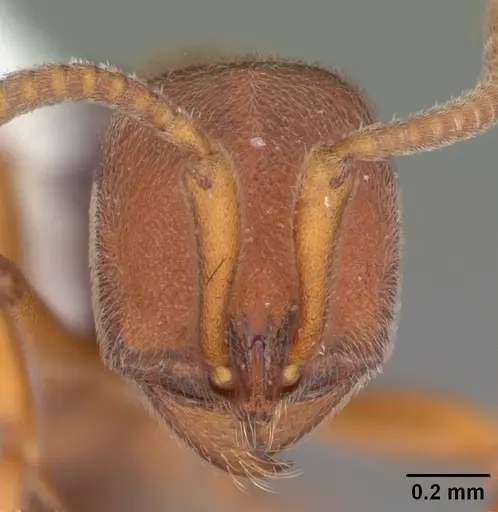
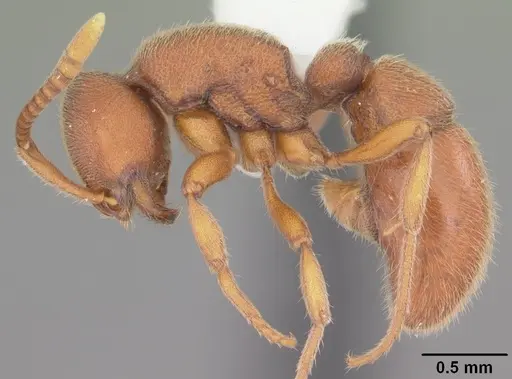
Proceratium chickasaw is a small, cryptic ant species native to the southeastern United States. Workers measure approximately 3.8-4.4 mm in total length and have a light brown coloration with an elongated, shiny gaster featuring long, spaced hairs . The species was described in 2003 and was previously confused with Proceratium pergandei . It inhabits leaf litter in deep ravines in the Apalachicola River drainage region, which serves as a refuge for southern Appalachian flora and fauna . This species is notably cryptic, with workers rarely leaving the nest, making it a challenging but rewarding species for experienced keepers.
Quick Summary
- Difficulty: Hard
- Origin & Habitat: Southeastern United States (Tennessee, Alabama, Mississippi, Georgia, Florida). Found in leaf litter within deep ravines in the Apalachicola River drainage [1][2][3].
- Colony Type: Unconfirmed colony structure. No specific data on queen number or social structure.
- Size & Growth:
- Queen: Unknown, no data available
- Worker: ~3.8-4.4 mm [1]
- Colony: Unknown, no data on colony size
- Growth: Slow, inferred from genus patterns
- Development: Unknown, estimated 8-12 weeks based on related Proceratium species at optimal temperature (No direct development data exists. Estimates are based on genus-level patterns.)
- Antkeeping:
- Temperature: Keep around 20-24°C, based on temperate habitat [1].
- Humidity: Keep nest substrate consistently moist but not waterlogged, mimicking natural leaf litter habitat [1].
- Diapause: Yes, provide a winter rest period of 2-3 months at 10-15°C, inferred from temperate species patterns.
- Nesting: Y-tong or plaster nests with tight, humid chambers work well [1].
- Behavior: Workers are cryptic, docile, and slow-moving. They are not aggressive and rarely leave the nest. Escape risk is moderate due to small size [1].
- Common Issues: slow growth may lead to keeper impatience, ensure proper care without overfeeding., high humidity requirements can cause mold if ventilation is poor, maintain balance., wild-caught colonies may be difficult to establish due to cryptic nature., limited availability means established colonies are rare., their slow movement can be mistaken for illness by inexperienced keepers.
Nest Preferences
Proceratium chickasaw naturally nests in leaf litter and soil within humid, shaded forest ravines [1]. In captivity, you can use Y-tong nests or plaster nests with tight chambers that retain moisture [1]. They prefer dark, humid conditions and will often remain in the lower chambers of the nest. Provide a deep outworld with moist substrate to mimic their natural habitat [1].
Feeding and Diet
Diet is unconfirmed for this species, but Proceratium ants are generally predatory or scavenging, feeding on small invertebrates. In captivity, you might offer small live prey such as fruit flies or pinhead crickets, but specific preferences are unknown. Feed small amounts 2-3 times per week, removing uneaten prey to prevent mold.
Temperature and Seasonal Care
Keep colonies at room temperature (20-24°C) with a gentle gradient if possible [1]. During winter, reduce temperature to 10-15°C for a diapause period of 2-3 months, inferred from temperate species patterns.
Behavior and Temperament
Workers are cryptic and docile, spending most time underground [1]. They are not aggressive and have a small stinger that rarely penetrates human skin [1]. Colonies are secretive, and escape risk is moderate due to their small size.
Colony Establishment
Establishing a colony can be challenging. Queens should be housed in a test tube setup with moist cotton, but founding behavior is unconfirmed. Expect delays in brood development, and minimize disturbances to avoid stress.
Frequently Asked Questions
How long does it take for Proceratium chickasaw to produce first workers?
The exact timeline is unknown, but based on related Proceratium species, expect 8-12 weeks from egg to worker at optimal temperature (around 22°C).
Do Proceratium chickasaw ants sting?
They have stingers but are not aggressive and rarely use them. The stinger is too small to penetrate human skin in most cases [1].
What do Proceratium chickasaw ants eat?
Diet is unconfirmed, but they are likely predatory or scavenging. You might offer small insects, but specific preferences are unknown.
Are Proceratium chickasaw good for beginners?
No, this is an expert-level species. They are slow-growing, require high humidity, and are rarely available [1].
Do Proceratium chickasaw need hibernation?
Yes, as a temperate species, they likely require a winter rest period of 2-3 months at 10-15°C.
How big do Proceratium chickasaw colonies get?
Colony size is unknown, no data on maximum size exists.
Can I keep multiple Proceratium chickasaw queens together?
This has not been documented. Based on typical Proceratium behavior, they are likely single-queen species, but data is unconfirmed.
What is the best nest type for Proceratium chickasaw?
Y-tong or plaster nests with tight, humid chambers work best [1].
Report an Issue
The current care sheet is based fully on literature. See inconsistencies, or something that's incorrect? Please , it will be resolved after review from an admin. Contributing to the blogs tab also helps providing information, to make us be able to further improve the caresheets. Thank you for your support!
References

This caresheet is licensed under CC BY-SA 4.0 .
Community Blogs
CASENT0104435
View on AntWeb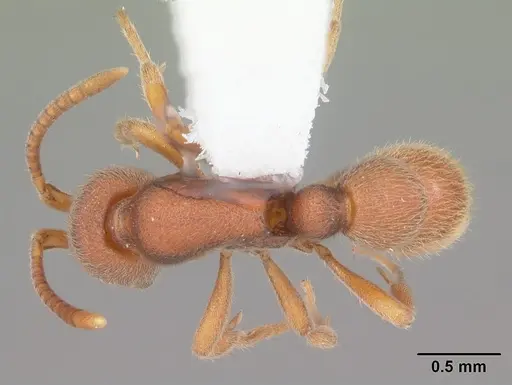
Literature
Loading distribution map...Loading products...