
Pristomyrmex umbripennis
- Sci. Name
- Pristomyrmex umbripennis
- Tribe
- Crematogastrini
- Subfamily
- Myrmicinae
- Author
- Smith, 1863
- Distribution
- Found in 2 countries
Introduction
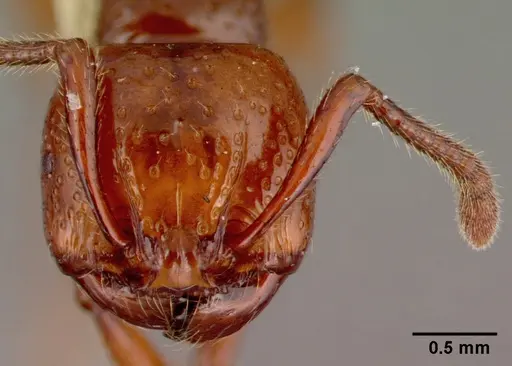
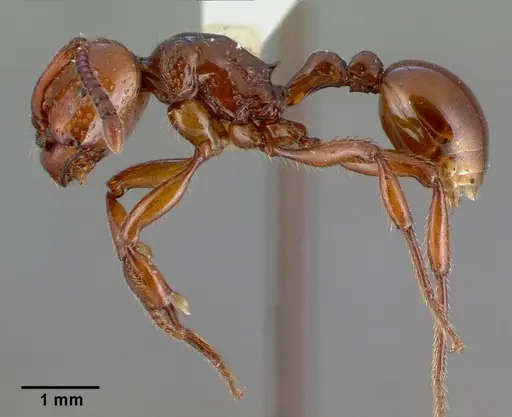
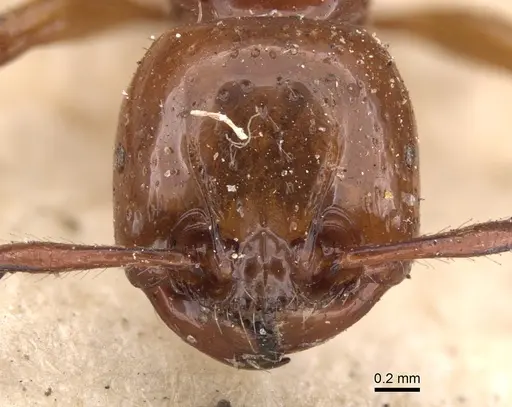
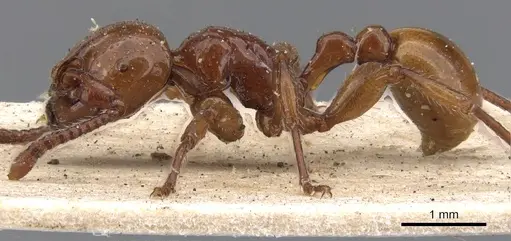
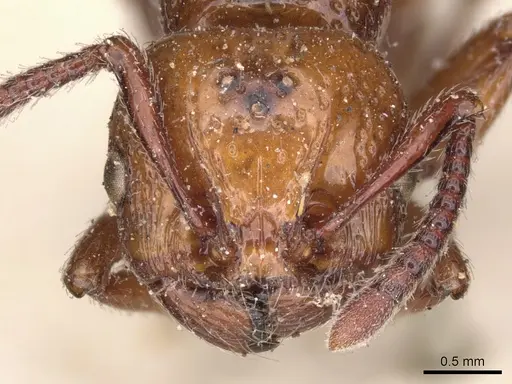
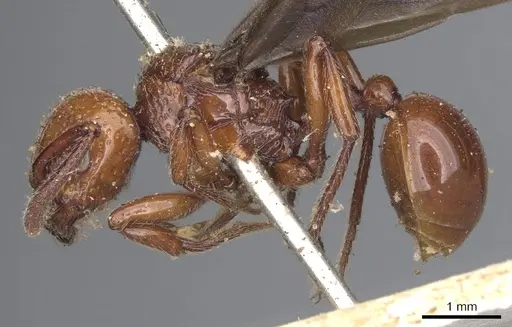
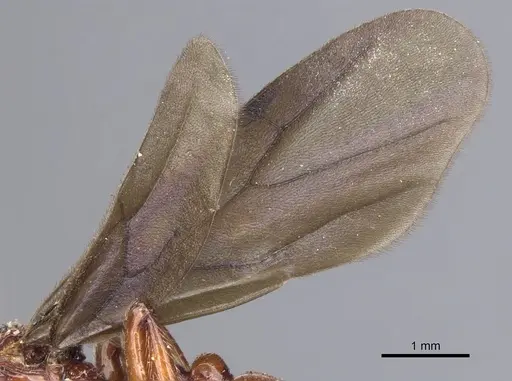
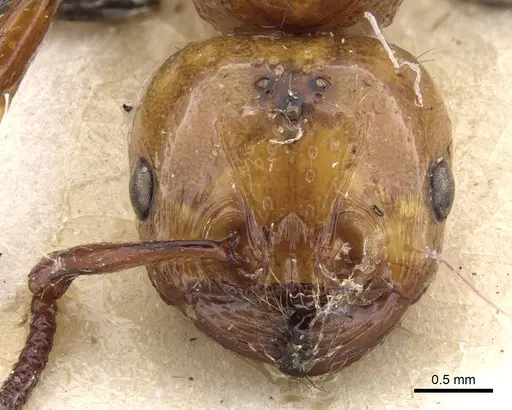
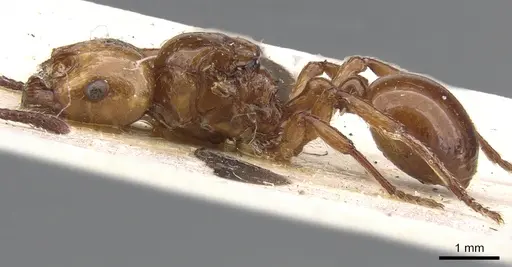
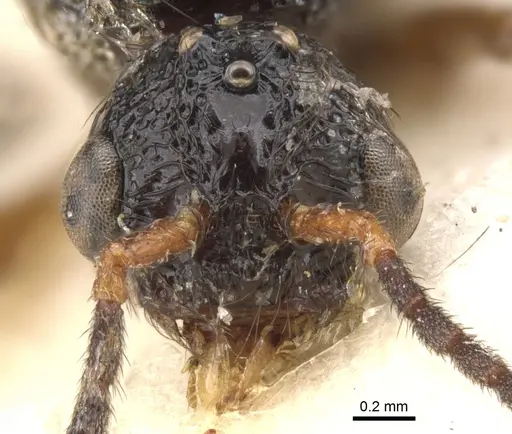
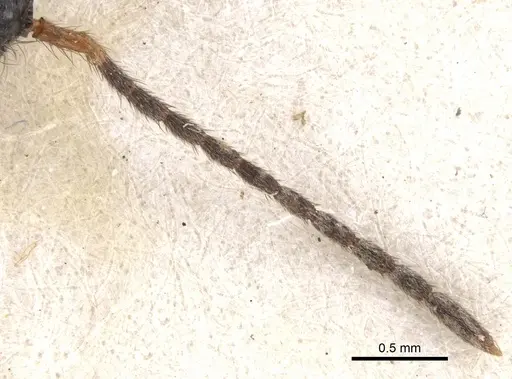
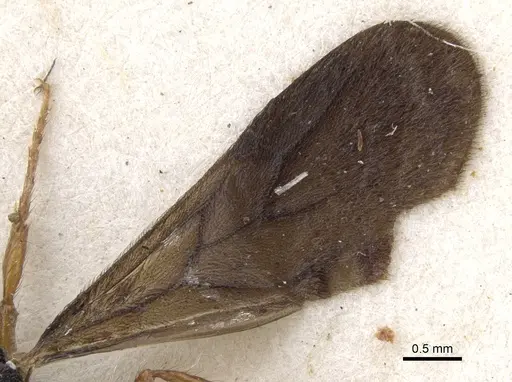
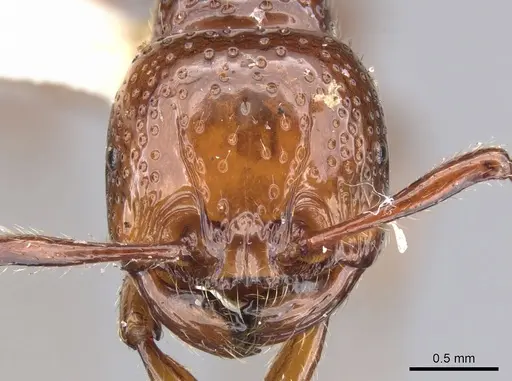
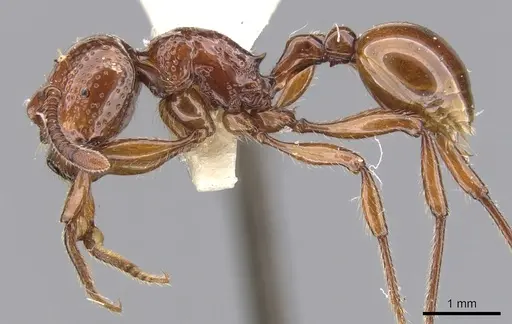
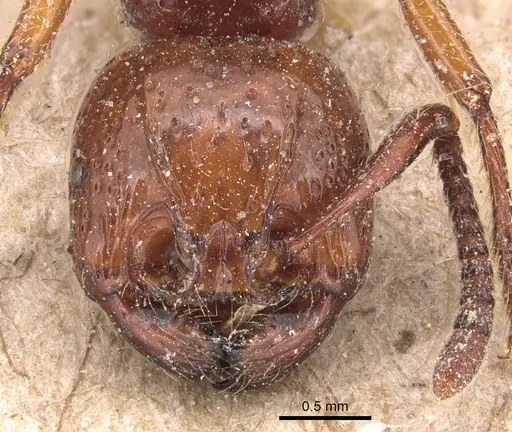
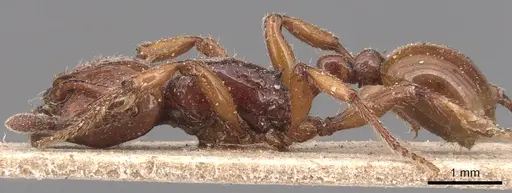
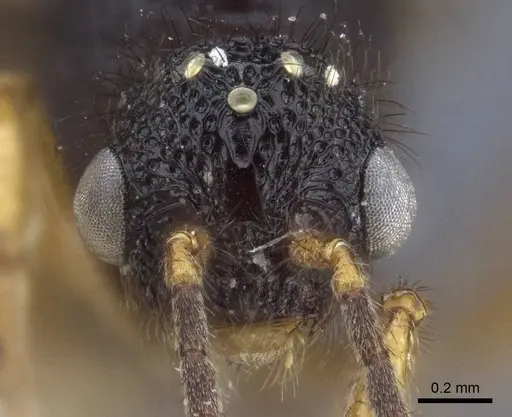
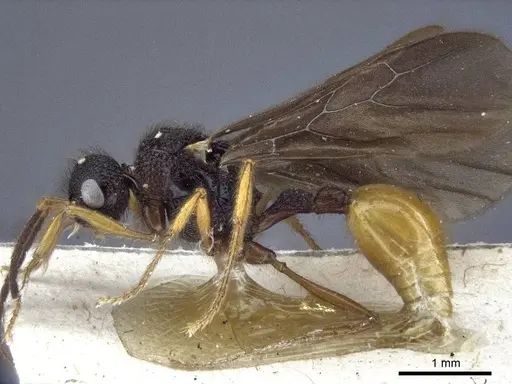
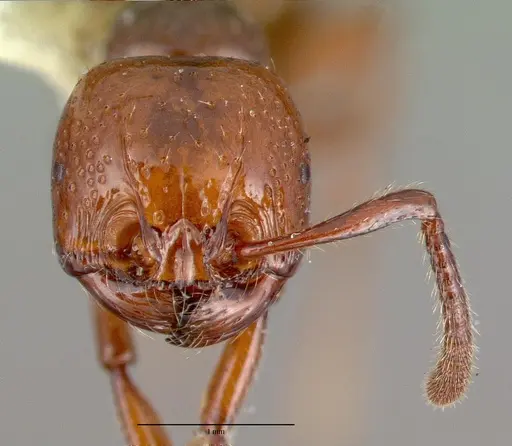
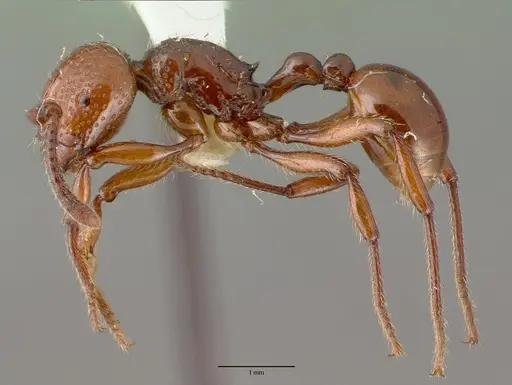
Pristomyrmex umbripennis is a medium-sized ant species native to New Guinea. Workers measure 5.33-6 mm in length and are reddish in color with blackish clypeus and mandibular margins. They have a smooth, shiny appearance with sparse deep round foveae across the head and thorax, each containing a short erect hair. The thorax has a continuous convex dorsum without spines on the pronotum, though the metanotum bears small erect teeth. Queens are slightly larger at 7 mm and are wingless (ergatoid) . This species is distinct due to its sculpture with perfectly round foveae, as described in the original species description .
Quick Summary
- Difficulty: Medium
- Origin & Habitat: New Guinea, specifically Andai [1]. Found in tropical forest habitats.
- Colony Type: Unconfirmed, no data on queen number or social structure from research.
- Size & Growth:
- Queen: 7 mm [1]
- Worker: 5.33-6 mm [1]
- Colony: Unknown, no data on colony size from research.
- Growth: Unknown, no data on growth rate from research.
- Development: Unknown, no data on development timeline from research. (Development timeline not studied, inferred to be similar to other Myrmicinae species.)
- Antkeeping:
- Temperature: Keep warm, roughly 24-28°C, based on tropical habitat. No specific data from research.
- Humidity: Keep humidity moderate to high, with substrate consistently moist but not waterlogged. No specific data from research.
- Diapause: No, tropical species from New Guinea likely does not require hibernation.
- Nesting: Y-tong or plaster nests with moisture chambers are suitable. No specific data from research.
- Behavior: Workers are active foragers. The queen is ergatoid (wingless). Defense mechanism: Based on subfamily Myrmicinae, tribe Crematogastrini, they have a smear defense using a modified stinger. Escape risk is medium due to size, standard prevention measures like fluon barriers are sufficient.
- Common Issues: mold can be an issue if humidity is too high and ventilation poor., predatory diet requires regular protein input, sugar alone is insufficient., ergatoid queen may lead to slower colony growth compared to winged queens., temperature sensitivity, keep away from drafts and cold rooms.
Housing and Nesting
Provide Y-tong or plaster nests with moisture chambers. Since no specific nesting data is available for this species, infer from tropical habitat: keep the nest substrate consistently moist but not waterlogged. The queen is ergatoid (wingless), which may affect colony establishment, but no details are known [1].
Feeding and Diet
No specific dietary data is available from research. Based on genus patterns, Pristomyrmex species are predatory, so offer small live or frozen invertebrates like fruit flies or pinhead crickets. Provide sugar water or honey, but protein is essential. Remove uneaten prey after 24 hours to prevent mold.
Temperature and Humidity
No specific temperature or humidity data is available from research. As a tropical species from New Guinea, keep conditions warm (roughly 24-28°C) and humid. Use a heating cable to create a gradient, and maintain substrate moisture without waterlogging.
Colony Development
Workers are 5.33-6 mm long, and queens are 7 mm and wingless [1]. No data on colony growth or development timeline is available. Inferred growth is moderate, with egg to worker development taking several weeks under optimal conditions.
Behavior and Temperament
Workers are active foragers. The species has a smear defense mechanism based on subfamily Myrmicinae, tribe Crematogastrini. Escape risk is medium due to size, use standard barriers. No aggression data is available, but handle with care.
Frequently Asked Questions
How long does it take for Pristomyrmex umbripennis to produce first workers?
No data is available from research. Inferred from related Myrmicinae species, it may take several weeks under optimal conditions.
What do Pristomyrmex umbripennis eat?
No specific dietary data is available. Based on genus patterns, they are predatory and need small insects and sugar water.
Do Pristomyrmex umbripennis ants sting?
They have a smear defense mechanism but no functional stinger. They may bite if handled.
What temperature do Pristomyrmex umbripennis need?
No specific data is available. Keep them warm, roughly 24-28°C, based on tropical habitat.
Do Pristomyrmex umbripennis need hibernation?
No, as a tropical species from New Guinea, they likely do not require hibernation.
How big do Pristomyrmex umbripennis colonies get?
No data on colony size is available from research.
Can I keep multiple Pristomyrmex umbripennis queens together?
No data is available. Based on typical ant patterns, single-queen colonies are common, but combining queens is not recommended without evidence.
Why is the Pristomyrmex umbripennis queen wingless?
The queen is ergatoid, meaning she was born without wings, as documented in the species description [1].
Is Pristomyrmex umbripennis good for beginners?
This species is rated as medium difficulty due to predatory diet and specific temperature needs, but no data is available on beginner suitability.
When should I move Pristomyrmex umbripennis to a formicarium?
No data is available. Inferred from general antkeeping, move when the colony has several workers and regular foraging activity.
Report an Issue
The current care sheet is based fully on literature. See inconsistencies, or something that's incorrect? Please , it will be resolved after review from an admin. Contributing to the blogs tab also helps providing information, to make us be able to further improve the caresheets. Thank you for your support!
References

This caresheet is licensed under CC BY-SA 4.0 .
Community Blogs
CASENT0010664
View on AntWeb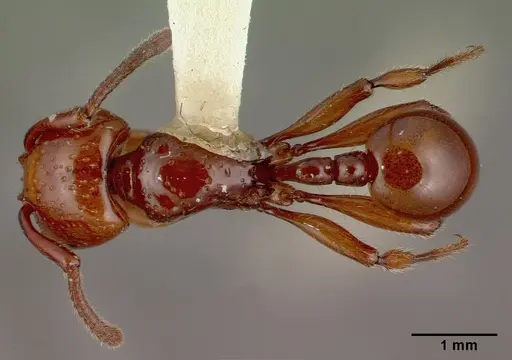
CASENT0901378
View on AntWeb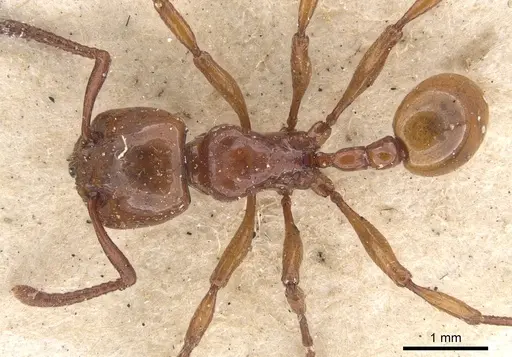
CASENT0901381
View on AntWeb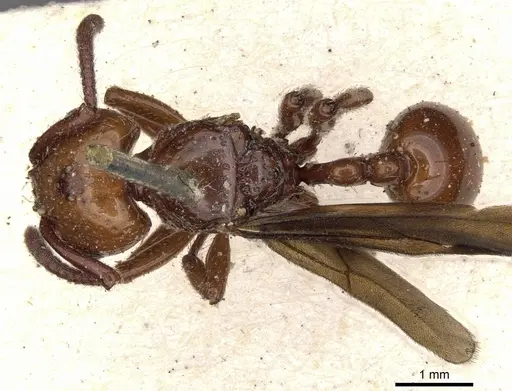
CASENT0901711
View on AntWeb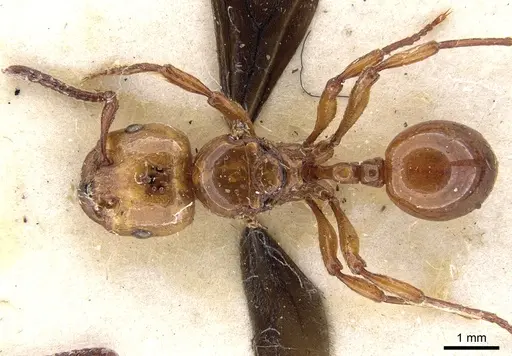
CASENT0901712
View on AntWeb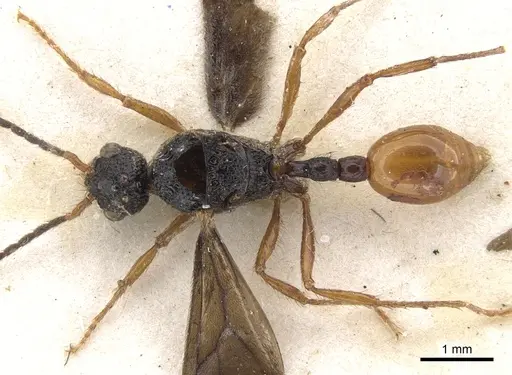
CASENT0901713
View on AntWeb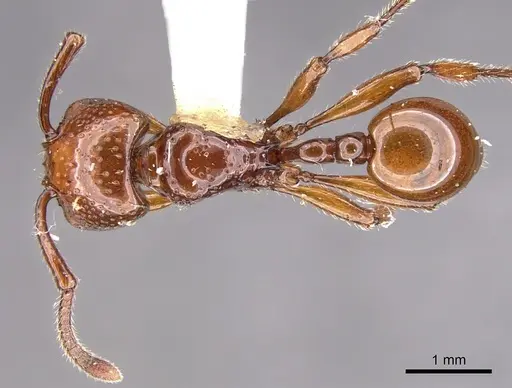
CASENT0904693
View on AntWeb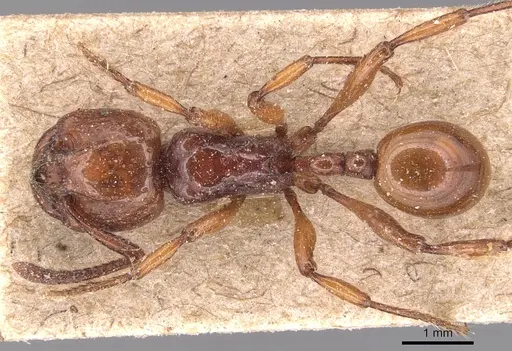
CASENT0916662
View on AntWeb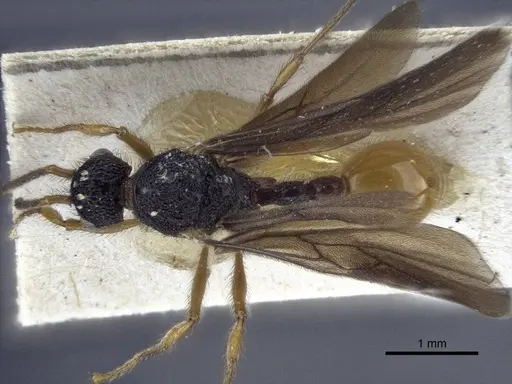
CASTYPE06994
View on AntWeb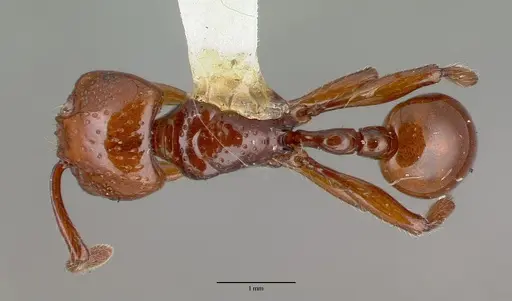
Literature
Loading distribution map...Loading products...