
Pristomyrmex bispinosus
- Sci. Name
- Pristomyrmex bispinosus
- Tribe
- Crematogastrini
- Subfamily
- Myrmicinae
- Author
- Donisthorpe, 1949
- Distribution
- Found in 1 countries
Introduction
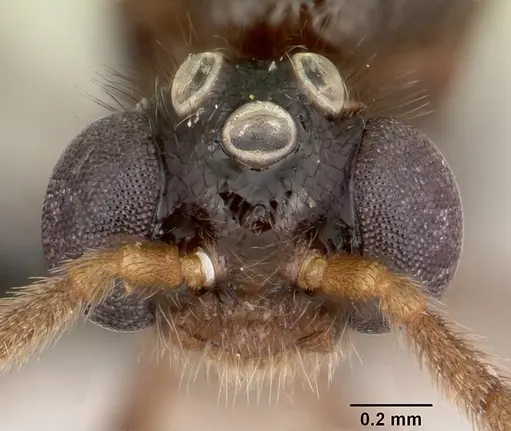
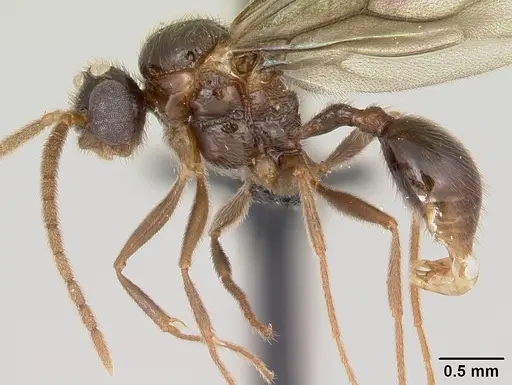
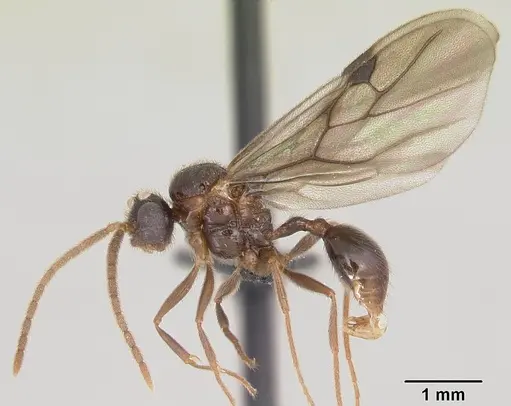
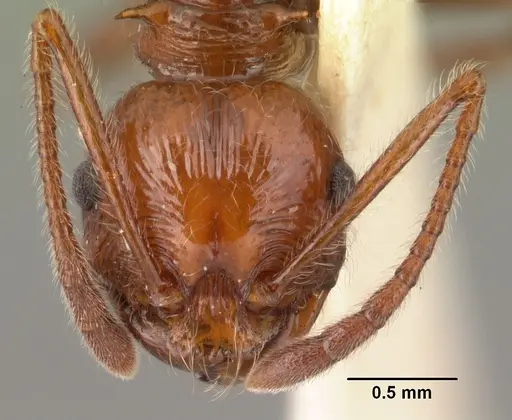
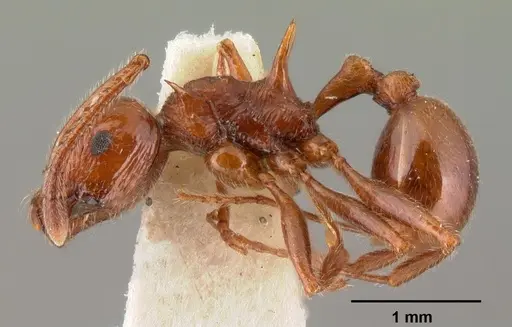
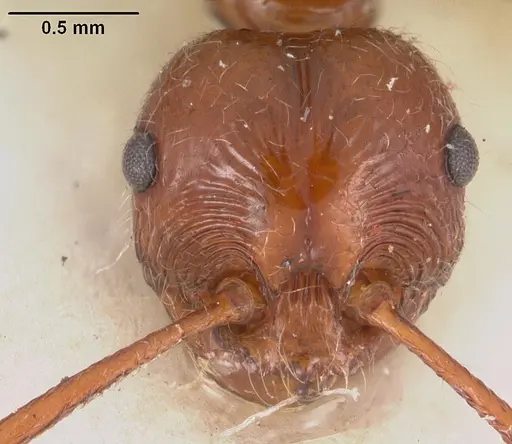
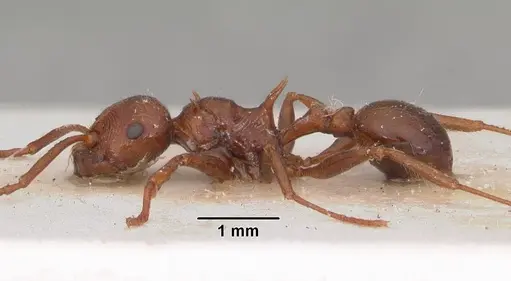
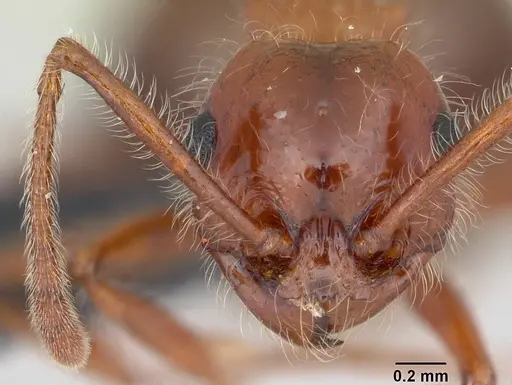
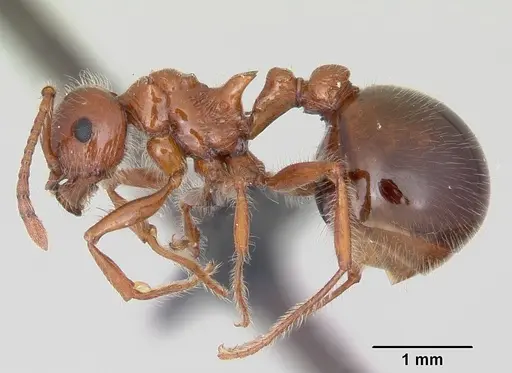
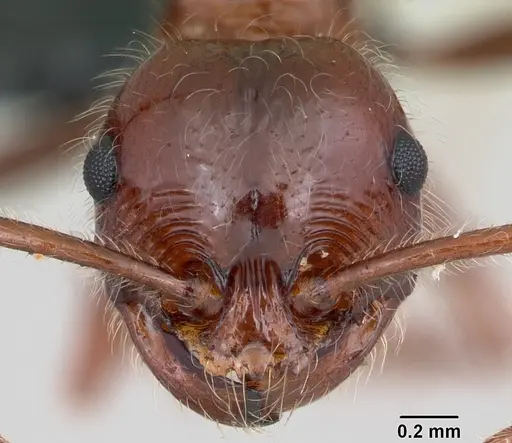
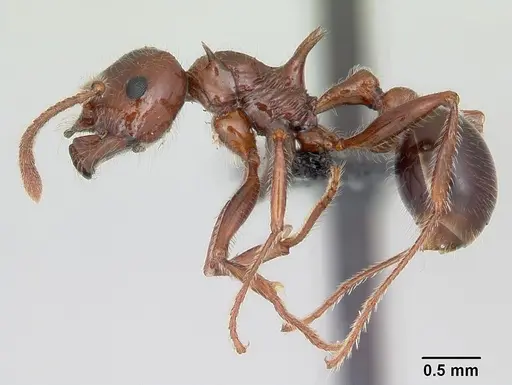
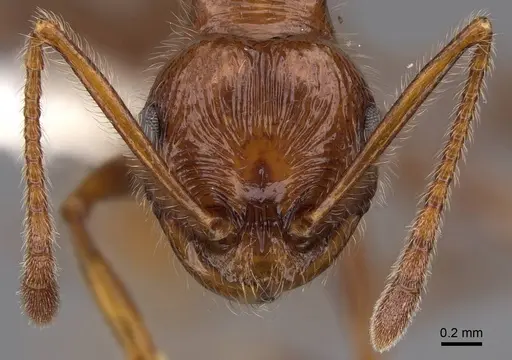
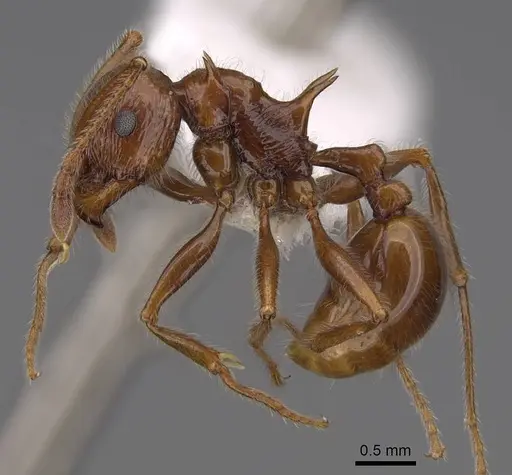
Pristomyrmex bispinosus is a small ant species found only on the islands of Mauritius and Reunion in the Indian Ocean. Workers are 4.36-4.82 mm and have a yellow-brown to reddish-brown body with smooth, shiny surfaces. They have pronotal and propodeal spines, with the propodeal spines forming a forked shape when viewed from above . In the wild, they nest in rot pockets of the native tree Nuxia verticillata (bois maigre), typically 1.5-2 meters above ground . They can also be collected from trees and the ground in forest habitat . Unlike most ants, queens are wingless and start new colonies by fission – a newly inseminated queen walks away from the parent nest with a few workers to set up a new home .
Quick Summary
- Difficulty: Medium
- Origin & Habitat: Endemic to Mauritius and Reunion islands in the Indian Ocean. They nest in rot pockets of Nuxia verticillata trees in forest habitat, usually 1.5-2 meters above ground [2][3]. They are also found foraging on trees and on the ground in forests [1].
- Colony Type: Likely single-queen (monogyne) based on the fission reproduction pattern – a newly inseminated queen leaves with workers to start a separate nest [4]. This has not been directly confirmed.
- Size & Growth:
- Queen: Unknown – queens are wingless [4] but no measurements are available.
- Worker: 4.36-4.82 mm [1]
- Colony: Unknown – no data available.
- Growth: Unknown – no data available.
- Development: Unknown – there is no specific study for this species. Expect several weeks at warm temperature based on similar tropical Myrmicinae species. (Development time and temperature dependence are unconfirmed.)
- Antkeeping:
- Temperature: Keep the nest at 22-26°C. As a tropical island species, they need steady warmth. Use a heating cable on one side of the nest to create a gentle gradient if your room is cooler. Avoid prolonged temperatures below 18°C.
- Humidity: Provide moderate to high humidity – mimic the inside of a tree rot pocket. Keep the nest substrate slightly moist but not waterlogged. Allow some drying between waterings to prevent mold.
- Diapause: No – being a tropical species from Mauritius (~20°S latitude), they do not require hibernation. Keep conditions consistent year-round [4].
- Nesting: They naturally nest in decaying wood cavities. In captivity, a Y-tong (AAC) or plaster nest works well. Use chambers sized for their 4-5 mm workers. Avoid overly wet substrates that could cause mold.
- Behavior: Workers are active foragers that search both on the ground and on vegetation – they have been observed foraging on Nuxia verticillata trees alongside Proceratium avium [2]. As members of tribe Crematogastrini, their stinger is modified to smear venom rather than pierce. They are not particularly aggressive but will defend their nest by wiping venom onto threats. Escape prevention is moderate – they are active climbers but not tiny. Use Fluon or proper lids.
- Common Issues: nesting in decaying wood means you need to provide a suitable wood-like nesting environment – standard test tubes may not be ideal for long-term housing., tropical species requires consistent warmth year-round – temperatures below 18°C can stress the colony and stop brood development., colony reproduction by fission means you cannot easily catch a mated queen alone – you need a fragment with workers. Wild collection may impact threatened island populations [5]., being an endemic species from a small island, wild colonies should be collected only with proper permits – seek captive-bred sources instead [5]., growth rate and colony size are unstudied – be patient and monitor conditions carefully without expecting rapid expansion.
Housing and Nest Setup
Pristomyrmex bispinosus naturally nests in rot pockets of the native tree Nuxia verticillata, usually 1.5-2 meters above ground [2][3]. In captivity, try to replicate this elevated, humid wood environment. A Y-tong (AAC) or plaster nest with narrow chambers works well – these materials mimic decaying wood. Chamber size should suit their 4-5 mm workers. Keep the substrate moist but not waterlogged to avoid mold. Use an outworld with climbing structures since they naturally forage on vegetation. Start a new colony in a test tube setup, then move to a formicarium once the colony has a small worker population (up to 30 workers).
Feeding and Diet
Like most Myrmicinae, Pristomyrmex bispinosus accepts a varied diet. In the wild, foragers have been seen on Nuxia verticillata trees where they may collect honeydew from aphids or other insects [2]. Offer small protein sources like fruit flies, small mealworms, or cricket pieces. Provide sugar water or honey water for energy. Feed protein 2-3 times a week and keep sugar water available constantly. Remove uneaten prey after 24-48 hours to prevent mold. Because workers are small, prey items should be no larger than their head.
Temperature and Seasonal Care
As a tropical species from Mauritius (~20°S latitude), Pristomyrmex bispinosus needs warm, stable temperatures year-round. Keep the nest at 22-26°C for normal activity and brood development. Use a heating cable on one side of the nest to create a gradient if your room is cooler – place the cable on top, not underneath, to avoid drying the nest too fast. Unlike temperate species, they do not need hibernation [4]. Consistent warmth is more important than seasonal changes. Avoid temperatures below 18°C for long periods, as this can stress the colony and slow brood growth.
Colony Reproduction and Growth
This species has a unique way of starting new colonies. Queens are wingless and cannot fly. Instead, after mating, a newly inseminated queen walks away from the parent nest with a group of workers to establish a separate colony – this is called fission [4]. In captivity, you cannot simply introduce a mated queen to a new setup. To split a colony, carefully separate a queen with some workers into a new nest. Colony growth is unstudied – based on typical tree-nesting Myrmicinae, expect slow to moderate growth over months. There is no confirmed egg-to-worker time for this species.
Behavior and Temperament
Workers are active foragers that search on the ground and on trees – they have been observed foraging on Nuxia verticillata trees alongside Proceratium avium [2]. This species belongs to tribe Crematogastrini, which has a modified stinger that smears venom rather than stinging. When threatened, workers may wipe venom onto the attacker. They are not aggressive toward keepers but will defend their nest. They are moderate escape artists – not tiny enough to slip through fine mesh, but active enough to find gaps. Use standard barriers like Fluon or tight lids. Workers likely use chemical trails to recruit nestmates to food sources.
Handling and Interaction
Pristomyrmex bispinosus is a manageable species for antkeepers who can provide the right conditions. They are not very aggressive, but they will smear venom if you disturb the nest. When transferring them, coax them into a test tube rather than picking them up. Their moderate size (4-5 mm workers) makes them easy to observe without a microscope. Because they are a threatened island endemic, avoid collecting wild colonies – look for captive-bred sources instead [5]. Patience is needed since colony growth data is lacking.
Frequently Asked Questions
What size nest do Pristomyrmex bispinosus ants need?
Start a new colony in a small test tube setup. Once the colony has a small worker population (up to 30 workers), move them to a Y-tong (AAC) or plaster nest with chambers sized for 4-5 mm workers. The nest should hold moisture well since they come from tree rot pockets.
How long does it take for Pristomyrmex bispinosus to produce first workers?
There is no specific study on this species. Based on typical tropical Myrmicinae, expect several weeks from egg to first worker at warm temperatures (22-26°C). The exact time is unknown.
Do Pristomyrmex bispinosus ants need hibernation?
No. As a tropical species from Mauritius (~20°S latitude), they do not require hibernation or diapause. Keep temperatures warm and stable year-round between 22-26°C for optimal health [4].
Can I keep multiple Pristomyrmex bispinosus queens together?
Not recommended. This species likely has single-queen colonies based on the fission reproduction pattern where a single newly inseminated queen leaves with workers [4]. Combining unrelated queens would likely cause aggression.
Do Pristomyrmex bispinosus ants sting?
They have a modified stinger that is flattened and used to smear venom onto threats rather than pierce them. This is a characteristic of the tribe Crematogastrini. They are not aggressive, but if handled roughly they may wipe venom on you. The venom is mild for most people.
What do Pristomyrmex bispinosus eat?
They accept a standard ant diet: small insects (fruit flies, small mealworms, cricket pieces) for protein and sugary liquids (sugar water, honey water) for energy. In the wild, they forage on trees like Nuxia verticillata where they may collect honeydew [2]. Feed protein 2-3 times per week and keep sugar water available constantly.
Are Pristomyrmex bispinosus good for beginners?
This species is rated medium difficulty. While not the hardest, they have specific needs: consistent warmth, a wood-based nest, and patience with unknown growth rates. Their unique fission reproduction means you cannot simply catch a mated queen. Also, being a threatened island endemic, wild collection is discouraged [5]. Experienced antkeepers willing to source captive-bred colonies will find them manageable.
How big do Pristomyrmex bispinosus colonies get?
Colony size is not documented. Based on their tree-nesting habits and related species, they likely stay fairly small – perhaps a few hundred workers – but this is speculation. No data is available.
Why is my Pristomyrmex bispinosus colony not growing?
Check three main factors: temperature (should be 22-26°C), humidity (nest should be moist but not waterlogged), and food quality (protein offered regularly). Cold temperatures are a common issue for tropical species. Also ensure the queen is still present and laying eggs – without a healthy queen, the colony cannot grow.
Where is Pristomyrmex bispinosus native to?
It is endemic to Mauritius and Reunion islands in the Indian Ocean. The type locality is Le Pouce mountain in Mauritius [2][3][4]. It is found nowhere else naturally.
When can I move my Pristomyrmex bispinosus to a formicarium?
Wait until the colony has a small worker population (up to 30 workers) and the test tube starts to dry out or get crowded. A Y-tong or plaster nest is suitable. Make sure the new nest is properly humidified before moving them.
Report an Issue
The current care sheet is based fully on literature. See inconsistencies, or something that's incorrect? Please , it will be resolved after review from an admin. Contributing to the blogs tab also helps providing information, to make us be able to further improve the caresheets. Thank you for your support!
References

This caresheet is licensed under CC BY-SA 4.0 .
Community Blogs
CASENT0055726
View on AntWeb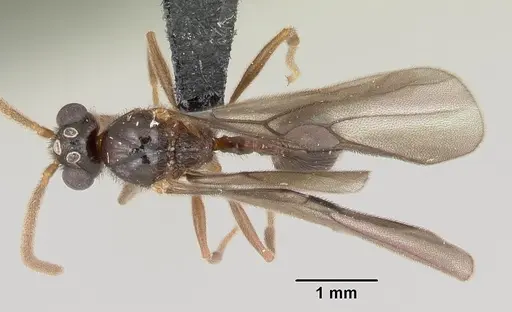
CASENT0101501
View on AntWeb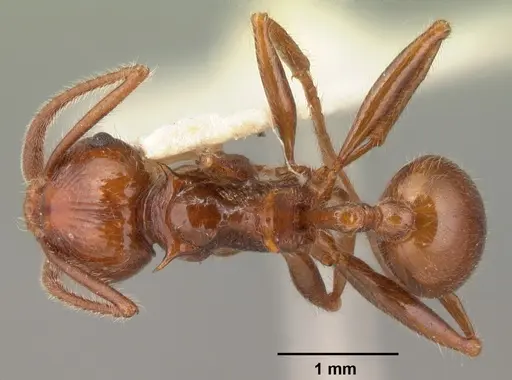
CASENT0102286
View on AntWeb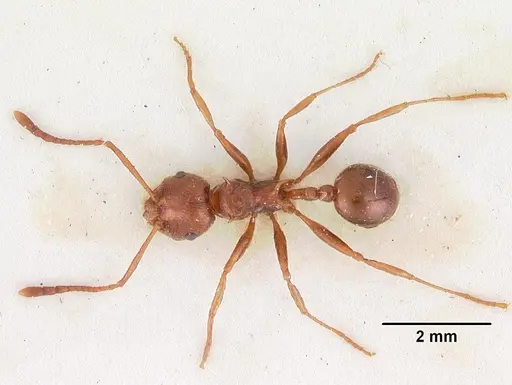
CASENT0104922
View on AntWeb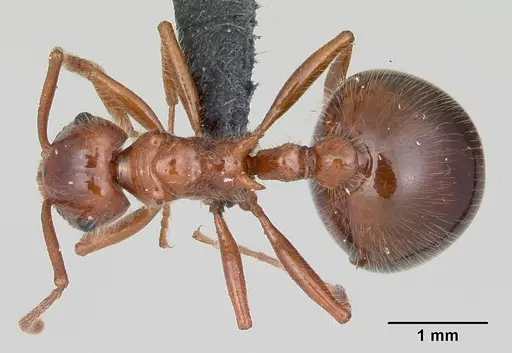
CASENT0104923
View on AntWeb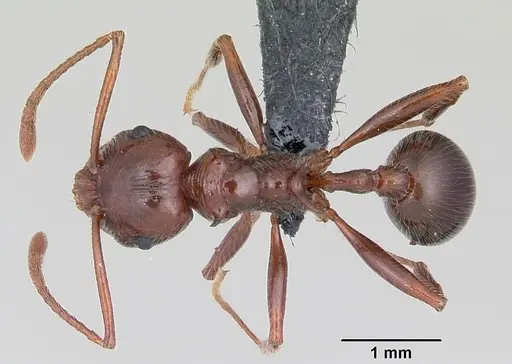
CASENT0922982
View on AntWeb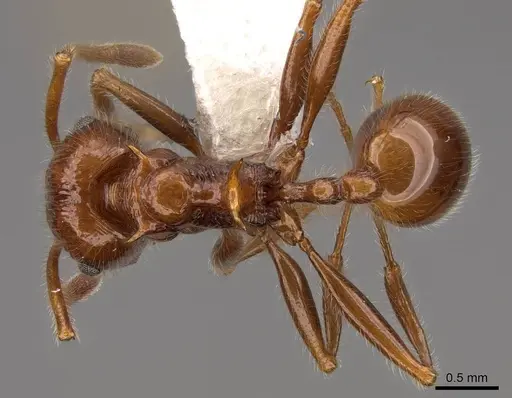
Literature
Loading distribution map...Loading products...