
Prionopelta punctulata
- Sci. Name
- Prionopelta punctulata
- Tribe
- Amblyoponini
- Subfamily
- Amblyoponinae
- Author
- Mayr, 1866
- Distribution
- Found in 4 countries
Introduction
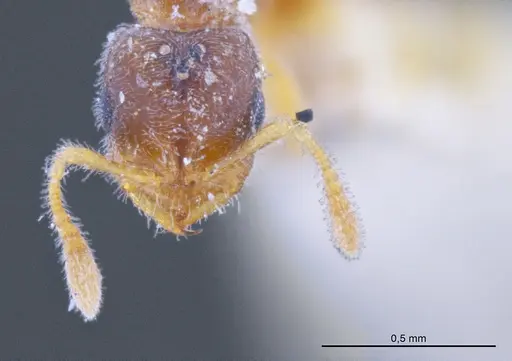
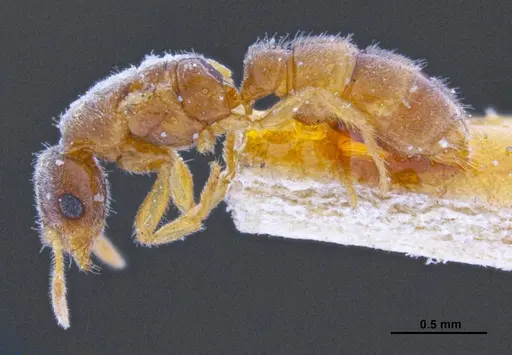
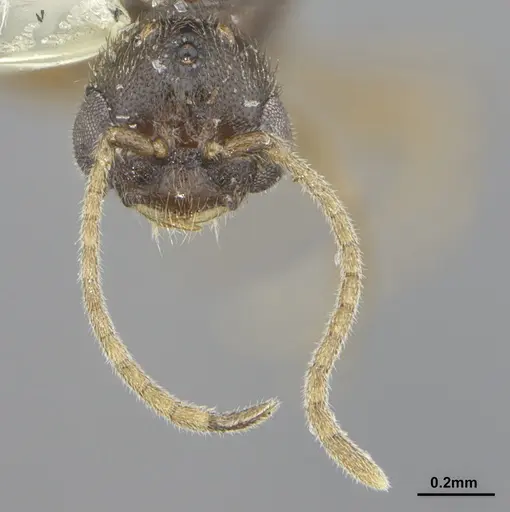
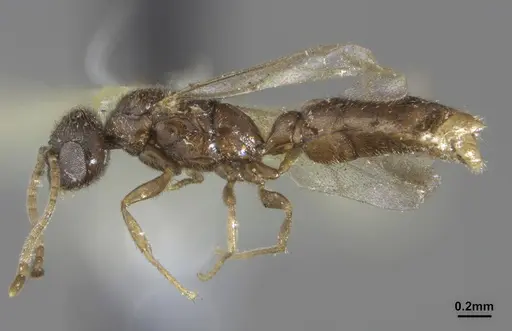
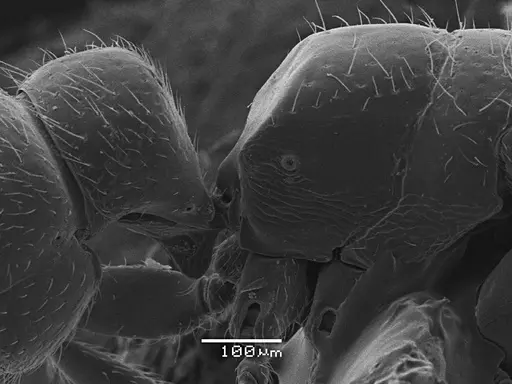
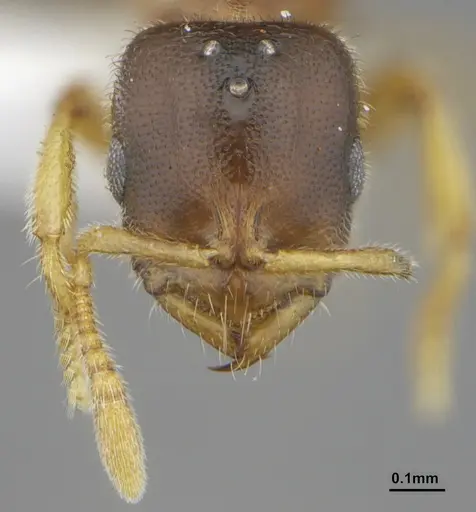
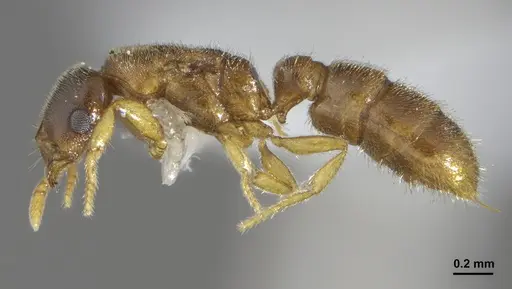
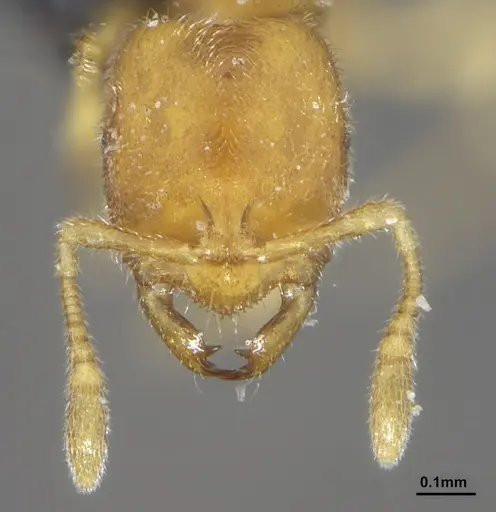
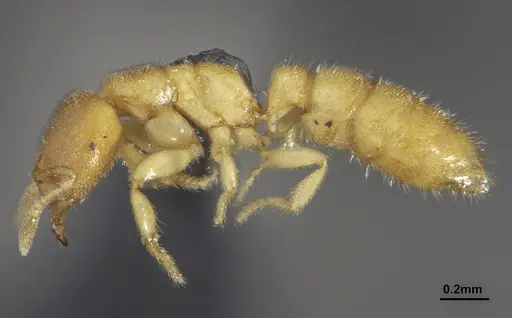
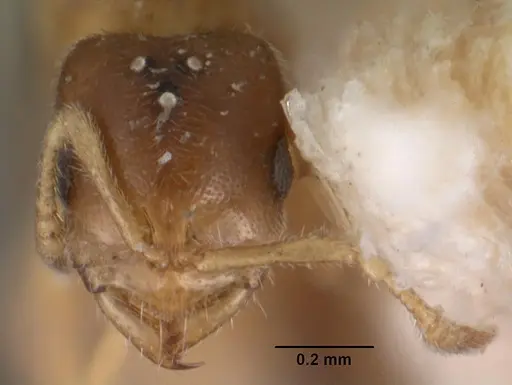
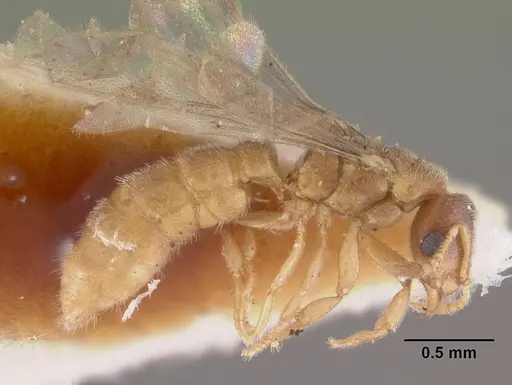
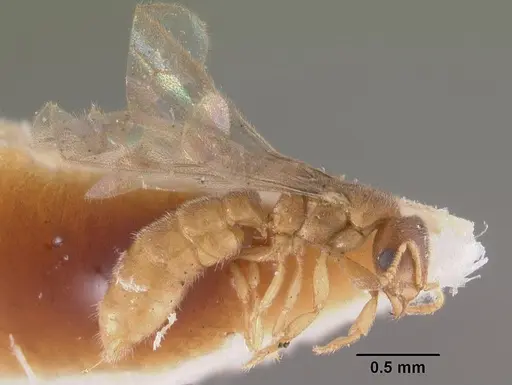
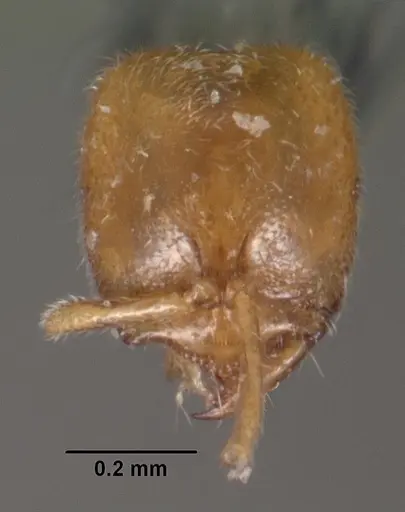
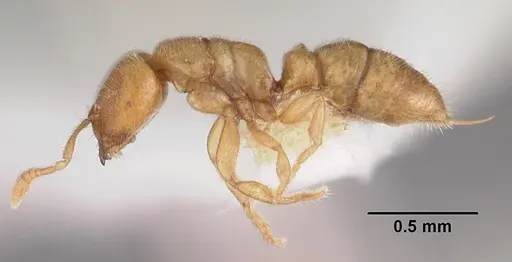
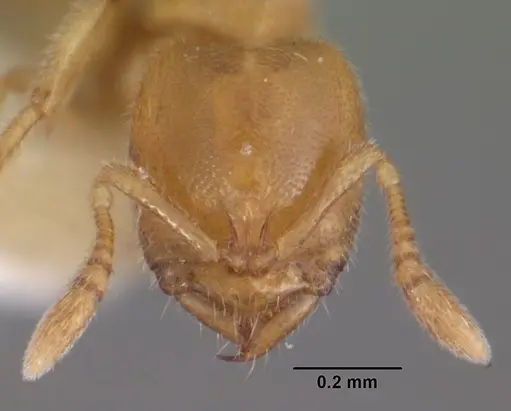
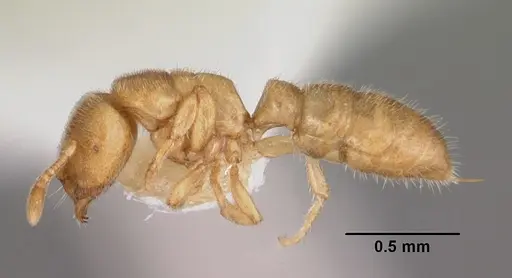
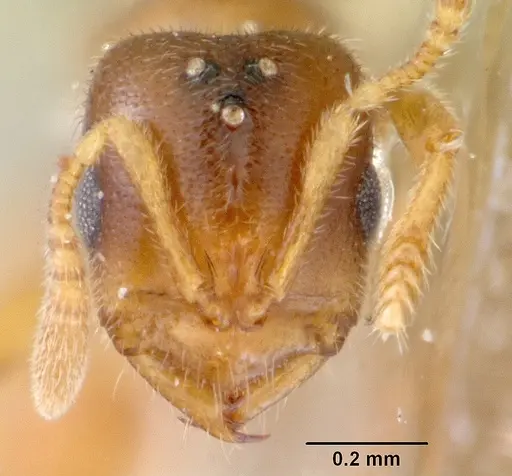
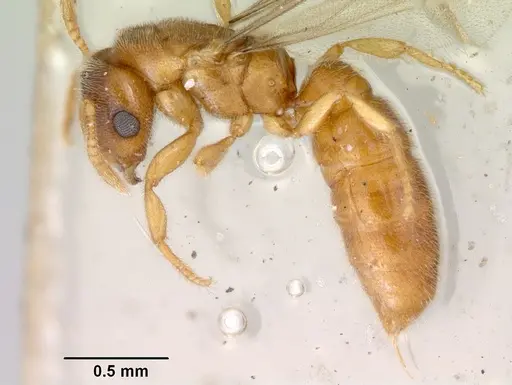
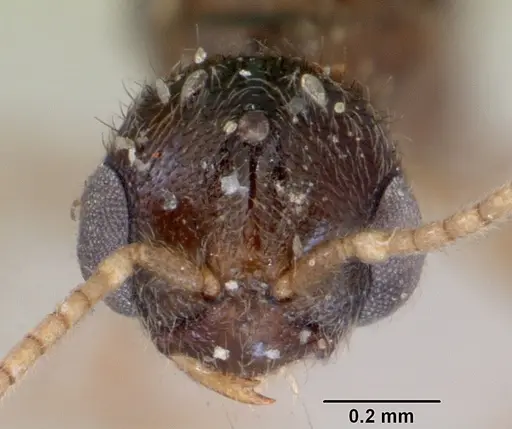
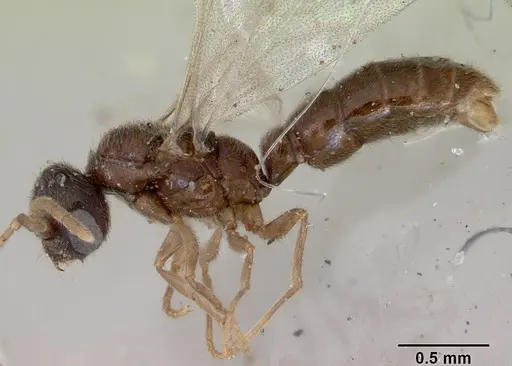
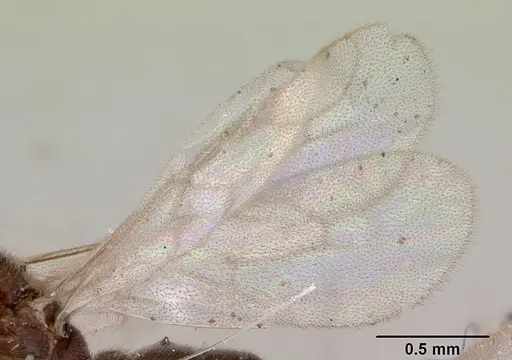
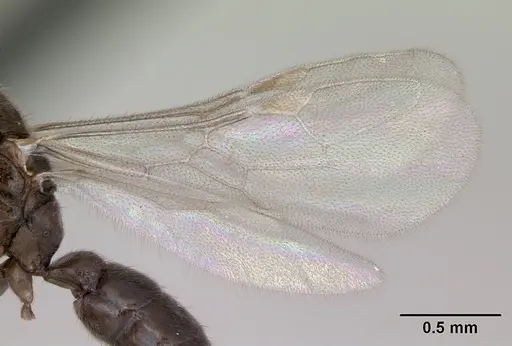
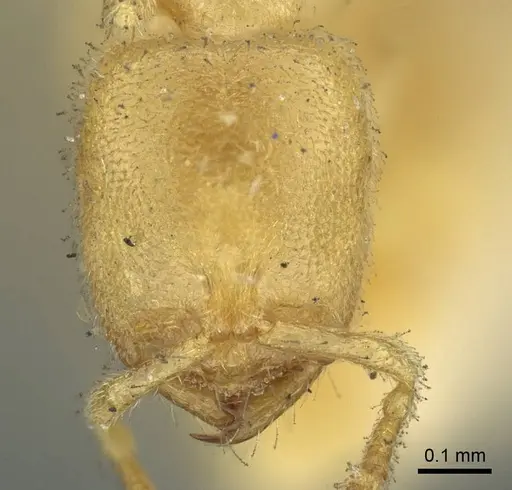
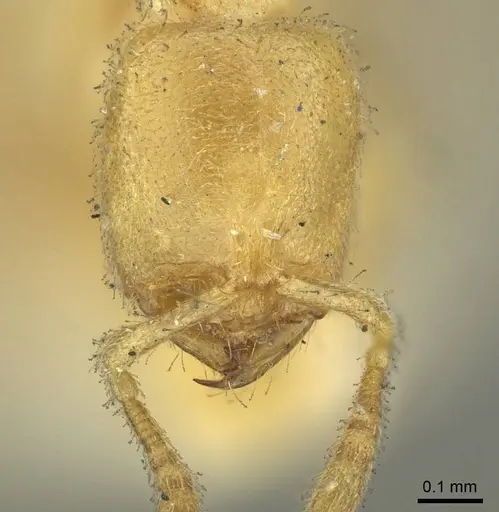
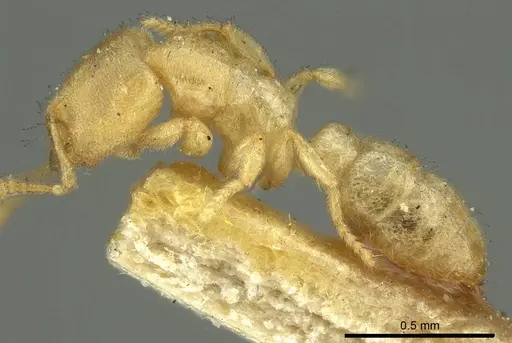
Prionopelta punctulata is a tiny, pale yellow ant with workers measuring 1.32-1.56 mm and queens 1.83-1.91 mm in total length . It has 11 antennal segments and punctulate sculpturing on its body . This species is native to the Neotropical region, found in Argentina, Brazil, and Paraguay, typically in leaf litter within tropical forests at elevations of 170-876 m . P. punctulata is a cryptic, hypogaeic species that lives hidden in leaf litter and soil, making it rare in most sampled areas . It belongs to the Amblyoponinae subfamily, which includes ants with functional stings, though specific defense mechanisms for this species are not documented in the literature.
Quick Summary
- Difficulty: Medium
- Origin & Habitat: Tropical forests in the Neotropical region, Argentina, Brazil, Paraguay. Found in leaf litter at elevations of 170-876 m [1].
- Colony Type: Colony structure is unconfirmed in scientific literature. No data on queen number or social structure.
- Size & Growth:
- Queen: 1.83-1.91 mm total length [1]
- Worker: 1.32-1.56 mm total length [1]
- Colony: Unknown, maximum colony size not documented in context.
- Growth: Likely slow, inferred from small size and cryptic lifestyle
- Development: Unknown, no data on development time (Development time is not studied for this species. Estimates based on related genera are unreliable.)
- Antkeeping:
- Temperature: Unknown, no specific data. Based on tropical habitat, keep warm around 22-26°C.
- Humidity: Unknown, no specific data. Based on leaf-litter habitat, keep substrate consistently moist but not waterlogged.
- Diapause: Unknown, tropical species, likely no diapause required.
- Nesting: Unknown, no specific data. Based on hypogaeic nature, use tight, humid nests like Y-tong (AAC) or plaster with minimal open space.
- Behavior: Cryptic and secretive, rarely seen, as they spend most time hidden in leaf litter [4][5]. Not aggressive, will flee from disturbance. Escape risk is high due to tiny size (1.3-1.6 mm), requiring fine mesh barriers.
- Common Issues: escape prevention is critical, their tiny size means they can slip through small gaps without fine mesh, high humidity is essential, drying out kills them quickly, colonies grow slowly, which may frustrate keepers expecting rapid expansion, rare in the wild, making established colonies hard to acquire, secretive nature means limited observation, which may disappoint keepers
Housing and Nest Setup
Prionopelta punctulata requires careful housing due to its tiny size and humidity needs. Use a Y-tong (AAC) nest with very small chambers or a test tube setup with moist cotton for humidity. Tight chambers are essential, these ants are only 1.3-1.6 mm and will get lost in larger spaces. A small outworld with snug connections works well. Since they are hypogaeic, prefer darkness and minimal light. Excellent escape prevention is mandatory, use fine mesh on all ventilation holes.
Feeding and Diet
P. punctulata is likely predatory, feeding on tiny soil arthropods in the wild. In captivity, offer small live prey like springtails, micro-arthropods, or fruit flies. Protein sources like crushed mealworms may be accepted, but prey must be tiny due to their size. Sugar sources are not primary food sources. Feed small amounts every few days and remove uneaten prey to prevent mold.
Temperature and Humidity
No specific temperature or humidity data is available for this species. Based on their tropical forest habitat, keep temperatures around 22-26°C with a gentle gradient. Humidity is critical, keep the nest substrate consistently moist but not waterlogged, mimicking a damp forest floor. Misting the outworld occasionally helps, but avoid wetting the nest directly.
Behavior and Observation
P. punctulata is a cryptic species that spends most time hidden in leaf litter or soil [4][5]. Workers are not aggressive and will retreat from threats. Colonies remain small, so expect limited activity. Their secretive nature makes observation challenging but unique for keepers interested in hidden ant worlds.
Colony Establishment
Established colonies are rare due to difficulty in collection. If you obtain a queen, house her in a small, humid setup from the start. Founding behavior is unconfirmed, but offering tiny prey items may be beneficial. First workers will be very small, and growth will be slow.
Frequently Asked Questions
How long does it take for Prionopelta punctulata to produce first workers?
Unknown, no data on development time. Estimates from related genera are unreliable, so actual timing may vary.
What do Prionopelta punctulata ants eat?
They are likely predatory, feeding on tiny soil arthropods. In captivity, offer small live prey like springtails or fruit flies.
Are Prionopelta punctulata good for beginners?
No, they are not ideal for beginners due to tiny size, high humidity needs, slow growth, and rarity.
Do Prionopelta punctulata ants sting?
As members of Amblyoponinae, they likely have a functional sting, but at 1.3-1.6 mm, they cannot penetrate human skin or cause pain.
How big do Prionopelta punctulata colonies get?
Unknown, maximum colony size is not documented in the literature.
What temperature do Prionopelta punctulata need?
Unknown, no specific data. Based on tropical habitat, keep around 22-26°C.
Do Prionopelta punctulata need hibernation?
Unknown, as a tropical species, likely no diapause required.
Why are my Prionopelta punctulata dying?
Common causes include drying out (need constant humidity), escape (tiny size), or starvation (need small live prey). Check setup for gaps and keep substrate moist.
Can I keep multiple Prionopelta punctulata queens together?
Not documented. Based on typical ant behavior, it is not recommended to combine unrelated queens.
When should I move Prionopelta punctulata to a formicarium?
Wait until the colony has several workers and the test tube is crowded, but given their small size, a well-prepared nest may suffice for the colony's entire life.
Report an Issue
The current care sheet is based fully on literature. See inconsistencies, or something that's incorrect? Please , it will be resolved after review from an admin. Contributing to the blogs tab also helps providing information, to make us be able to further improve the caresheets. Thank you for your support!
References

This caresheet is licensed under CC BY-SA 4.0 .
Community Blogs
ANTWEB1041476
View on AntWeb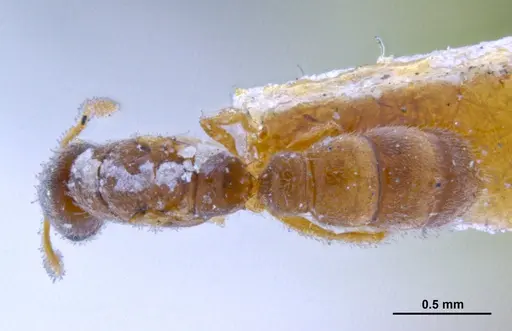
ANTWEB1041477
View on AntWeb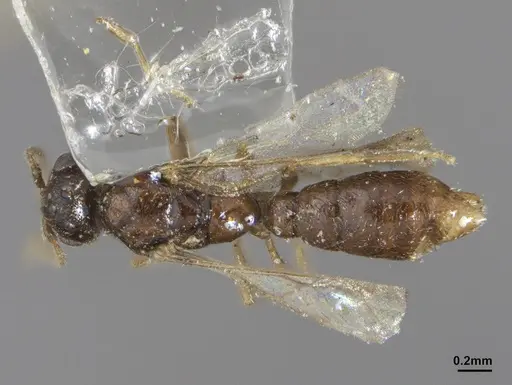
ANTWEB1041478
View on AntWeb
ANTWEB1041479
View on AntWeb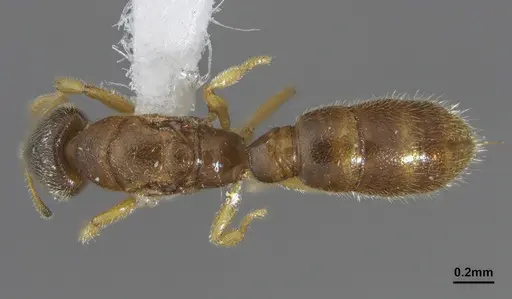
ANTWEB1041480
View on AntWeb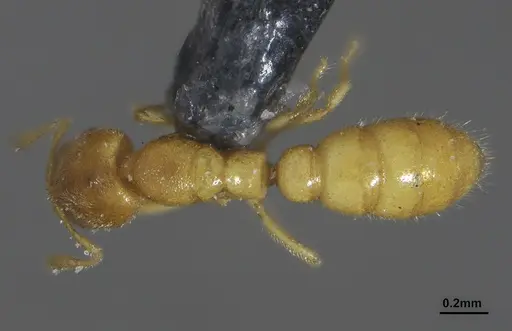
CASENT0102503
View on AntWeb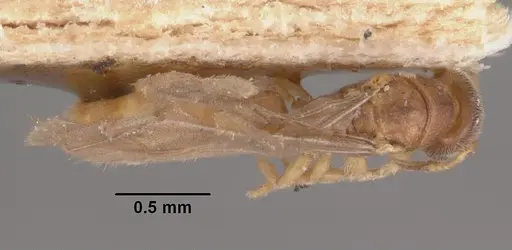
CASENT0102505
View on AntWeb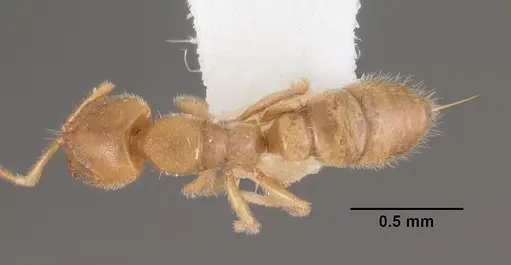
CASENT0102586
View on AntWeb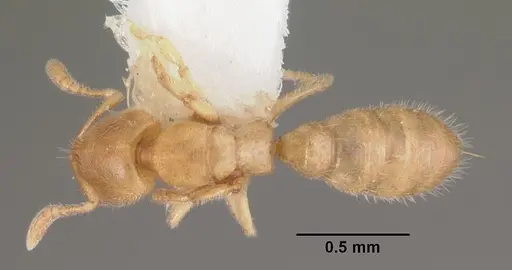
CASENT0172312
View on AntWeb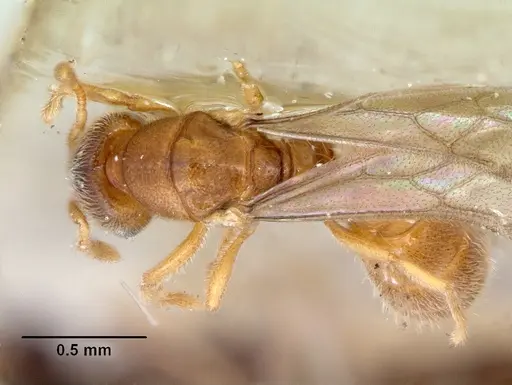
CASENT0172313
View on AntWeb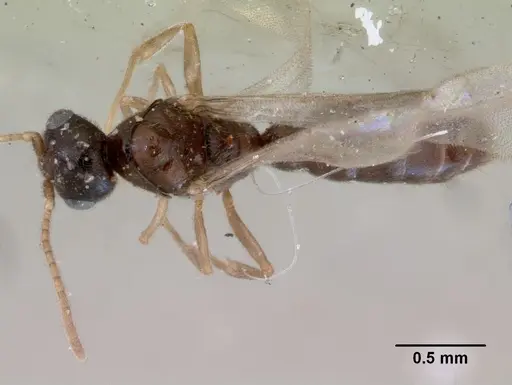
CASENT0173506
View on AntWeb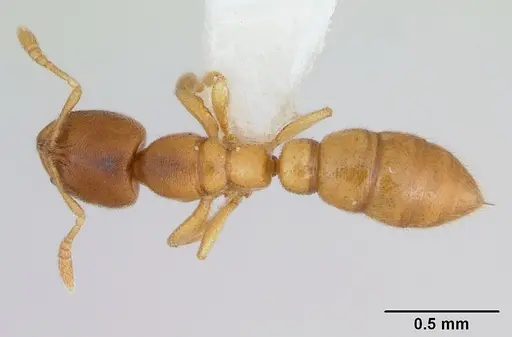
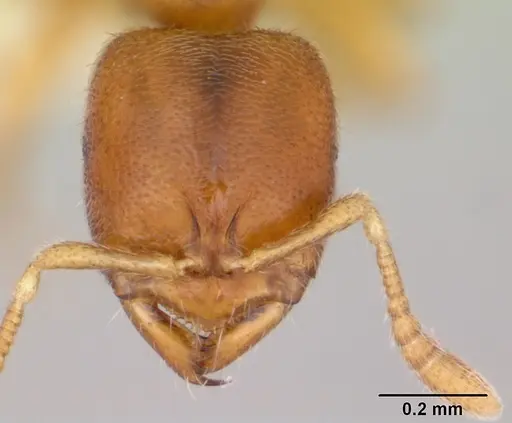
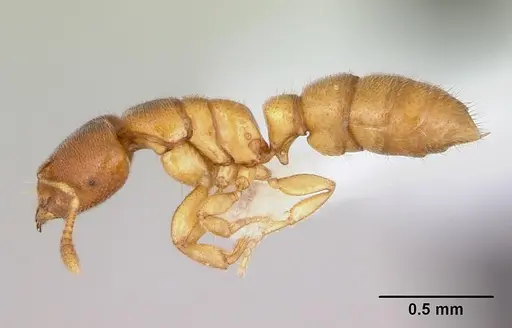
CASENT0173507
View on AntWeb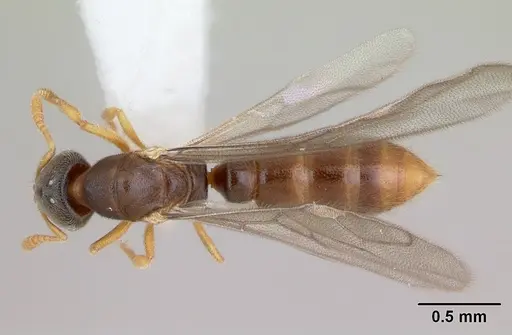
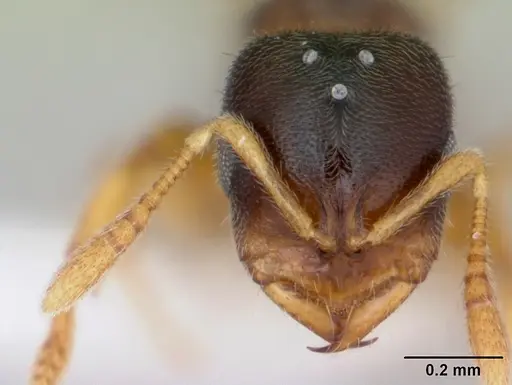
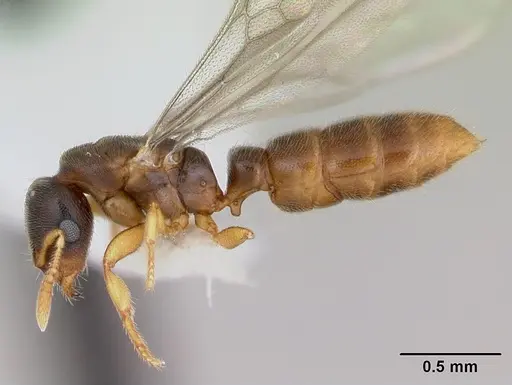
CASENT0173508
View on AntWeb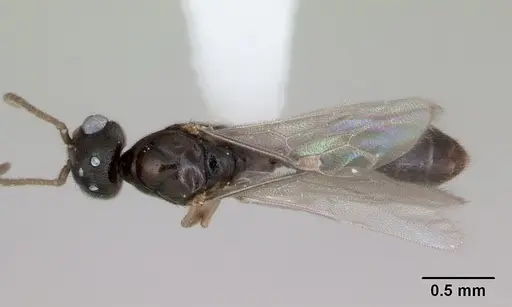
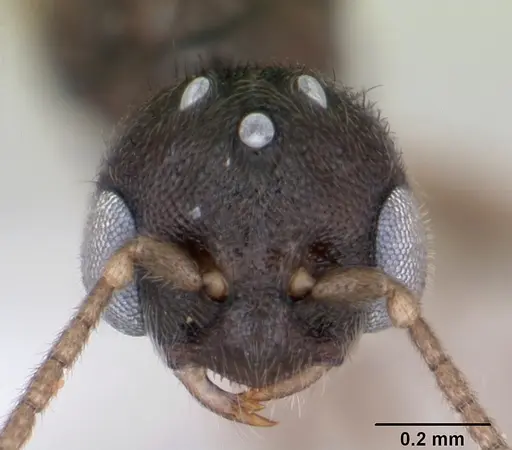
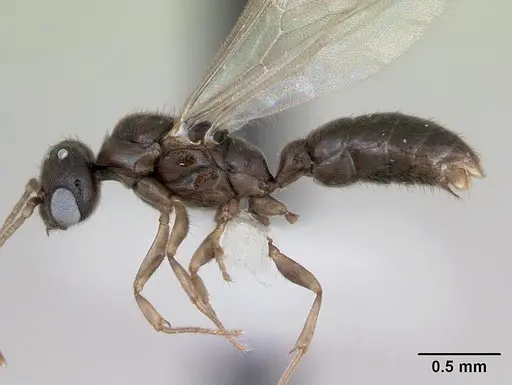
CASENT0915650
View on AntWeb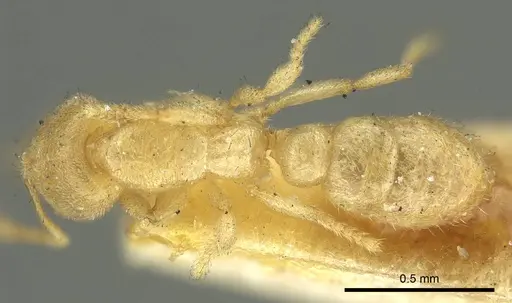
Literature
Loading distribution map...Loading products...