
Prionopelta nominata
- Sci. Name
- Prionopelta nominata
- Tribe
- Amblyoponini
- Subfamily
- Amblyoponinae
- Author
- Smith, 1871
- Distribution
- Found in 3 countries
Introduction
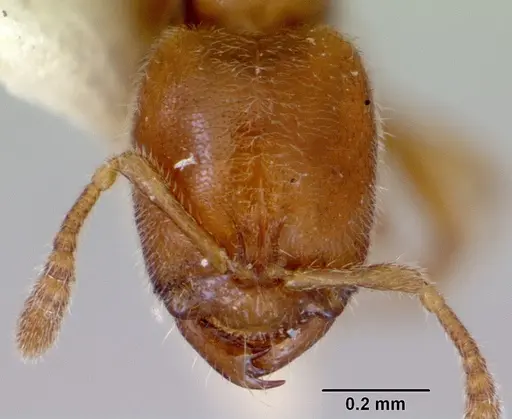
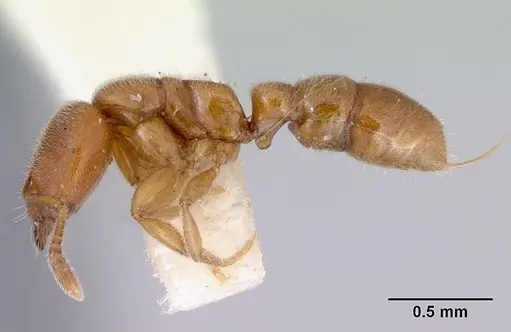
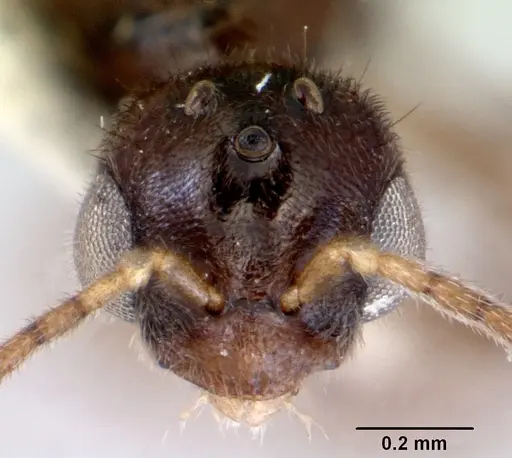
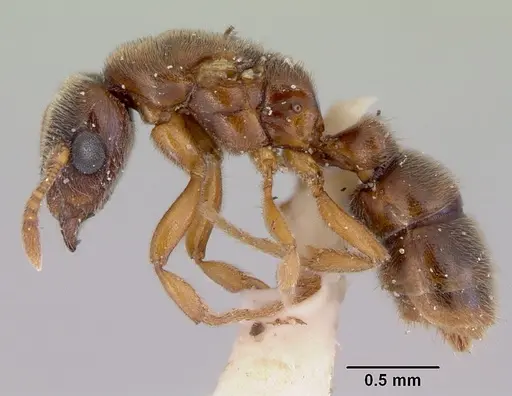
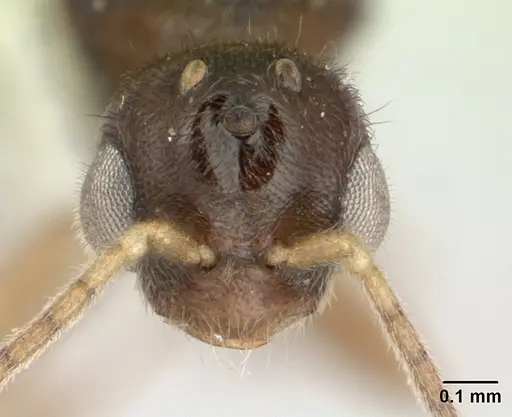
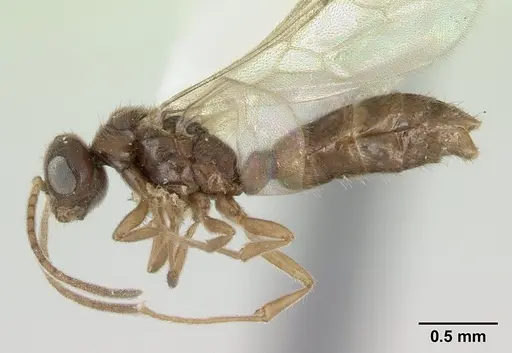
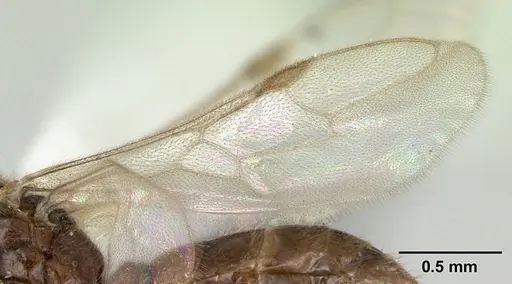
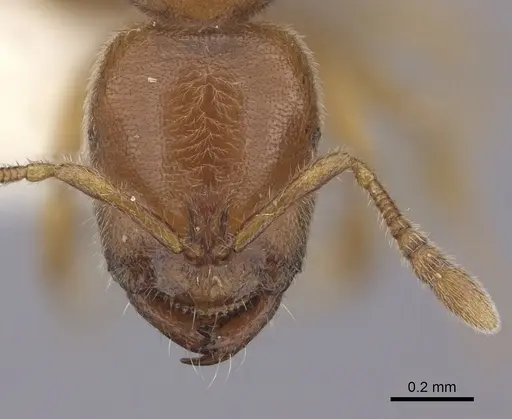
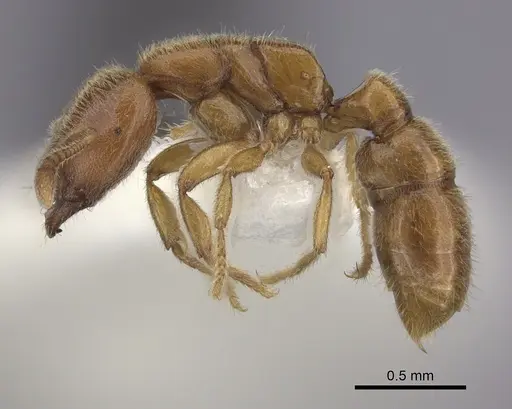
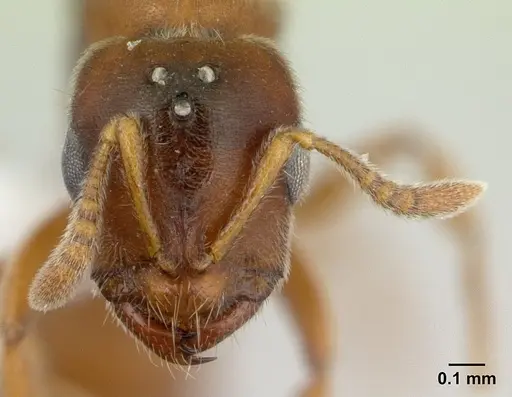
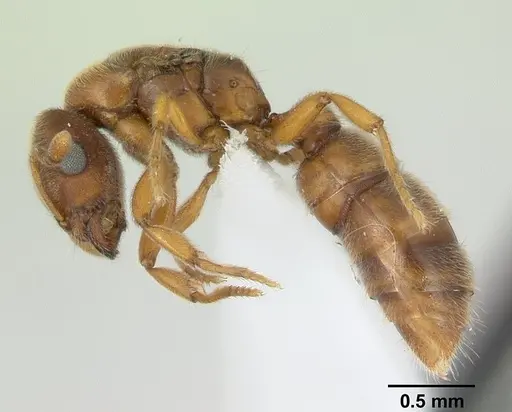
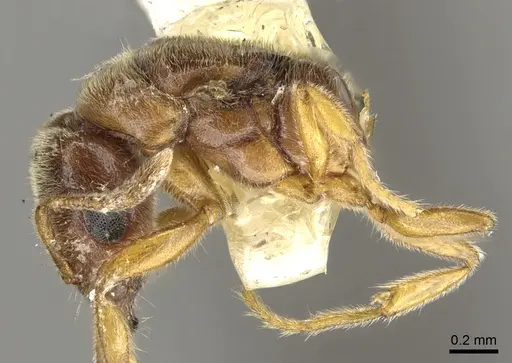
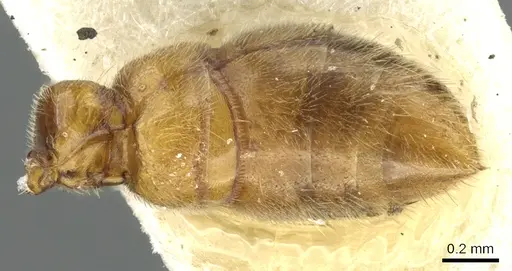
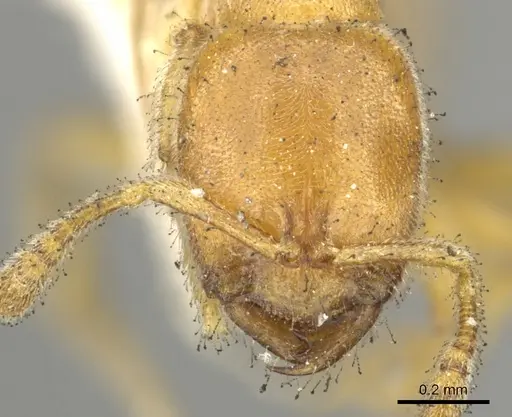
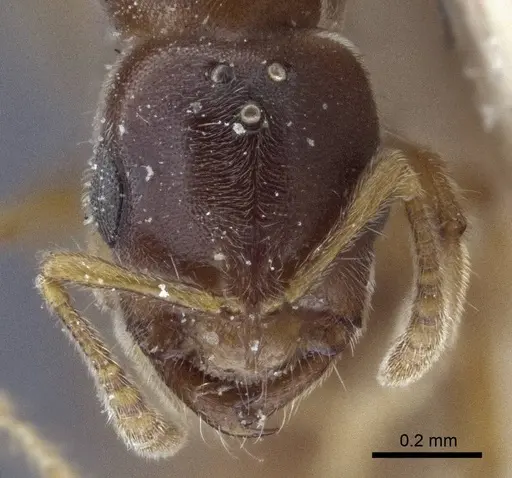
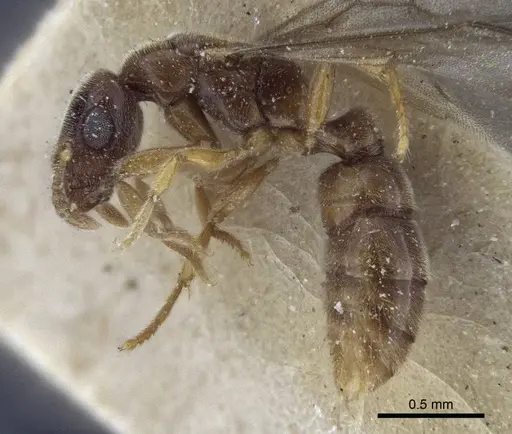
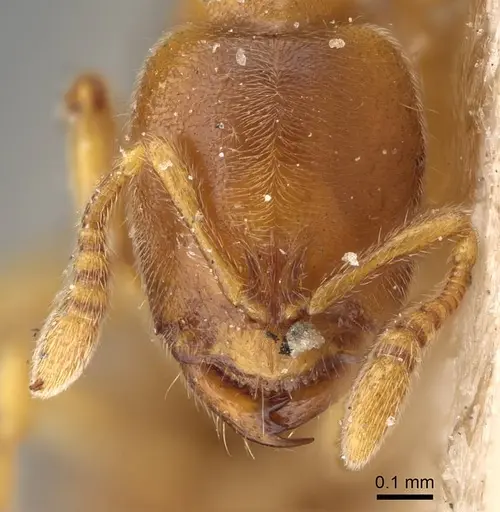
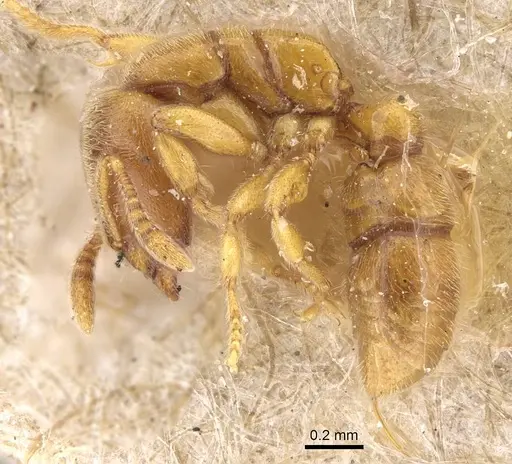
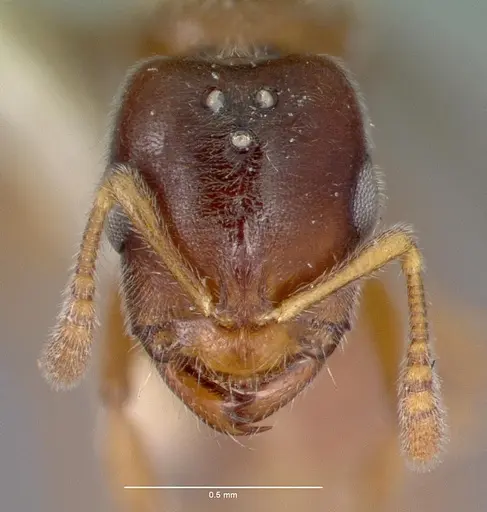
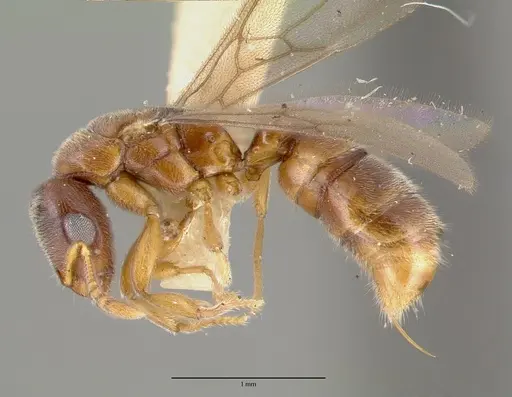
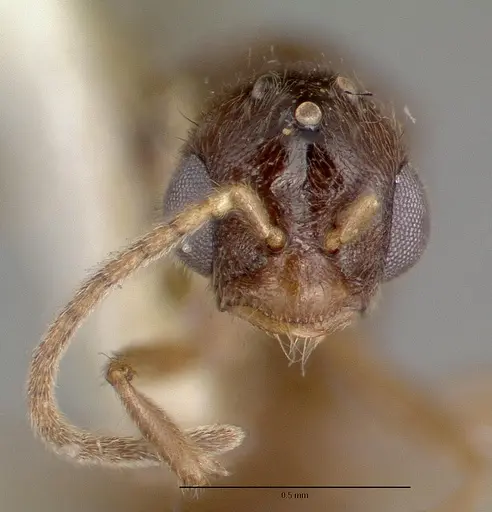
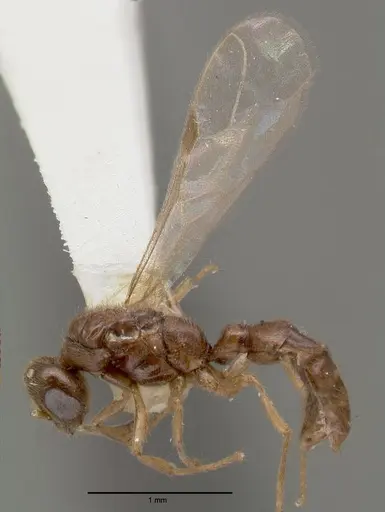
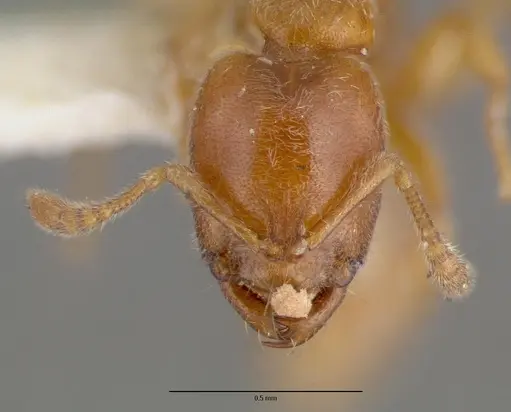
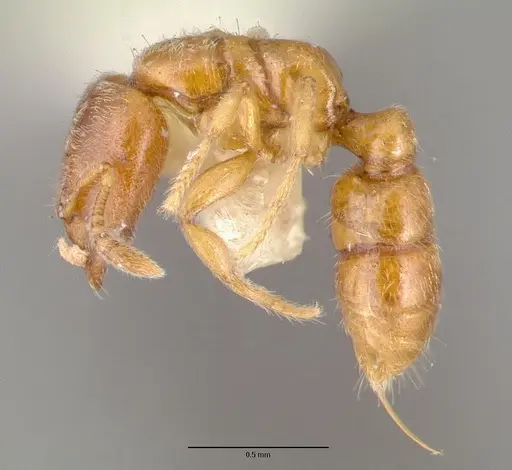
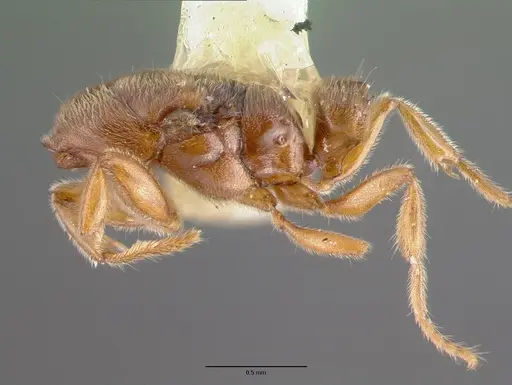
Prionopelta nominata is a tiny ant native to the rainforests and coral limestone areas of New Guinea and the Solomon Islands. Full body size data is unavailable, but workers are among the smallest ants in the hobby . Queens are slightly larger and sometimes yellow-brown . These ants nest in rotten wood in their natural habitat . The genus Prionopelta is relatively rare in antkeeping, and this species offers an opportunity to keep an uncommon ant from a remote, biodiverse region.
Quick Summary
- Difficulty: Medium
- Origin & Habitat: Rainforests and coral limestone areas of New Guinea, Indonesia, Papua New Guinea, and the Solomon Islands. Nests in rotten wood [1][2].
- Colony Type: Colony structure is unconfirmed. The Amblyoponinae subfamily includes various systems, but specific data for P. nominata is lacking.
- Size & Growth:
- Antkeeping:
- Temperature: Keep at warm temperatures around 24-28°C, as inferred from tropical rainforest habitat [1].
- Humidity: Keep the nest substrate consistently moist but not waterlogged, mimicking rotten wood habitats [1].
- Diapause: No, tropical species do not require diapause.
- Nesting: Provide a moist nesting environment with tight chambers, such as Y-tong or damp wood [1].
- Behavior: These ants are cryptic and reclusive, spending most time in the nest. They use a sting to paralyze prey, as typical for Amblyoponinae. Escape prevention is critical due to their tiny size.
- Common Issues: escape prevention is critical due to tiny size, high humidity requirements can lead to mold if ventilation is poor, wild-caught colonies may be difficult to establish, slow colony growth may lead to keeper impatience, tropical species may not tolerate temperature drops
Housing and Nest Setup
Prionopelta nominata requires a moist, enclosed nesting environment that mimics rotting wood. Use Y-tong formicarium with tight chambers or a naturalistic setup with damp wood. Keep the nest substrate consistently moist but not waterlogged [1]. Place the nest in a dark location, as these cryptic ants prefer dim conditions.
Feeding and Diet
These ants are likely predacious, feeding on small invertebrates in the wild. In captivity, offer small live prey such as springtails or fruit flies. Sugar sources are not typically accepted by Amblyoponinae species. Remove uneaten prey promptly to prevent mold.
Temperature and Humidity
Maintain temperatures between 24-28°C, with a slight gradient if possible. High humidity is critical, keep the nest substrate damp to the touch [1]. Avoid temperature drops below 20°C.
Behavior and Temperament
Prionopelta nominata is cryptic and reclusive, with workers spending most time in the nest. They use a sting to paralyze prey, as typical for Amblyoponinae. Escape prevention is essential due to their tiny size [1]. Colonies are likely small and slow-growing.
Colony Establishment
Establishing a colony can be challenging due to lack of specific data. Provide a quiet, dark location with consistent moisture and temperature. Do not disturb the founding chamber. Patience is essential, as growth may be slow.
Frequently Asked Questions
How long does it take for Prionopelta nominata to produce first workers?
The exact timeline is unconfirmed. No specific data is available for this species.
Can I keep Prionopelta nominata in a test tube?
A test tube can work for a single queen or small colony, but ensure excellent escape prevention due to their tiny size. Monitor humidity closely.
What do Prionopelta nominata ants eat?
They are likely predacious, accepting small live prey like springtails or fruit flies. Sugar sources are unlikely to be accepted.
Do Prionopelta nominata ants sting?
Yes, they use a sting to paralyze prey, as typical for Amblyoponinae. Their tiny size means any sting is negligible to humans.
Are Prionopelta nominata good for beginners?
This species is not ideal for beginners due to specific humidity requirements, critical escape prevention, and limited care information.
How big do Prionopelta nominata colonies get?
Colony size is unknown, but based on tiny worker size, colonies are likely small.
Do Prionopelta nominata need hibernation?
No, as a tropical species, they do not require diapause.
Why are my Prionopelta nominata escaping?
Their minute size allows them to squeeze through tiny gaps. Use fine mesh and apply fluon to all edges [1].
When should I move Prionopelta nominata to a formicarium?
Move them when the test tube becomes crowded, but prefer enclosed, humid spaces like Y-tong nests.
Can I keep multiple Prionopelta nominata queens together?
Colony structure is unconfirmed, so combining unrelated queens is not recommended.
Report an Issue
The current care sheet is based fully on literature. See inconsistencies, or something that's incorrect? Please , it will be resolved after review from an admin. Contributing to the blogs tab also helps providing information, to make us be able to further improve the caresheets. Thank you for your support!
References

This caresheet is licensed under CC BY-SA 4.0 .
Community Blogs
CASENT0100378
View on AntWeb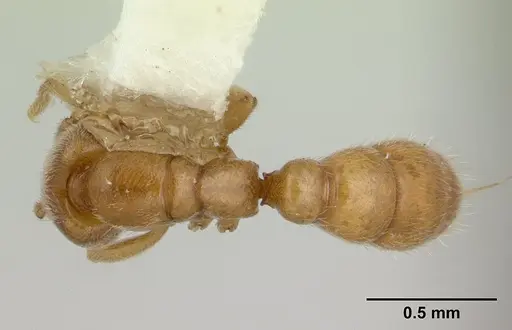
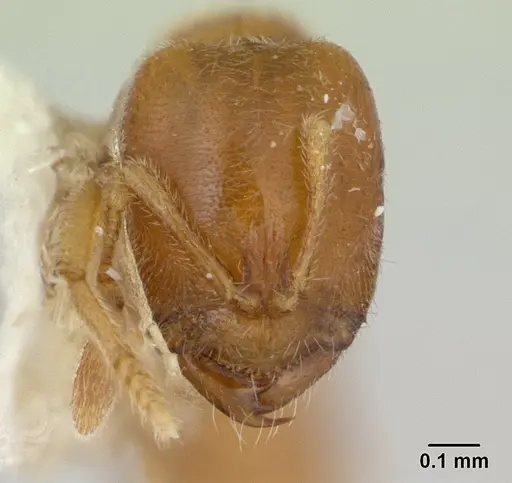
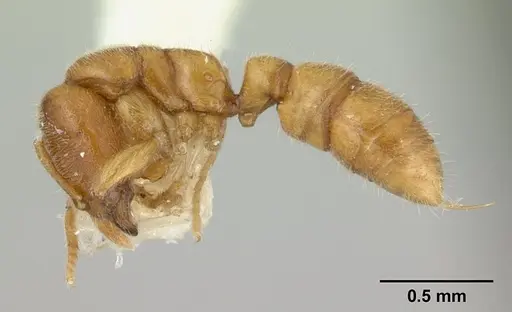
CASENT0102525
View on AntWeb


CASENT0172308
View on AntWeb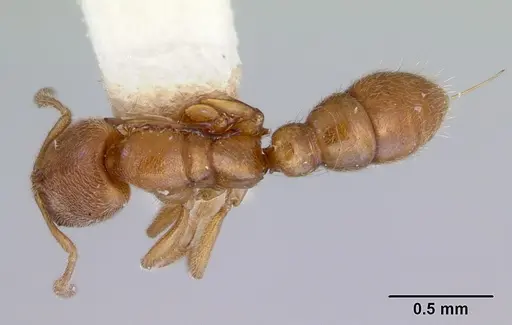
CASENT0172309
View on AntWeb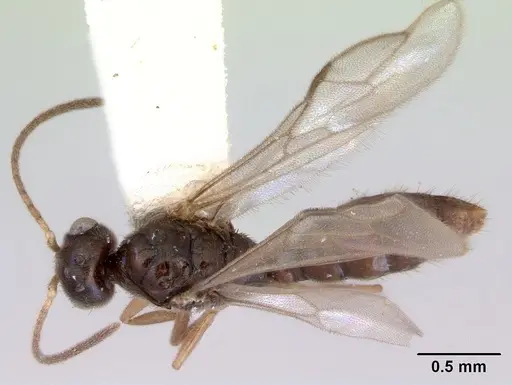
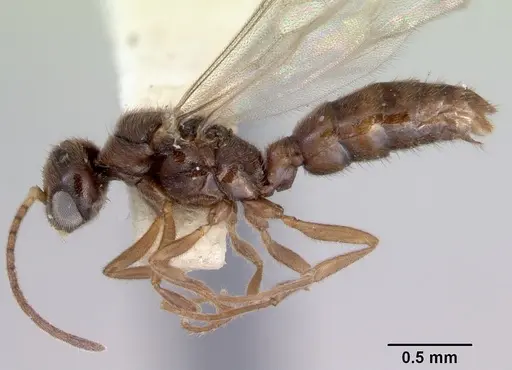
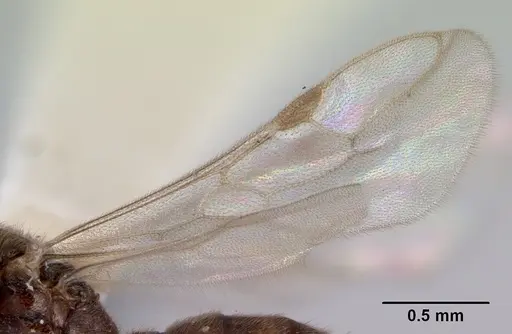
CASENT0172310
View on AntWeb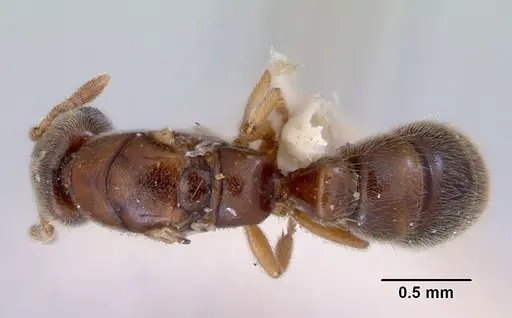
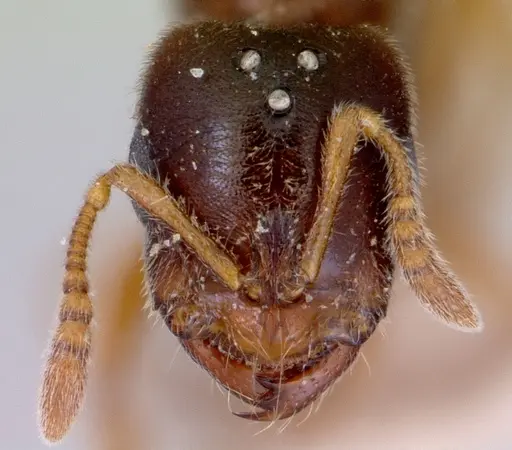
CASENT0178837
View on AntWeb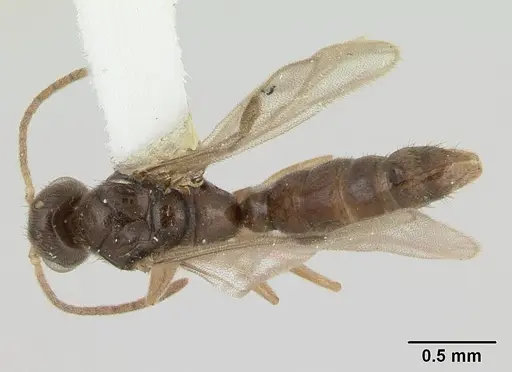
CASENT0260465
View on AntWeb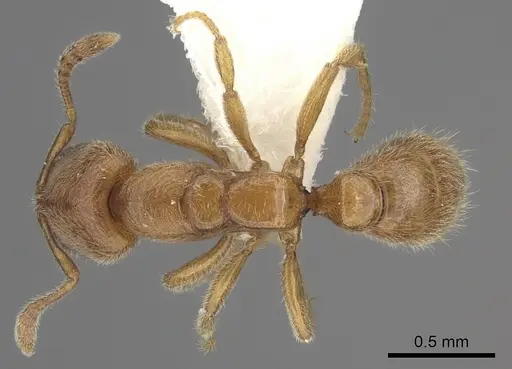
CASENT0434885
View on AntWeb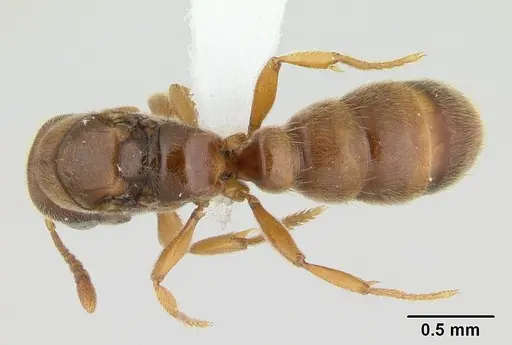
CASENT0902627
View on AntWeb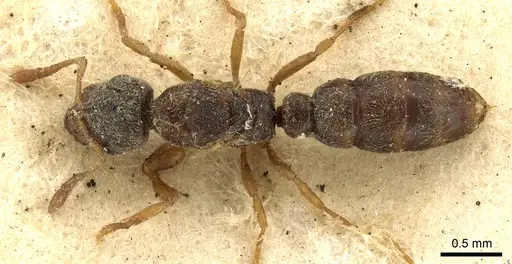
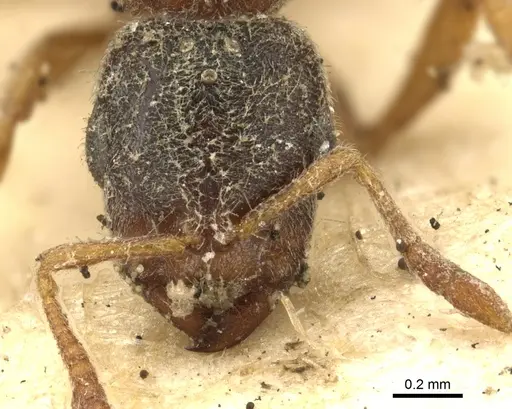
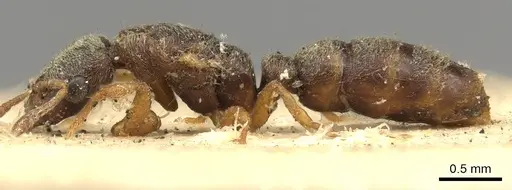
CASENT0902628
View on AntWeb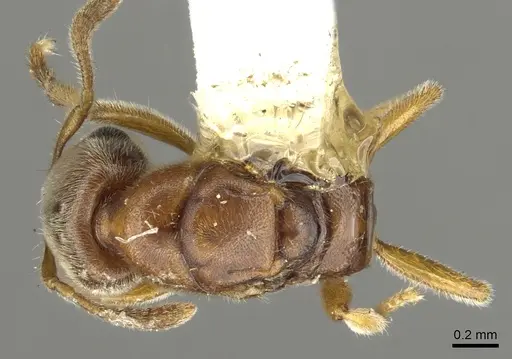
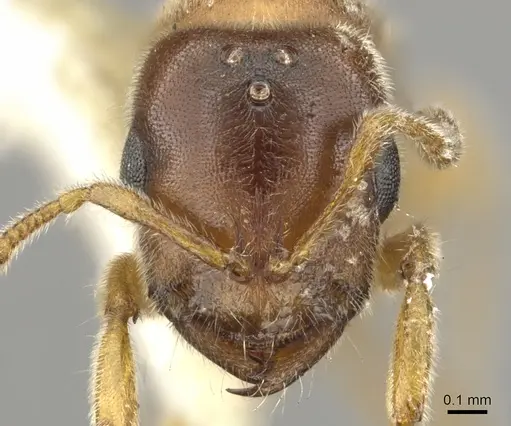
CASENT0902629
View on AntWeb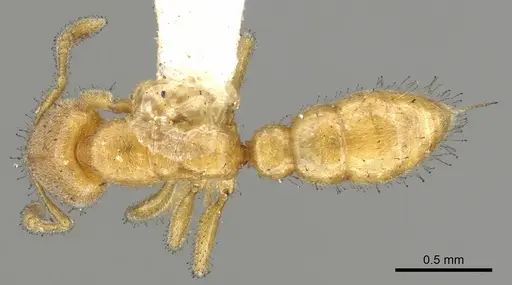
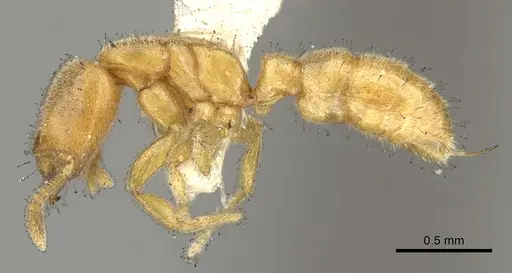
CASENT0903804
View on AntWeb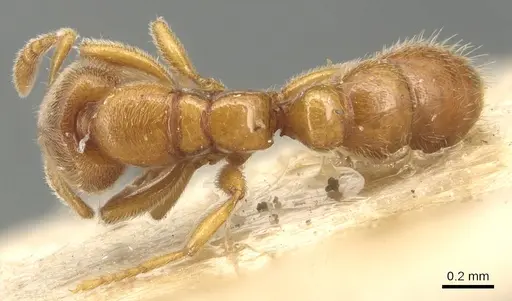
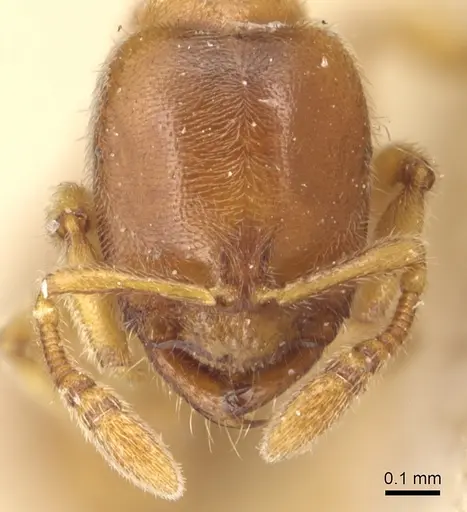
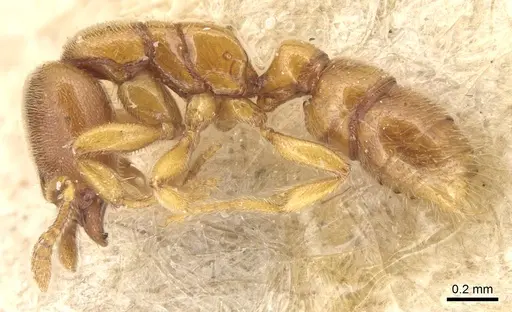
CASENT0916704
View on AntWeb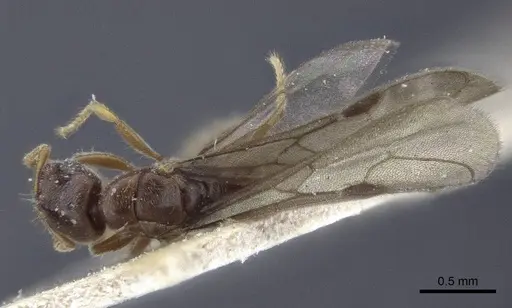
CASENT0922427
View on AntWeb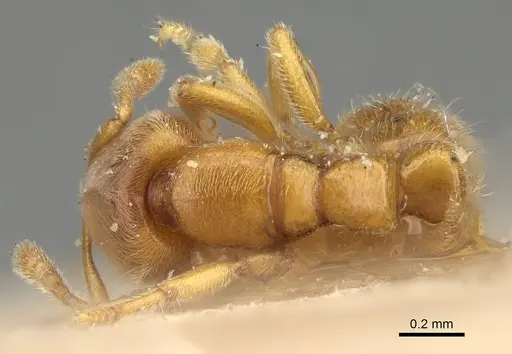
CASTYPE06925-01
View on AntWeb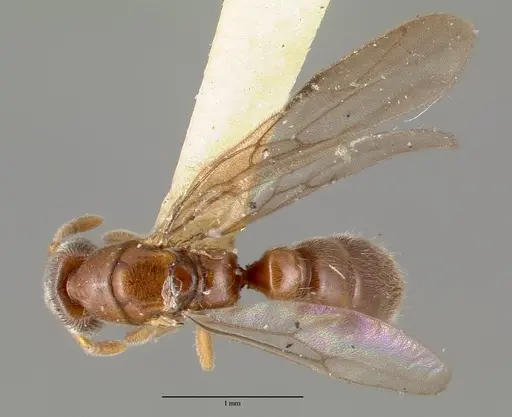
CASTYPE06925-02
View on AntWeb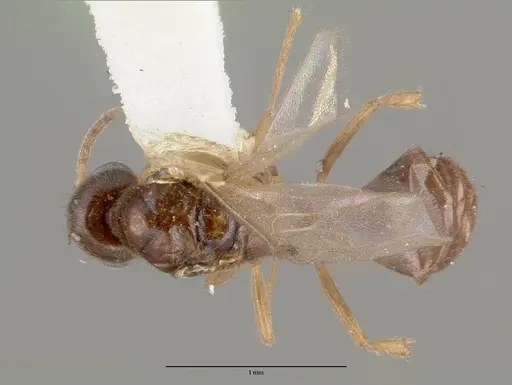
CASTYPE06925-03
View on AntWeb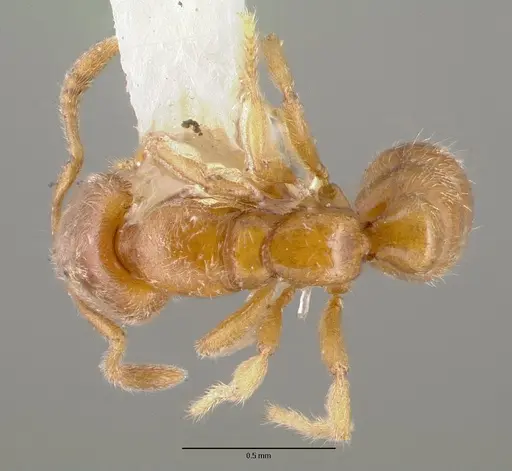
CASTYPE06987
View on AntWeb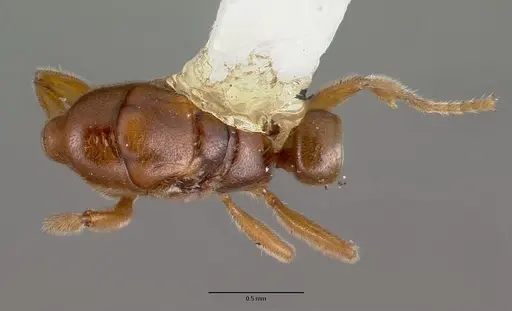
Literature
Loading distribution map...Loading products...