
Prionopelta modesta
- Sci. Name
- Prionopelta modesta
- Tribe
- Amblyoponini
- Subfamily
- Amblyoponinae
- Author
- Forel, 1909
- Distribution
- Found in 7 countries
Introduction
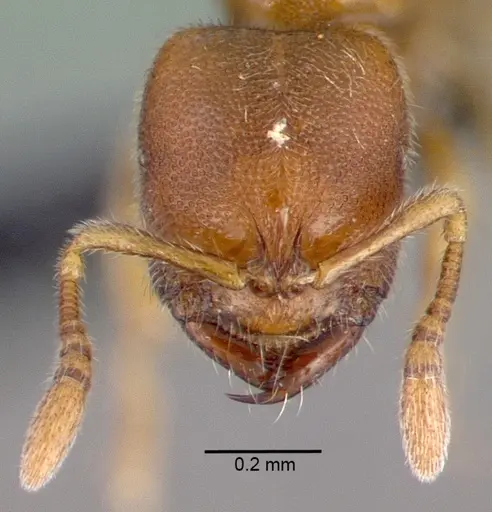
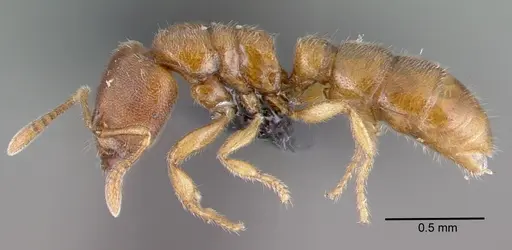
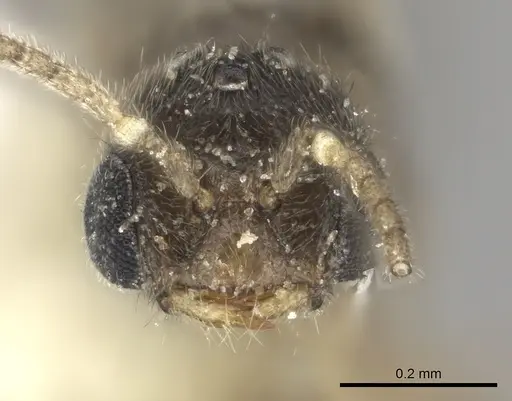
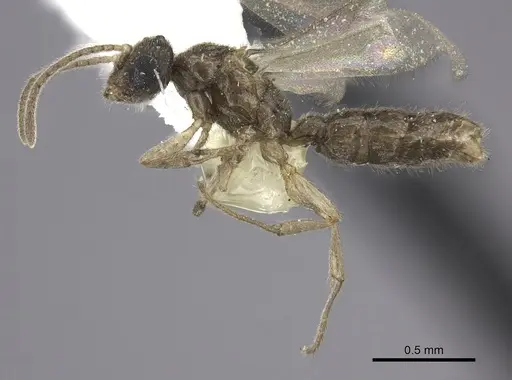
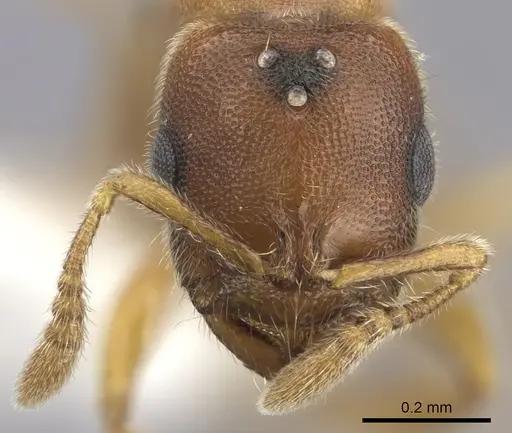
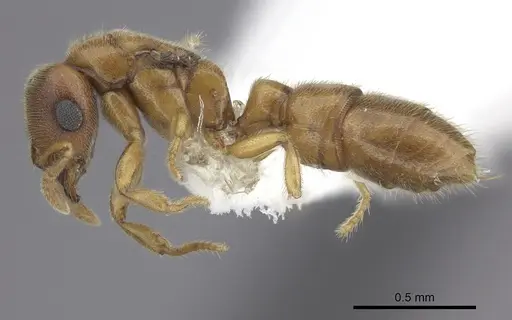
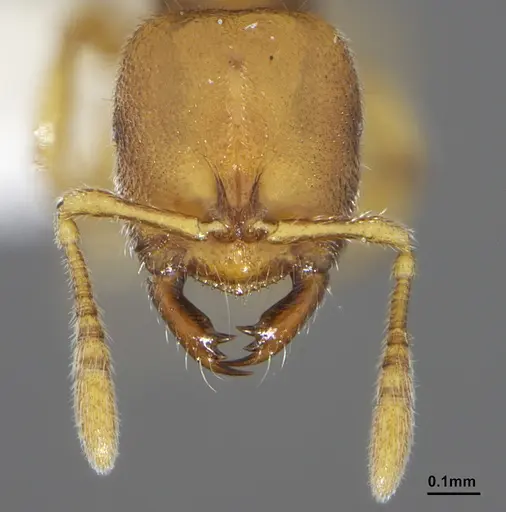
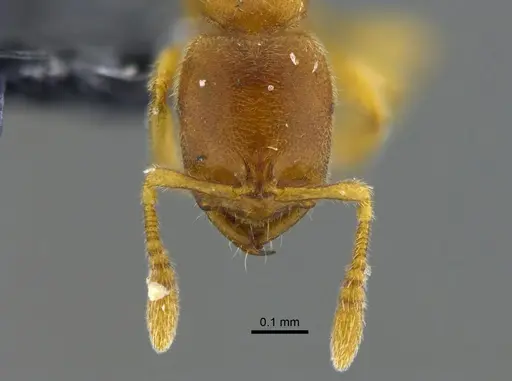
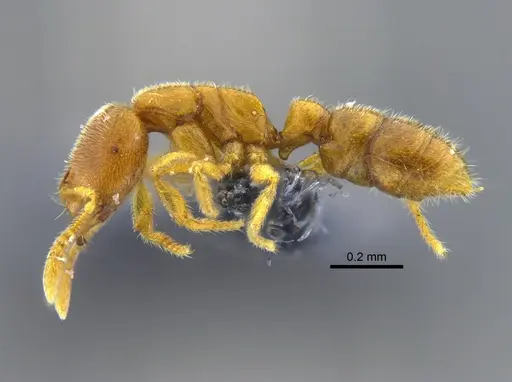
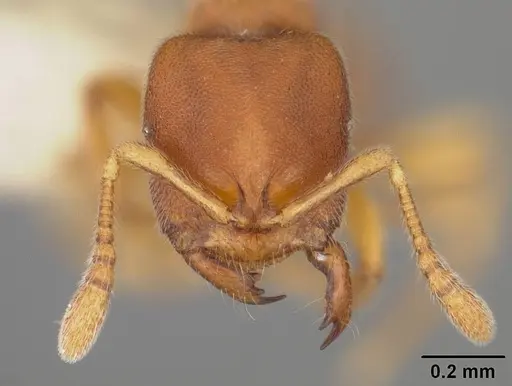
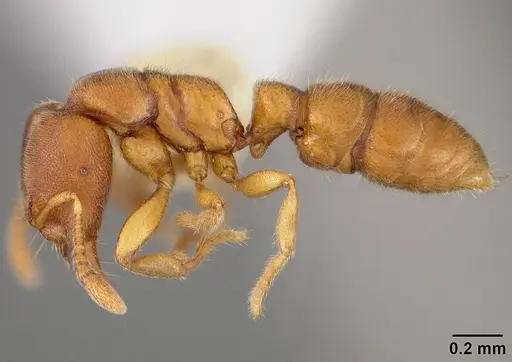
Prionopelta modesta is a tiny ant native to the Neotropics, ranging from northern Mexico to Brazil . Workers measure 1.44-1.62 mm in total length, and queens 1.56-1.94 mm . They have yellow to light brown coloration with a rough, densely punctured head surface . Their 12-segmented antennae and broadly joined petiole help distinguish them . Colonies exhibit a fragmented structure, with sections spread across multiple pieces of rotting wood in leaf litter . Workers are timid, often recoiling from prey rather than attacking directly .
Quick Summary
- Difficulty: Medium
- Origin & Habitat: Tropical forests from northern Mexico to Brazil, found in leaf litter and dead wood at elevations between 50-1840 meters [1].
- Colony Type: Unconfirmed, colonies appear fragmented with sections in multiple locations, but queen number is unclear [1].
- Size & Growth:
- Antkeeping:
- Temperature: Temperature needs are unclear, start around 22-26°C and observe, as they are from tropical forests [2][1].
- Humidity: Keep the nest substrate consistently moist but not waterlogged, mimicking their natural leaf litter habitat [2][1].
- Diapause: No, as a tropical species, they do not require hibernation [2][1].
- Nesting: They naturally nest in small fragments of rotting wood and bark within leaf litter [1]. In captivity, a naturalistic setup with moist substrate and wood pieces is recommended.
- Behavior: Workers are timid and cryptic, often recoiling from prey rather than attacking [1]. They can bite and sting when threatened, but pose minimal risk to humans. Escape risk is low due to small size and poor climbing ability, but ensure setup is well-sealed.
- Common Issues: fragmented colony structure may make it difficult to maintain cohesion in captivity, leading to colony failure, timid feeding response may result in starvation if prey is not accepted, tiny size increases escape risk despite poor climbing ability, preference for rotting wood means standard test tube setups may not be ideal, no available data on exact dietary needs requires trial and error feeding
Nest Preferences and Housing
Prionopelta modesta naturally nests in small fragments of rotting wood and bark scattered throughout leaf litter [1]. This fragmented behavior means colonies spread across multiple pieces of decaying wood rather than one cohesive nest. In captivity, use a naturalistic setup with moist substrate (e.g., soil and peat mix) and small rotting wood pieces to allow scattered nest sections. Test tubes may work if connected or with added wood material, but a terrarium-style formicarium better mimics their natural habitat [1].
Feeding and Diet
In the wild, these ants show a timid response to prey, often recoiling when antennae contact potential food [1]. They can bite and sting larger arthropods when necessary, with natural prey likely including small centipedes and symphylans [1]. In captivity, offer small live prey like springtails or fruit flies, placed near nest entrances to trigger a response. Sugar sources may be accepted but are unconfirmed. Feed small amounts every few days and remove uneaten prey to prevent mold [1].
Temperature and Humidity
As a tropical species, Prionopelta modesta needs warm and humid conditions. Keep temperatures around 22-26°C if possible, but avoid extremes below 20°C or above 30°C. Humidity is critical, keep the nest substrate moist, as they live in damp leaf litter [2][1]. Provide a water source like a damp cotton ball. No cooling period is needed, maintain stable conditions year-round [2][1].
Behavior and Observation
Workers are cryptic and timid, moving slowly through substrate and avoiding confrontation [1]. They may bite or sting when threatened, but their small size poses minimal risk to humans. The fragmented colony structure is notable, with sections occupying different wood pieces, suggesting decentralized organization [1]. Ensure setups are well-sealed to prevent escapes, as their tiny size allows slipping through small gaps [1].
Frequently Asked Questions
How long does it take for Prionopelta modesta to produce first workers?
The development timeline from egg to worker is unknown for this species, as no direct studies exist.
Can I keep Prionopelta modesta in a test tube setup?
While possible, test tube setups may not be ideal due to their fragmented nesting behavior. A naturalistic setup with moist substrate and wood pieces is better [1].
What do Prionopelta modesta ants eat?
They are predators that likely target small arthropods like centipedes and symphylans [1]. In captivity, offer small live prey such as springtails or fruit flies.
Do Prionopelta modesta ants sting?
Yes, they are capable of stinging, but their small size means the sting is not painful to humans [1].
Are Prionopelta modesta good for beginners?
This species is rated as medium difficulty. Their tiny size and specific humidity requirements can be challenging, so they are better suited for keepers with some experience.
Do Prionopelta modesta need hibernation?
No, they do not require hibernation as a tropical species [2][1].
How big do Prionopelta modesta colonies get?
The maximum colony size is unknown due to their fragmented structure [1].
Why do my Prionopelta modesta seem to hide all the time?
This is normal, they are cryptic ants that prefer staying hidden in nesting material [1].
Can I keep multiple Prionopelta modesta queens together?
This has not been studied. Their natural colony structure shows fragments, but it's unclear if this involves multiple queens. Combining unrelated queens is not recommended.
What's the best nest type for Prionopelta modesta?
A naturalistic setup with moist substrate and small pieces of rotting wood best mimics their natural habitat [1].
Report an Issue
The current care sheet is based fully on literature. See inconsistencies, or something that's incorrect? Please , it will be resolved after review from an admin. Contributing to the blogs tab also helps providing information, to make us be able to further improve the caresheets. Thank you for your support!
References

This caresheet is licensed under CC BY-SA 4.0 .
Community Blogs
CASENT0039774
View on AntWeb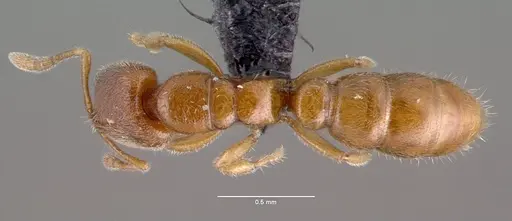
CASENT0102527
View on AntWeb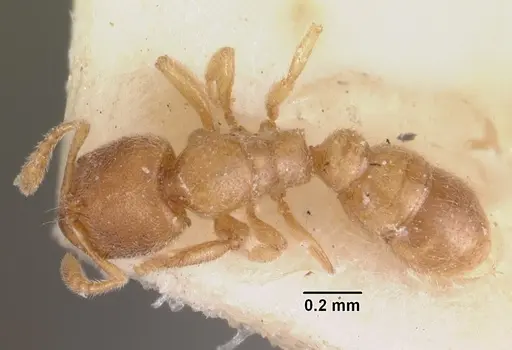
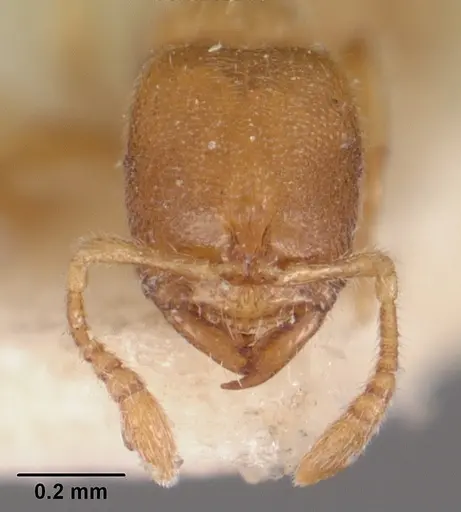
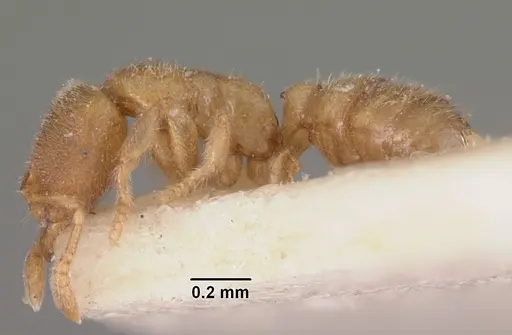
CASENT0260466
View on AntWeb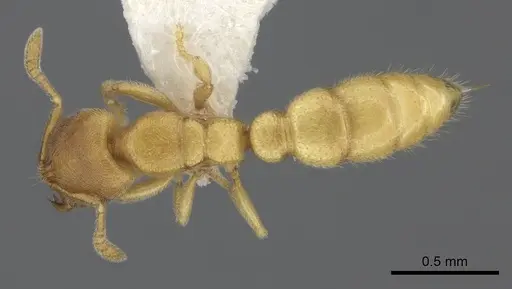
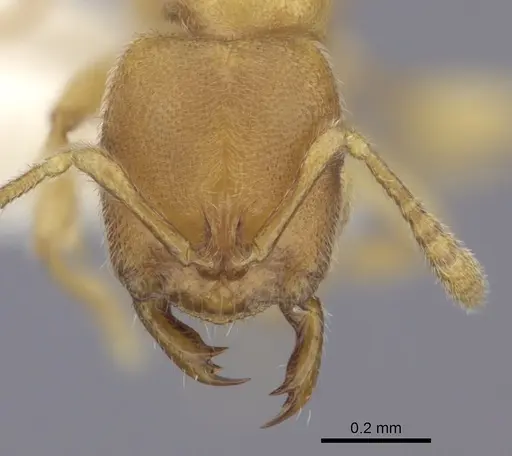
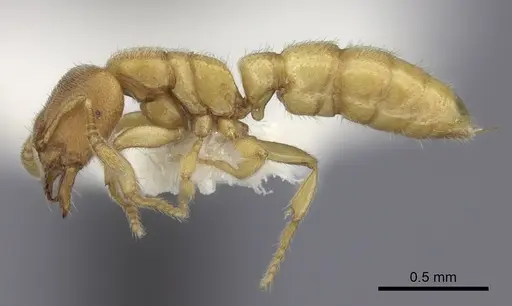
CASENT0260467
View on AntWeb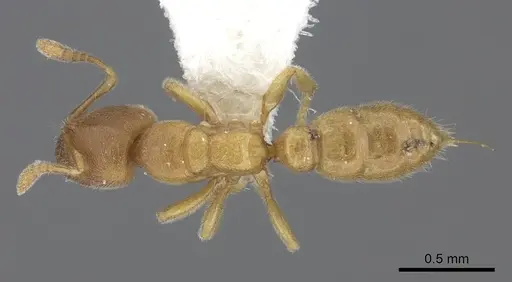
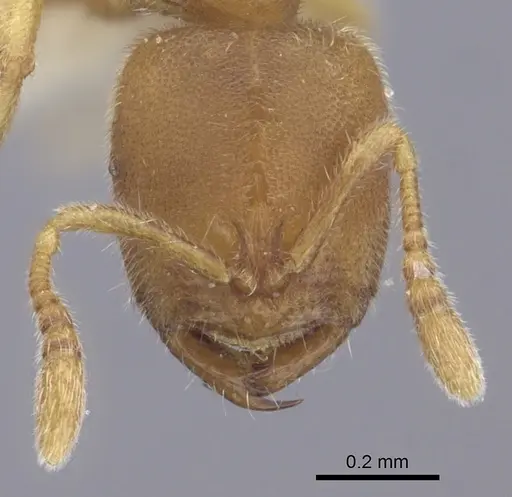
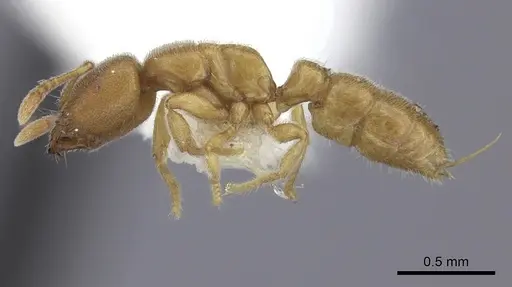
CASENT0615793
View on AntWeb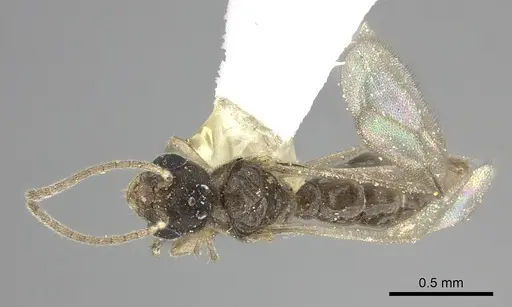
CASENT0618342
View on AntWeb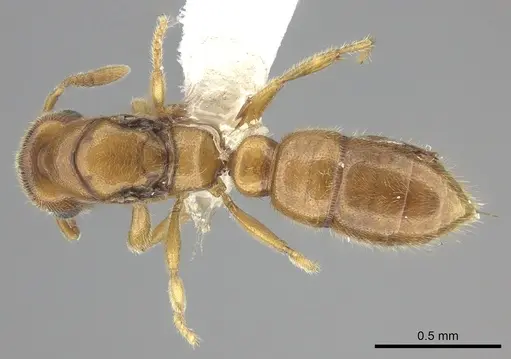
CASENT0636747
View on AntWeb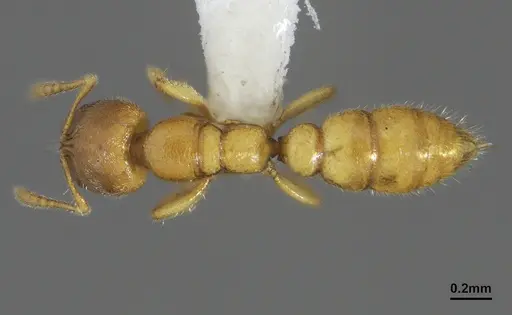
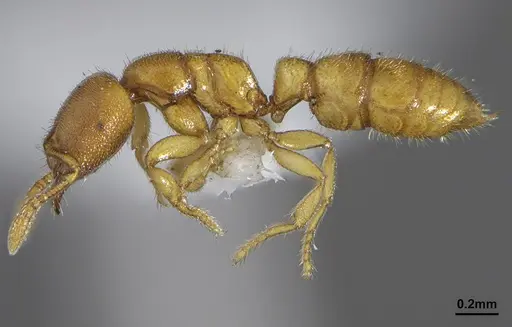
CASENT0640598
View on AntWeb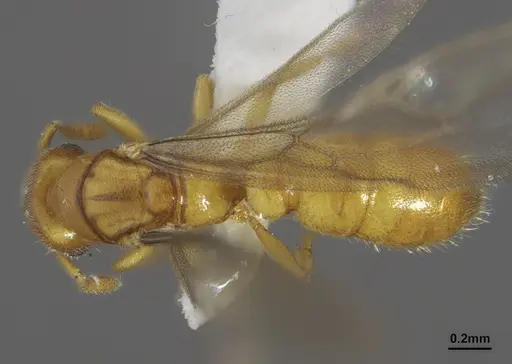
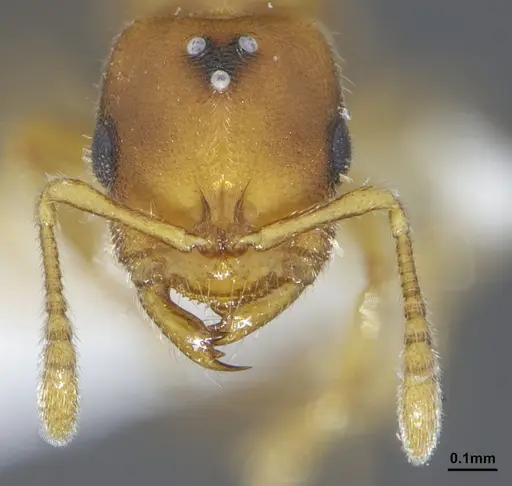
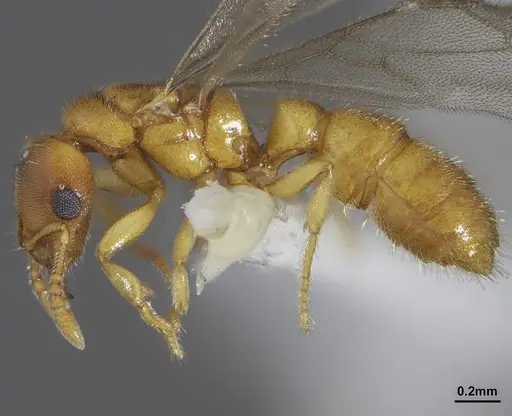
CBUMAGENT42080
View on AntWeb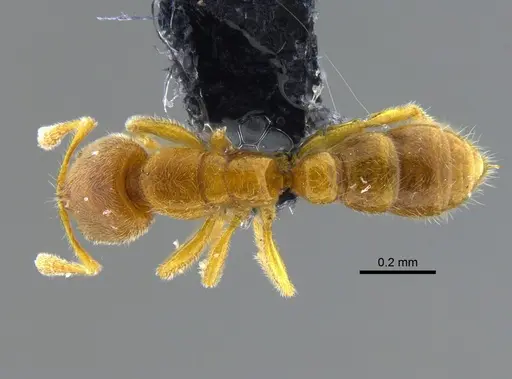
USNMENT00418417
View on AntWeb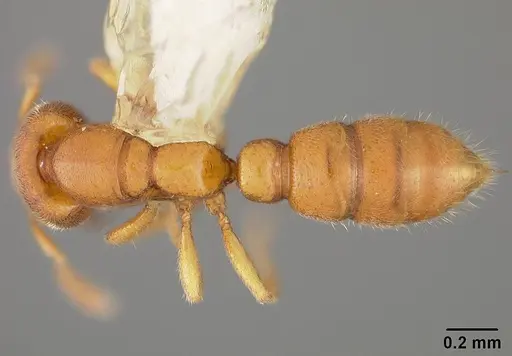
Literature
Loading distribution map...Loading products...