Prenolepis nitens exhibits a clear seasonal flight window. Peak flight activity is concentrated in April, with the overall period spanning March to April. The concentrated timeframe makes peak months critical for sightings.
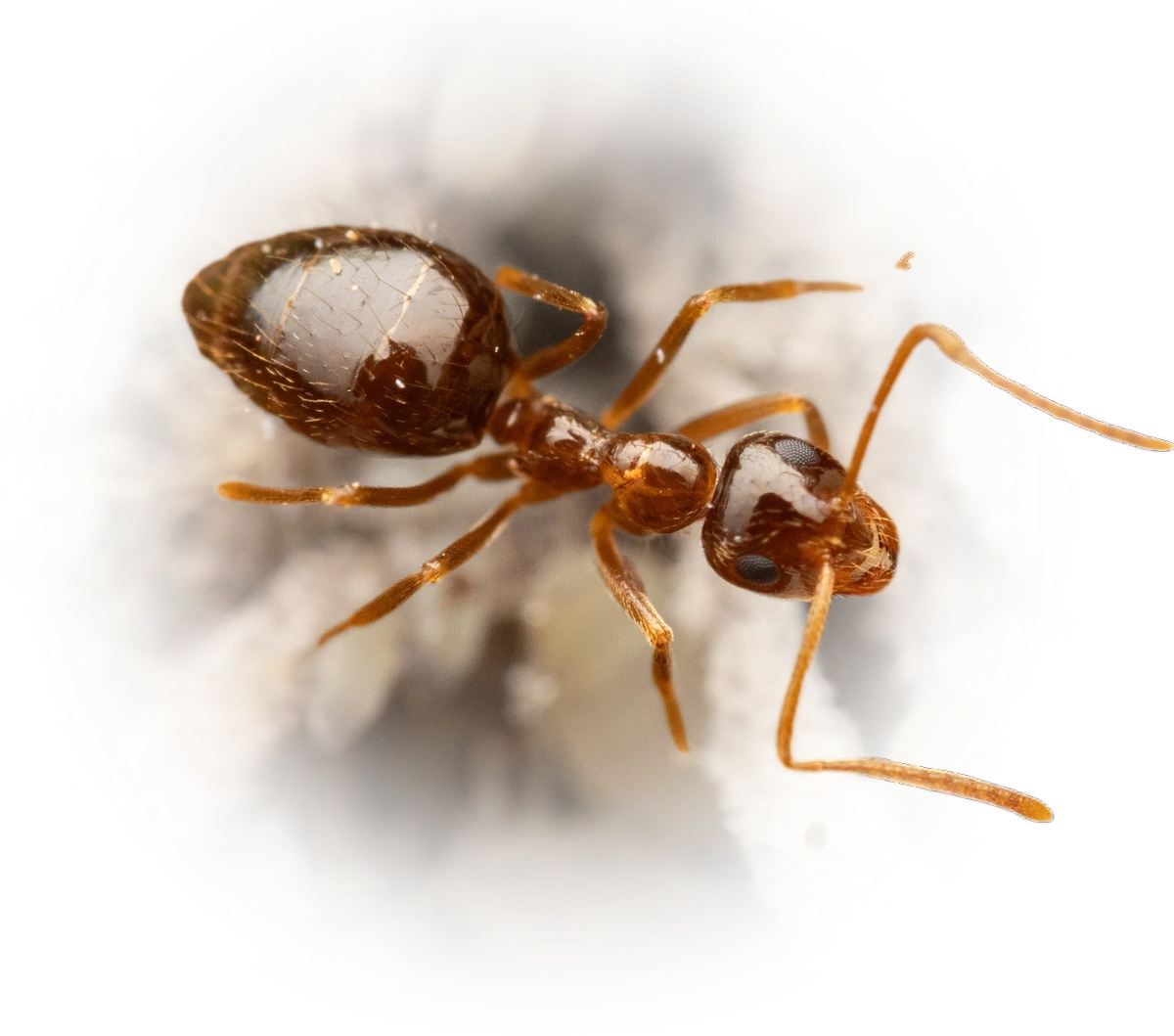
Eurasian Winter Ant
Prenolepis nitens
- Sci. Name
- Prenolepis nitens
- Tribe
- Lasiini
- Subfamily
- Formicinae
- Author
- Mayr, 1853
- Common Name
- Eurasian Winter Ant
- Distribution
- Found in 10 countries
- Nuptial Flight
- From March to April
- Peak flight Time
- 14:00
AI Identifiable
try →
Introduction
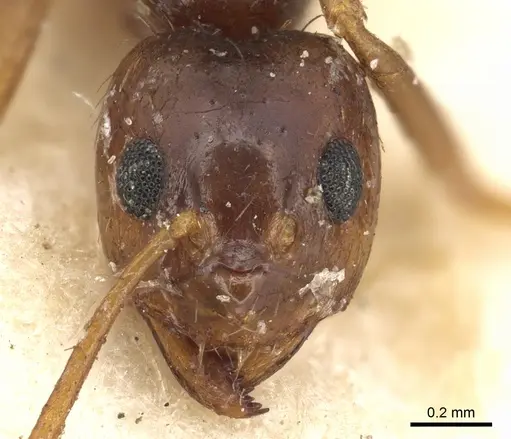
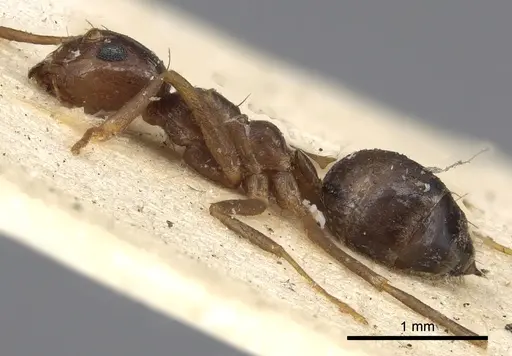
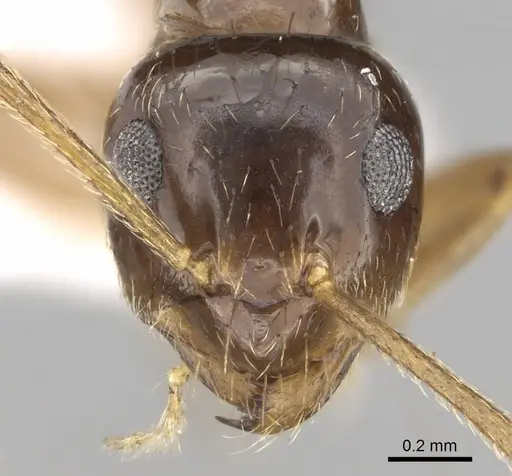
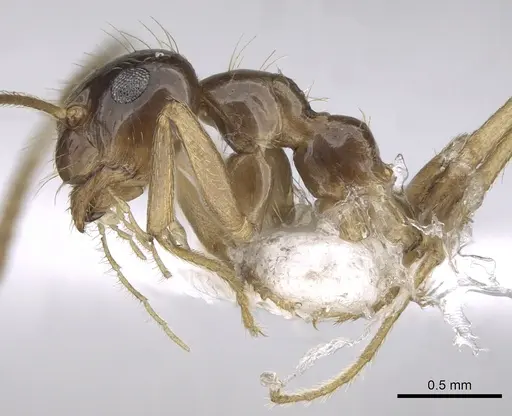
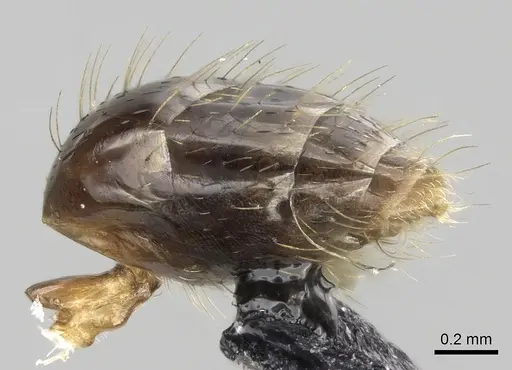
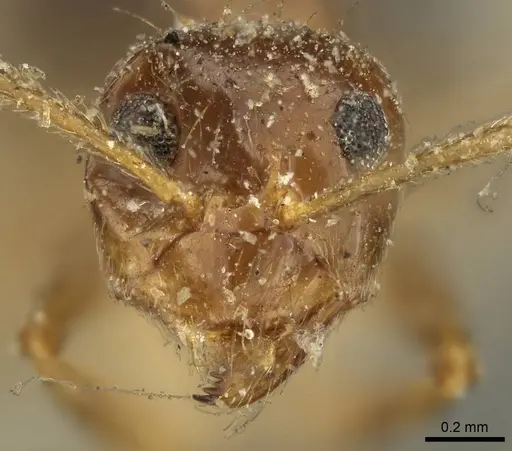
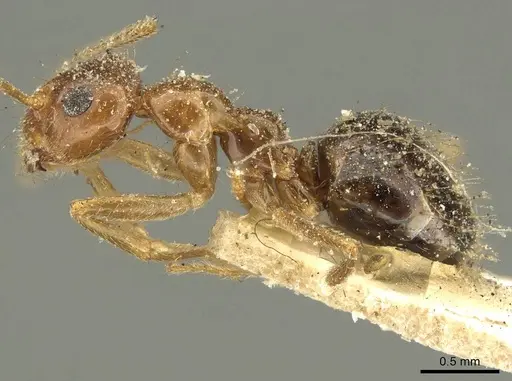
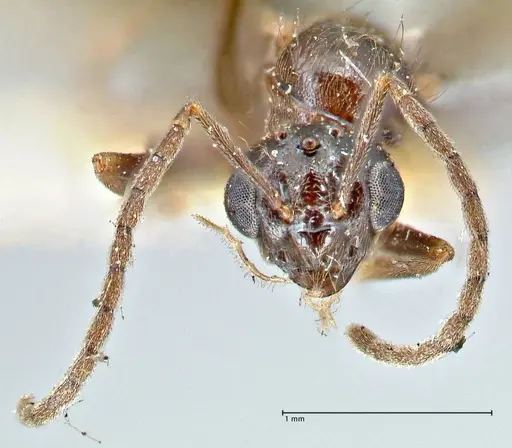
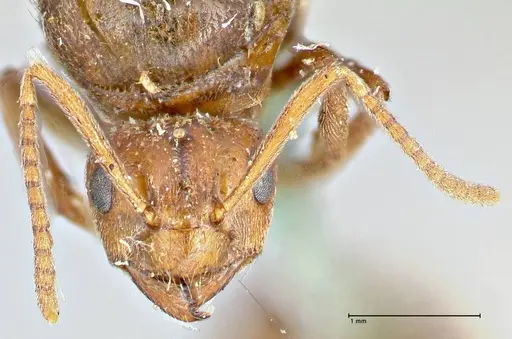
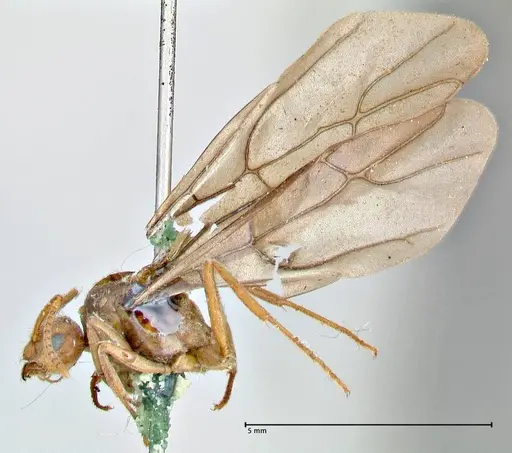
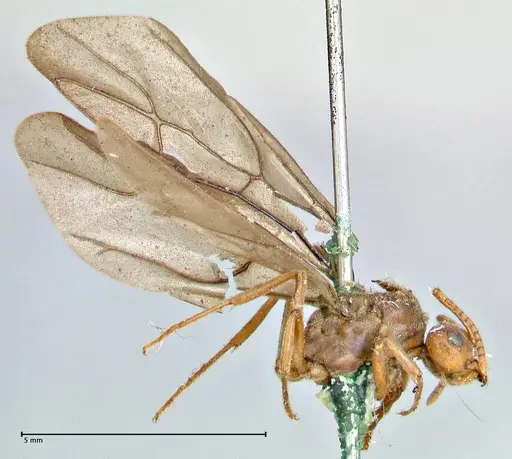
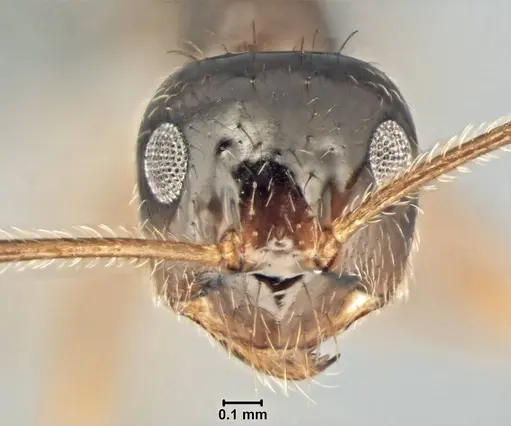
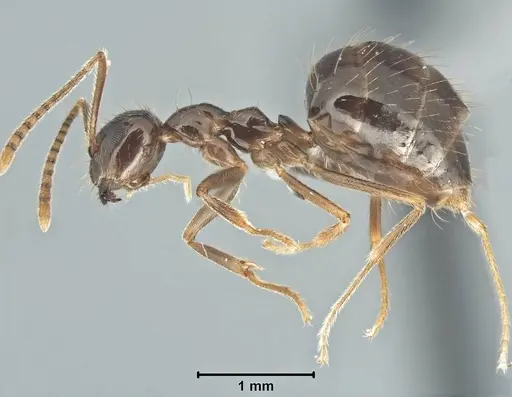
Prenolepis nitens is a small, glossy ant native to southern and central Europe. Workers are 2.80-3.93 mm long and light to dark brown with a smooth, shiny cuticle . The queen is larger at 8.51 mm . This species is nearly identical to Prenolepis imparis but has a more robust mesosoma . P. nitens is known for its winter activity; it forages in late winter and can operate at near-freezing temperatures .
Quick Summary
- Difficulty: Medium
- Origin & Habitat: Native to southeastern Europe, the Balkans, and parts of Asia Minor, found across Austria, Hungary, Croatia, Slovenia, Greece, Bulgaria, Romania, and Turkey [4][5]. Prefers shady, damp deciduous and mixed forests, often nesting under stones in warm areas like vineyards and forest edges [5].
- Colony Type: Unconfirmed, research does not specify queen number or social structure [6].
- Size & Growth:
- Antkeeping:
- Temperature: Keep at 15-22°C, with peak activity at 12-22°C [3]. They tolerate temperatures as low as 6°C and avoid warmth above 25°C [3][2].
- Humidity: Keep nest substrate consistently moist but not waterlogged, based on their natural nesting under stones [7].
- Diapause: Yes, provide a cool period at 5-10°C during winter months, as they remain active in cold conditions [2][3].
- Nesting: Use test tube setups for founding colonies. For established colonies, provide Y-tong or plaster nests with a damp section, mimicking their natural stone-under nests [7][8].
- Behavior: Generally peaceful and non-aggressive. Workers forage individually and form a 'honeypot' system where some workers store liquid food in swollen abdomens [9]. Escape risk is moderate due to small size, use standard barriers.
- Common Issues: colonies may be slow to establish compared to faster-growing species, overheating above 25°C can be fatal due to cold-adapted nature, winter activity requires adjusted feeding schedules for cold periods, wild-caught colonies are cryptic and hard to find, confusion with similar species like Lasius niger, ensure correct identification
Nuptial Flight Activity Analysis 213 observations
Flight Activity by Hour 213 observations
Prenolepis nitens nuptial flight activity peaks around 14:00 during the afternoon. Activity is spread across a 10-hour window (10:00–19:00). Times may be influenced by human observation patterns.
Housing and Nest Setup
Use a test tube setup with a water reservoir and cotton plug for founding colonies. For larger colonies, transfer to a Y-tong or plaster nest with a damp section to maintain humidity [8]. These ants nest under stones in the wild, so provide a naturalistic setup with flat stones or hiding spots [7]. Avoid heating mats, keep at room temperature or cooler.
Feeding and Diet
Offer sugar sources like honey, sugar water, or diluted maple syrup regularly [3]. They also collect honeydew from aphids in the wild [10]. For protein, provide small insects like fruit flies or frozen bloodworms. In winter, they prefer carbohydrates over protein [3]. Some workers develop swollen abdomens as 'repletes' to store liquid food, this is normal [9].
Temperature and Seasonal Care
Keep nests at 15-22°C, with peak activity at 12-22°C [3]. They tolerate cold temperatures down to 6°C and forage in winter [2]. Avoid temperatures above 25°C, as they become less active. Provide a cool period at 5-10°C during winter months [2][3].
Behavior and Observation
Workers show two activity peaks in spring and autumn, with reduced summer activity [3]. They are among the first ants active in late winter, sometimes foraging near freezing [2]. Colonies are polydomous, with multiple nest entrances connected underground [7]. They are peaceful and safe to handle gently.
Colony Founding
Founding behavior is unconfirmed, research suggests independent founding but also temporary parasitism on Lasius species [6]. Queens are 8.51 mm and larger than workers [1]. Founding colonies should be kept quiet and dark until workers emerge.
Frequently Asked Questions
Can I keep Prenolepis nitens in a test tube?
Yes, test tubes work well for founding colonies. Use a standard setup with water and cotton, and keep it cool [8].
Do Prenolepis nitens need hibernation?
They need a cool period rather than full hibernation. Keep them at 5-10°C during winter, as they remain active in cold conditions [2][3].
What do Prenolepis nitens eat?
They primarily need sugar sources like honey or sugar water, and small insects for protein [3][10]. In winter, they prefer carbohydrates [3].
How long does it take for Prenolepis nitens to raise first workers?
No specific data is available, development time is unknown [6].
Are Prenolepis nitens good for beginners?
They are intermediate due to their cool temperature needs and winter activity. If you can provide these conditions, they are rewarding to keep [3].
Why is my Prenolepis nitens colony not very active?
Check the temperature, if above 25°C, they become less active. Keep them at 15-22°C and ensure sugar water is available [3].
Can I keep multiple Prenolepis nitens queens together?
Research does not confirm colony structure, but multiple queens may fight. Keep one queen per colony to be safe [6].
What temperature is best for Prenolepis nitens?
Keep them at 15-22°C, with peak activity at 12-22°C [3]. Avoid warmth above 25°C [2].
When should I move Prenolepis nitens to a formicarium?
Move when the test tube is crowded or water needs frequent refilling. Use a nest with damp and dry areas [8].
When is the nuptial flight of Prenolepis nitens?
The nuptial flight of Prenolepis nitens typically occurs From March to April.
What time of day does Prenolepis nitens fly?
The nuptial flight of Prenolepis nitens peaks around 14:00 during the afternoon, with most activity between 10:00 and 19:00. Times may be influenced by human observation patterns.
Report an Issue
The current care sheet is based fully on literature. See inconsistencies, or something that's incorrect? Please , it will be resolved after review from an admin. Contributing to the blogs tab also helps providing information, to make us be able to further improve the caresheets. Thank you for your support!
References

This caresheet is licensed under CC BY-SA 4.0 .
Community Blogs
CASENT0179603
View on AntWeb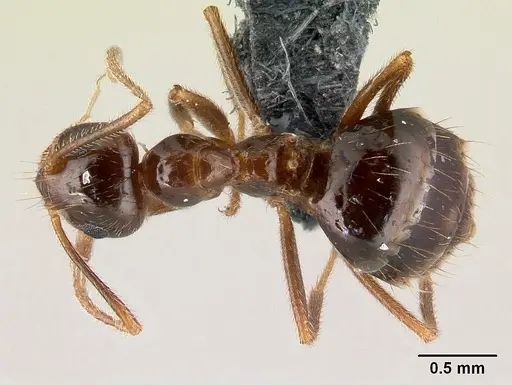
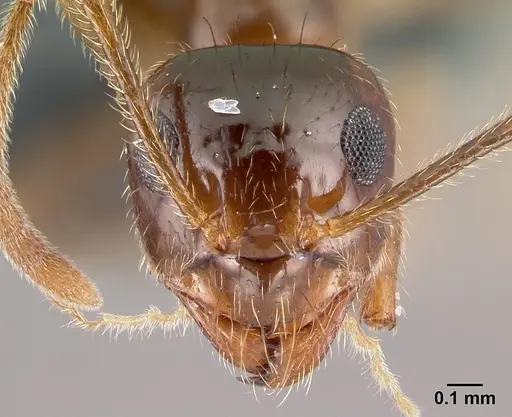
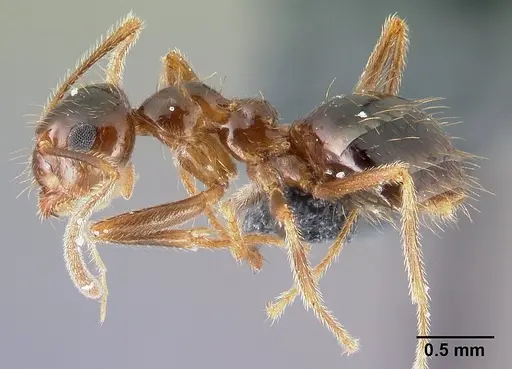
CASENT0901941
View on AntWeb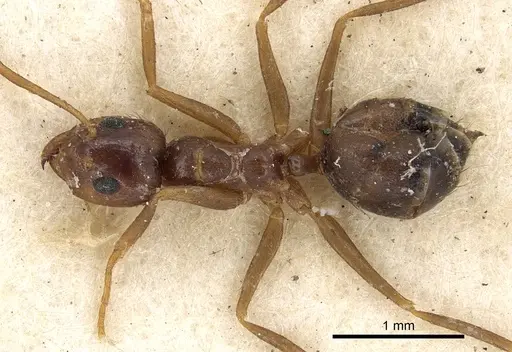
CASENT0906085
View on AntWeb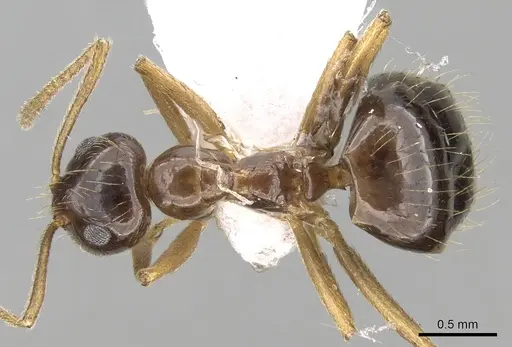
CASENT0915728
View on AntWeb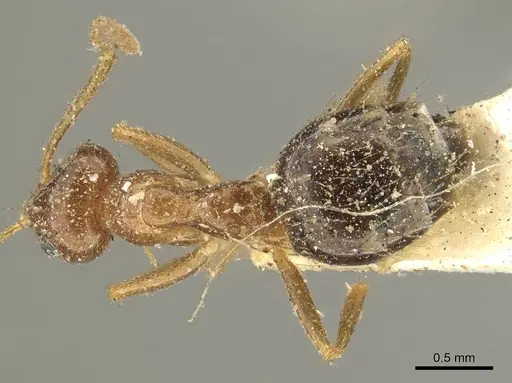
FOCOL2728
View on AntWeb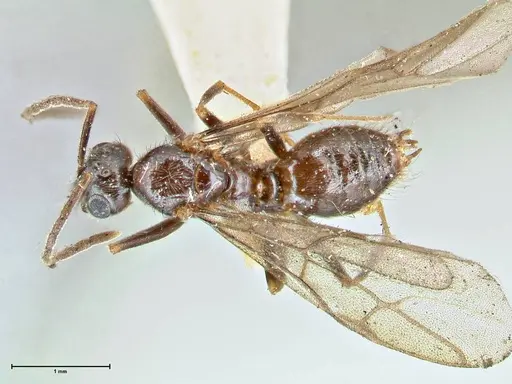
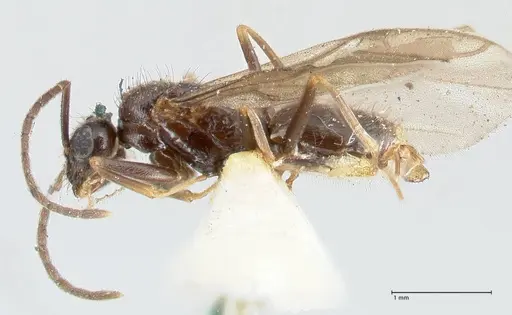
FOCOL2729
View on AntWeb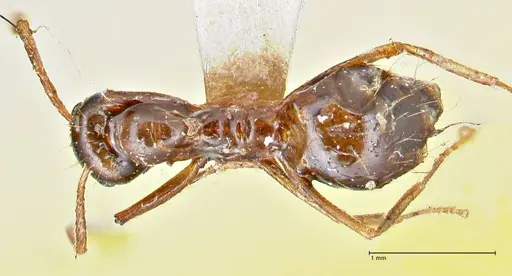
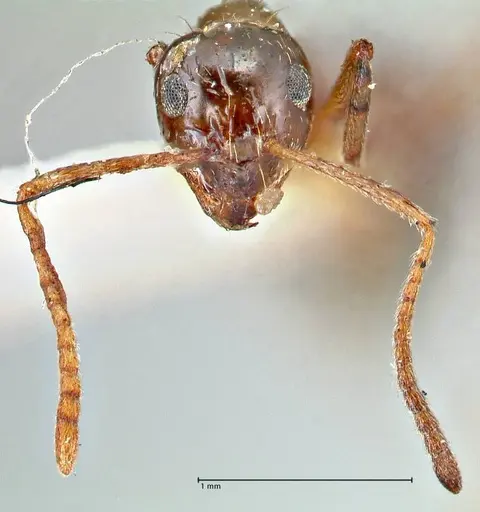
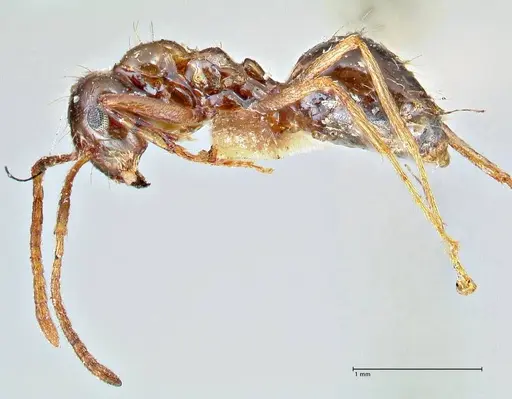
FOCOL2730
View on AntWeb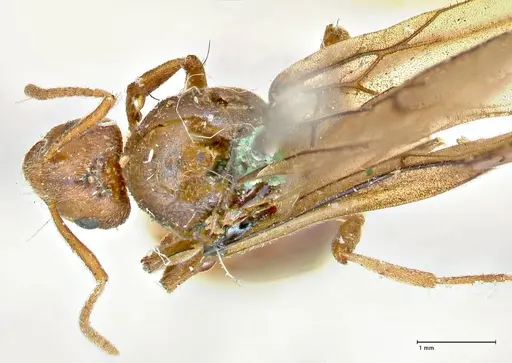
USNMENT00755076
View on AntWeb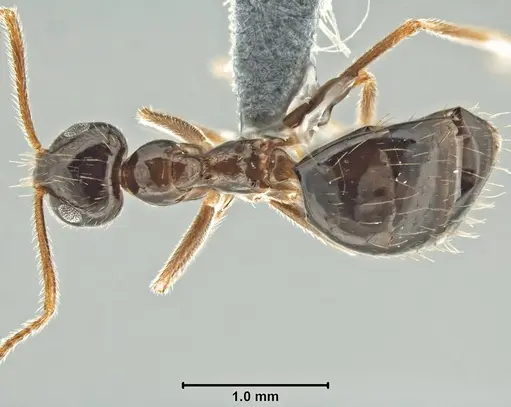
Literature
Loading distribution map...Loading products...