
Ponera taylori
- Sci. Name
- Ponera taylori
- Tribe
- Ponerini
- Subfamily
- Ponerinae
- Author
- Bharti & Wachkoo, 2012
- Distribution
- Found in 1 countries
Introduction
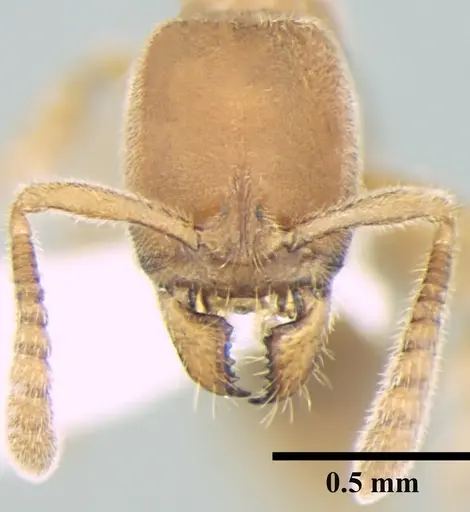
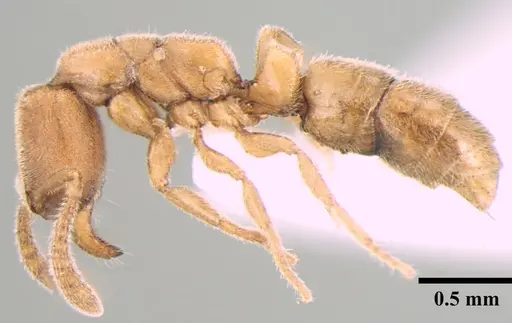
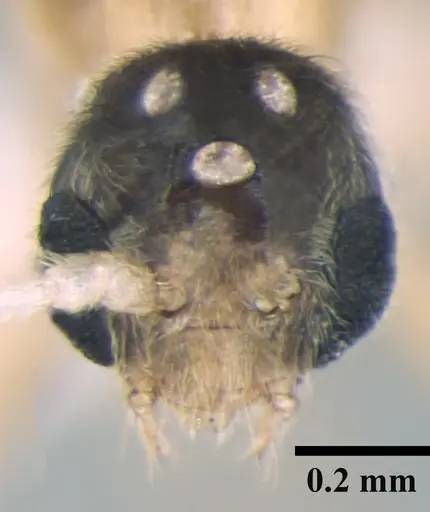
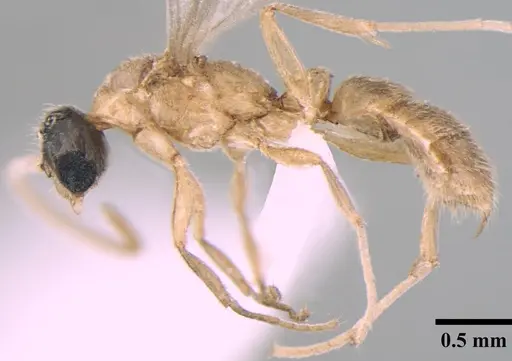
Ponera taylori is a tiny, blind ant species endemic to the Shivalik range of Northwest Himalaya in India. Workers are very small and lack eyes, with reddish-yellow coloration throughout the body. They are distinguished by the absence of posteroventral teeth on the subpetiolar process, a trait shared by only two other Ponera species globally. The species was described in 2012 and is known from only a few locations in Himachal Pradesh and Uttarakhand states. Males are winged and possess eyes, unlike the blind workers . This species occupies a unique niche as one of only three known Ponera species completely lacking eyes, suggesting a fully subterranean lifestyle. Found along the edges of water bodies at elevations between 740-1360m, these ants nest under stones or in soil. The species honors Robert W. Taylor, a pioneering ant taxonomist .
Quick Summary
- Difficulty: Expert
- Origin & Habitat: Endemic to the Shivalik range of Northwest Himalaya in India, specifically Himachal Pradesh and Uttarakhand states. Found in non-forested areas near water bodies at elevations of 740-1360m. Nests are located under large stones or in soil samples taken from damp areas [1][3].
- Colony Type: Colony structure is unconfirmed. Based on typical Ponera genus patterns, likely single-queen (monogyne) colonies with small worker populations.
- Size & Growth:
- Queen: Size data unavailable
- Worker: Size data unavailable
- Colony: Unknown
- Growth: Likely slow based on genus patterns
- Development: Unconfirmed. Based on typical Ponera genus patterns, estimate 8-12 weeks at optimal temperature [5]. (Development timeline has not been directly studied for this species.)
- Antkeeping:
- Temperature: Based on Himalayan origin, likely prefers cool to moderate temperatures around 18-24°C. Start at room temperature and observe colony activity [1].
- Humidity: Keep nest substrate consistently moist but not waterlogged, as they are found near water bodies in damp soil. Provide a humidity gradient [1][3].
- Diapause: Unknown, no specific data on winter dormancy for this species.
- Nesting: Prefers tight, humid chambers. A Y-tong (AAC) or plaster nest works well, with small chambers scaled to their tiny size. Provide damp soil or plaster as nesting material [1].
- Behavior: Extremely reclusive and slow-moving. As a blind species, they rely on chemical and tactile cues. They are not aggressive and will retreat rather than engage. Workers are tiny and can escape through standard barriers, so excellent escape prevention is critical. The sting is exerted but too small to threaten humans [1].
- Common Issues: escape prevention is critical due to their tiny size, high humidity requirements can lead to mold if ventilation is poor, slow growth tests keeper patience, captive breeding information is extremely limited, wild-caught colonies may not adapt to captive conditions
Housing and Nest Setup
Ponera taylori requires careful attention to humidity and chamber size. A Y-tong (AAC) nest or plaster formicarium with small chambers works best, the chambers should be tight enough that workers can easily touch both walls while walking. Given their tiny size, standard acrylic nests may have chambers too large for them to feel secure. Provide a water reservoir connected to the nest to maintain humidity. Place the nest in a dark or low-light area, as these blind ants prefer dim conditions. The outworld should be simple and easy to maintain, a small container with damp substrate works well. Always use excellent escape prevention, these tiny ants can squeeze through gaps that larger species cannot [1].
Feeding and Diet
Based on typical Ponera genus behavior, P. taylori is likely predatory or omnivorous, feeding on small invertebrates and possibly accepting sugar sources. Offer small live prey appropriate to their size, fruit flies, pinhead crickets, or small mealworms. Springtails are an excellent choice given the ant's tiny size. Sugar water or honey can be offered occasionally, though acceptance is not guaranteed. Feed small amounts 2-3 times per week, removing uneaten prey after 24 hours to prevent mold. Given their subterranean nature, they may be reluctant to forage in bright conditions, consider feeding in dim lighting [5].
Temperature and Seasonal Care
Based on their Himalayan origin (elevations 740-1360m), these ants prefer cool to moderate temperatures. Aim for 18-24°C, with room temperature likely being ideal. Avoid overheating, temperatures above 28°C are probably harmful. A heating cable on one side of the nest can create a temperature gradient if needed, but ensure part of the nest remains cool. They were collected in May-June in the wild, suggesting they are active during the warm season, but diapause requirements are unknown [1][4].
Behavior and Observation
This is one of the most recently described ant species in the hobby, and much of their behavior remains unobserved in captivity. They are completely blind as workers, relying on chemical and tactile senses. Expect very minimal activity, these are not active foragers like some larger ant species. Colonies will likely remain small and reclusive. Males are winged and were collected in June, suggesting nuptial flights occur during the Indian summer monsoon season. The sting is present and exerted, but given the ant's tiny size, it cannot penetrate human skin. Observation requires patience and careful attention to humidity levels [1][2].
Frequently Asked Questions
How long does it take for Ponera taylori to produce first workers?
The exact development timeline is unconfirmed for this species. Based on typical Ponera genus patterns, expect 8-12 weeks from egg to first worker at optimal temperature (around 20-22°C) [5].
Can I keep Ponera taylori in a test tube setup?
Yes, test tubes can work for founding colonies. Use a small-diameter tube to accommodate their tiny size. Keep the water reservoir small to prevent flooding, and wrap the tube in dark material since these blind ants prefer dim conditions. Transfer to a proper nest once the colony grows [1].
Are Ponera taylori good for beginners?
No. This is an expert-level species due to their tiny size (escape prevention is critical), high humidity requirements, and the fact that captive breeding information is extremely limited. They are also very rare in the antkeeping hobby.
How big do Ponera taylori colonies get?
Colony size is unknown, as no specific data is available. Based on typical Ponera genus patterns, colonies likely remain small.
Do Ponera taylori need hibernation?
Diapause requirements are unknown for this species. No specific data on winter dormancy is available from research.
Why are my Ponera taylori dying?
Common causes include: escape (their tiny size allows them to slip through barriers), improper humidity (too dry causes desiccation, too wet causes mold), and temperature stress (they prefer cool conditions, not warmth). Also ensure they are not being overfed.
Can I keep multiple queens together?
This has not been documented. Based on typical Ponera behavior, single-queen colonies are most likely. Combining unrelated queens is not recommended.
What makes Ponera taylori unique?
They are one of only three Ponera species worldwide that completely lack eyes (are blind). They are also one of the rarest Himalayan Ponera species, endemic only to the Shivalik range of Northwest India [1][2].
What do Ponera taylori eat?
Based on typical Ponera genus behavior, they likely accept small live prey (springtails, fruit flies, tiny insects) and may occasionally take sugar sources. Offer a varied diet and remove uneaten prey promptly [5].
Report an Issue
The current care sheet is based fully on literature. See inconsistencies, or something that's incorrect? Please , it will be resolved after review from an admin. Contributing to the blogs tab also helps providing information, to make us be able to further improve the caresheets. Thank you for your support!
References

This caresheet is licensed under CC BY-SA 4.0 .
Community Blogs
ANTWEB1008012
View on AntWeb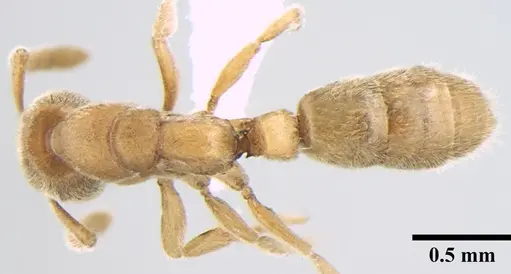
ANTWEB1008013
View on AntWeb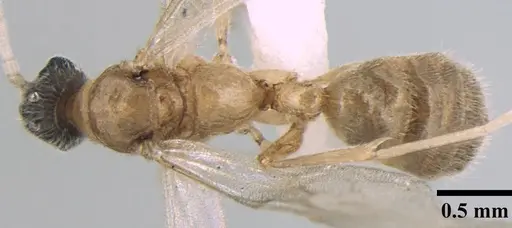
Literature
Loading distribution map...Loading products...