
Ponera incerta
- Sci. Name
- Ponera incerta
- Tribe
- Ponerini
- Subfamily
- Ponerinae
- Author
- Wheeler, 1933
- Distribution
- Found in 10 countries
Introduction
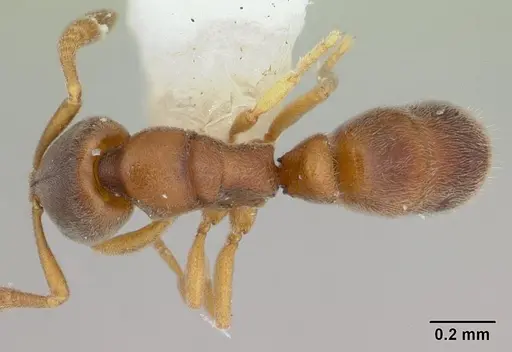
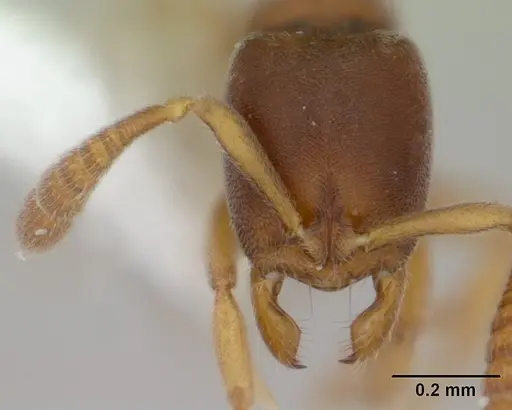
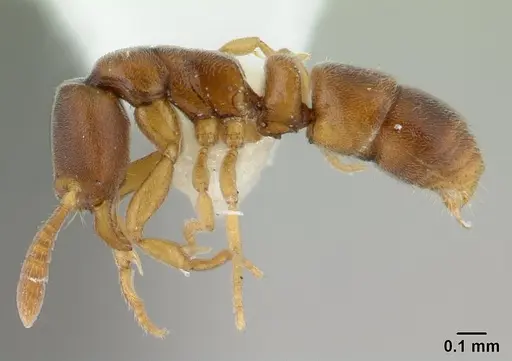
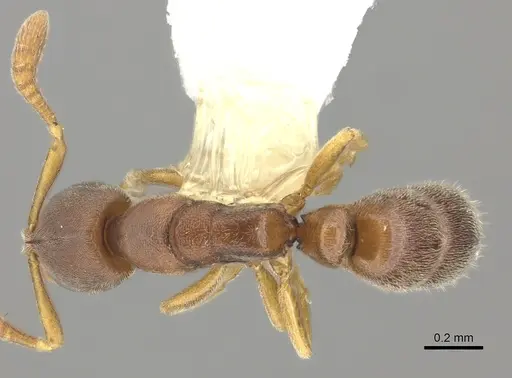
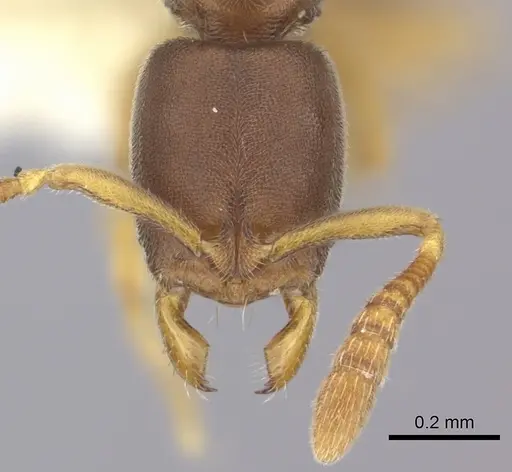
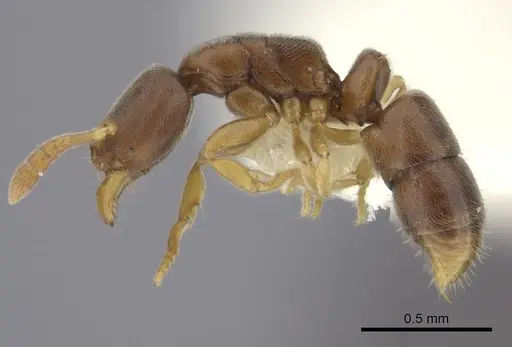
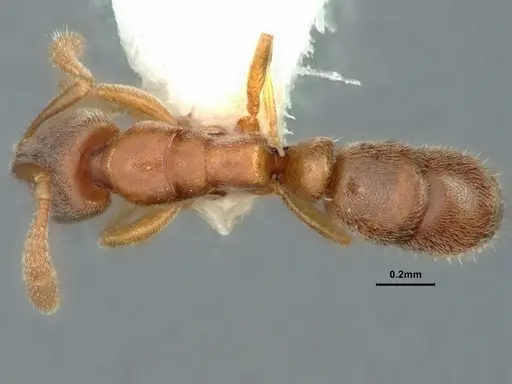
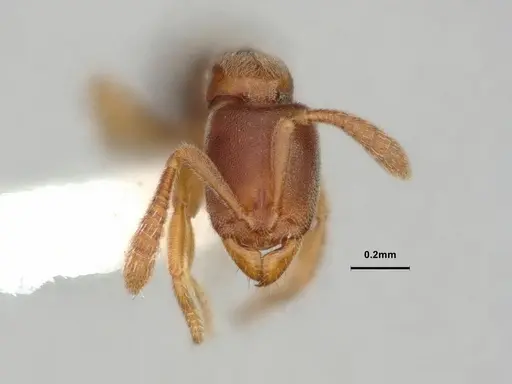
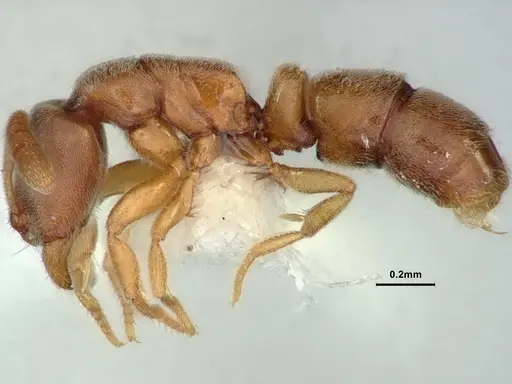
Ponera incerta is a tiny rainforest ant native to the Indo-Pacific region, found across Australia, New Guinea, Indonesia, the Philippines, Micronesia, Samoa, Tonga, and the Solomon Islands . Workers are about 1.5 mm long, and queens are about 2 mm long . They belong to the japonica species group, identified by their 5-segmented antennal club and incised dorsal mesometanotal suture . They are reddish-brown and have a well-developed sting . In Samoa, P. incerta dominates ground layer moss, while the similar P. tenuis dominates tree moss, showing clear microhabitat separation .
Quick Summary
- Difficulty: Medium
- Origin & Habitat: Rainforest species native to the Indo-Pacific, including Australia, New Guinea, Indonesia, Philippines, Micronesia, Samoa, Tonga, and Solomon Islands. Found in ground leaf litter and moss on trees in wet environments [1][3].
- Colony Type: Colony structure is unconfirmed, no documented studies on queen number or social structure.
- Size & Growth:
- Antkeeping:
- Temperature: Keep at warm temperatures around 24-28°C, inferred from their tropical rainforest habitat [4][3].
- Humidity: Keep the nest substrate consistently moist but not waterlogged, as they are found in damp leaf litter and moss [1].
- Diapause: Unknown, as a tropical species, diapause is unlikely, but no direct studies confirm this.
- Nesting: Natural nesting occurs in ground leaf litter and moss [1]. In captivity, use small test tube setups or nests made of Y-tong, plaster, soil, or 3D-printed materials with high humidity. Their tiny size requires small chambers and passages.
- Behavior: These are cryptic, ground-dwelling ants that forage individually in leaf litter. They have a well-developed sting, but due to their small size, it is unlikely to penetrate human skin [1]. They are not aggressive and will retreat rather than attack. Their minute size makes escape prevention critical, use fine mesh barriers.
- Common Issues: escapes are likely without fine mesh barriers due to tiny size, high humidity requirements can lead to mold if ventilation is poor, slow growth with no development data makes colony establishment challenging, predatory diet may be difficult to meet, need small live prey, colony structure is unconfirmed, so queen number is unclear
Natural History and Distribution
Ponera incerta is a widespread Indo-Pacific species found in rainforests across northern Australia, New Guinea, Indonesia, the Philippines, Micronesia, Samoa, Tonga, and the Solomon Islands [1][2][4]. It was described from Java in 1933 and is common in Samoa on all main islands, from sea level to high elevations [1][5]. They inhabit ground leaf litter and moss, preferring damp, shaded areas [1]. In Samoa, P. incerta dominates ground moss, while P. tenuis dominates tree moss, showing clear habitat separation [1].
Identification and Distinguishing Features
Ponera incerta belongs to the japonica species group, identified by a 5-segmented antennal club and incised dorsal mesometanotal suture in workers [1]. Workers are about 1.5 mm long, and queens are about 2 mm long [1]. It can be distinguished from similar species by size: P. japonica is larger, and P. swezeyi is smaller [1]. The palpal formula is maxillary 2: labial 2 for workers and queens [1].
Housing and Nest Setup
Due to their tiny size, Ponera incerta requires small nests with narrow passages. Use a small test tube setup for founding colonies or nests made of Y-tong, plaster, soil, or 3D-printed materials [1]. High humidity is essential, keep the substrate moist but not waterlogged. Escape prevention is critical, use fine mesh on ventilation holes. A natural setup with damp soil and moss can mimic their habitat [1].
Feeding and Diet
Ponera incerta is likely predatory, hunting small invertebrates in leaf litter [1]. Larvae have 3 pairs of glutinous tubercles, typical for predatory ponerines [1]. In captivity, offer small live prey like springtails or fruit flies. Sugar sources may be accepted occasionally, but protein-rich live prey should be primary. Feed small amounts and remove uneaten prey to prevent mold.
Temperature and Humidity Requirements
As a tropical species, Ponera incerta needs warm, humid conditions. Keep temperatures around 24-28°C, inferred from their distribution in warm Pacific islands [4][3]. High humidity is critical, maintain moist substrate without waterlogging [1]. Provide a humidity gradient and a water tube for drinking.
Behavior and Temperament
Ponera incerta is cryptic and forages individually in leaf litter [1]. They are not aggressive and will retreat rather than attack. The sting is well-developed but unlikely to penetrate human skin due to their small size [1]. Their minute size makes them excellent escape artists, fine mesh barriers are essential. Activity is moderate, with no visible foraging trails.
Frequently Asked Questions
How long does it take for Ponera incerta to produce first workers?
The exact development timeline is unknown, no direct studies exist on egg-to-worker time. Pupae are enclosed in cocoons, which is typical for Ponera [1].
Can I keep multiple Ponera incerta queens together?
The colony structure is unconfirmed, no data on queen number. It is best to start with a single queen until more information is available.
What do Ponera incerta ants eat?
They are likely predatory on small invertebrates. Offer small live prey like springtails or fruit flies [1].
Do Ponera incerta ants sting?
Yes, they have a well-developed sting [1]. However, due to their small size, it is unlikely to penetrate human skin.
Are Ponera incerta good for beginners?
This species is rated Medium difficulty due to small size, high humidity needs, and lack of development data. It may be challenging for beginners.
What temperature should I keep Ponera incerta at?
Keep them at warm temperatures around 24-28°C, inferred from their tropical habitat [4][3].
Do Ponera incerta need hibernation?
Unknown, as a tropical species, diapause is unlikely, but no studies confirm this.
Why are my Ponera incerta dying?
Common issues include low humidity, cool temperatures, escapes due to tiny size, or inadequate diet. Ensure high humidity, warm temperatures, and fine mesh barriers [1].
When should I move Ponera incerta to a formicarium?
Keep them in a test tube setup until the colony has at least 10-20 workers. Move to a nest with small chambers and high humidity.
How big do Ponera incerta colonies get?
The maximum colony size is unknown, no data exists. They likely remain small due to their tiny size.
Report an Issue
The current care sheet is based fully on literature. See inconsistencies, or something that's incorrect? Please , it will be resolved after review from an admin. Contributing to the blogs tab also helps providing information, to make us be able to further improve the caresheets. Thank you for your support!
References

This caresheet is licensed under CC BY-SA 4.0 .
Community Blogs
Literature
Loading distribution map...Loading products...