
Polyrhachis yorkana
- Sci. Name
- Polyrhachis yorkana
- Subgenus
- Cyrtomyrma
- Tribe
- Camponotini
- Subfamily
- Formicinae
- Author
- Forel, 1915
- Distribution
- Found in 1 countries
Introduction
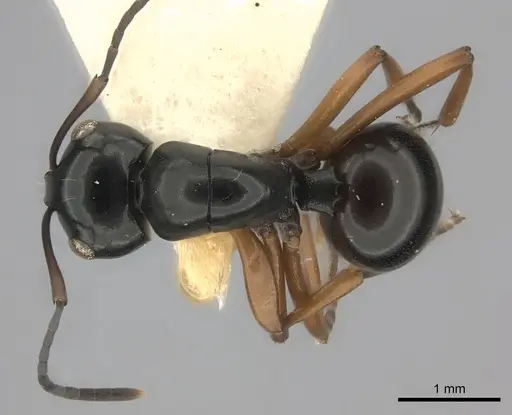
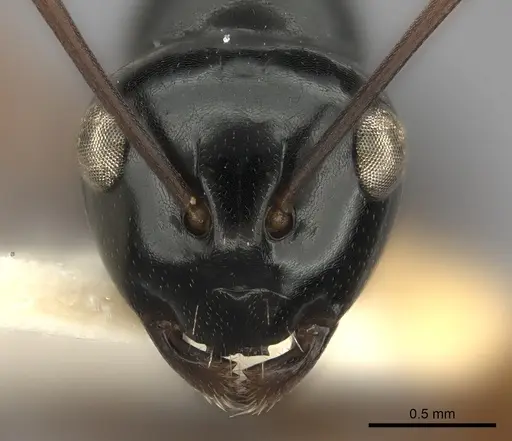
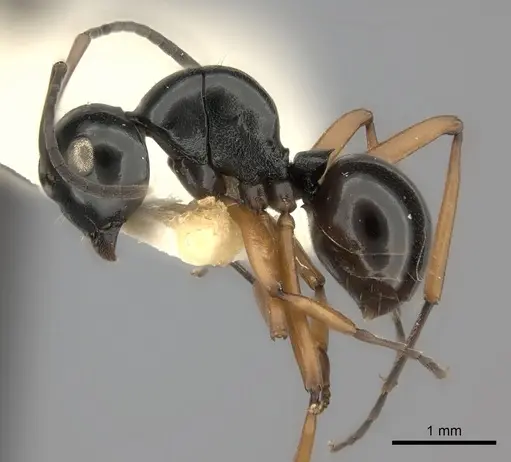
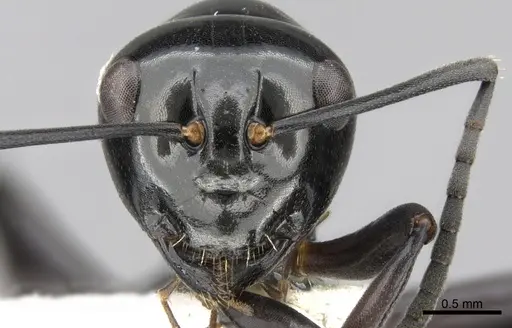
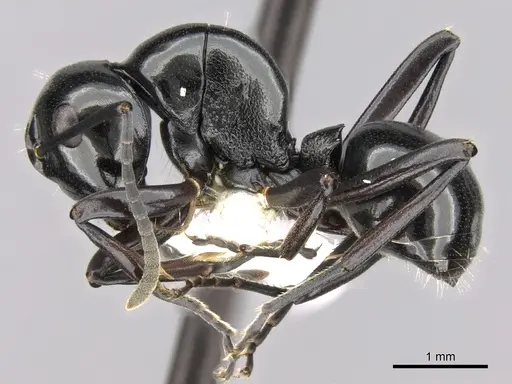
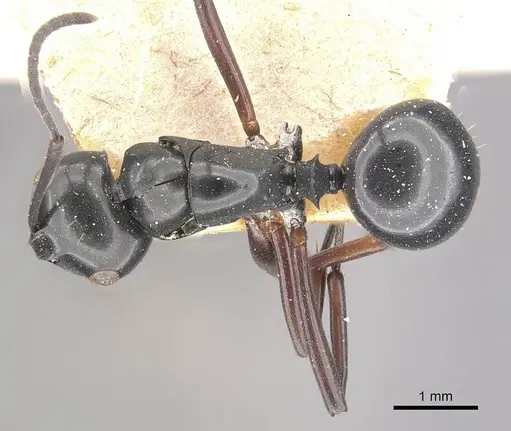
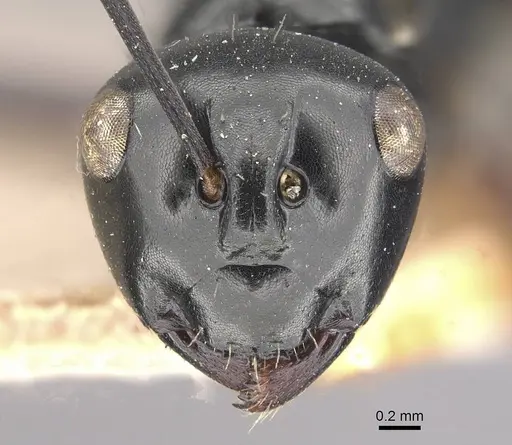
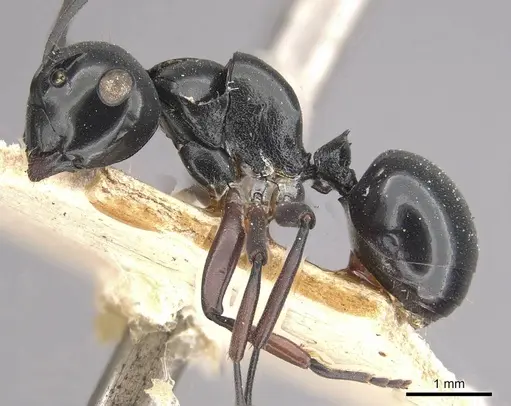
Polyrhachis yorkana is a medium-sized arboreal ant native to the Wet Tropics of north Queensland, Australia. Workers measure 4.9-5.6 mm . Their pronotum is widest just behind the shoulders, with subangular to distinctly angular humeri. This species is unique among Australian ants for building polydomous silk nests - multiple connected nests woven between the leaves of lowland rainforest trees, rather than nesting in soil or rotting wood .
Quick Summary
- Difficulty: Medium
- Origin & Habitat: Native to the Wet Tropics of north Queensland, Australia, with occasional specimens from further north on Cape York Peninsula. In the wild, they inhabit lowland rainforest trees where they build silk nests between leaves [1][2].
- Colony Type: Monogyne (single queen) colonies that are polydomous, meaning the colony occupies multiple connected silk nests spread across different leaves or branches [3][2].
- Size & Growth:
- Antkeeping:
- Temperature: Keep at 24-28°C. As a tropical species from north Queensland, they need warm, stable conditions. A heating cable on one side of the nest can help maintain warmth, but avoid overheating. Specific requirements have not been studied.
- Humidity: High humidity is essential, think damp rainforest. Keep nest substrate consistently moist but not waterlogged. Mist the outworld regularly and provide a water source.
- Diapause: No, inferred from tropical origin. They should be kept warm year-round.
- Nesting: This is an arboreal species that builds silk nests between leaves in nature [2]. In captivity, provide a naturalistic setup with live plants or artificial foliage where workers can construct nests. A vertical enclosure with branches and leaves works well. Avoid soil-based formicariums, they prefer elevated nesting sites.
- Behavior: Temperament is unstudied. Based on the subfamily (Formicinae) they likely rely on formic acid spray for defense and are not aggressive. Their escape risk is moderate (size ~5 mm).
- Common Issues: dehydration from low humidity, poor humidity leads to desiccation and colony decline, cold stress, temperatures below 22°C slow brood development and can harm the colony, unsuitable nesting setup, without elevated materials to build silk nests, the colony may not thrive
Nest Preferences and Housing
Polyrhachis yorkana builds arboreal silk nests between leaves of rainforest trees [2]. Provide a vertical or multi-level enclosure with live plants or artificial foliage so workers can weave their nests. A Y-tong nest with connecting tubes to a foraging area decorated with branches and leaves also works. They need elevated spaces, deep soil setups are not used.
Feeding and Diet
Likely omnivorous like most Polyrhachis, feeding on honeydew and small insects. Offer sugar water or honey constantly, plus protein sources (small crickets, fruit flies) weekly. Place food in the upper areas of the enclosure. Remove uneaten protein within 24 hours.
Temperature and Heating
As a tropical species from north Queensland, keep warm (24-28°C). A heating cable on one side of the nest can help. Avoid temperatures below 22°C. They do not need hibernation.
Humidity and Water
High humidity is critical. Keep nest substrate damp but not waterlogged. Mist the outworld regularly and provide a water source (test tube with cotton wick). Monitor for dryness, sluggish workers or slow brood development indicate low humidity.
Colony Structure and Polydomous Behavior
Polyrhachis yorkana colonies are monogyne (single queen) and polydomous, they occupy multiple connected silk nests [3][2]. In captivity, they will spread across multiple nest sites if given space. This is normal. The queen may move between sites.
Frequently Asked Questions
Can I keep Polyrhachis yorkana in a test tube?
Test tubes are not ideal. This arboreal species builds silk nests between leaves. For a founding queen, a small test tube may work temporarily, but soon they need leaves or artificial foliage to build nests.
When should I move my Polyrhachis yorkana colony to a formicarium?
Move them when workers start exploring and building silk between materials, typically after the first nanitics emerge. Use a naturalistic setup with plants or a vertical nest, not a traditional soil formicarium.
What is the best nest type for Polyrhachis yorkana?
Naturalistic setups with live plants or artificial foliage allow silk nest construction. A Y-tong nest with branches and leaves also works. They need elevated, interconnected spaces.
How long until first workers in Polyrhachis yorkana?
No species-specific data. Based on related Polyrhachis, estimate 6-8 weeks at 26°C, but this is unconfirmed.
How fast do Polyrhachis yorkana colonies grow?
Unknown. Growth rate data for this species is not available.
Can I keep multiple queens together in Polyrhachis yorkana?
No. Research indicates colonies are monogyne, single queen [3]. Multiple queens likely fight.
Are Polyrhachis yorkana good for beginners?
Rated medium difficulty. Their specialized arboreal nesting and high humidity needs make them harder than common beginner species.
Do Polyrhachis yorkana need hibernation?
No. As a tropical species from north Queensland, they need warm conditions year-round.
What do Polyrhachis yorkana eat?
Likely omnivorous. Offer sugar water and small insects. They probably tend aphids for honeydew.
Why are my Polyrhachis yorkana dying?
Likely causes: low humidity, temperatures below 22°C, improper diet, or inappropriate nesting setup. Ensure arboreal structure and high humidity.
Report an Issue
The current care sheet is based fully on literature. See inconsistencies, or something that's incorrect? Please , it will be resolved after review from an admin. Contributing to the blogs tab also helps providing information, to make us be able to further improve the caresheets. Thank you for your support!
References

This caresheet is licensed under CC BY-SA 4.0 .
Community Blogs
Literature
Loading distribution map...Loading products...