
Polyrhachis wheeleri
- Sci. Name
- Polyrhachis wheeleri
- Subgenus
- Myrmhopla
- Tribe
- Camponotini
- Subfamily
- Formicinae
- Author
- Mann, 1919
- Distribution
- Found in 2 countries
Introduction
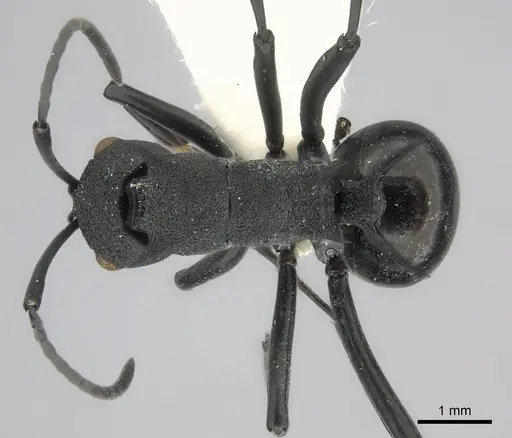
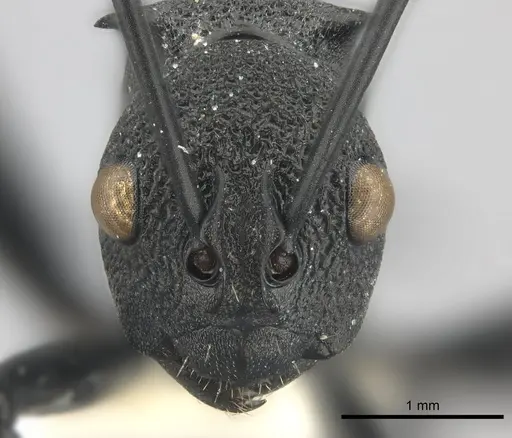
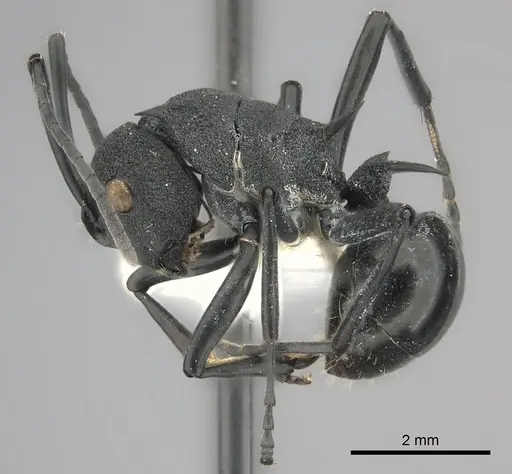
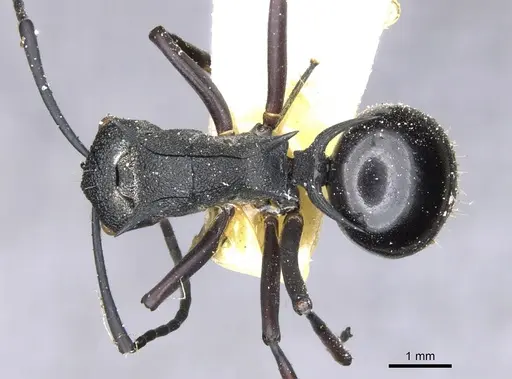
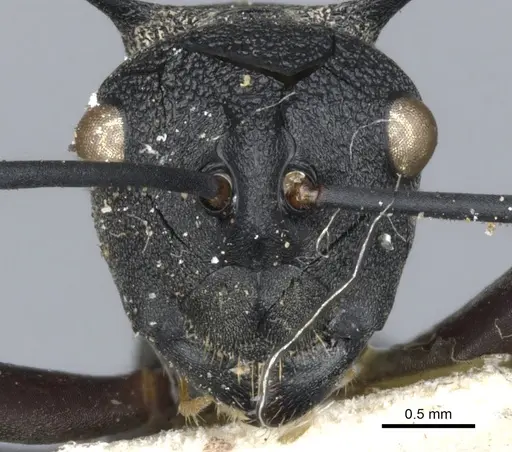
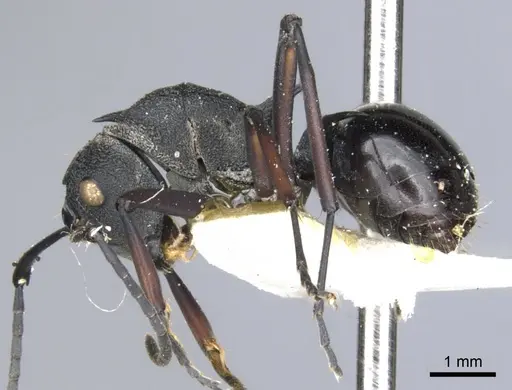
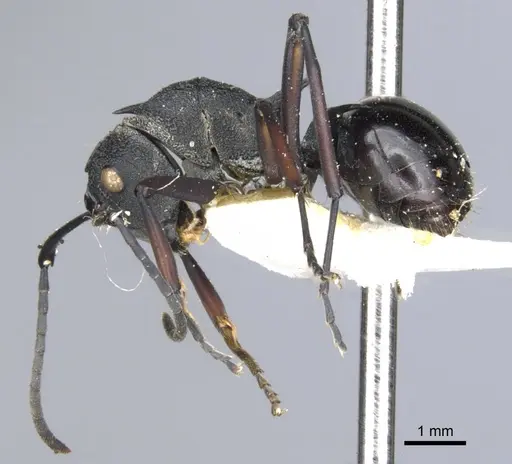
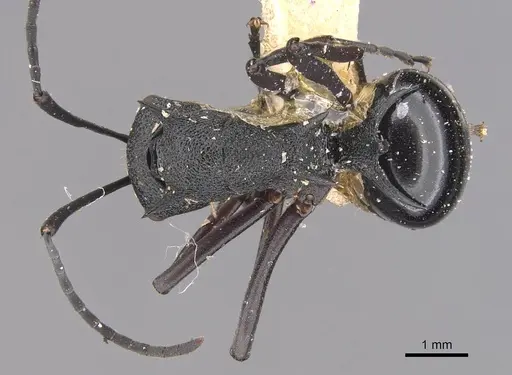
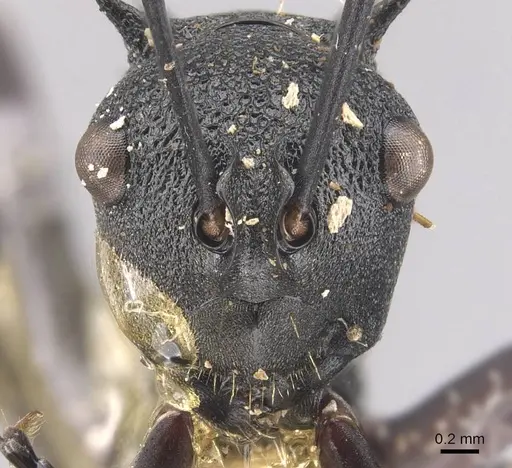
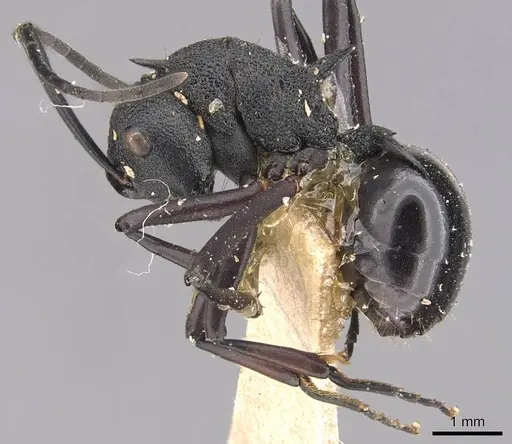
Polyrhachis wheeleri is an arboreal ant from the Solomon Islands and Borneo region, with no specific size data available from research. They inhabit forest canopies and use silk to construct nests among leaves . This species is known for its silk-based nest construction in arboreal habitats, which helps protect the colony from predators and environmental factors .
Quick Summary
- Difficulty: Medium
- Origin & Habitat: Solomon Islands (Makira, Guadalcanal, Malaita, Ysabel) and Borneo/Indonesia/Malaysia region, nesting arboreally in forest canopies using silk [1][2][3].
- Colony Type: Colony structure is unconfirmed, specific queen number and social structure not documented for this species.
- Size & Growth:
- Queen: Size data unavailable, no total length measurements in research context.
- Worker: Size data unavailable, no total length measurements in research context.
- Colony: Unknown, no specific colony size data for this species.
- Growth: Unknown, no development data available.
- Development: Unknown, no research data on development time. (Development time may vary with temperature and feeding, but no specific information is available.)
- Antkeeping:
- Temperature: Keep warm, roughly 24-28°C, based on tropical distribution from Solomon Islands and Borneo [2][3].
- Humidity: Keep the nest substrate consistently moist but not waterlogged, as inferred from arboreal habitat, no specific humidity data in research.
- Diapause: No, tropical species does not require hibernation, inferred from geographic range [2].
- Nesting: Arboreal setup with materials for silk nest construction, such as branches or leaves, based on nesting habits [1].
- Behavior: Based on Polyrhachis genus patterns, typically calm and non-aggressive. Escape risk is moderate due to arboreal nature, use barriers to prevent escapes.
- Common Issues: tropical temperature requirements mean colonies can struggle in cool rooms without heating., arboreal nesting requires vertical space, horizontal-only setups may cause stress., silk-nesting behavior needs appropriate materials like leaves or branches., high humidity needs can lead to mold if ventilation is inadequate., limited availability in hobby means established colonies are rare.
Housing and Nest Setup
You need an arboreal setup for Polyrhachis wheeleri, as they naturally nest in trees using silk to bind leaves [1]. Provide vertical space with branches, cork bark, or foliage where workers can build nests. Use a spacious outworld with climbing opportunities and Fluon barriers to prevent escapes.
Feeding and Diet
Offer sugar water or honey water continuously, and protein like fruit flies or mealworms 2-3 times per week. Remove uneaten prey after 24 hours to avoid mold.
Temperature and Heating
Keep temperatures warm, around 24-28°C, using a heating cable on one side of the nest to create a gradient. Monitor with a thermometer to avoid fluctuations [2][3].
Humidity and Water
Maintain moist substrate and mist regularly, but ensure ventilation to prevent mold. Provide a water tube for drinking.
Colony Development and Growth
Colony growth is unknown due to lack of data. Patience is key, as development may be slow. Feed small amounts regularly to avoid mold.
Frequently Asked Questions
Can I keep Polyrhachis wheeleri in a test tube?
No, they are arboreal ants that need vertical space and materials for silk nest construction. Use a naturalistic setup with branches or leaves [1].
What temperature do Polyrhachis wheeleri ants need?
Keep them warm, around 24-28°C, based on their tropical habitat [2][3].
How long does it take for first workers to appear?
Development time is unknown, no research data available for this species.
Do Polyrhachis wheeleri ants need hibernation?
No, they are tropical ants and do not require hibernation [2].
What do Polyrhachis wheeleri ants eat?
They are omnivorous, offer sugar water and small insects like fruit flies or mealworms.
Are Polyrhachis wheeleri good for beginners?
They are rated medium difficulty due to arboreal housing and tropical temperature needs.
How big do Polyrhachis wheeleri colonies get?
Colony size is unknown, no specific data available.
When should I move my colony to a formicarium?
Move when the colony has around 30-50 workers and needs more space, ensuring vertical orientation for arboreal needs.
Can I keep multiple queens together?
Colony structure is unconfirmed, it is not recommended to combine queens without specific data.
Report an Issue
The current care sheet is based fully on literature. See inconsistencies, or something that's incorrect? Please , it will be resolved after review from an admin. Contributing to the blogs tab also helps providing information, to make us be able to further improve the caresheets. Thank you for your support!
References

This caresheet is licensed under CC BY-SA 4.0 .
Community Blogs
Literature
Loading distribution map...Loading products...