
Weiss's Spiny Sugar ant
Polyrhachis weissi
- Sci. Name
- Polyrhachis weissi
- Subgenus
- Myrma
- Tribe
- Camponotini
- Subfamily
- Formicinae
- Author
- Santschi, 1910
- Common Name
- Weiss's Spiny Sugar ant
- Distribution
- Found in 7 countries
Introduction
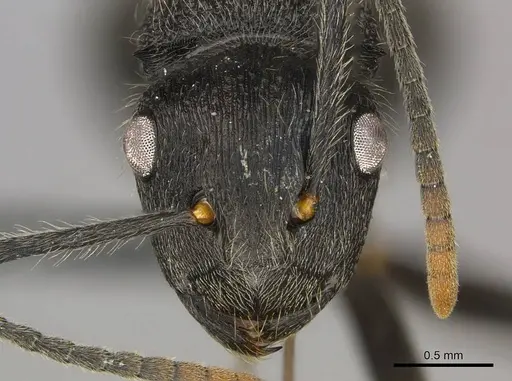
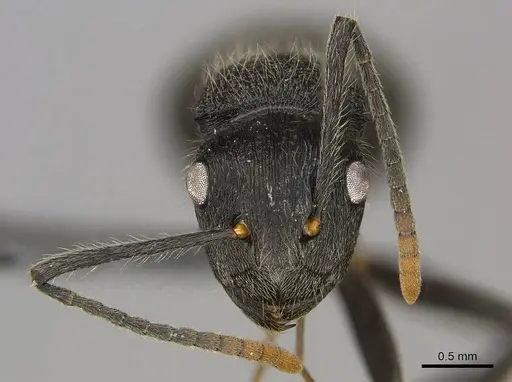
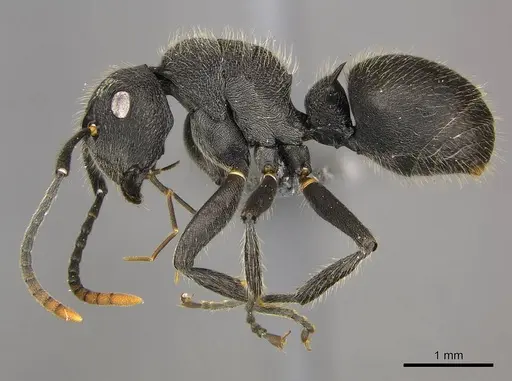
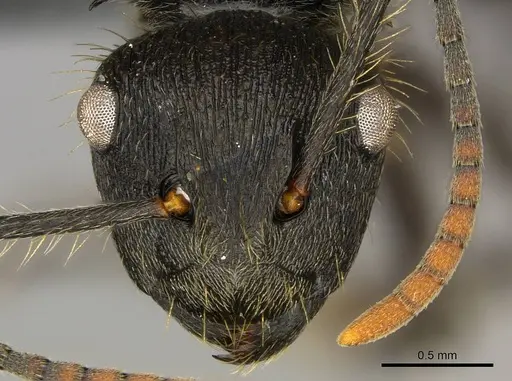
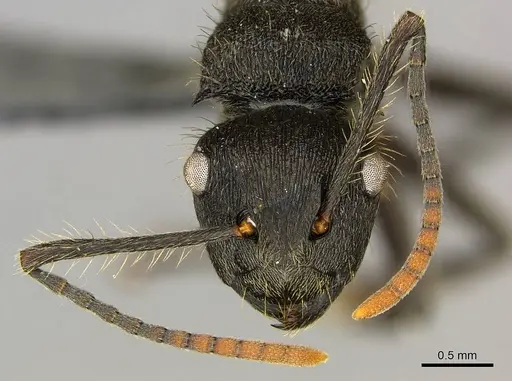
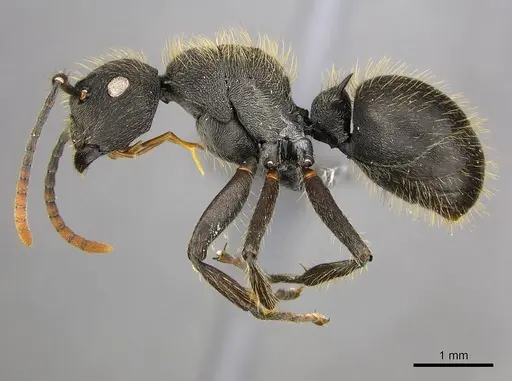
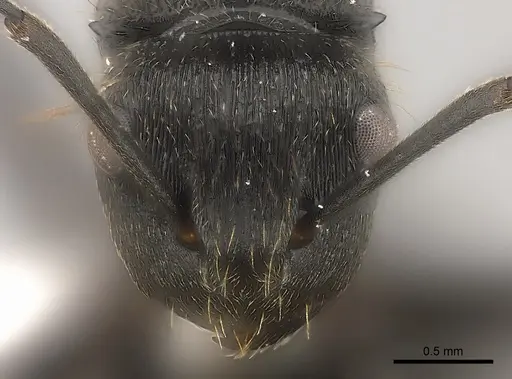
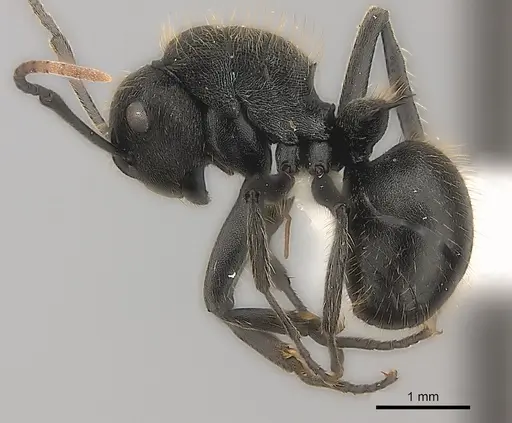
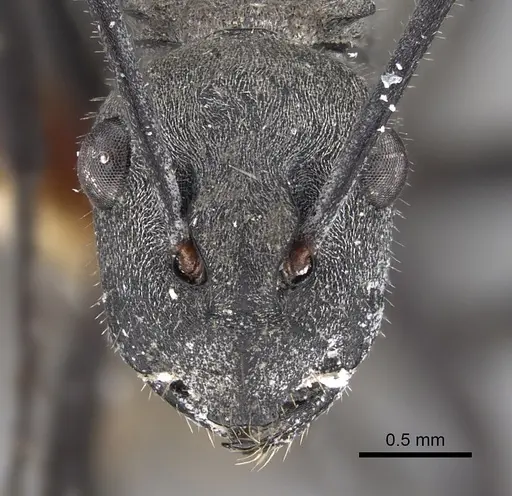
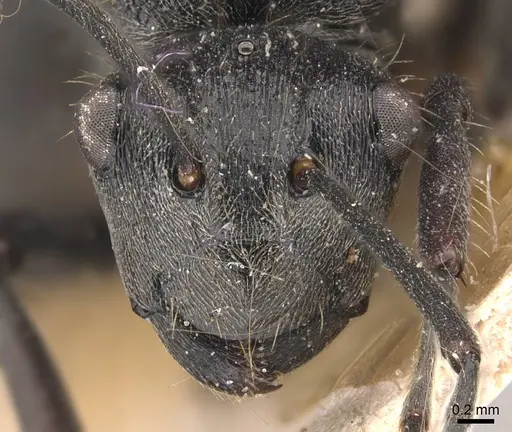
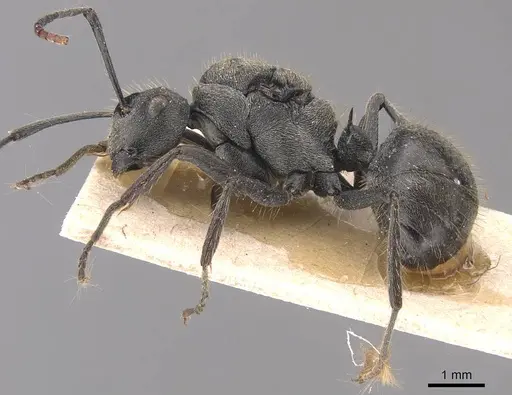
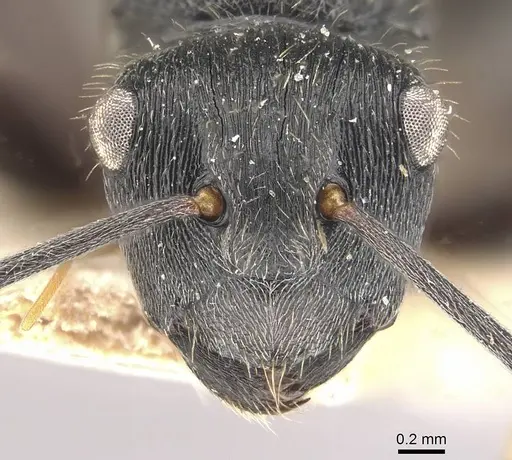
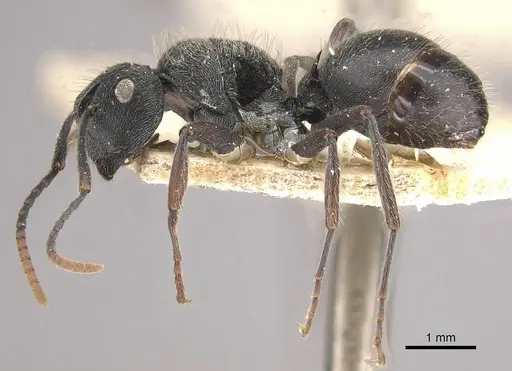
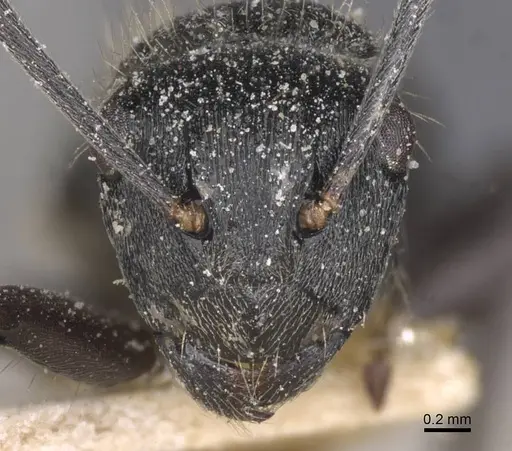
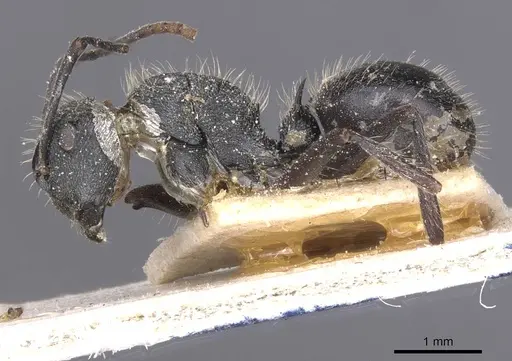
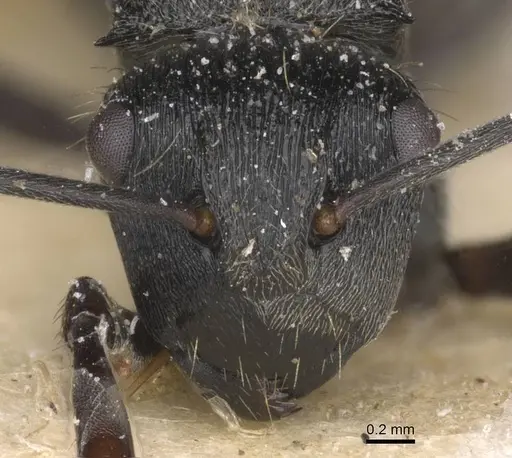
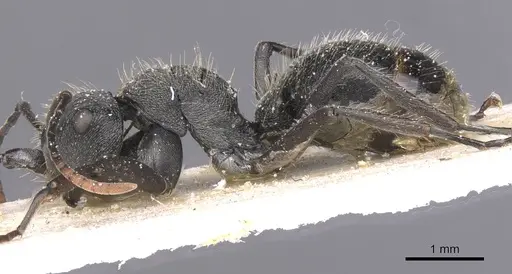
Polyrhachis weissi is a medium-sized African ant with workers measuring 5.7-6.1mm . They are uniformly black with distinctive spines on the pronotum and petiole, and the head is trapezoidal when viewed from above . This species is found in the Afrotropical region, including Cameroon, Congo, Ghana, and other countries . They nest arboreally in tropical rainforests . Polyrhachis weissi is known for building silk nests by weaving leaves together, creating sheltered chambers between contiguous leaves gummed with silk . This behavior makes them distinct from ground-nesting ants.
Quick Summary
- Difficulty: Medium
- Origin & Habitat: Afrotropical region: Cameroon, Central African Republic, Congo, Democratic Republic of Congo, Ghana, Guinea, Nigeria, South Africa, and Zambia [2]. They inhabit tropical rainforests and nest arboreally [3][4].
- Colony Type: Unconfirmed, no specific literature data on queen number, one wild nest contained multiple alate females but this does not confirm polygyne status [2].
- Size & Growth:
- Queen: Size data unavailable, no total length measurements for queens in literature.
- Worker: 5.7-6.1mm [1]
- Colony: Colonies are modest, one wild nest had 7 workers [2]. Maximum size unknown, but likely up to 100 workers based on genus patterns.
- Growth: Moderate, presence of cocoons indicates longer development [4].
- Development: Estimated 8-12 weeks at warm temperatures, based on Formicinae patterns [4]. (Cocoon stage present, which extends development time compared to species with naked pupae.)
- Antkeeping:
- Temperature: Keep warm and stable, roughly low-to-mid 20s°C, as they are tropical forest species.
- Humidity: Keep nest substrate consistently moist but not waterlogged, as they are forest species [4].
- Diapause: No, tropical species do not require hibernation.
- Nesting: Arboreal nester, provide vertical space and surfaces for silk nests [4][5].
- Behavior: Generally calm and non-aggressive. They lack a sting and use formic acid spray for defense. Escape risk is moderate due to climbing ability. They construct silk nests, which is their most notable behavior [2].
- Common Issues: high humidity needs can lead to mold if ventilation is poor, balance is key., small colony sizes mean slower growth, beginners may lose patience., arboreal nesting requires vertical space and materials for weaving., tropical species are sensitive to temperature drops, keep away from cold drafts., cocoon stage extends development time compared to other ants.
Nest Preferences and Housing
Polyrhachis weissi is an arboreal species that builds silk nests in forest environments. In the wild, they construct nests by weaving together leaves using silk produced by larvae, gumming leaves to create sheltered chambers [2][4]. For captive housing, provide vertical space and surfaces for nest attachment. Options include naturalistic setups with live plants or artificial leaves, or Y-tong/plaster nests with high humidity retention [4][5]. Keep the nest area humid but ensure ventilation to prevent mold.
Feeding and Diet
Polyrhachis weissi likely has a varied diet of honeydew and small insects. In captivity, offer sugar water or honey constantly for energy, and provide small insects like fruit flies or crickets 2-3 times per week for protein. Place food in the outworld for easy access. Remove uneaten prey after 24 hours to prevent mold.
Temperature and Seasonal Care
As a tropical forest species, Polyrhachis weissi needs warm, stable conditions. Keep temperatures roughly low-to-mid 20s°C, with no diapause required. Avoid cold drafts and temperature drops below 20°C, which can stress the colony. Use a thermometer to monitor conditions.
Behavior and Colony Dynamics
Polyrhachis weissi is calm and non-aggressive, preferring to flee rather than fight. They lack a sting and use formic acid spray for defense. Workers are moderately active and forage for food. Colonies are modest in size, with one wild nest containing 7 workers [2]. Queens are likely claustral, but this is unconfirmed.
Frequently Asked Questions
How long does it take for Polyrhachis weissi to raise first workers?
Expect 8-12 weeks from egg to first worker at warm temperatures, based on Formicinae patterns [4]. This is slower due to the cocoon stage.
Can I keep Polyrhachis weissi in a test tube setup?
Test tubes can work for founding colonies, but maintain high humidity and provide more space as they grow. Arboreal nesting preferences make naturalistic setups or Y-tong nests more suitable [4][5].
What do I feed Polyrhachis weissi?
Offer sugar water or honey constantly, plus small insects like fruit flies or crickets 2-3 times per week for protein.
Are Polyrhachis weissi good for beginners?
They are intermediate in difficulty due to humidity needs, arboreal nesting, and slow growth. Not recommended for absolute beginners.
How big do Polyrhachis weissi colonies get?
Colonies are modest, one wild nest had 7 workers [2]. Maximum size is unknown, but likely up to 100 workers.
Do Polyrhachis weissi need hibernation?
No, as a tropical species, they do not require diapause.
When should I move them to a formicarium?
Wait until the colony has 20-30 workers and is actively foraging. Use an arboreal setup with humidity control [4][5].
Why is my Polyrhachis weissi colony not growing?
Check temperature (warm and stable), humidity (moist substrate), and food quality. Small colonies grow slowly naturally. Avoid over-handling and ensure proper ventilation to prevent mold.
Can I keep multiple queens together?
This has not been documented. Based on genus patterns, single-queen colonies are likely. Combining unrelated foundresses is not recommended.
Report an Issue
The current care sheet is based fully on literature. See inconsistencies, or something that's incorrect? Please , it will be resolved after review from an admin. Contributing to the blogs tab also helps providing information, to make us be able to further improve the caresheets. Thank you for your support!
References

This caresheet is licensed under CC BY-SA 4.0 .
Community Blogs
CASENT0098360
View on AntWeb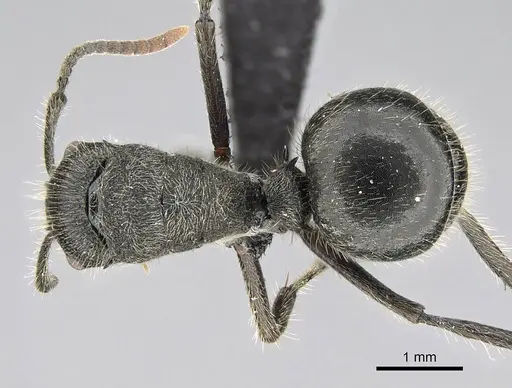
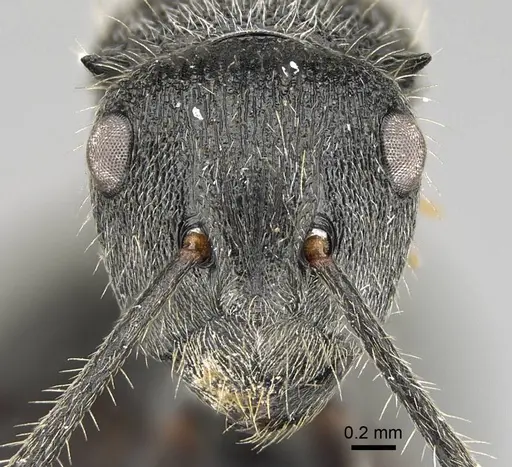
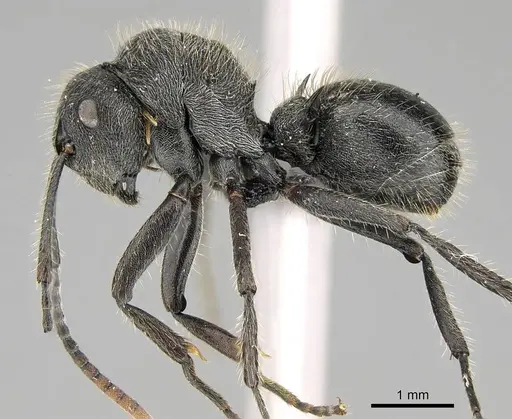
CASENT0250029
View on AntWeb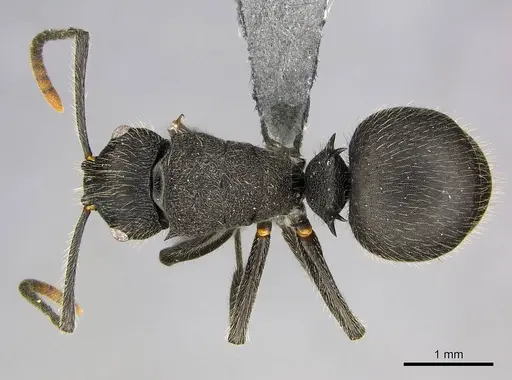
CASENT0250032
View on AntWeb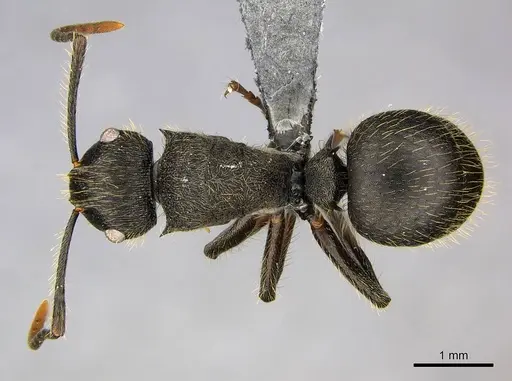
CASENT0403605
View on AntWeb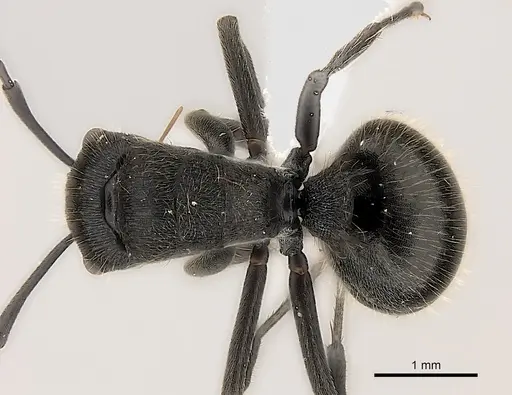
CASENT0887787
View on AntWeb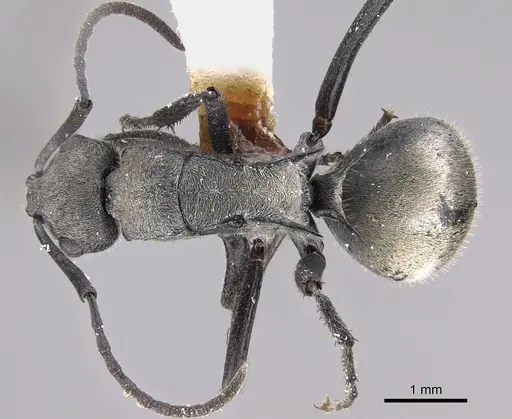
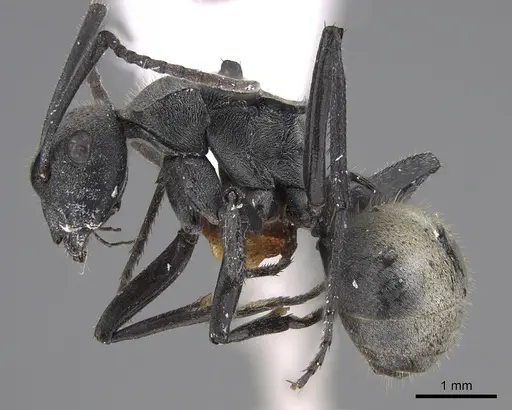
CASENT0905623
View on AntWeb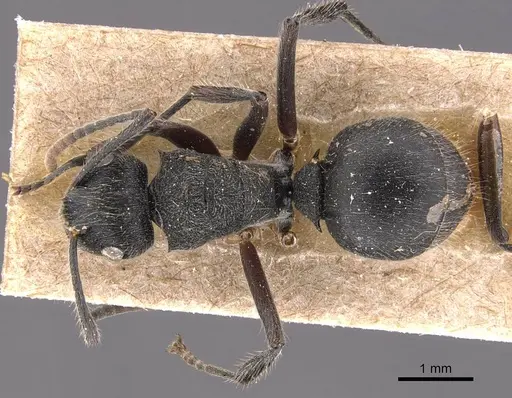
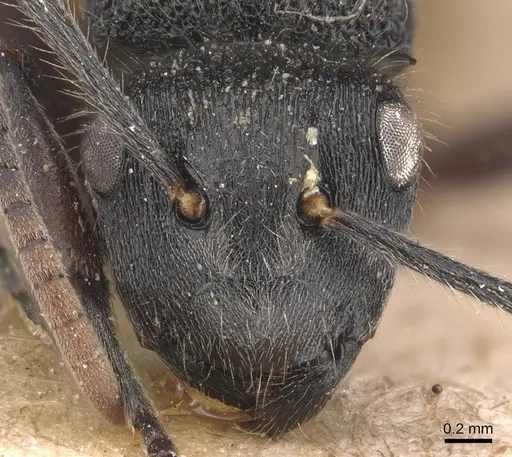
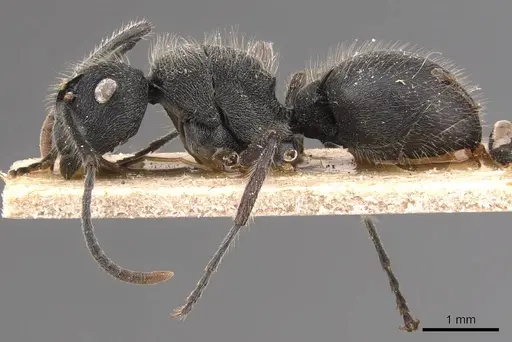
CASENT0905624
View on AntWeb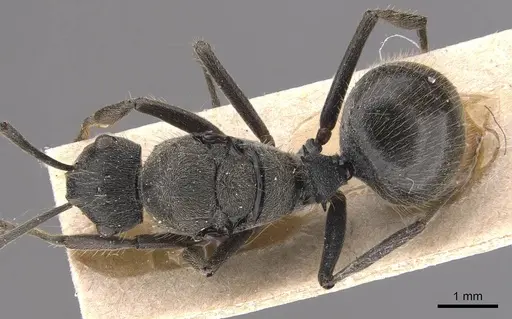
CASENT0910955
View on AntWeb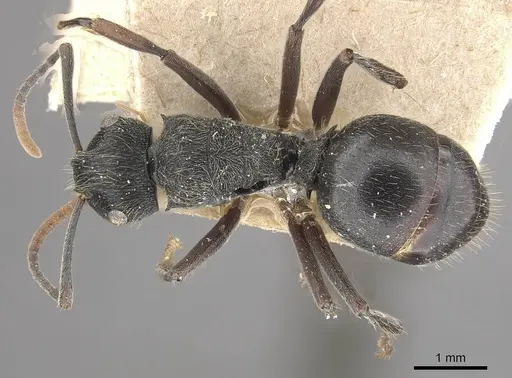
CASENT0912142
View on AntWeb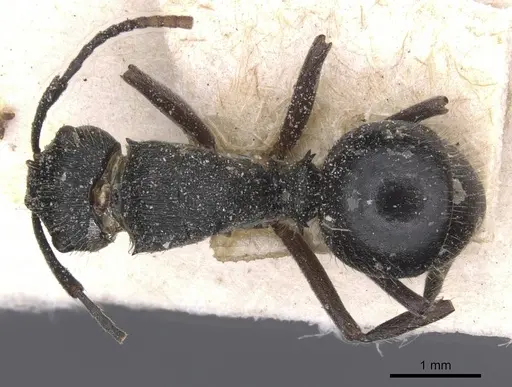
CASENT0912143
View on AntWeb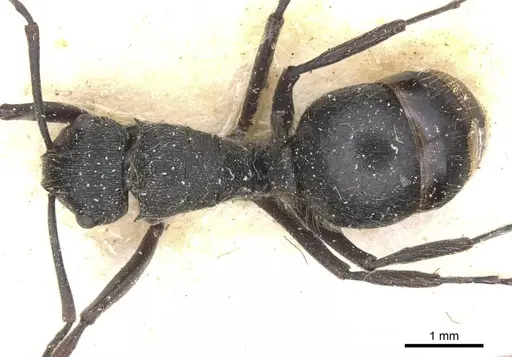
Literature
Loading distribution map...Loading products...