
Polyrhachis vigilans
- Sci. Name
- Polyrhachis vigilans
- Subgenus
- Myrma
- Tribe
- Camponotini
- Subfamily
- Formicinae
- Author
- Smith, 1858
- Distribution
- Found in 2 countries
Introduction
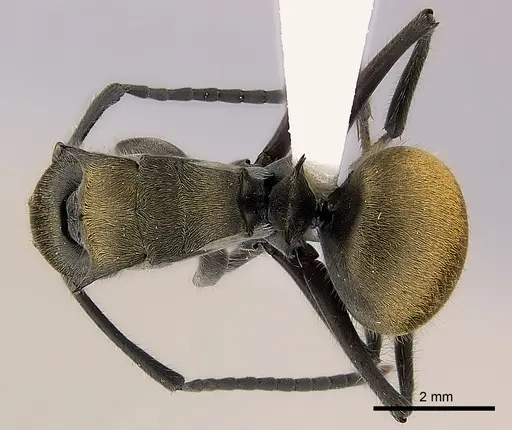
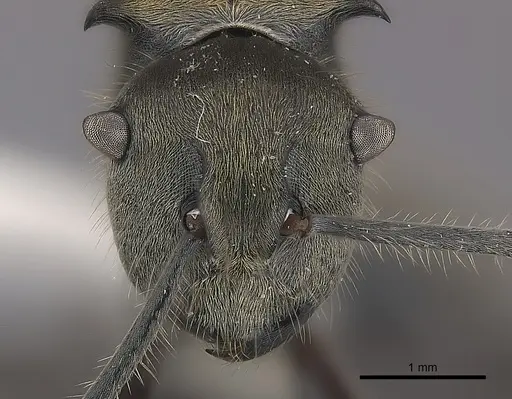
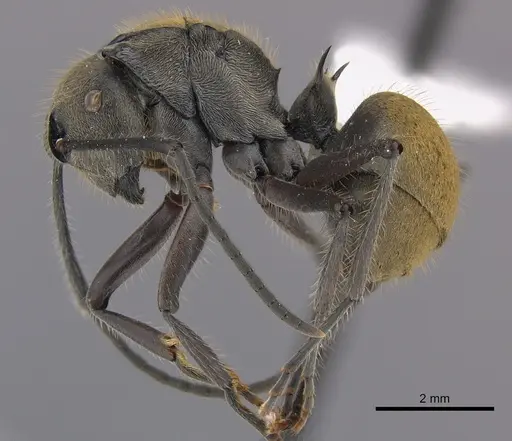
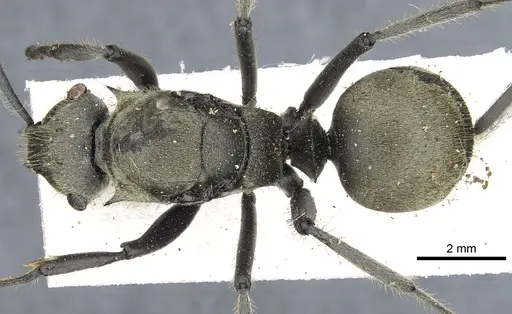
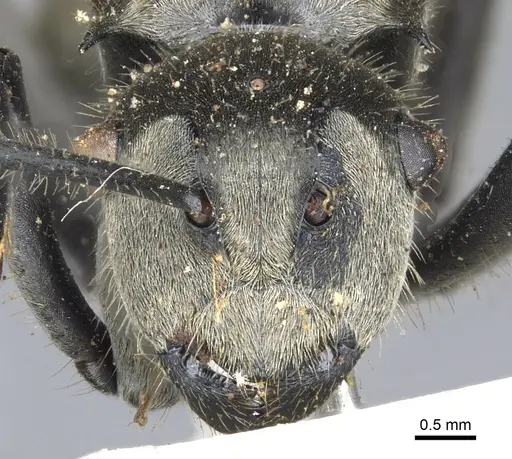
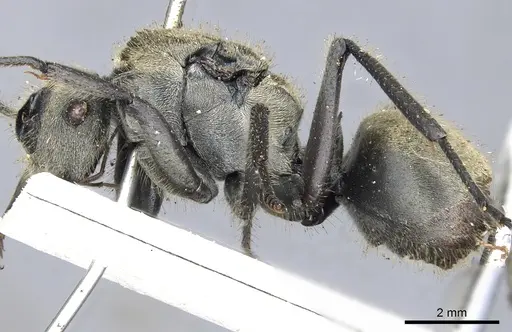
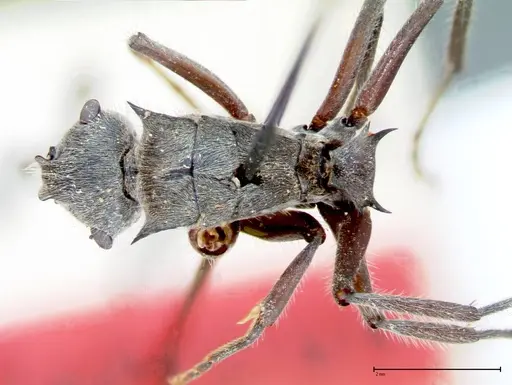
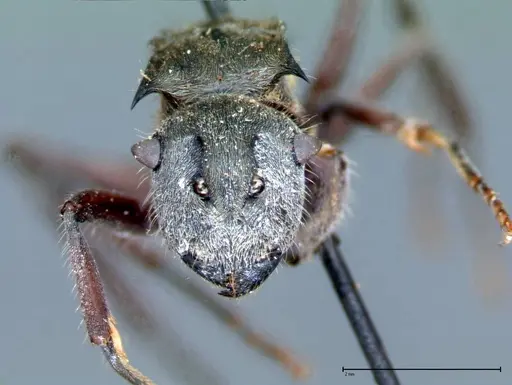
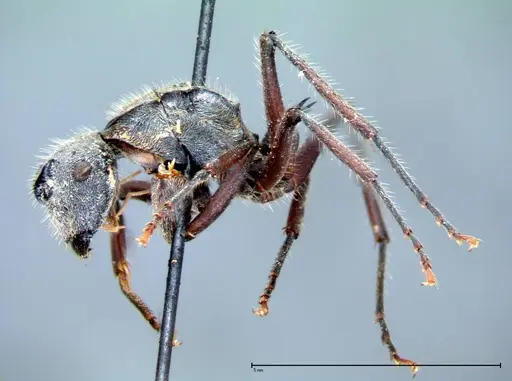
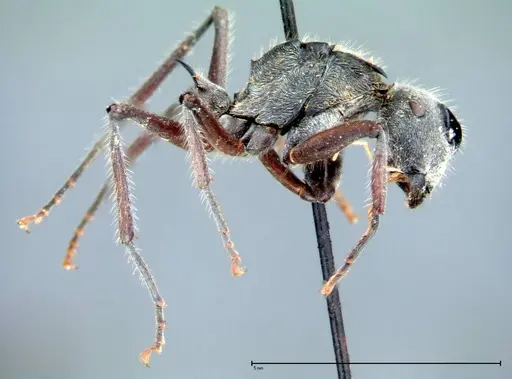
Polyrhachis vigilans is a medium-sized ant native to East and Southeast Asia, found across China, Hong Kong, Vietnam, and Taiwan . The queen was originally described from Hong Kong at around 9.5 mm (4½ lines) ; worker size is not directly recorded but inferred from genus patterns at about 6–8 mm. This species has gained attention for its interaction with the zombie ant fungus *Ophiocordyceps unilateralis*, which manipulates infected ants to climb vegetation and bite leaf veins before the fungus erupts from the pronotum .
Quick Summary
- Difficulty: Medium
- Origin & Habitat: Native to China, Hong Kong, Vietnam, and Taiwan [1][2][3][4]. Inhabits broad‑leaved forests, where colonies likely nest in trees or under bark [4].
- Colony Type: Colony structure is not documented in scientific literature. Based on typical *Polyrhachis* patterns, colonies likely have a single queen, but this is unconfirmed.
- Size & Growth:
- Antkeeping:
- Temperature: Inferred from tropical/subtropical range: keep at 24–28°C. A heating cable on one side of the nest creates a gradient. Avoid prolonged temperatures below 20°C.
- Humidity: Broad‑leaved forest habitat suggests moderate to high humidity. Keep nest substrate consistently moist but not waterlogged, mimicking damp forest conditions.
- Diapause: Based on tropical/subtropical range, likely does not require a true winter diapause. Activity may slow in cooler months, but no extended cold period is needed.
- Nesting: *Polyrhachis* species generally prefer arboreal or semi‑arboreal nests. In captivity, they do well in Y‑tong (AAC), plaster, or naturalistic setups with bark or wood pieces. Provide vertical space and multiple chambers.
- Behavior: Generally calm and non‑aggressive. Workers are active diurnal foragers but not particularly territorial. They are good climbers and may attempt escape through small openings. Standard escape prevention (fluon or oil barrier) is advised.
- Common Issues: lack of captive care data makes specific requirements uncertain – monitor colony response and adjust, fungal susceptibility – wild colonies can be infected by *Ophiocordyceps unilateralis*, maintain clean conditions to prevent disease, escape risk – good climbers that may squeeze through small gaps, humidity management is critical – too dry harms brood, too wet promotes mold, slow colony growth compared to faster‑raising species may frustrate beginners
Housing and Nest Setup
Polyrhachis vigilans does well in Y‑tong (AAC) nests or plaster nests that hold humidity. Because Polyrhachis ants are often arboreal, provide some vertical space – a naturalistic setup with bark or wood pieces works well. Test tubes are fine for founding a colony, but upgrade to a larger formicarium once the colony reaches about 30–50 workers. Make sure chambers are sized for medium ants (not too cramped, not too spacious). Include a water tube for humidity and easy access to the outworld for feeding.
Feeding and Diet
Like most Polyrhachis species, these ants are omnivorous. Offer sugar sources (honey water, sugar water) constantly and protein foods (mealworms, crickets, other insects) 2–3 times per week. In the wild they forage for honeydew from aphids and small arthropods. Remove uneaten prey after 24–48 hours to prevent mold. They are not aggressive hunters and will accept pre‑killed insects.
Temperature and Seasonal Care
Keep the colony warm at 24–28°C. This tropical/subtropical species does not require hibernation – in fact, prolonged temperatures below 20°C may slow growth or cause problems. If your room is too cool, use a heating cable on one side of the nest to create a gradient. They remain active year‑round in captivity and do not enter true diapause.
Behavior and Colony Dynamics
Polyrhachis vigilans is a calm, non‑aggressive ant. Workers forage actively during daylight and are good climbers – secure your formicarium with barriers (fluon or oil). The colony grows at a moderate pace, don’t expect explosive growth. Be patient with the founding stage, nanitics may take a while to appear. In the wild, infected ants are manipulated by the zombie ant fungus Ophiocordyceps unilateralis, which forces them to bite leaf veins before the fungus erupts from the pronotum [6][4].
Health and Disease Concerns
Wild colonies of P. vigilans are known hosts of Ophiocordyceps unilateralis, the zombie ant fungus [6][4]. While this pathogen rarely occurs in a clean captive setup, it highlights the need for good hygiene. Remove uneaten food promptly, avoid introducing contaminated materials, and monitor for mold. If workers start dying unexpectedly, check temperature, humidity, and food quality first.
Frequently Asked Questions
How long does it take for Polyrhachis vigilans to raise their first workers?
The exact timeline is unknown for this species. Based on related Polyrhachis, development from egg to worker likely takes 6–10 weeks at optimal temperature (24–28°C), but no direct data is available.
Can I keep Polyrhachis vigilans in a test tube?
Yes, test tubes work well for founding colonies. Use a standard setup with a water reservoir and cotton plug. Upgrade to a larger formicarium (Y‑tong or plaster nest) once the colony reaches about 30–50 workers.
What temperature do Polyrhachis vigilans need?
Keep them at 24–28°C. They are tropical ants that do not tolerate cool conditions well. Avoid temperatures below 20°C for long periods.
Do Polyrhachis vigilans need hibernation?
No. Being a tropical/subtropical species, they do not require true hibernation. They remain active year‑round, no cooling period is needed.
How big do Polyrhachis vigilans colonies get?
Colony size is not documented in the literature. Based on related Polyrhachis species, they likely reach several hundred workers at most, but this is uncertain.
What do Polyrhachis vigilans eat?
They are omnivorous. Provide a constant sugar source (honey water, sugar water) and protein foods (insects, mealworms, crickets) 2–3 times per week. They also accept fruit.
Are Polyrhachis vigilans good for beginners?
Rated as medium difficulty. They are calmer than many tropical ants and don’t need hibernation, but the lack of detailed care information and moderate growth rate can challenge beginners.
Can I keep multiple Polyrhachis vigilans queens together?
Not recommended. There is no evidence that this species is polygynous (multiple queens), and combining unrelated queens usually leads to fighting. Start with a single queen.
Why are my Polyrhachis vigilans dying?
Common causes include temperatures below 20°C, incorrect humidity (too dry or too wet), poor nutrition, or mold from uneaten food. Check your setup and adjust gradually.
Report an Issue
The current care sheet is based fully on literature. See inconsistencies, or something that's incorrect? Please , it will be resolved after review from an admin. Contributing to the blogs tab also helps providing information, to make us be able to further improve the caresheets. Thank you for your support!
References

This caresheet is licensed under CC BY-SA 4.0 .
Community Blogs
Literature
Loading distribution map...Loading products...