
Polyrhachis ugiensis
- Sci. Name
- Polyrhachis ugiensis
- Subgenus
- Cyrtomyrma
- Tribe
- Camponotini
- Subfamily
- Formicinae
- Author
- Mann, 1919
- Distribution
- Found in 1 countries
Introduction
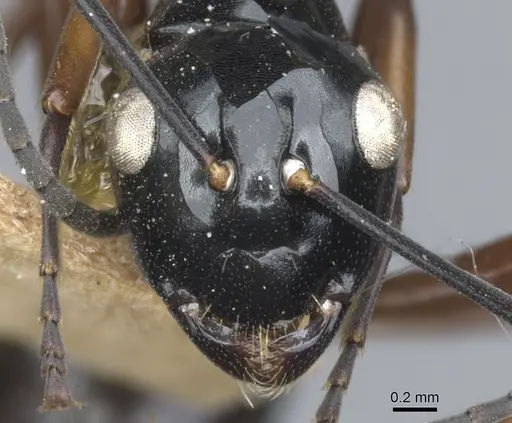
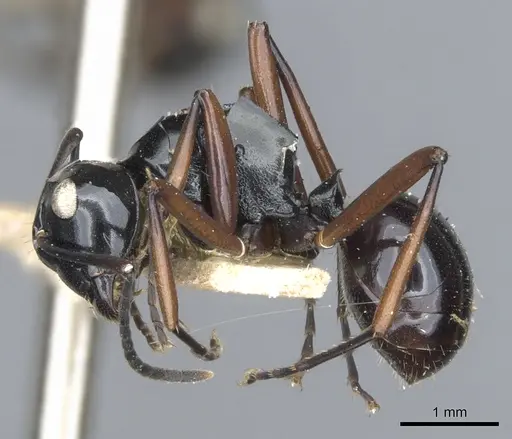
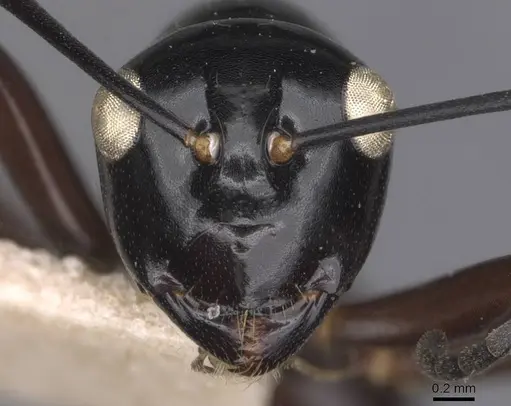
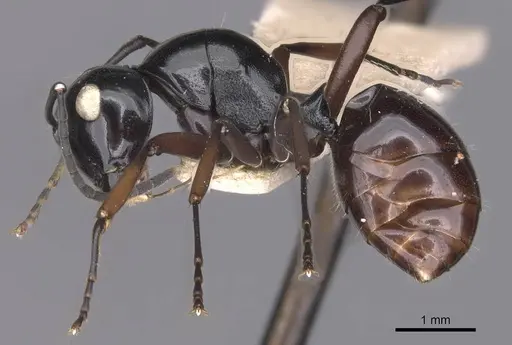
Polyrhachis ugiensis is a spiny ant species from the Solomon Islands, with workers measuring 5.5-6 mm in length . Workers have reddish-brown femora and tibiae, black tarsi, and black antennae with a brown tip on the last segment . The pronotal dorsum is notably convex, and the lateral petiolar spines are greatly reduced compared to similar species like Polyrhachis fulakora . This species belongs to the subgenus Cyrtomyrma and is endemic to the Solomon Islands, recorded from Ugi, San Cristoval, Three Sisters, and Makira . Nothing is known about the specific biology of this species, making it a challenging option for experienced antkeepers.
Quick Summary
- Difficulty: Expert
- Origin & Habitat: Solomon Islands (Ugi, San Cristoval, Three Sisters, Makira), tropical island environment [2][3]
- Colony Type: Unconfirmed colony structure. No data exists on queen number or social structure for this species.
- Size & Growth:
- Queen: Unknown, no body size data for queens. Inferred from Polyrhachis genus: queens typically 8-12 mm.
- Worker: 5.5-6 mm [1]
- Colony: Unknown, no colony size data exists.
- Growth: Unknown, no development data exists.
- Development: Unknown, no direct data. Estimated 6-10 weeks based on tropical Polyrhachis patterns. (This estimate is based on genus-level patterns for tropical Polyrhachis species.)
- Antkeeping:
- Temperature: Keep warm, roughly 24-28°C, based on tropical origin.
- Humidity: Maintain moderate to high humidity, based on tropical island habitat.
- Diapause: No, Solomon Islands have no winter, so diapause is unlikely.
- Nesting: Provide a nest with a moisture gradient, as inferred from genus patterns.
- Behavior: Behavior is unstudied. Based on typical Polyrhachis patterns, workers are moderately active and may show moderate aggression when defending the nest. Workers are 5.5-6 mm, so escape prevention is important but not as critical as for smaller species.
- Common Issues: lack of species-specific data makes care experimental and challenging., unknown founding behavior may lead to colony failure., inferred conditions may not match actual needs, risking colony health.
Natural History and Distribution
Polyrhachis ugiensis is endemic to the Solomon Islands, a tropical archipelago in Oceania. The species was first described in 1919 from specimens collected on Ugi Island, San Cristoval, and the Three Sisters islands [2]. Recent surveys have also recorded it on Makira Island [3]. Nothing is known about nesting preferences, colony size, or behavior in the wild, this is one of the least studied Polyrhachis species.
Identification and Related Species
Polyrhachis ugiensis is most similar to Polyrhachis fulakora. The key distinguishing feature is the pronotal dorsum shape: in P. ugiensis it is much more convex, especially anteriorly, while in P. fulakora it is only weakly convex [1]. Additionally, the lateral petiolar spines in P. ugiensis are greatly reduced, sometimes appearing as mere angles [1]. Workers measure 5.5-6 mm and have distinctive leg coloration [1].
Housing and Nesting
Since nothing is known about specific nesting preferences, recommendations are based on genus patterns and tropical origin. Provide a nest that maintains warmth and humidity, such as Y-tong or plaster nests with a moisture reservoir. Include a humidity gradient so ants can choose their preferred zone. The outworld should allow for ground foraging and climbing opportunities, as many Polyrhachis species are semi-arboreal. Use a test tube setup for founding colonies, transitioning to a proper nest once the colony grows. Ensure excellent escape prevention, workers at 5.5-6 mm are agile.
Feeding and Diet
Polyrhachis species are typically omnivorous, feeding on nectar, honeydew, and small insects. Provide a varied diet including sugar sources (e.g., honey water) and protein sources (e.g., small live or frozen insects). Since this species is from the Solomon Islands, they likely have year-round foraging activity. Feed every 2-3 days, removing uneaten prey after 24 hours. Fresh water should always be available.
Temperature and Seasonal Care
As a Solomon Islands species, P. ugiensis requires warm conditions year-round. Maintain temperatures roughly between 24-28°C consistently. Avoid temperatures below 22°C to prevent stress. Use a heating cable or mat to create a temperature gradient. Do not provide a diapause period, the Solomon Islands have no winter.
Challenges and Expert-Level Considerations
P. ugiensis is rated Expert difficulty because no species-specific biological data exists, every aspect of care must be inferred from genus patterns. This makes successful keeping experimental. Document your observations carefully to contribute knowledge. Start with a small colony to observe preferences before investing heavily. Be prepared to experiment with conditions to find what works best.
Frequently Asked Questions
How long does it take for Polyrhachis ugiensis to produce first workers?
The egg-to-worker timeline is unknown, no development data exists. Based on related tropical Polyrhachis species, estimate 6-10 weeks at optimal temperature, but this is inferred and may vary.
What do Polyrhachis ugiensis ants eat?
Based on typical Polyrhachis diet, offer sugar sources (e.g., honey water) regularly and protein (e.g., small insects) several times per week. Fresh water should always be available.
What temperature do Polyrhachis ugiensis ants need?
Keep them warm, roughly 24-28°C, based on their tropical origin. Avoid temperatures below 22°C.
Do Polyrhachis ugiensis need hibernation or diapause?
No, the Solomon Islands have no winter, so this species likely does not require diapause. Keep them at warm temperatures year-round.
How big do Polyrhachis ugiensis colonies get?
Colony size is unknown, no data exists. Based on typical Polyrhachis patterns, colonies may reach several hundred workers over time.
Is Polyrhachis ugiensis good for beginners?
No, this species is rated Expert difficulty because nothing is known about its biology. Every aspect of care must be inferred, making it challenging. Beginners should start with better-documented species.
Can I keep multiple Polyrhachis ugiensis queens together?
Colony structure is unconfirmed for this species. Polyrhachis species are typically single-queen, but multi-queen arrangements have not been studied. Do not combine unrelated queens without evidence.
What size nest does Polyrhachis ugiensis need?
Start with a test tube setup for founding colonies. Once the colony grows, transition to a Y-tong or plaster nest with a moisture reservoir. Include both horizontal and vertical space.
Why is my Polyrhachis ugiensis colony dying?
Without species-specific data, diagnosing problems is difficult. Check temperature, humidity, and food variety. Stress from incorrect conditions is likely. Consider that actual needs may differ from inferred recommendations.
Report an Issue
The current care sheet is based fully on literature. See inconsistencies, or something that's incorrect? Please , it will be resolved after review from an admin. Contributing to the blogs tab also helps providing information, to make us be able to further improve the caresheets. Thank you for your support!
References

This caresheet is licensed under CC BY-SA 4.0 .
Community Blogs
CASENT0903415
View on AntWeb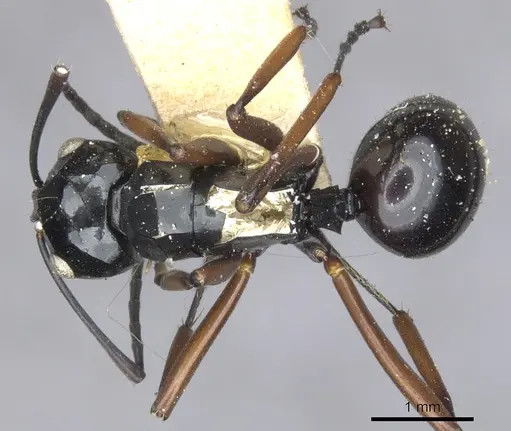
CASENT0905543
View on AntWeb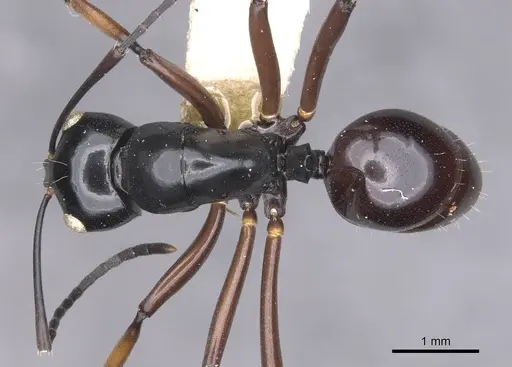
Literature
Loading distribution map...Loading products...