
Polyrhachis tubericeps
- Sci. Name
- Polyrhachis tubericeps
- Subgenus
- Myrmhopla
- Tribe
- Camponotini
- Subfamily
- Formicinae
- Author
- Forel, 1893
- Distribution
- Found in 1 countries
Introduction
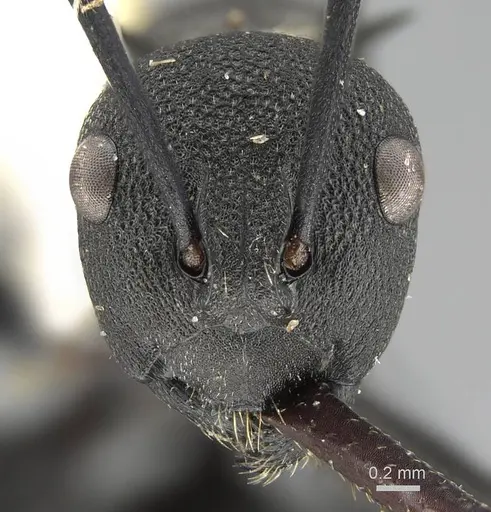
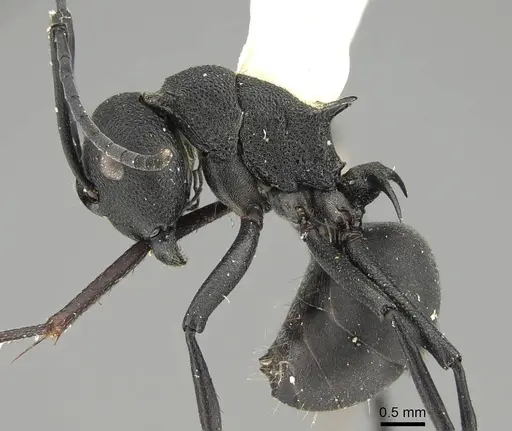
Polyrhachis tubericeps is a medium-sized ant species from the Indomalaya region, found across Bangladesh, India, Sri Lanka, and Burma . Workers have a distinctive tuberculate head sculpture, which gives the species its name. These ants inhabit Himalayan foothills up to 2000 meters elevation in India and are recorded in states like Arunachal Pradesh and Assam . The species is considered rare in parts of its range, such as Bengal . This species is notable for adapting to cooler montane environments, which is unusual for the typically tropical Polyrhachis genus .
Quick Summary
- Difficulty: Medium
- Origin & Habitat: Native to the Indomalaya region including Bangladesh, India, Sri Lanka, and Burma [1]. Found in Himalayan regions up to 2000m elevation [2] and specific states like Arunachal Pradesh and Assam [3].
- Colony Type: Based on typical Polyrhachis patterns, likely monogyne (single queen) colonies. No data on ergatoid replacement reproductives for this specific species.
- Size & Growth:
- Queen: Size data unavailable, no total length measurements in research context. Inferred from Polyrhachis genus as approximately 8-10 mm.
- Worker: Size data unavailable, no total length measurements in research context. Inferred from Polyrhachis genus as approximately 6-8 mm.
- Colony: Up to several hundred workers.
- Growth: Moderate
- Development: 6-10 weeks at 24-28°C (Development time is estimated from related species, warmer temperatures may accelerate growth.)
- Antkeeping:
- Temperature: Based on Himalayan distribution [2], keep at 24-28°C. A heating cable on one side creates a useful gradient.
- Humidity: Provide moderate humidity with a moist nest chamber but ensure good ventilation, as montane species prefer well-ventilated conditions.
- Diapause: Yes, based on Himalayan distribution [2], provide a winter rest period of 2-3 months at 10-15°C. Reduce feeding during this period.
- Nesting: Semi-arboreal preferences. In captivity, they do well in Y-tong (AAC) nests or naturalistic setups with multiple chambers.
- Behavior: Workers are generally calm and non-aggressive foragers. They are active hunters and will take protein prey. Escape risk is moderate, standard barrier methods work well. Like other Formicinae, they can spray formic acid as a defense mechanism.
- Common Issues: acquiring colonies may be difficult due to rarity [4]., proper diapause is essential for montane species [2]., ensure vertical space for their semi-arboreal nature., avoid overfeeding to prevent mold and stress.
Housing and Nest Setup
Polyrhachis tubericeps does well in Y-tong (AAC) formicariums or naturalistic setups. Their semi-arboreal nature means they appreciate vertical space and climbing structures within the nest. Provide multiple connected chambers rather than a single large cavity. Test tube setups work for founding colonies, use a water reservoir with a cotton plug, but ensure the tube is not overfilled to prevent flooding. Once the colony reaches 20+ workers, consider moving to a proper formicarium. These ants are moderate climbers, so standard escape prevention (Fluon on rim edges) is sufficient. Avoid overly humid, stagnant conditions, montane origins mean they prefer fresh air circulation [2].
Feeding and Diet
Like most Polyrhachis species, these ants are opportunistic predators and will accept a varied diet. Offer protein sources such as small crickets, mealworms, fruit flies, and other small insects. Sugar water, honey, or sucrose solutions should be available at all times, Polyrhachis frequently collect honeydew in the wild. Feed protein 2-3 times per week depending on colony size, and keep sugar sources constantly available. Remove uneaten prey after 24-48 hours to prevent mold. Colonies typically flourish with a balanced diet combining protein and carbohydrates [5].
Temperature and Seasonal Care
Maintain temperatures between 24-28°C for optimal colony development. The Himalayan distribution of this species (up to 2000m elevation) suggests they can tolerate cooler conditions than typical tropical ants [2]. During summer months, room temperature in most homes is often adequate. In winter, provide a diapause period of 2-3 months at 10-15°C. This simulates their natural montane seasonal cycle and promotes colony health. Reduce feeding during diapause and avoid disturbing the colony. After hibernation, gradually warm the colony back to normal temperatures over several days.
Colony Founding
Founding behavior is unconfirmed for this species. Provide a founding queen with a small test tube setup with a water reservoir. Place the tube in a dark, quiet location and do not disturb for 4-6 weeks. After workers emerge, begin offering tiny food items like fruit fly pieces or a drop of sugar water. Do not disturb the founding chamber until the colony is clearly established with multiple workers.
Behavior and Defense
Polyrhachis tubericeps workers are active foragers with a generally calm temperament. They are not particularly aggressive but will defend the nest if threatened. Like other Formicinae, they can produce formic acid as a defensive spray, this is usually not harmful to humans but can be irritating. Workers are moderately polymorphic (varying sizes within a colony) which is typical for the genus. They are good climbers and will explore vertical surfaces. Colony activity levels typically increase with warmer temperatures and decrease during diapause.
Frequently Asked Questions
How long does it take for Polyrhachis tubericeps to produce first workers?
Expect 6-10 weeks from egg to first worker at optimal temperature (24-28°C). This is estimated from related Formicinae species since specific development data is not available for this rare species.
Do Polyrhachis tubericeps ants need hibernation?
Yes, a winter diapause is recommended given their Himalayan montane distribution [2]. Provide 2-3 months at 10-15°C during winter months. Reduce feeding and avoid disturbing the colony during this period.
What do Polyrhachis tubericeps eat?
They accept small insects (crickets, mealworms, fruit flies) for protein and sugar sources (honey water, sugar water) [5]. Offer protein 2-3 times weekly and keep sugar water constantly available.
Are Polyrhachis tubericeps good for beginners?
This species is rated as medium difficulty. While not the easiest species, experienced antkeepers should find them manageable. Their montane origins require proper diapause provision, which adds an extra care step.
Can I keep multiple Polyrhachis tubericeps queens together?
Colony structure is not well documented for this species. Based on typical Polyrhachis patterns, they likely form single-queen colonies. Combining unrelated queens is not recommended without documented evidence of pleometrosis for this species.
How big do Polyrhachis tubericeps colonies get?
Colony size is estimated at up to several hundred workers based on typical Polyrhachis colony sizes. Exact maximum is unknown as this is a rarely studied species.
What is the best nest type for Polyrhachis tubericeps?
Y-tong (AAC) formicariums or naturalistic setups work well. Provide multiple chambers and climbing structures. Test tubes are suitable for founding colonies.
Where is Polyrhachis tubericeps found?
They inhabit the Indomalaya region including Bangladesh, India, Sri Lanka, and Burma [1]. They are found at elevations up to 2000m in Himalayan regions of India [2] and specific states like Arunachal Pradesh and Assam [3].
Why is my Polyrhachis tubericeps colony not growing?
Common causes include suboptimal temperature (aim for 24-28°C), insufficient protein in diet, overfeeding leading to mold, or stress from disturbance. Ensure proper humidity and minimal disturbance during founding. Colonies naturally grow slowly, patience is key.
Report an Issue
The current care sheet is based fully on literature. See inconsistencies, or something that's incorrect? Please , it will be resolved after review from an admin. Contributing to the blogs tab also helps providing information, to make us be able to further improve the caresheets. Thank you for your support!
References

This caresheet is licensed under CC BY-SA 4.0 .
Community Blogs
CASENT0910899
View on AntWeb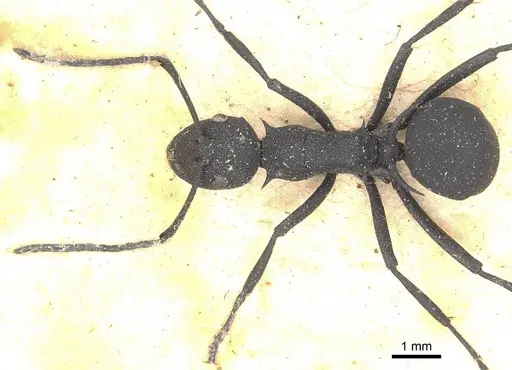
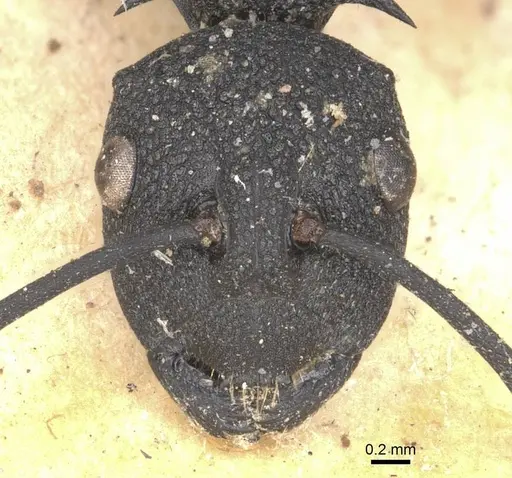
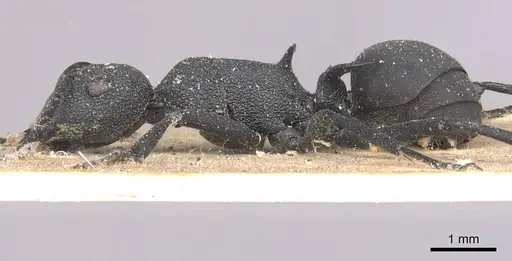
CASENT0919917
View on AntWeb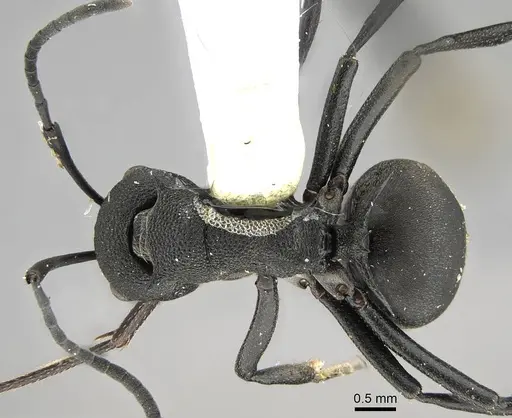
Literature
Loading distribution map...Loading products...