
Polyrhachis terpsichore
- Sci. Name
- Polyrhachis terpsichore
- Subgenus
- Hedomyrma
- Tribe
- Camponotini
- Subfamily
- Formicinae
- Author
- Forel, 1893
- Distribution
- Found in 1 countries
Introduction
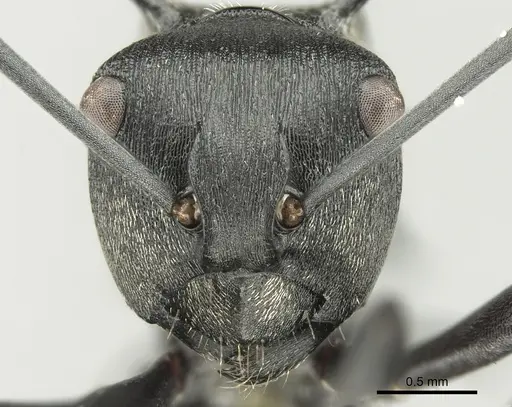
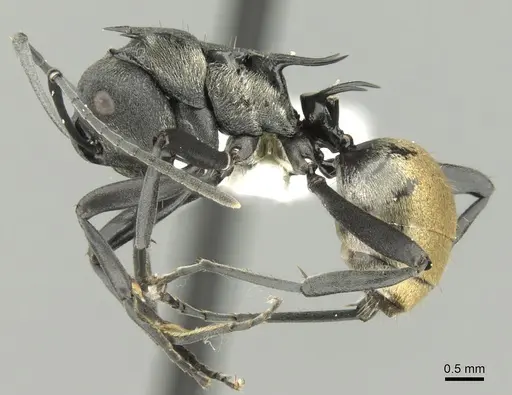
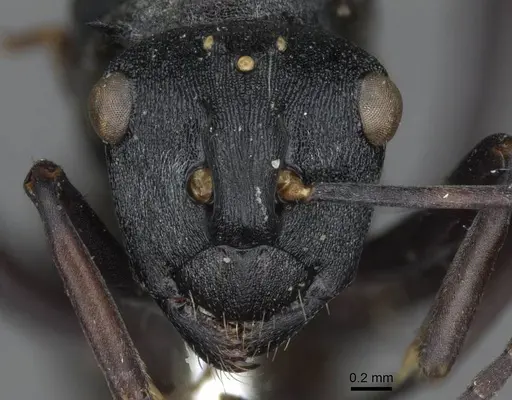
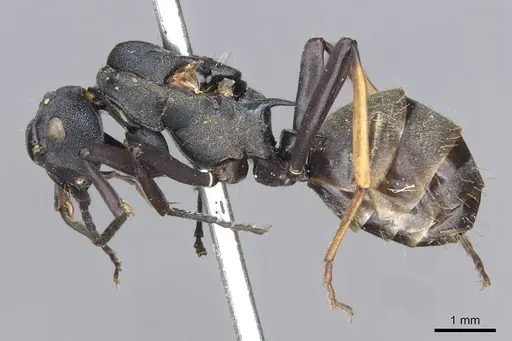
Polyrhachis terpsichore is an Australian ant species in the subgenus Hedomyrma. Workers are medium-sized, but exact body measurements are unavailable . Queens are larger than workers, based on genus patterns. This species is found in tropical northern Australia, including the Wessel Islands, where it is a rainforest specialist . They nest in rotting wood cavities, sealing entrances with mud to create airtight chambers . As a rainforest species, they are adapted to humid environments and defend themselves by spraying formic acid, like other Formicinae ants.
Quick Summary
- Difficulty: Medium
- Origin & Habitat: Tropical northern Australia, including the Northern Territory and islands like Marchinbar, in humid rainforest environments [2][3].
- Colony Type: Unconfirmed, colony structure (single-queen vs multi-queen) has not been documented for this species.
- Size & Growth:
- Queen: Size data unavailable, no total length measurements exist. Based on Polyrhachis genus patterns, queens are likely larger than workers.
- Worker: Size data unavailable, no total length measurements exist. Based on Polyrhachis genus patterns, workers are typically medium-sized.
- Colony: Unknown, no scientific data on colony size.
- Growth: Unknown, development has not been studied.
- Development: Unconfirmed, no direct data. Based on related Polyrhachis species, estimate 6-10 weeks at tropical temperatures. (Estimate based on genus-level patterns, specific timeline for P. terpsichore is unconfirmed.)
- Antkeeping:
- Temperature: Aim for 24-28°C to mimic tropical conditions. Provide a gentle gradient for self-regulation [2].
- Humidity: Keep nest substrate consistently moist but not waterlogged, as they are rainforest specialists [2].
- Diapause: Unconfirmed, tropical species may not require hibernation, but a slight cool period in winter might benefit colony health.
- Nesting: Lignicolous (wood-nesting) species. Provide wood-based nests or Y-tong with cork inserts, keeping material moist [4][5].
- Behavior: Generally calm and non-aggressive. Workers forage actively but are not highly territorial. As Formicinae, they spray formic acid when threatened. Escape risk is moderate, use standard barriers like Fluon.
- Common Issues: low humidity can cause rapid death in rainforest specialists, improper nesting setup (e.g., test tubes) may prevent colony modification, founding colonies may struggle due to limited captive data, wild-caught colonies could carry parasites or diseases, temperatures below 20°C may halt brood development
Housing and Nest Preferences
Polyrhachis terpsichore is a lignicolous species, meaning it naturally nests in rotting wood [4]. In the wild, workers excavate cavities in decayed stems and seal entrances with mud to create waterproof, airtight chambers [5]. For captive care, provide a naturalistic setup with rotting wood pieces or a Y-tong formicarium with cork inserts. Keep nest material consistently moist but not waterlogged. Avoid test tube setups for established colonies, these ants need to modify their environment like in the wild.
Feeding and Diet
The specific diet of Polyrhachis terpsichore is not documented. However, Polyrhachis ants are generally omnivorous, feeding on honeydew, nectar, and small insects. Offer sugar sources (e.g., honey water) constantly and protein (e.g., fruit flies) 2-3 times per week. Remove uneaten prey to prevent mold.
Temperature and Seasonal Care
As an Australian tropical species, Polyrhachis terpsichore prefers warm conditions around 24-28°C [2]. A heating cable can create a gradient for self-regulation. Diapause is unconfirmed, but a slight cool period in winter (18-22°C for 2-3 months) may simulate seasonal patterns. Monitor activity and avoid temperatures below 15°C.
Behavior and Defense
Workers are generally calm and active foragers. As Formicinae ants, they lack a stinger and defend by spraying formic acid. This is not dangerous but can irritate skin. Handle gently and use standard escape prevention methods.
Frequently Asked Questions
How long does it take for Polyrhachis terpsichore to produce first workers?
The exact timeline is unconfirmed. Based on related Polyrhachis species, expect 6-10 weeks from egg to first worker at 24-28°C. Be patient, as founding colonies may take months to establish.
What is the best nest type for Polyrhachis terpsichore?
They are wood-nesting ants, so provide rotting wood pieces, cork, or a Y-tong formicarium with wood inserts. Keep the nest material moist [4][5].
Are Polyrhachis terpsichore good for beginners?
This species is rated Medium difficulty. It requires high humidity, warm temperatures, and wood-nesting setups, which may challenge beginners.
How big do Polyrhachis terpsichore colonies get?
The maximum colony size is unknown. Based on genus patterns, colonies may reach several hundred workers, but growth is likely slow.
Do Polyrhachis terpsichore need hibernation?
True hibernation is likely not required for this tropical species. However, a slight cool period in winter may benefit colony health. Monitor activity and adjust temperatures accordingly.
Can I keep multiple queens together?
The colony structure is unconfirmed. Combining unrelated queens is not recommended, as their social behavior is unknown. Start with a single queen colony.
What do Polyrhachis terpsichore eat?
They are omnivorous. Offer sugar sources constantly and protein 2-3 times per week. Acceptance may vary since captive feeding is unstudied.
Why is my Polyrhachis terpsichore colony dying?
Common causes include low humidity (they are rainforest specialists), incorrect temperature, or improper nesting setup. Check that the nest is moist, temperatures are 24-28°C, and nesting material is appropriate [5].
Where is Polyrhachis terpsichore found in the wild?
This species is endemic to Australia, specifically tropical northern regions like the Northern Territory and islands such as Marchinbar [2][3].
When do Polyrhachis terpsichore nuptial flights occur?
The timing is unconfirmed. For Australian tropical ants, flights typically occur during warm, humid months (October to March).
Report an Issue
The current care sheet is based fully on literature. See inconsistencies, or something that's incorrect? Please , it will be resolved after review from an admin. Contributing to the blogs tab also helps providing information, to make us be able to further improve the caresheets. Thank you for your support!
References

This caresheet is licensed under CC BY-SA 4.0 .
Community Blogs
CASENT0906605
View on AntWeb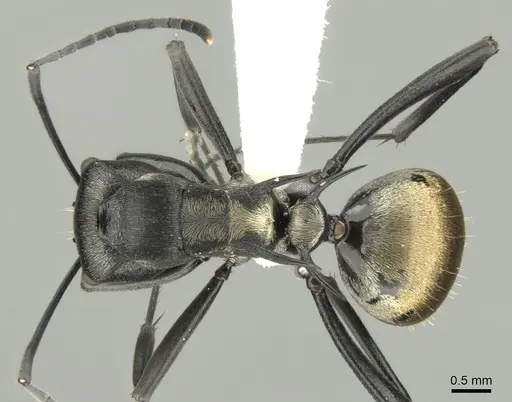
CASENT0910848
View on AntWeb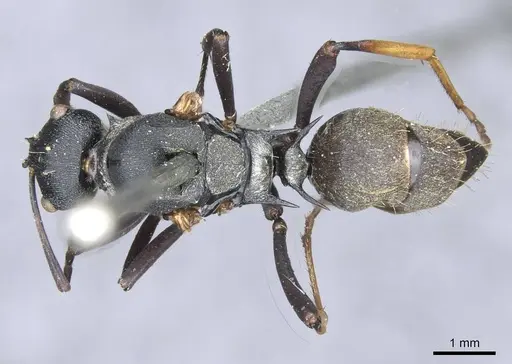
Literature
Loading distribution map...Loading products...