
Polyrhachis templi
- Sci. Name
- Polyrhachis templi
- Subgenus
- Campomyrma
- Tribe
- Camponotini
- Subfamily
- Formicinae
- Author
- Forel, 1902
- Distribution
- Found in 1 countries
Introduction
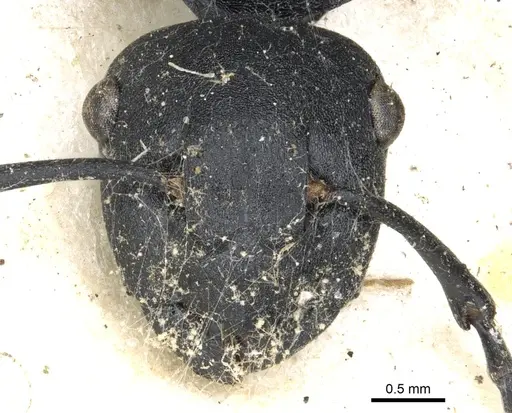
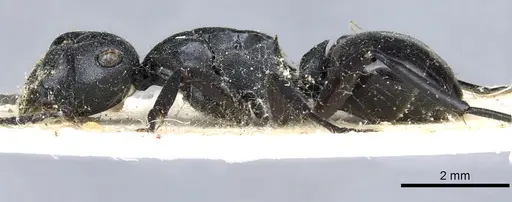
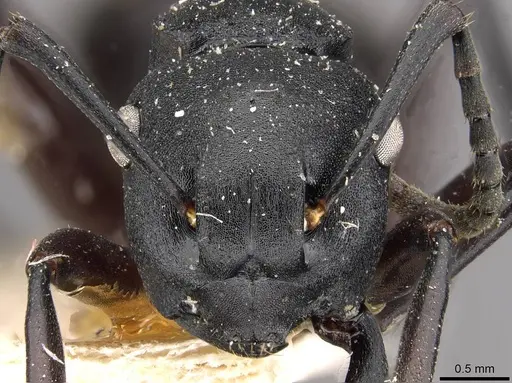
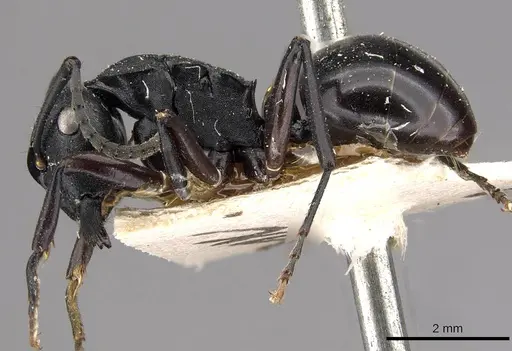
Polyrhachis templi is an ant species in the subgenus Campomyrma. They have a spiny appearance characteristic of the Polyrhachis genus. Their coloration is typically dark brown to black with metallic highlights. This species is found in the Asia-Pacific region, where they nest in subterranean locations or within rotting wood . Like other Polyrhachis species, they spin silk to construct nests, and they have cocooned pupae .
Quick Summary
- Difficulty: Medium
- Origin & Habitat: Asia-Pacific region. This species nests in subterranean chambers or within rotting wood in forested areas [1][2].
- Colony Type: Colony structure is not well documented for P. templi. Based on typical Polyrhachis patterns, colonies are likely monogyne (single queen), but this is not confirmed.
- Size & Growth:
- Queen: Size data unavailable from research context.
- Worker: Size data unavailable from research context.
- Colony: Up to several hundred workers at maturity, estimated from related species.
- Growth: Moderate
- Development: Estimated 6-10 weeks at tropical temperatures, based on genus patterns. (Development time is estimated from related species since specific data is not available. Cocooned pupae may extend development slightly.)
- Antkeeping:
- Temperature: Keep the nest area warm, as this species is from tropical regions. Specific temperature requirements are not confirmed, but maintaining warmth around 25-28°C is typical for tropical ants.
- Humidity: Keep the nest substrate consistently moist but not waterlogged, based on their natural nesting preferences [1][2].
- Diapause: No, as a tropical species, they do not require hibernation. This is inferred from their geographic range.
- Nesting: Provide nests that mimic natural habitat, such as Y-tong or plaster nests with moist chambers. They prefer subterranean or lignicolous nesting [1][2].
- Behavior: Polyrhachis templi is generally calm based on genus patterns. Workers are active foragers. Their spiny appearance serves as physical defense, and they can spray formic acid as a defense mechanism (typical for Formicinae). Escape risk is moderate due to their size.
- Common Issues: colonies may struggle if temperatures drop too low, as they are tropical species., humidity must be maintained to prevent dry conditions, which can harm the colony., slow founding phase requires patience, as queens may take time to raise first workers., cocooned pupae require stable conditions, disturbance can cause issues [1][2]., wild-caught colonies may carry parasites that can devastate captive colonies.
Nest Preferences and Housing
Polyrhachis templi naturally nests in subterranean chambers or within rotting wood [1][2]. In captivity, they do well in Y-tong formicariums with dirt chambers, plaster nests with moisture chambers, or naturalistic setups. The key is providing moist substrate conditions, they prefer their nest material to be damp but not waterlogged. A multi-chamber setup works well, allowing the colony to distribute brood across different humidity zones. If using a naturalistic setup, include pieces of rotting wood or cork bark buried in moist soil. The nest should have narrow passages between chambers, as these ants feel secure in snug spaces. Avoid very dry environments or nests that dry out quickly.
Feeding and Diet
Polyrhachis templi is an omnivorous species that accepts a variety of foods. In captivity, offer protein sources such as small insects (fruit flies, small crickets, mealworms), and provide sugar sources like honey water or sugar water regularly. They will also eat small amounts of seeds or other organic matter. Feed them small prey items appropriate to their worker size, they can handle prey roughly equal to their own body size. Offer protein 2-3 times per week, and keep a sugar source available at all times. Remove uneaten prey after 24-48 hours to prevent mold issues. Fresh water should always be available.
Temperature and Seasonal Care
As a tropical species, Polyrhachis templi requires warm temperatures. Keep the nest area warm, and provide a temperature gradient using a heat source. Specific needs are not confirmed in research, but maintaining warmth around 25-28°C is common for tropical ants. Temperatures below 22°C can slow colony growth significantly, and prolonged cool conditions may harm the colony. Use a heating cable or heat mat on one side of the nest to create a temperature gradient, this allows ants to move between warmer and cooler areas as needed. Monitor with a thermometer placed near the nest. Unlike temperate species, they do not require a winter rest period. Maintain consistent warmth throughout the year to support continuous colony growth.
Behavior and Colony Dynamics
Polyrhachis templi workers are active and curious foragers. They establish chemical trails to food sources and will recruit nestmates efficiently. The spiny projections on their bodies serve as a defense mechanism, when threatened, they can wedge themselves into crevices using these spines, making them difficult to extract. Their primary defense is spraying formic acid, typical for Formicinae. They are generally peaceful toward keepers and rarely display aggressive behavior unless their nest is directly threatened. Workers have moderate longevity compared to other ant species. The colony will expand gradually, with the queen producing workers continuously once established. Brood development should be visible within weeks of founding, look for eggs, then larvae, then cocooned pupae developing in sequence.
Frequently Asked Questions
How long does it take for Polyrhachis templi queen to raise first workers?
Expect 6-10 weeks from egg to first worker at optimal temperature (25-28°C). This is an estimate based on related Polyrhachis species since specific development data for P. templi is not available. The queen will seal herself in a chamber and tend to her brood until the first workers emerge.
What temperature do Polyrhachis templi ants need?
Keep them at 25-28°C. This tropical species requires warm conditions year-round. A heating cable on part of the nest creates a gradient they can use to regulate their temperature.
Can I keep Polyrhachis templi in a test tube?
Test tubes can work for founding queens, but you will need to move the colony to a proper formicarium once they have workers. They need space for brood chambers and food storage. A Y-tong or plaster nest with moist chambers works well for established colonies.
How big do Polyrhachis templi colonies get?
Based on related species, colonies likely reach up to several hundred workers at maturity. Growth is moderate, expect several months to a year to establish a solid colony.
What do Polyrhachis templi eat?
They are omnivorous. Feed small insects (fruit flies, small crickets, mealworms) as protein 2-3 times per week, and provide sugar water or honey constantly. They will also accept some seeds and organic matter.
Do Polyrhachis templi need hibernation?
No, they are a tropical species and do not require hibernation. Keep them warm year-round with temperatures maintained at 25-28°C.
Are Polyrhachis templi good for beginners?
They are rated as medium difficulty. They require warm, humid conditions and have a relatively slow founding phase compared to some easier species. They are more forgiving than some tropical species but do require attention to temperature and humidity.
When should I move my Polyrhachis templi colony to a formicarium?
Move them once the test tube becomes crowded or when the water reservoir is running low. They need a nest with moist chambers that can accommodate their colony growth.
Why are my Polyrhachis templi dying?
Common causes include: temperatures too low (below 22°C), humidity too low (dry nest conditions), disturbance during pupal development, or parasites from wild-caught colonies. Check your temperature and humidity levels first.
Report an Issue
The current care sheet is based fully on literature. See inconsistencies, or something that's incorrect? Please , it will be resolved after review from an admin. Contributing to the blogs tab also helps providing information, to make us be able to further improve the caresheets. Thank you for your support!
References

This caresheet is licensed under CC BY-SA 4.0 .
Community Blogs
CASENT0903304
View on AntWeb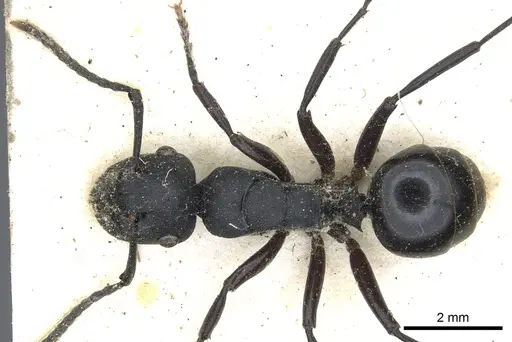
CASENT0910415
View on AntWeb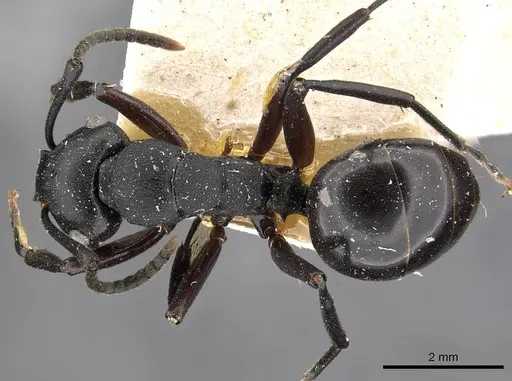
Literature
Loading distribution map...Loading products...