
Polyrhachis striata
- Sci. Name
- Polyrhachis striata
- Subgenus
- Myrma
- Tribe
- Camponotini
- Subfamily
- Formicinae
- Author
- Mayr, 1862
- Distribution
- Found in 3 countries
Introduction
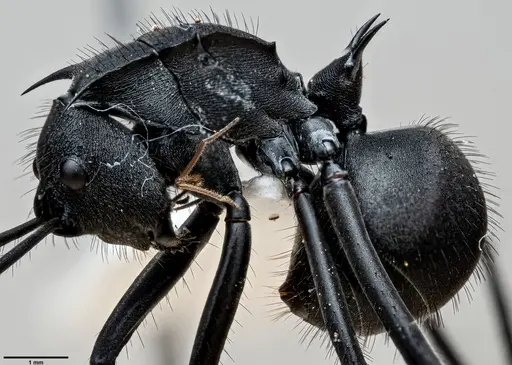
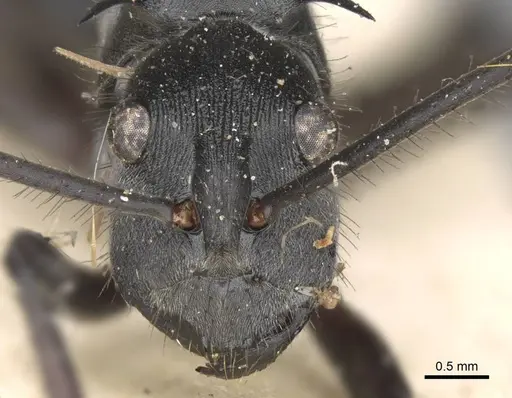
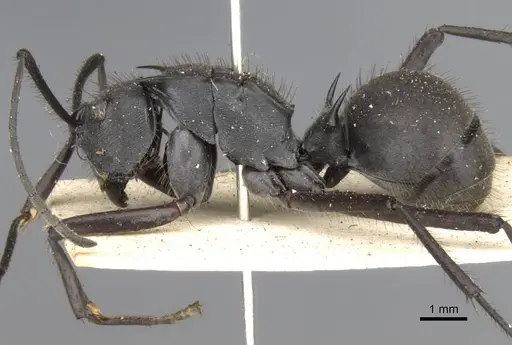
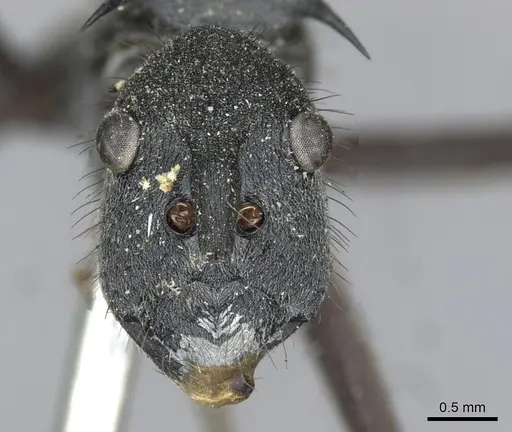
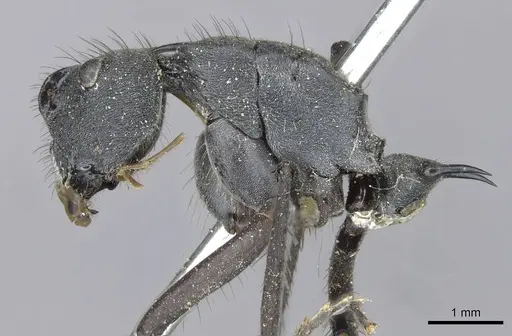
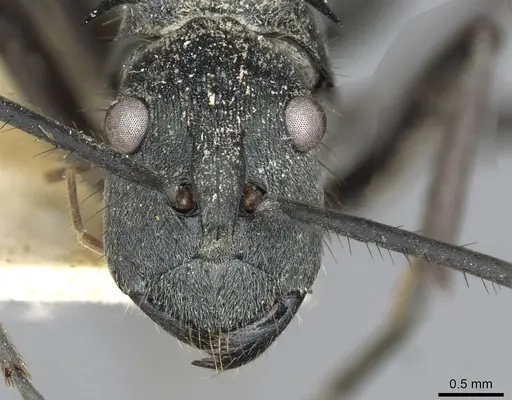
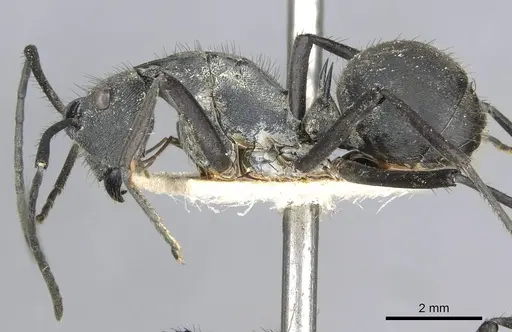
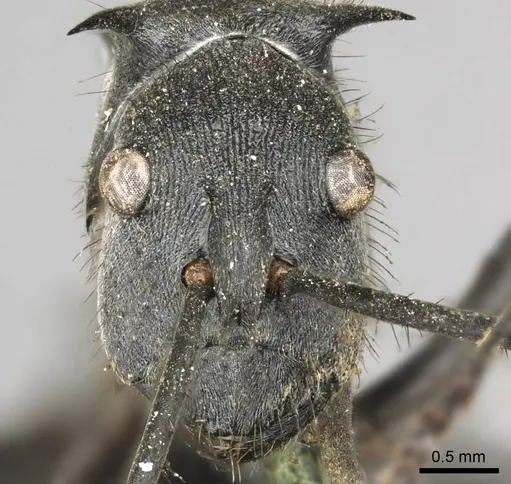
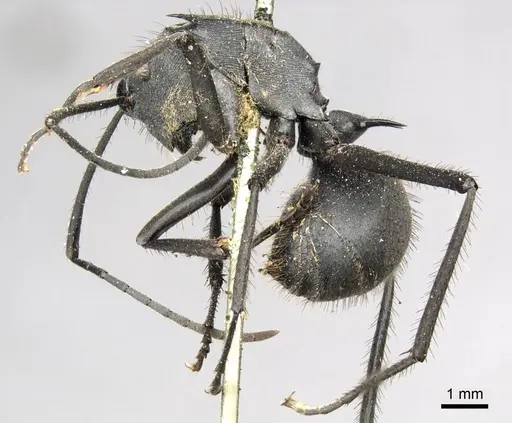
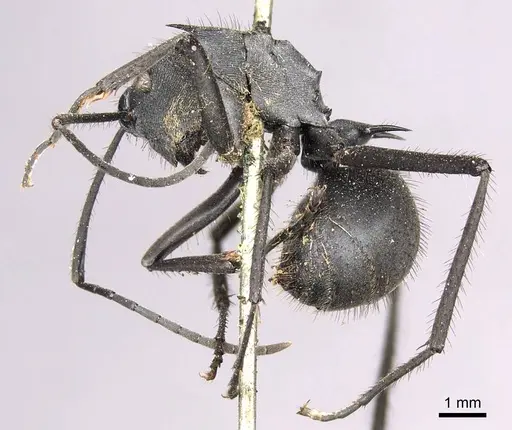
Polyrhachis striata is a large ant species native to tropical Asia, with workers measuring 9.5-10 mm . It is black with longitudinal striations on the head, thorax, and pedicel node, and has long pronotal spines . Found across India, Bhutan, Nepal, Myanmar, Thailand, Malaysia, Singapore, Indonesia, Philippines, and southern China, at elevations up to 1524 m . This species belongs to the subgenus Myrma , but its nesting preferences and specific behaviors are unstudied in scientific literature .
Quick Summary
- Difficulty: Medium
- Origin & Habitat: Tropical Asia, found in India, Bhutan, Nepal, Myanmar, Thailand, Malaysia, Singapore, Indonesia, Philippines, and southern China. Inhabits diverse environments from lowland forest to hill habitats at elevations up to 1524 m [1][2][3][4].
- Colony Type: Colony structure is unconfirmed. No research documents whether colonies are single-queen (monogyne) or multi-queen (polygyne).
- Size & Growth:
- Queen: Estimated ~12-15 mm based on genus patterns, no direct measurements available.
- Worker: 9.5-10 mm [1]
- Colony: Unknown, no colony size data available
- Growth: Unknown, no development timing data available
- Development: Unconfirmed, estimated 6-10 weeks based on typical Formicinae development at tropical temperatures (No direct studies on development. Estimates based on related Polyrhachis species.)
- Antkeeping:
- Temperature: Based on tropical distribution, aim for warm conditions around 24-28°C. Room temperature (22-26°C) should be suitable. Avoid temperatures below 20°C for extended periods [1][2].
- Humidity: Moderate to high humidity preferred, keep nest substrate slightly moist but not waterlogged. Provide a water source.
- Diapause: No, tropical species do not require hibernation.
- Nesting: In nature, Polyrhachis species often nest in rotting wood or cavities. In captivity, use Y-tong, wooden nests, or naturalistic setups with rotting wood. Provide dark, secure nesting area.
- Behavior: Polyrhachis ants are generally defensive. Workers are large and have spines for defense. Expect moderate aggression when nest is disturbed. Escape prevention should be standard, they can climb smooth surfaces. Formicinae ants spray formic acid as defense.
- Common Issues: insufficient humidity can lead to dehydration or mold growth, incorrect temperature can slow development or cause stress, escape can lead to colony loss or ecological impact, poor diet can cause malnutrition, parasites from wild-caught colonies can harm the colony
Natural History and Distribution
Polyrhachis striata is widely distributed across tropical Asia. Specimens have been recorded from India, Bhutan, Nepal, Myanmar, Thailand, Malaysia, Singapore, Indonesia, Philippines, and southern China [1][8]. The species has been found at elevations ranging from near sea level up to 1524 meters in the Himalayan region [2]. In Bhutan, workers were collected in built-up areas and agricultural land at approximately 1400m elevation [3]. The type locality is Java, Indonesia [4].
Identification and Physical Characteristics
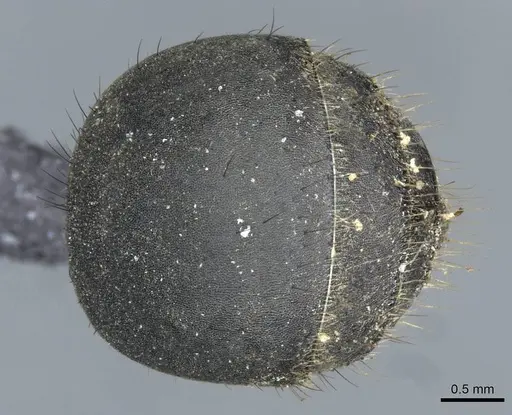
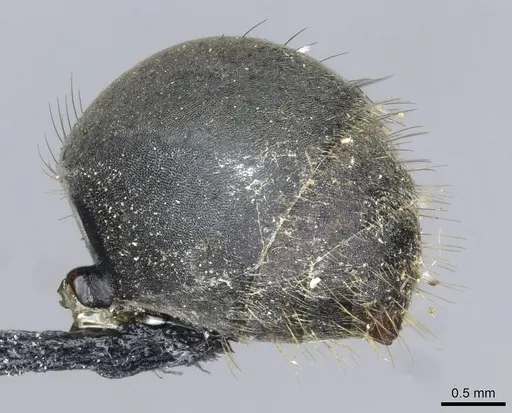
Workers of Polyrhachis striata are large ants measuring 9.5-10 mm in length [1]. They are primarily black with distinctive longitudinal striations on the head, thorax, and pedicel node. The abdomen is finely punctured and rugulose. The most distinctive features are the long, broad pronotal spines that point forward and slightly curve downward, and the pedicel node has two stout spines [1].
Housing and Nesting in Captivity
Specific nesting preferences for Polyrhachis striata are undocumented. Based on related Polyrhachis species in the subgenus Myrma, they typically nest in rotting wood, under bark, or in cavities. For captive care, provide a dark, secure nesting area using Y-tong, wooden nests, or naturalistic setups with rotting wood. Ensure adequate humidity retention.
Feeding and Diet
Polyrhachis species are omnivorous, feeding on honeydew, nectar, and small insects in the wild. For captive colonies, offer sugar water or honey as an energy source, and protein such as mealworms or crickets 2-3 times per week. Fresh water should always be available.
Temperature and Seasonal Care
As a tropical species, Polyrhachis striata prefers temperatures of 24-28°C. Room temperature (22-26°C) is suitable, but avoid prolonged exposure below 20°C [1][2]. Use a heating cable if needed to maintain warmth.
Behavior and Temperament
Polyrhachis ants are defensive due to their spines and formic acid spray. Workers show moderate aggression when the nest is disturbed. They likely forage during cooler parts of the day. Escape prevention is important as they can climb smooth surfaces.
Frequently Asked Questions
How long does it take for Polyrhachis striata to produce first workers?
The egg-to-worker development time is unconfirmed. Based on typical Formicinae patterns at tropical temperatures, estimate approximately 6-10 weeks.
What size colony does Polyrhachis striata reach?
Colony size data is not available in the scientific literature.
Can I keep multiple Polyrhachis striata queens together?
Colony structure is unconfirmed. No research documents if multiple queens can be kept together successfully.
Are Polyrhachis striata good for beginners?
This species is rated Medium difficulty due to limited specific care data. Beginners may find it challenging.
What temperature do Polyrhachis striata need?
Aim for 24-28°C based on their tropical distribution. Room temperature (22-26°C) is typically suitable [1][2].
What do Polyrhachis striata eat?
They are omnivorous. Offer sugar water or honey constantly, and protein like mealworms 2-3 times per week.
Do Polyrhachis striata need hibernation?
No, as a tropical species, they do not require hibernation.
When should I move Polyrhachis striata to a formicarium?
Wait until the colony has at least 20-30 workers and is actively foraging. Ensure the nest provides humidity and darkness.
Where is Polyrhachis striata found in the wild?
This species ranges across tropical Asia, including India, Bhutan, Nepal, Myanmar, Thailand, Malaysia, Singapore, Indonesia, Philippines, and southern China, at elevations up to 1524 m [1][2][3].
Is Polyrhachis striata aggressive?
Polyrhachis ants are generally defensive. Workers may show moderate aggression when the nest is disturbed.
How big do Polyrhachis striata queens get?
Queen size is not documented. Based on genus patterns, estimated ~12-15 mm.
Report an Issue
The current care sheet is based fully on literature. See inconsistencies, or something that's incorrect? Please , it will be resolved after review from an admin. Contributing to the blogs tab also helps providing information, to make us be able to further improve the caresheets. Thank you for your support!
References

This caresheet is licensed under CC BY-SA 4.0 .
Community Blogs
ANTWEB1060644
View on AntWeb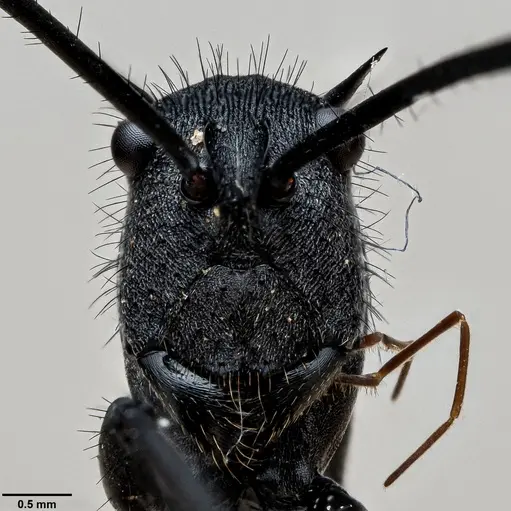
CASENT0906817
View on AntWeb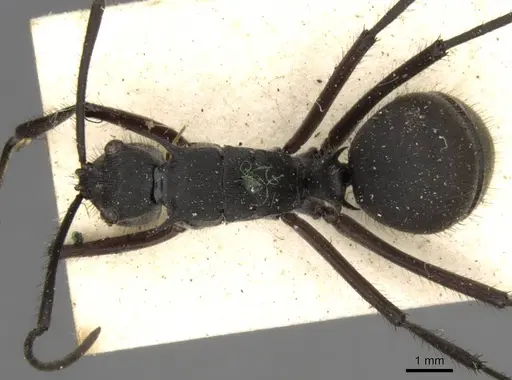
CASENT0910927
View on AntWeb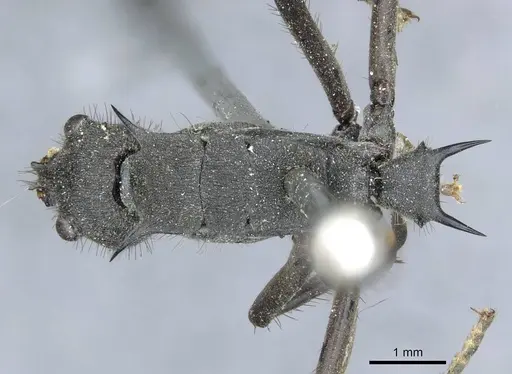
CASENT0910928
View on AntWeb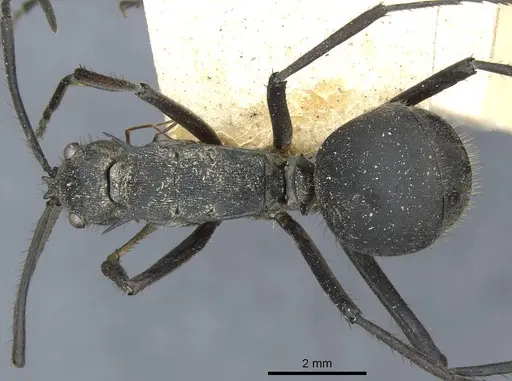
CASENT0915828
View on AntWeb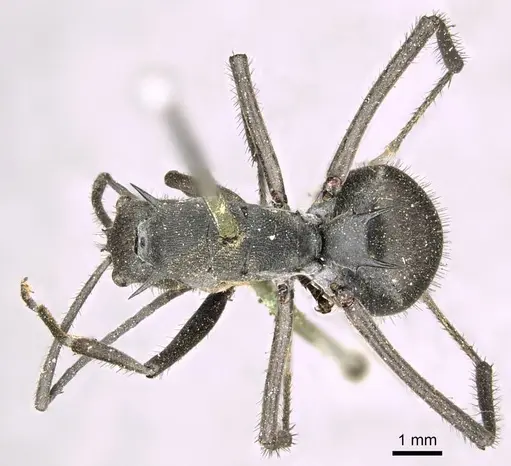
Literature
Loading distribution map...Loading products...