
Polyrhachis spinicola
- Sci. Name
- Polyrhachis spinicola
- Subgenus
- Myrma
- Tribe
- Camponotini
- Subfamily
- Formicinae
- Author
- Forel, 1894
- Distribution
- Found in 4 countries
Introduction
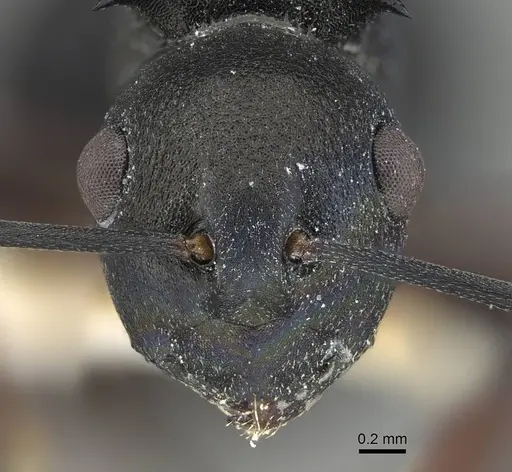
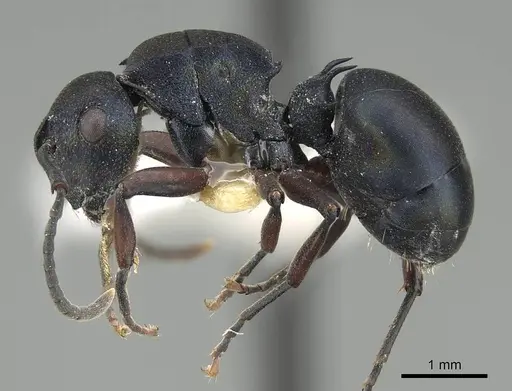
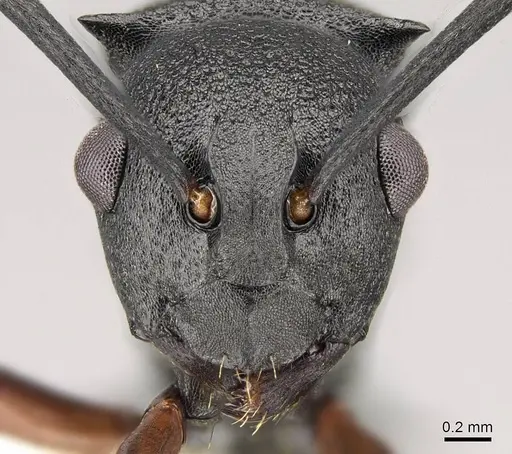
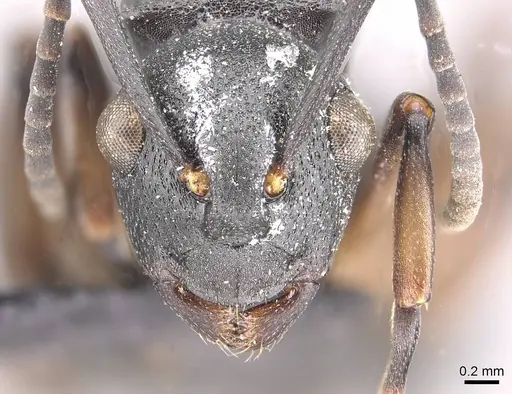
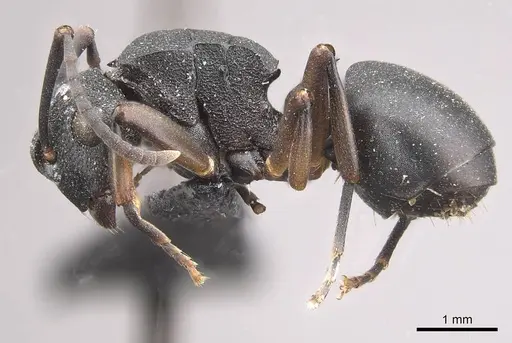
Polyrhachis spinicola is a medium-sized ant in the Formicinae subfamily, recognized by spiny protrusions on the petiole, pronotum, and propodeum. Workers measure 6.1-7.0 mm in total length, with a black body and reddish-brown to yellowish legs and antennae tips . This species belongs to the Polyrhachis viscosa species-group and is found in the Afrotropical region, including Democratic Republic of Congo, Eswatini, Kenya, Mozambique, and South Africa . It is associated with savannah trees, such as acacias and citrus trees, though it is unclear if they nest inside these structures or merely forage there .
Quick Summary
- Difficulty: Medium
- Origin & Habitat: Afrotropical region: Democratic Republic of Congo, Eswatini, Kenya, Mozambique, and South Africa. Inhabits savannah environments, often near acacia and citrus trees [1][2].
- Colony Type: Based on typical Polyrhachis patterns, likely monogyne (single queen colony) [1].
- Size & Growth:
- Antkeeping:
- Temperature: Keep at 24-28°C, provide a temperature gradient using a heating cable [1].
- Humidity: Keep substrate consistently moist but not waterlogged, allow partial drying between rehydration [1].
- Diapause: No, as a tropical species they do not require hibernation [1].
- Nesting: Prefer enclosed nests like Y-tong or plaster, in wild, associated with tree cavities and thorns [1][3].
- Behavior: Workers are calm and moderately active foragers. Lacks a functional sting, bites and sprays formic acid from an acidopore for defense. Escape risk is moderate due to medium size, ensure secure barriers [1].
- Common Issues: colonies may struggle if kept too cold, maintain warm temperatures above 24°C., overly humid conditions can be harmful, this savannah species prefers drier nesting., wild-caught colonies may carry parasites that can devastate captive populations., escape prevention should be moderate, medium-sized ants can fit through small gaps.
Nest Preferences and Housing
In the wild, Polyrhachis spinicola is found in association with acacia trees and citrus trees, suggesting a preference for enclosed, protected spaces [1][3]. For captive care, use Y-tong or plaster nests with appropriately sized chambers for 6-7 mm workers. Avoid overly wet substrates, provide a connected outworld with escape barriers [1].
Feeding and Diet
Polyrhachis ants are omnivorous. Offer sugar water or honey as a constant energy source, and protein like mealworms or crickets 2-3 times per week [1]. Remove uneaten prey after 24-48 hours to prevent mold.
Temperature and Seasonal Care
Maintain temperatures between 24-28°C for optimal health. A heating cable can create a gradient for self-regulation. No hibernation is needed, reduce feeding slightly in cooler months [1].
Behavior and Colony Dynamics
Workers are calm and moderately active. Defense involves spraying formic acid, as typical for Formicinae. Colony founding behavior is unconfirmed, but once workers emerge, growth continues with suitable temperatures [1].
Handling and Temperament
This species is manageable and not aggressive. Use gentle movements during maintenance, avoid disturbing the nest directly [1].
Frequently Asked Questions
How long does it take for Polyrhachis spinicola to raise first workers?
Expect 6-8 weeks from egg to first worker at warm temperatures (25-28°C). Do not disturb the queen during founding [1].
What temperature do Polyrhachis spinicola ants need?
Keep them at 24-28°C with a temperature gradient. Avoid prolonged temperatures below 20°C [1].
Do Polyrhachis spinicola ants need hibernation?
No, as a tropical species they remain active year-round with proper warmth [1].
What do Polyrhachis spinicola ants eat?
They are omnivorous, offer sugar water and protein insects 2-3 times per week [1].
Are Polyrhachis spinicola ants good for beginners?
They are rated medium difficulty due to temperature needs and founding patience, but are calm-natured [1].
How big do Polyrhachis spinicola colonies get?
Colony size is not well-documented, estimated up to several hundred workers based on related species [1].
Can I keep Polyrhachis spinicola in a test tube?
Test tubes work for founding, move to a formicarium once the colony has 20-30 workers [1].
What humidity level do Polyrhachis spinicola need?
Moderate humidity, keep substrate moist but not waterlogged, allowing partial drying [1].
Where is Polyrhachis spinicola found in the wild?
Native to Afrotropical regions like South Africa, Mozambique, and Kenya, often in savannah environments near acacia trees [1][2].
Report an Issue
The current care sheet is based fully on literature. See inconsistencies, or something that's incorrect? Please , it will be resolved after review from an admin. Contributing to the blogs tab also helps providing information, to make us be able to further improve the caresheets. Thank you for your support!
References

This caresheet is licensed under CC BY-SA 4.0 .
Community Blogs
CASENT0217803
View on AntWeb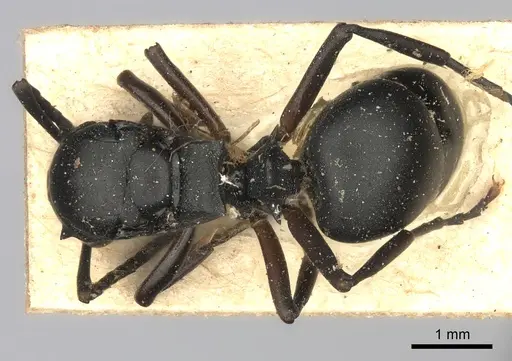
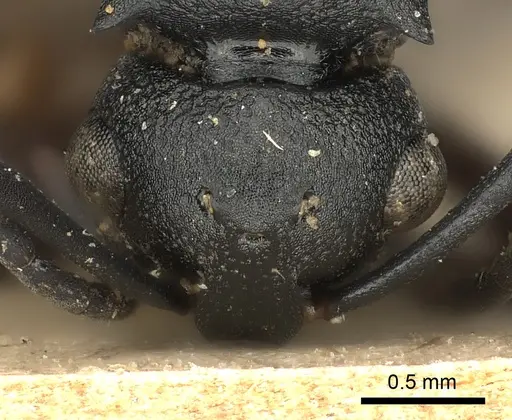
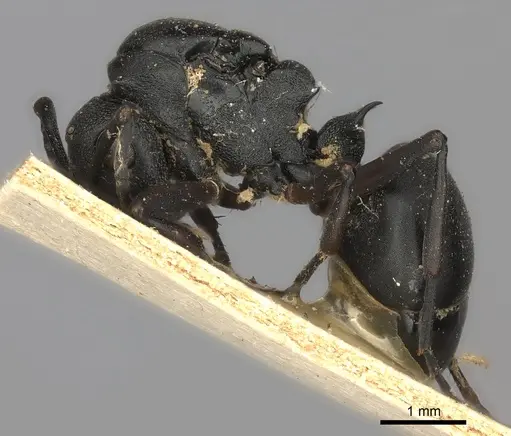
CASENT0227574
View on AntWeb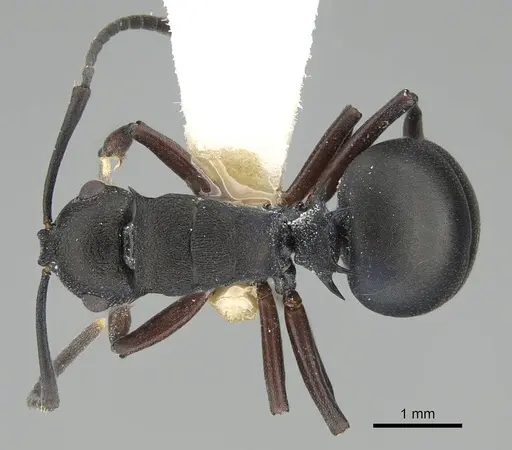
CASENT0281456
View on AntWeb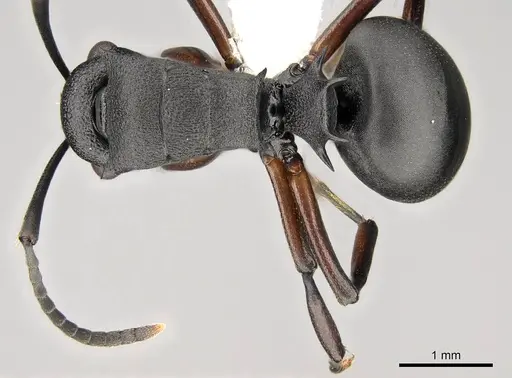
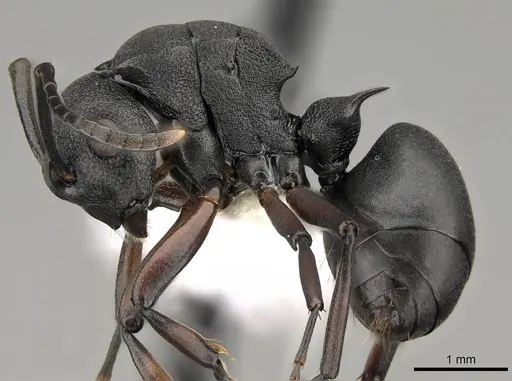
CASENT0910946
View on AntWeb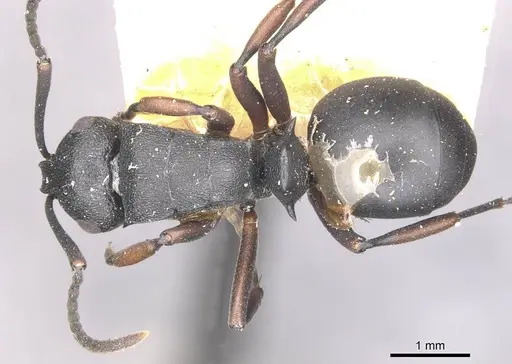
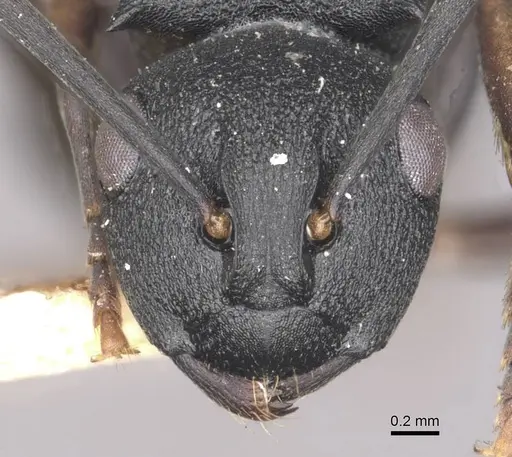
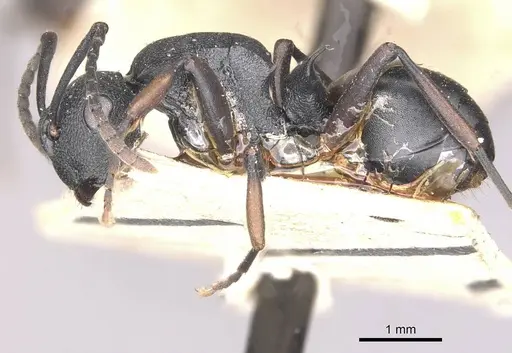
CASENT0910952
View on AntWeb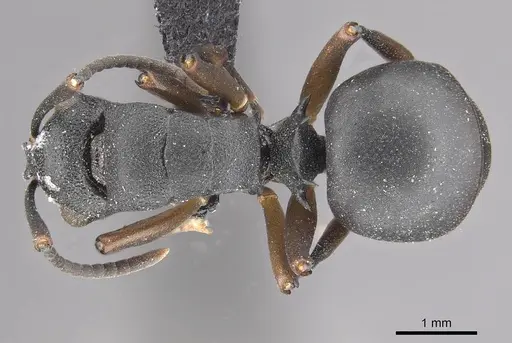
Literature
Loading distribution map...Loading products...