
Polyrhachis sokolova
- Sci. Name
- Polyrhachis sokolova
- Subgenus
- Chariomyrma
- Tribe
- Camponotini
- Subfamily
- Formicinae
- Author
- Forel, 1902
- Distribution
- Found in 2 countries
Introduction
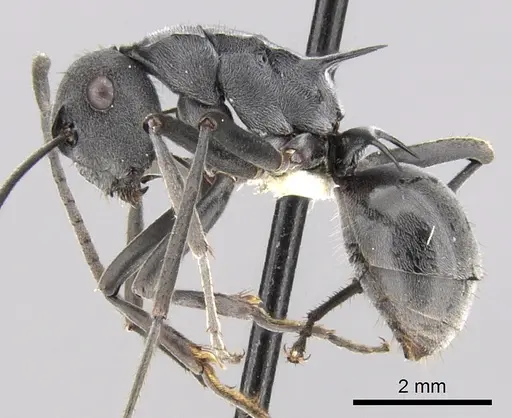
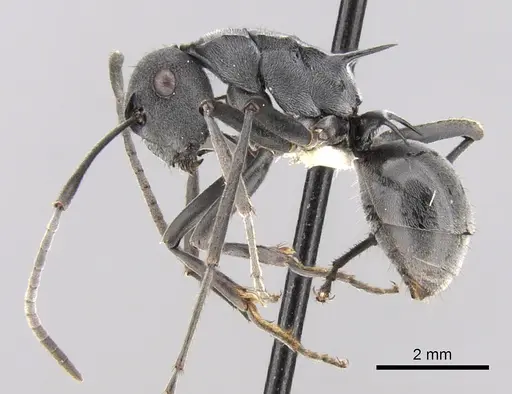
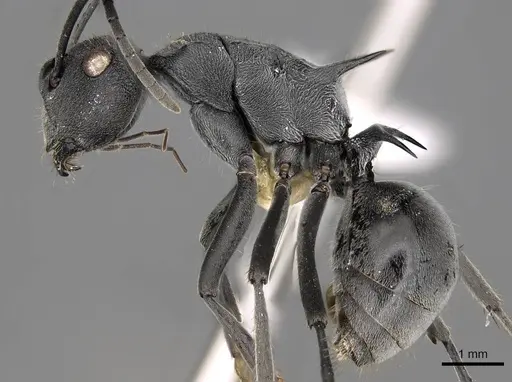
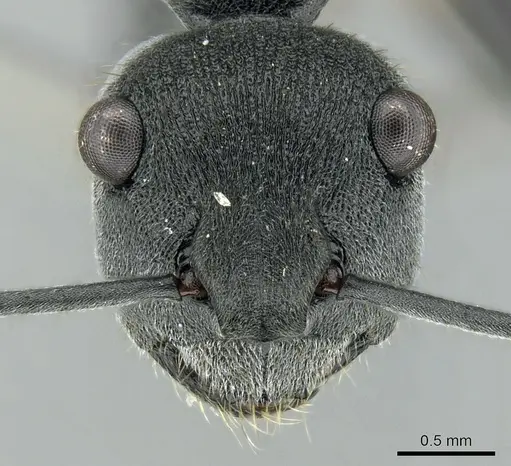
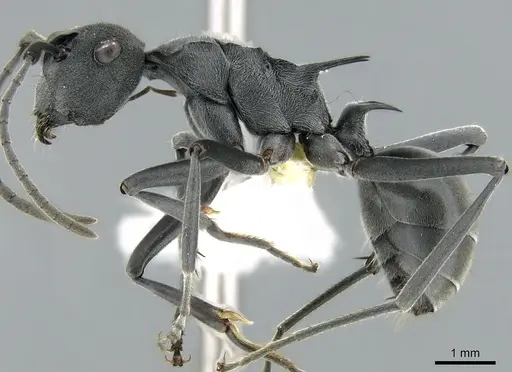
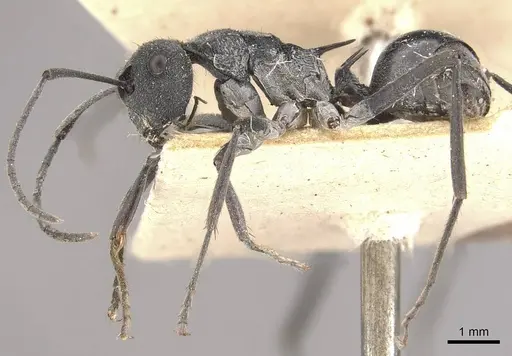
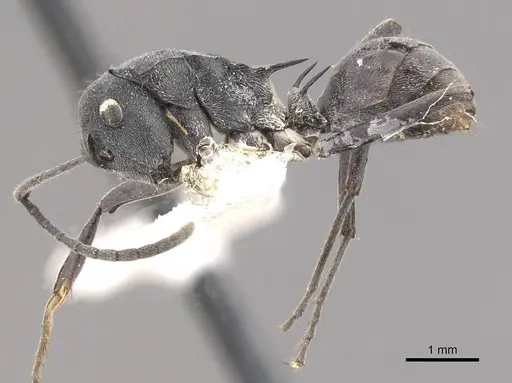
Polyrhachis sokolova is the only ant species known to nest in marine and estuarine mud of the intertidal zone . Workers are relatively large at about 10.8 mm body length, with a dark body and the characteristic spines on the pronotum typical of Polyrhachis species . These ants live in mangrove forests along the Australian coast from Torres Strait to Gladstone in Queensland, with additional populations in New Guinea and New Caledonia . Their nests are subterranean, built at the base of mangrove trees, and get completely submerged during high tides . What makes P. sokolova extraordinary is its adaptations to the tidal environment. When floodwaters reach the nest, loose soil particles collapse to form a plug that uses surface tension to keep water out – the entrance doesn't open directly into chambers but has S-shaped curves that block water . Workers can survive in trapped air pockets with CO₂ levels up to 11% . If caught outside during high tide, they swim using their front legs as paddles while holding their hind legs behind – they're about three times faster on water than on land . They also walk and jump on water surfaces like water striders . This is an expert-level species that requires specialized setup to replicate their unique intertidal habitat.
Quick Summary
- Difficulty: Expert
- Origin & Habitat: Mangrove forests along Australian east coast (Torres Strait to Gladstone, Queensland), also found in Aru Islands, Papua New Guinea southern coast, and New Caledonia. Nests in intertidal mangrove mud at the land-ocean interface, with nest elevations from 7.2 to 6.0 meters above Lowest Astronomical Tide (LAT) in Darwin Harbour [3][4][5].
- Colony Type: Unconfirmed, likely monogyne based on genus patterns. Colonies are often polydomous, with small volcano-like entrances and interconnected galleries [5].
- Size & Growth:
- Queen: Not documented (likely ~12–14 mm based on genus patterns).
- Worker: 10.82 ± 0.12 mm body length [2].
- Colony: Not documented, inferred from Polyrhachis genus patterns, likely several hundred workers.
- Growth: Moderate
- Development: Not documented, estimated 6–10 weeks at tropical temperatures (25–30 °C) based on related Polyrhachis species. (Development likely faster than temperate species due to year-round warmth in their habitat.)
- Antkeeping:
- Temperature: Keep at 25–30 °C to match tropical mangrove conditions. A heating gradient allows thermoregulation.
- Humidity: Critical – the nest substrate must be able to form water‑blocking plugs during simulated tidal flooding. Provide a damp but not waterlogged substrate that can flood briefly and drain, mimicking mangrove mudflat conditions [5][4].
- Diapause: No – this tropical species does not require hibernation.
- Nesting: The most challenging aspect. Use very fine sandy soil or mangrove mud that can form plugs. A Y‑tong or plaster nest with a water reservoir may work, but the key is allowing the substrate to dry slightly between flood cycles. The entrance must have S‑shaped passages to create surface tension barriers [4][5].
- Behavior: Workers are solitary foragers – they don't use pheromone trails because the muddy/watery substrate would wash them away [4]. They forage during low tides at both day and night, taking advantage of a wide range of light intensities [2]. They feed on bird droppings and dead crustaceans or bivalves washed in by tides [4]. They are not aggressive but will defend themselves. They have excellent vision and use both landmark information and celestial cues (polarized skylight) for navigation [4][2]. Escape risk is moderate – they are large ants but active climbers. As Formicinae, they cannot sting but will spray formic acid as defense.
- Common Issues: replicating the unique tidal flooding and drying cycle is extremely difficult – most failures stem from improper humidity cycling., they need very fine substrate that can form water‑blocking plugs – standard soil mixes won't work., CO₂ tolerance is critical – sealed nests with poor ventilation can kill them because they evolved to survive in elevated CO₂ atmospheres [5]., obtaining this species is difficult as it is not commonly available in the antkeeping hobby., they require a naturalistic setup with mangrove‑appropriate conditions, not a typical formicarium.
The Intertidal Lifestyle – What Makes This Species Unique
Polyrhachis sokolova is genuinely one of a kind in the ant world. This is the only ant species known to nest in marine and estuarine mud of the intertidal zone – their nests get completely submerged twice daily during high tides [4]. To survive this, they've evolved remarkable adaptations. Their nests aren't simple tunnels opening into chambers like most ants. Instead, they have S‑shaped curved passages that create enough surface tension to block water from entering the nest chambers [4]. When floodwaters do reach the entrance, loose soil particles collapse to form a plug that keeps the interior dry.
Inside the nest, ants cluster in small air pockets that remain trapped as the mud floods. They can survive in atmospheres with CO₂ levels up to 11% – about 300 times normal atmospheric CO₂ [5][6]. The ants themselves only contribute 10–15% of that CO₂, the rest comes from microbiological respiration in the mud [5].
If workers are caught outside during high tide, they don't drown – they swim. They use their first two pairs of legs as paddles while holding their hind legs on the water surface, and they're about three times faster swimming than walking [4]. They can even walk and jump on water surfaces like water striders [5]. This is a species that has truly adapted to life between land and sea.
Housing and Nest Setup – The Critical Challenge
Housing P. sokolova is the biggest challenge you'll face. These ants need conditions that are nearly impossible to replicate in a typical ant farm. The key is simulating their mangrove mudflat environment with tidal cycles.
The nest substrate must be very fine – something that can form the characteristic water‑blocking plugs when flooded. Pure fine sand or a sand‑clay mix works better than standard soil. The substrate needs to be kept damp but not waterlogged, with the ability to flood briefly and then drain. This means your setup needs a way to add and remove water to simulate tides.
The nest architecture matters enormously. Unlike typical formicariums where the entrance opens directly into chambers, you need a winding entrance path that creates surface tension barriers. A naturalistic setup with a deep container of mangrove‑appropriate substrate, a false bottom for water management, and a complex entrance system would be ideal.
Ventilation is tricky. These ants evolved to handle high CO₂, so you might think sealed nests are fine – but they still need oxygen. However, you must avoid excessive airflow that would dry out the substrate. The goal is stagnant but not suffocating – think damp mangrove mud, not a sealed container.
Given these challenges, this species is really only suitable for advanced antkeepers who can engineer custom setups. Standard test tubes, Y‑tong nests, and typical formicariums will not work. [5][4][1]
Feeding and Diet
In the wild, P. sokolova feeds on whatever the tides wash in. Their diet consists primarily of bird droppings and dead crustaceans or bivalves like crabs that get deposited on the mudflat during high tide [4]. They're scavengers rather than active hunters – this makes sense since they forage individually and can't use pheromone trails on the muddy substrate.
For captivity, you should replicate this scavenging diet. Offer protein sources like small pieces of crab shell, shrimp, or other seafood. They may accept standard ant foods like mealworms, but the key is offering things that would naturally wash up on a shore. Sugar sources are likely accepted given they need energy for their active lifestyle, but protein is probably more important for this species.
Feed them every few days, removing uneaten food to prevent mold. Since they're tropical, they likely have year‑round activity rather than seasonal slowdowns. The feeding schedule should be based on colony consumption rather than a fixed calendar.
Temperature and Environmental Needs
Being a tropical species from northern Australia and New Guinea, P. sokolova needs warm conditions – think 25–30 °C. This matches the temperature of mangrove waters in their range. A heating cable or mat on one side of the nest can create a gradient, but be careful not to dry out the substrate.
Unlike temperate ants, they don't need a winter diapause. However, they do have tidal rhythms that may affect activity more than seasonal changes. The key is stable warmth year‑round.
Humidity is complex. The substrate must be damp to allow the water‑blocking plug behavior to work, but not so wet that everything is constantly flooded. Think of it as maintaining damp mangrove mud – moist but not puddled. The ability to briefly flood the nest and then drain it is ideal but difficult to achieve in practice. [3][5]
Behavior and Navigation
P. sokolova has fascinating behavior that reflects its unique lifestyle. Workers are solitary foragers – they don't use pheromone trails because the muddy, watery substrate would wash away any chemical signals [4]. Instead, each ant navigates individually using visual cues.
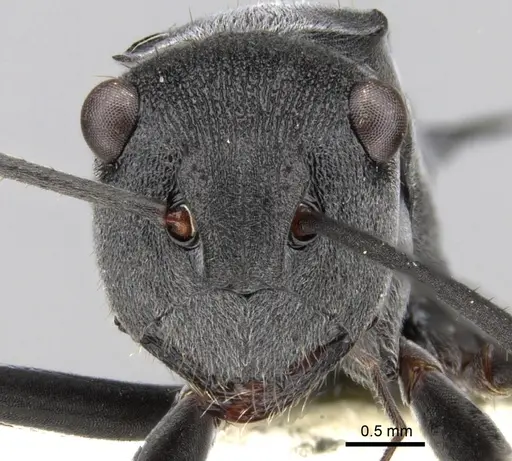
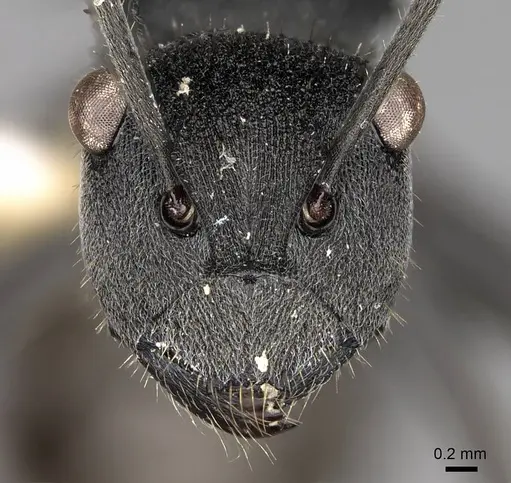
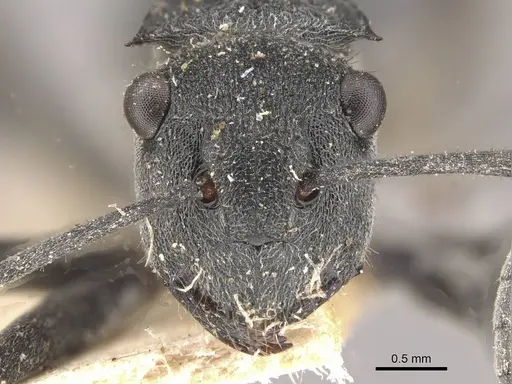
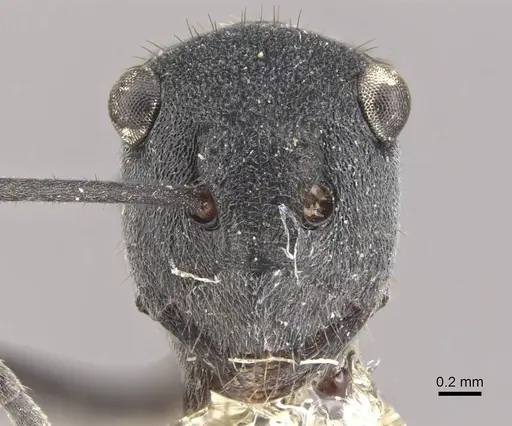
Their compound eyes are remarkable adaptations. With 596 facets and large lenses (33 µm diameter in the ventral region), they're adapted for both day and night activity [2]. They have a special dorsal rim area in their eyes for detecting polarized skylight, which helps them navigate using celestial cues [2]. Research shows they can find their way home from considerable distances, using both path integration (remembering the direction and distance from the nest) and landmark recognition [4].
They're active during low tides at both day and night, exploiting whatever light is available [2]. This flexible activity pattern is reflected in their eye structure, which can adapt to different light levels through a pupil‑like mechanism.
When threatened, being Formicinae, they won't sting but will spray formic acid as a defensive secretion. They're not particularly aggressive toward keepers but will defend their nest if provoked.
Frequently Asked Questions
Can I keep Polyrhachis sokolova in a test tube setup?
No – standard test tube setups will not work for this species. They need a naturalistic setup with fine substrate that can form water‑blocking plugs, and they require the ability to experience tidal flooding and drying cycles. This is an expert‑level species that needs custom housing [5][4].
How do I replicate the tidal flooding this species needs?
This is the biggest challenge. You need a setup with a false bottom or drainage system that allows you to add water to simulate high tide, then drain it for low tide. The substrate must be fine enough to form plugs when flooded. Most keepers cannot achieve this reliably – this species is extremely difficult to keep successfully in captivity [5][4].
What do Polyrhachis sokolova ants eat?
They scavenge whatever washes up on the shore – primarily bird droppings and dead crustaceans/bivalves like crabs [4]. In captivity, offer protein sources like small seafood (shrimp, crab), and possibly standard insects. They likely accept sugar sources for energy but protein is probably more important.
Are Polyrhachis sokolova good for beginners?
Absolutely not. This is an expert‑level species that requires specialized housing to replicate their unique intertidal mangrove habitat. The difficulty is not in finding the ants (they're rarely available) but in creating conditions they can survive in. Most antkeepers should start with easier species.
How long does it take for Polyrhachis sokolova to develop from egg to worker?
Exact development time has not been documented. Based on related Polyrhachis species and their tropical origin, estimate 6–10 weeks at optimal temperatures (25–30 °C). Development is likely faster than temperate species due to year‑round warm conditions in their habitat.
Do Polyrhachis sokolova need hibernation?
No – being a tropical species from northern Australia, they do not require hibernation. They may have reduced activity during certain tidal patterns, but there are no seasonal temperature cycles in their habitat that would trigger diapause.
Why are my Polyrhachis sokolova dying?
The most likely cause is improper humidity or lack of tidal cycling. These ants need their substrate to be able to form water‑blocking plugs – if the substrate is too coarse or too dry, they can't perform this critical behavior and may drown or suffocate. Poor ventilation leading to either mold or excessive drying can also kill them. CO₂ buildup in sealed nests can also be problematic despite their tolerance [5][4].
Can I keep multiple queens together?
Likely not recommended. While colony structure hasn't been specifically studied for this species, Polyrhachis species are typically monogyne (single queen). There's no evidence that multi‑queen colonies occur, and combining unrelated foundresses has not been documented.
How big do Polyrhachis sokolova colonies get?
Exact colony size has not been documented. Based on typical Polyrhachis species, they likely reach several hundred workers. Colonies are often polydomous in the wild, meaning they have multiple nest entrances connected together [5].
Report an Issue
The current care sheet is based fully on literature. See inconsistencies, or something that's incorrect? Please , it will be resolved after review from an admin. Contributing to the blogs tab also helps providing information, to make us be able to further improve the caresheets. Thank you for your support!
References

This caresheet is licensed under CC BY-SA 4.0 .
Community Blogs
CASENT0281361
View on AntWeb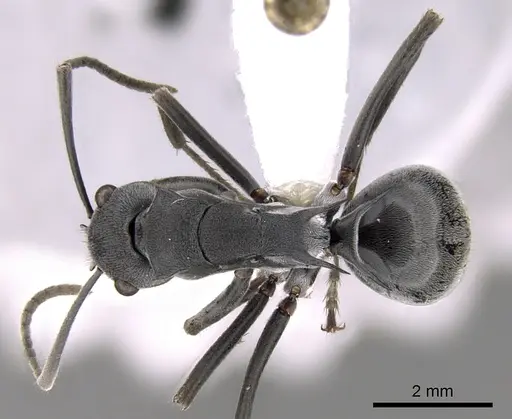
CASENT0281421
View on AntWeb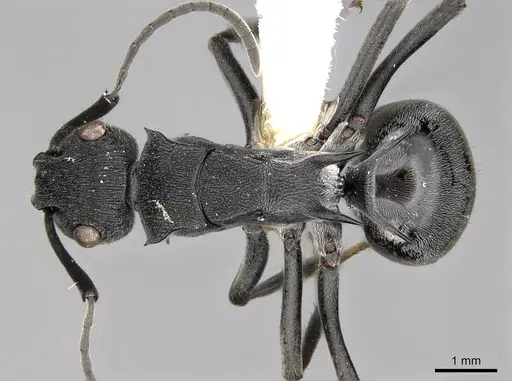
CASENT0906592
View on AntWeb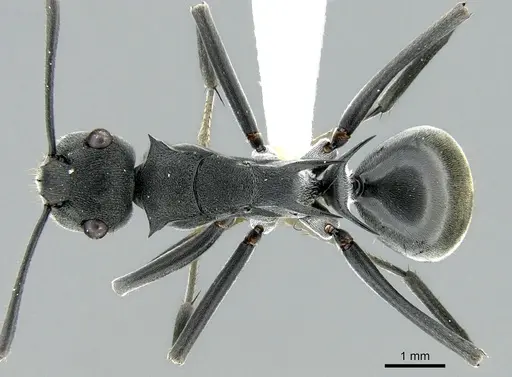
CASENT0910810
View on AntWeb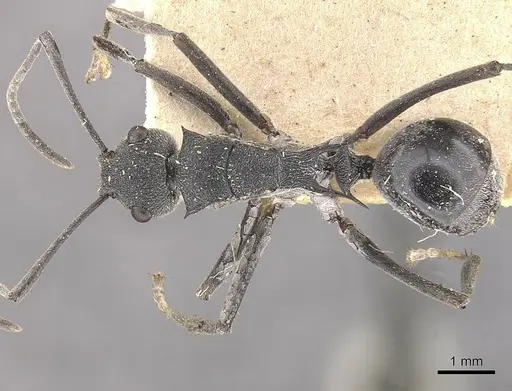
CASENT0910811
View on AntWeb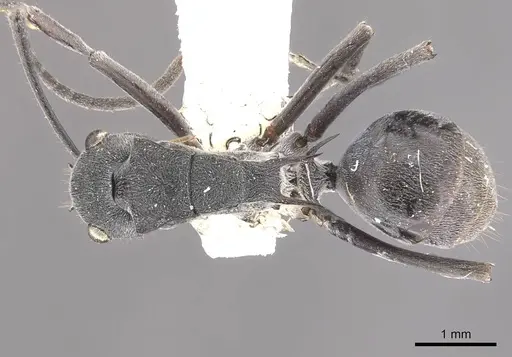
Literature
Loading distribution map...Loading products...