
Polyrhachis sidnica
- Sci. Name
- Polyrhachis sidnica
- Subgenus
- Campomyrma
- Tribe
- Camponotini
- Subfamily
- Formicinae
- Author
- Mayr, 1866
- Distribution
- Found in 1 countries
Introduction
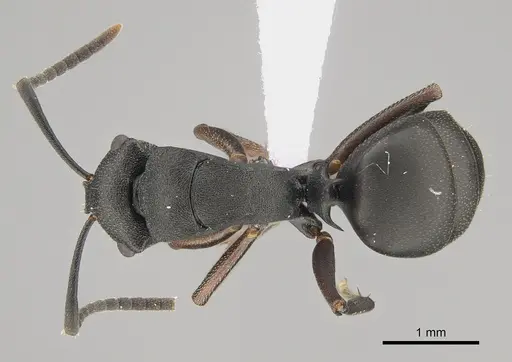
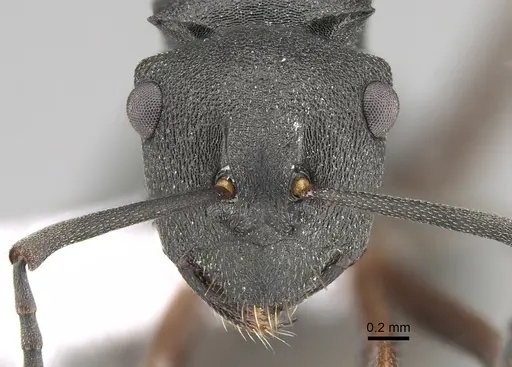
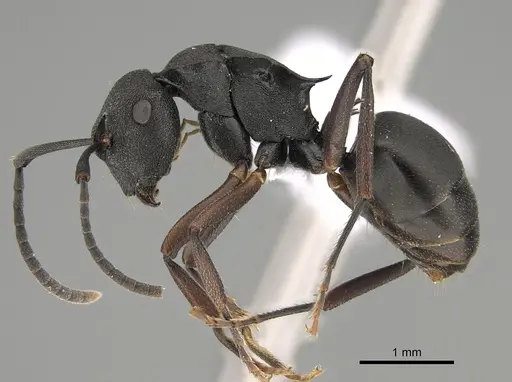
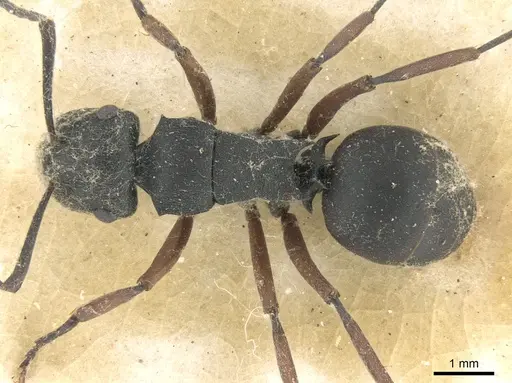
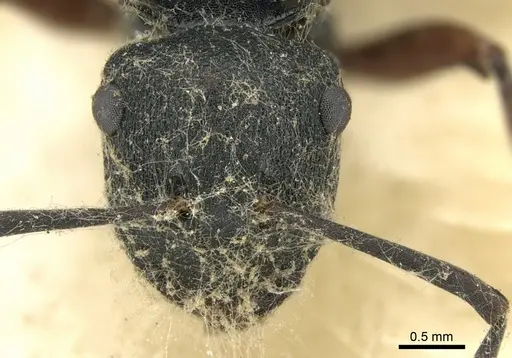
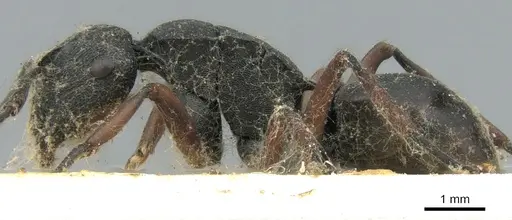
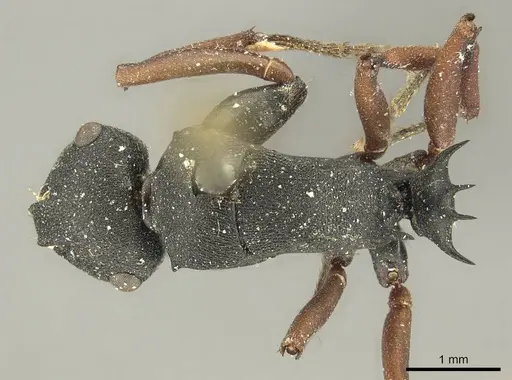
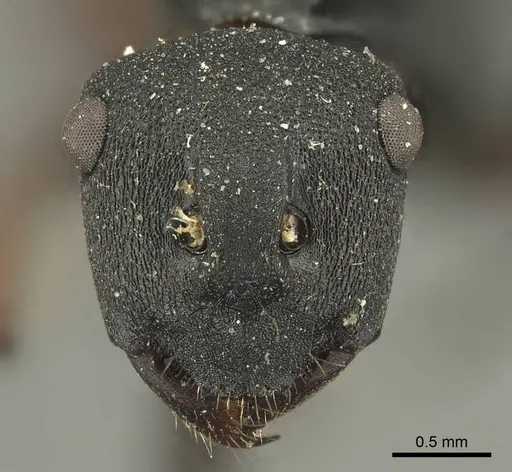
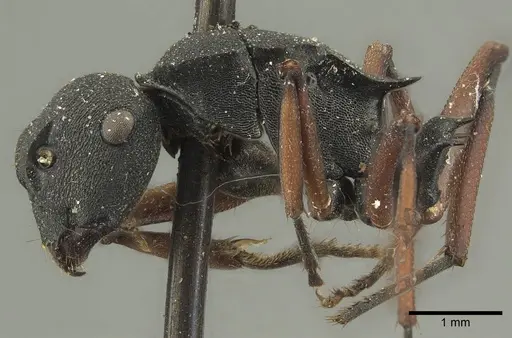
Polyrhachis sidnica is a small ant native to Australia, belonging to the subgenus Campomyrma . Workers are relatively small , and the species has characteristic hooked spines on the thorax, common in Polyrhachis . It was described by Mayr in 1866 and is the senior synonym of Polyrhachis quadricuspis . These ants nest subterranean in soil or under stones . One interesting aspect is that they spin cocoons around their pupae, unlike some ants with naked pupae .
Quick Summary
- Difficulty: Medium
- Origin & Habitat: Eastern Australia, found in mesic habitats, subterranean nesters [1][4][3].
- Colony Type: Unconfirmed, no specific data on queen number or social structure.
- Size & Growth:
- Queen: Size data unavailable, no total length measurements in research [2].
- Worker: Size data unavailable, context only notes 'relatively small' [2].
- Colony: Unknown for this species.
- Growth: Unknown, no data on growth rate.
- Development: Unknown, no specific timeline in research. (Pupal cocoons are present, which may affect development time [1].)
- Antkeeping:
- Temperature: Keep at room temperature, roughly 20-26°C. As Australian natives, they can tolerate a range but avoid extremes. No specific data, so condition-based.
- Humidity: Subterranean nesters need moderate to high humidity. Keep substrate consistently moist but not waterlogged [1].
- Diapause: Unknown, no data on diapause requirements for this species.
- Nesting: Subterranean nesters prefer nests with soil or compactable substrate. Y-tong nests with dirt chambers or naturalistic setups work well [1][4].
- Behavior: Workers are generally non-aggressive and reclusive due to subterranean lifestyle. Defense mechanism: as Formicinae, they lack a sting and spray formic acid from an acidopore. Escape risk is moderate due to size, standard precautions are sufficient.
- Common Issues: colonies may struggle if kept too dry, subterranean species need moisture [1]., slow growth can frustrate beginners, no specific data on growth rate., winter dormancy timing varies by region, no data on diapause., wild-caught colonies may have parasites that are hard to detect., nests that are too ventilated can dry out quickly and kill brood [1].
Nest Preferences and Housing
Polyrhachis sidnica is a subterranean nester, meaning they naturally dig chambers underground [1][4]. In captivity, use nests that mimic underground conditions, such as Y-tong nests with dirt chambers or naturalistic setups with compact soil. Provide consistent moisture in the nest material while avoiding flooding. Test tubes with cotton can work for founding colonies, but established colonies need more space. Avoid very dry setups or nests with excessive airflow [1].
Feeding and Diet
Polyrhachis species are generalist foragers. Offer sugar water or honey constantly, and protein such as small crickets or fruit flies two to three times per week. Remove uneaten protein within 24 hours to prevent mold. These ants are not specialized predators, so any small arthropods they can handle will be accepted.
Temperature and Seasonal Care
As an Australian species, keep the nest at room temperature, roughly 20-26°C during active seasons. They can tolerate a range but develop fastest in the middle. No specific data on seasonal care, so monitor colony behavior.
Behavior and Colony Dynamics
Polyrhachis sidnica workers are relatively small and docile. They are not aggressive defenders and rarely sting, making them safe to observe. The colony grows gradually over several years. Workers tend brood, forage, and maintain the nest. They stay ground-focused and may carry cocoons to optimize development conditions [1].
Growth and Development
Polyrhachis sidnica spins cocoons around their pupae [1]. This means development may take longer than species with naked pupae. No specific timeline is available, so expect moderate growth based on general Polyrhachis patterns.
Frequently Asked Questions
How long does it take for Polyrhachis sidnica to produce first workers?
No specific timeline is available in research. Pupal cocoons are present, which may extend development time [1].
Can I keep Polyrhachis sidnica in a test tube?
Yes, test tubes work well for founding colonies. Keep the water reservoir moderate and cotton damp but not soaked. Move to a larger nest once the colony grows.
What do Polyrhachis sidnica eat?
They are generalists, offer sugar water or honey constantly, and protein like small insects two to three times per week.
Do Polyrhachis sidnica need hibernation?
Unknown, no data on diapause requirements for this species.
How big do Polyrhachis sidnica colonies get?
Colony size is unknown for this species.
What humidity do Polyrhachis sidnica need?
As subterranean nesters, they need moderate to high humidity. Keep substrate consistently moist but not waterlogged [1].
Are Polyrhachis sidnica good for beginners?
They are moderate difficulty due to humidity needs and slower growth, but no specific data on ease of keeping.
When should I move my Polyrhachis sidnica to a formicarium?
Move them when the test tube becomes crowded or the colony grows, using a Y-tong nest with dirt chambers.
Why is my Polyrhachis sidnica colony dying?
Common causes include too dry nest conditions, improper temperature, or insufficient protein. Check these factors first.
Report an Issue
The current care sheet is based fully on literature. See inconsistencies, or something that's incorrect? Please , it will be resolved after review from an admin. Contributing to the blogs tab also helps providing information, to make us be able to further improve the caresheets. Thank you for your support!
References

This caresheet is licensed under CC BY-SA 4.0 .
Community Blogs
Literature
Loading distribution map...Loading products...