
Polyrhachis sericata
- Sci. Name
- Polyrhachis sericata
- Subgenus
- Myrma
- Tribe
- Camponotini
- Subfamily
- Formicinae
- Author
- Guérin-Méneville, 1831
- Distribution
- Found in 2 countries
Introduction
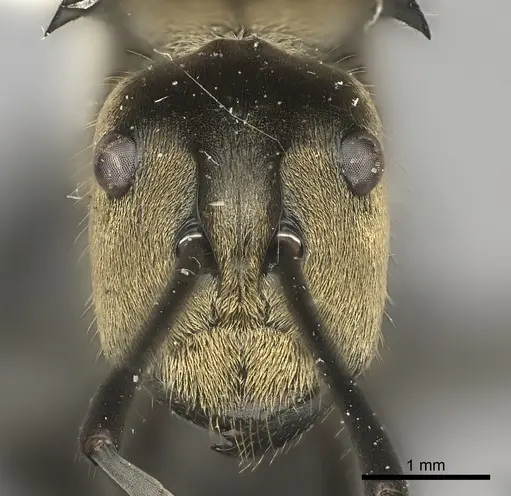
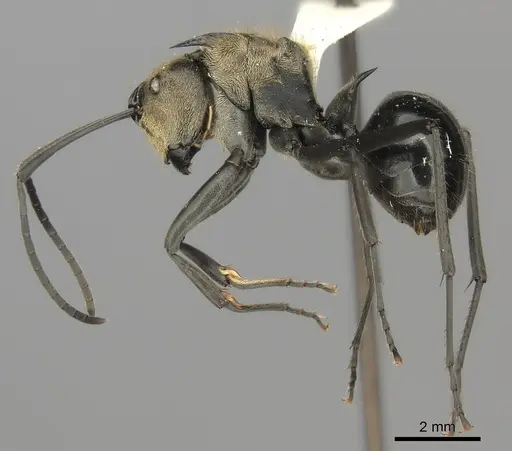
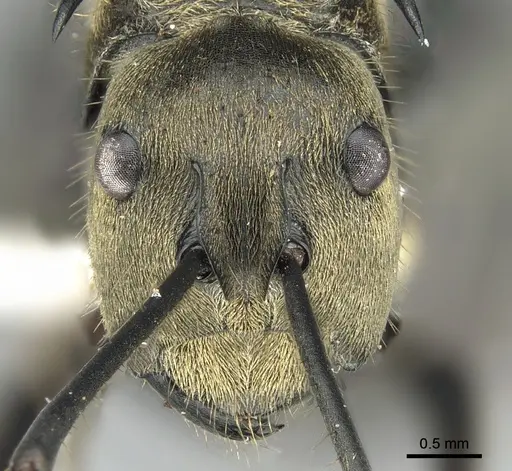
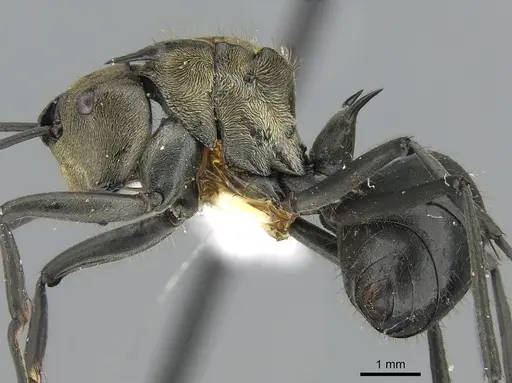
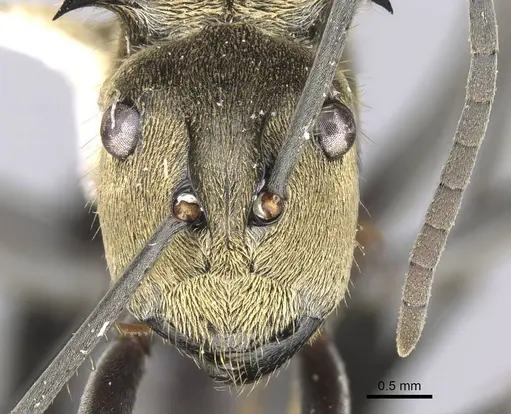
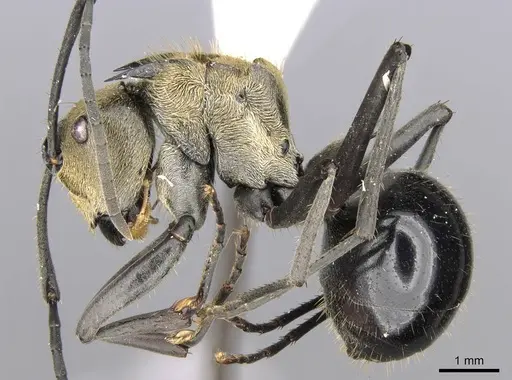
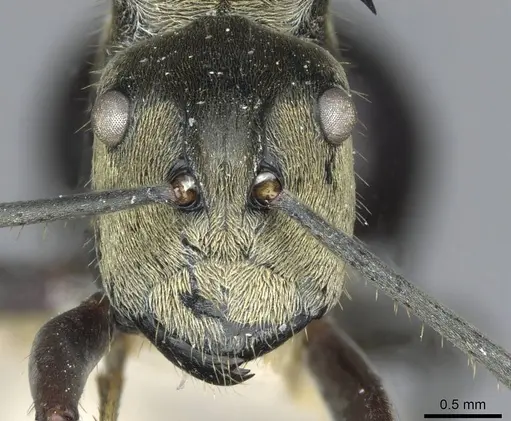
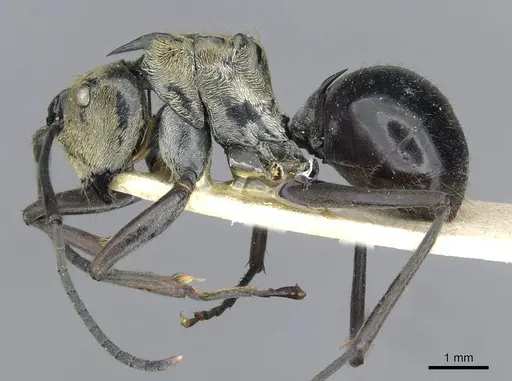
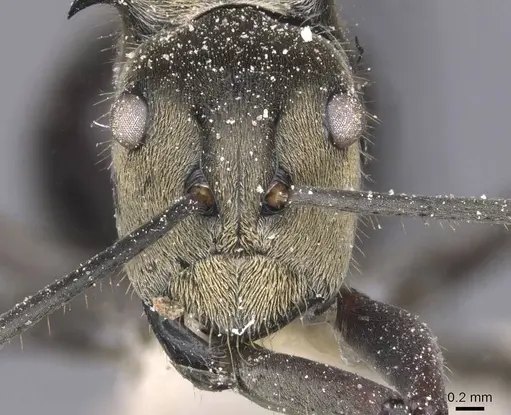
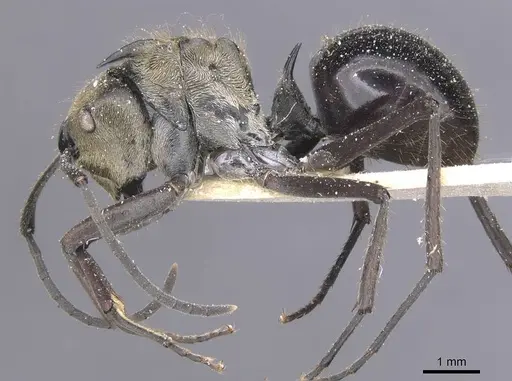
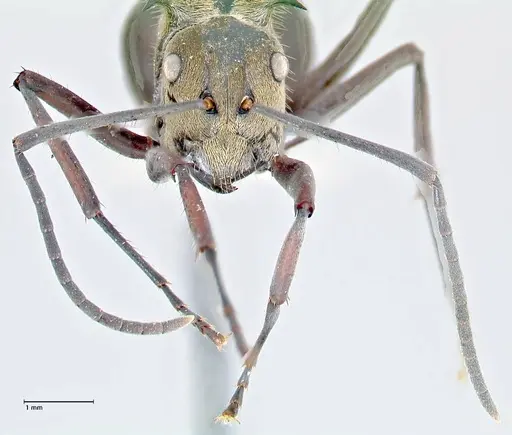
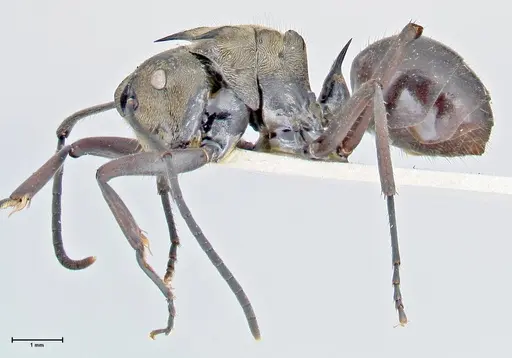
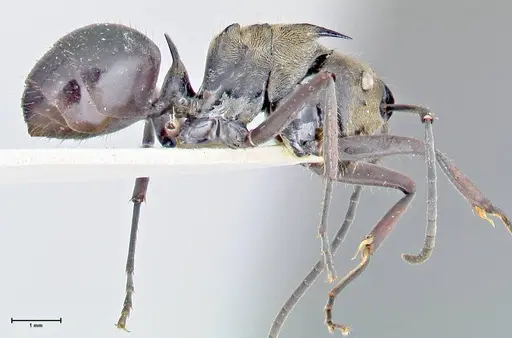
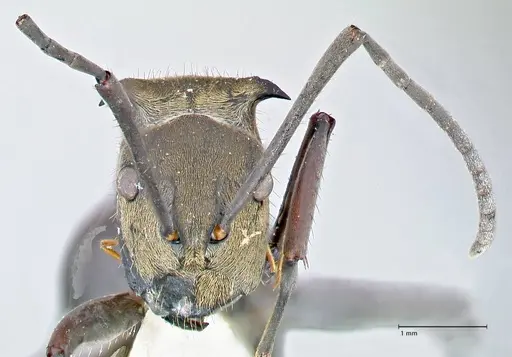
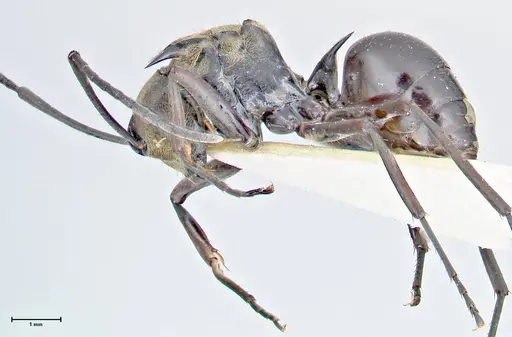
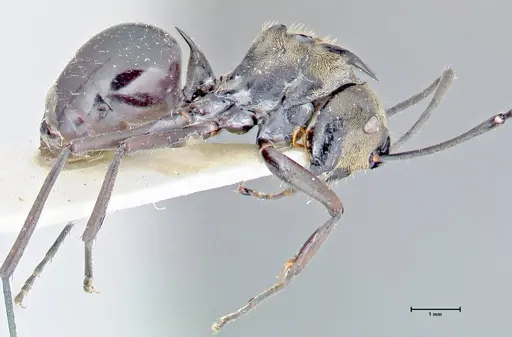
Polyrhachis sericata is an ant species native to the Australasian region, found throughout New Guinea, Vanuatu, the Moluccas, and surrounding islands . It nests terrestrially, building colonies in soil or under stones . Like other Polyrhachis in the Myrma subgenus, it produces cocooned pupae . This species is notable for its terrestrial nesting habits in tropical rainforest environments, from sea level to at least 900m elevation .
Quick Summary
- Difficulty: Medium
- Origin & Habitat: Native to New Guinea, Vanuatu, and surrounding islands in tropical rainforest environments from sea level to 900m elevation [7][1][2].
- Colony Type: Colony structure is unconfirmed due to lack of specific data on queen number.
- Size & Growth:
- Queen: size data unavailable
- Worker: size data unavailable
- Colony: unknown
- Growth: Moderate
- Development: Estimated 6-8 weeks at 25-28°C based on related Polyrhachis species [5] (Development time inferred from genus-level data for tropical Polyrhachis species with cocooned pupae.)
- Antkeeping:
- Temperature: Keep warm and stable, roughly 24-28°C, as inferred from tropical habitat.
- Humidity: Keep nest substrate consistently moist but not waterlogged [5].
- Diapause: No, tropical species, no hibernation needed.
- Nesting: Terrestrial nester. Use soil or moist substrate nests such as AAC, plaster, or 3D-printed nests [5][6].
- Behavior: Generally calm and not aggressive. Workers are active foragers. Moderate escape risk due to size, use standard barriers. They lack a functional sting and use formic acid spray for defense, typical of Formicinae.
- Common Issues: temperatures below 20°C can stress or kill colonies., low humidity can cause desiccation., mold can develop if substrate is too wet., founding queens may take time to establish., terrestrial nesting requires proper moisture management.
Natural History and Distribution
Polyrhachis sericata is found across a wide range in the Australasian region, including New Guinea, Vanuatu (formerly New Hebrides), the Moluccas islands, Timor, and surrounding regions [1][2][3][4]. This is a tropical island distribution with consistent warmth and high humidity year-round. Studies in New Guinea have found this species at elevations from 200m up to 900m, with highest abundance around 900m in rainforest canopies [7]. They are primarily terrestrial nesters, building colonies in soil or under stones rather than in trees [5][6]. The species was originally described by Guérin-Méneville in 1831,and three subspecies have been described: Polyrhachis sericata glabra, Polyrhachis sericata nitidissima, and Polyrhachis sericata nitidiventris [8]. Like other Polyrhachis species in the Myrma subgenus, they produce cocooned pupae rather than naked pupae [5].
Housing and Nest Preferences
Since Polyrhachis sericata is a terrestrial nester, you should provide a nest setup with soil or a moist substrate. An AAC (Y-tong) nest with a dirt chamber or a plaster nest works well for this species [5][6]. They prefer tight, snug chambers rather than large open spaces. The nest should be kept humid but with some dry areas available so ants can self-regulate. For the outworld, provide a standard foraging area with a water tube and feeding station. Since they come from humid tropical environments, avoid placing the setup near air conditioning or in drafty areas. A naturalistic setup with a soil layer allows for natural tunneling behavior. Keep the nest substrate moist, it should feel damp but not have standing water.
Feeding and Diet
Like most Polyrhachis species, Polyrhachis sericata is an omnivorous forager. They will hunt small insects like fruit flies, pinhead crickets, and small worms, and they also tend aphids for honeydew. In captivity, offer a varied diet: protein sources like small crickets, mealworms, or fruit flies 2-3 times per week, and a constant supply of sugar water or honey. Fresh water should always be available. Since they are tropical ants with likely high energy requirements, do not fast them for more than a few days. Remove uneaten prey after 24-48 hours to prevent mold in the outworld.
Temperature and Seasonal Care
As a tropical species from New Guinea and Vanuatu, Polyrhachis sericata requires warm temperatures year-round. Keep the nest area between 24-28°C. They do not tolerate cold well, temperatures below 20°C for extended periods can be harmful. Use a heating cable or heating mat on one side of the nest to maintain warmth, especially in cooler climates. Since they do not undergo diapause or hibernation, maintain consistent temperatures throughout the year. Avoid temperature fluctuations and keep them away from windows with cold drafts in winter. A stable, warm environment is key to keeping this species healthy.
Colony Development and Growth
Polyrhachis sericata produces cocooned pupae, which means their development takes longer than species with naked pupae [5]. Based on related tropical Polyrhachis species, expect 6-8 weeks from egg to first worker at optimal temperatures (25-28°C). The first workers (nanitics) will be smaller than mature workers. Colony growth is moderate, do not expect rapid expansion like some faster-growing genera. Once the first workers emerge, the queen will increase her egg production, and the colony should grow steadily over several months. Colony size is unknown for this species. Be patient with this species, they take time to establish.
Behavior and Temperament
Polyrhachis ants are generally calm and not particularly aggressive toward keepers. Workers are active foragers, searching for food both on the ground and in low vegetation. They are primarily active during cooler parts of the day (dawn/dusk) or at night, which is typical for many tropical ants. When threatened, they may bite, but their bite is mild compared to some other ant species. They lack a functional sting and use formic acid spray for defense, typical of Formicinae. They are not known for being escape artists, but use standard barrier methods (fluon on edges) to keep them contained. Watch for colony establishment, founding queens may take several weeks to seal themselves in and begin laying eggs.
Frequently Asked Questions
Is Polyrhachis sericata good for beginners?
This species is rated as Medium difficulty. While not the hardest ant to keep, it requires consistent warmth and humidity year-round, which means more attention than temperate species. If you have experience with tropical ants and can maintain warm, humid conditions, it can be a rewarding species.
How long does it take for first workers to emerge?
Based on related Polyrhachis species, expect 6-8 weeks at optimal temperatures (25-28°C) [5]. This is longer than many ants because they produce cocooned pupae. Be patient during the founding stage, the queen needs time to raise her first brood.
What temperature do they need?
Keep them at 24-28°C. This tropical species needs warmth year-round. A heating cable on one side of the nest helps maintain proper temperatures, especially in cooler climates or air-conditioned rooms.
Can I keep multiple queens together?
Colony structure is not well documented for this species. It is unconfirmed whether they are single-queen or multiple-queen colonies. Combining unrelated foundress queens is not recommended as it hasn't been studied for this species.
What do they eat?
They are omnivorous. Offer small insects (fruit flies, pinhead crickets, small worms) for protein 2-3 times per week, and sugar water or honey constantly. They also need access to fresh water.
Do they need hibernation?
No. As a tropical species from New Guinea and Vanuatu, they do not require hibernation or winter dormancy. Keep temperatures stable and warm year-round.
How big do colonies get?
Colony size is unknown for this species. No specific data on maximum colony size is available from research.
What type of nest should I use?
A terrestrial nest setup works best. Use an AAC (Y-tong) nest with a dirt chamber, plaster nest, or naturalistic setup with soil [5][6]. They prefer tight chambers and moist substrate.
Why are my ants dying?
Common issues include: temperatures below 20°C (tropical ants are cold-sensitive), low humidity causing desiccation, mold from over-wetting, or stress from frequent disturbances. Check that your setup maintains proper warmth and humidity levels.
Report an Issue
The current care sheet is based fully on literature. See inconsistencies, or something that's incorrect? Please , it will be resolved after review from an admin. Contributing to the blogs tab also helps providing information, to make us be able to further improve the caresheets. Thank you for your support!
References

This caresheet is licensed under CC BY-SA 4.0 .
Community Blogs
CASENT0217801
View on AntWeb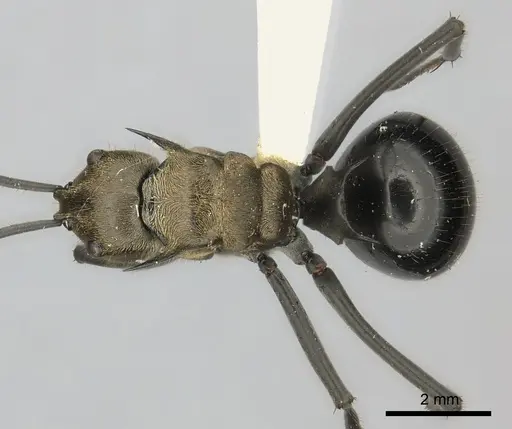
CASENT0281390
View on AntWeb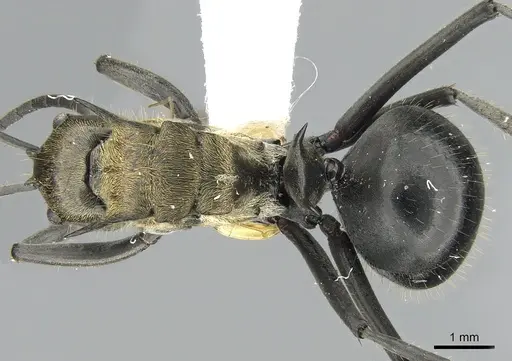
CASENT0906808
View on AntWeb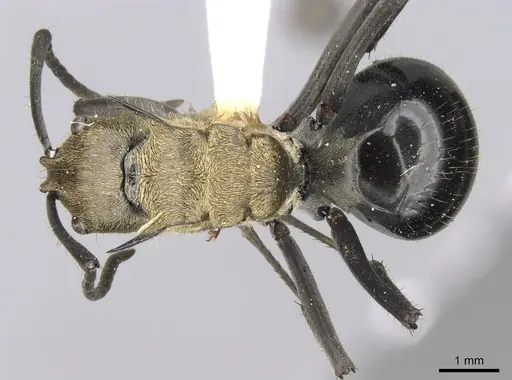
CASENT0910926
View on AntWeb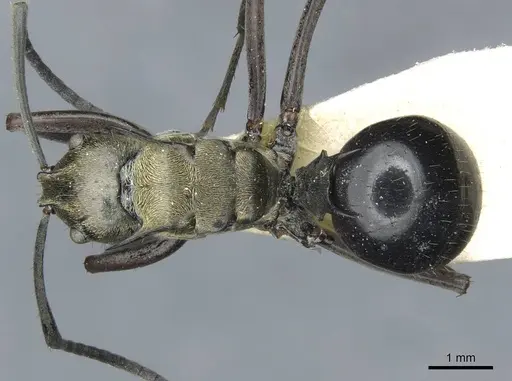
CASENT0912139
View on AntWeb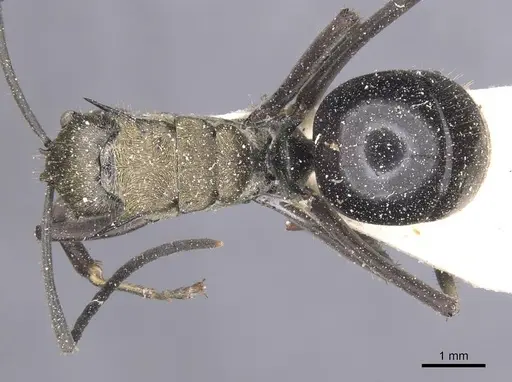
CASENT0913681
View on AntWeb
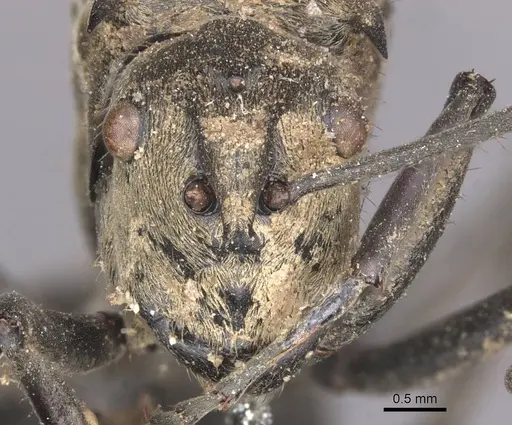
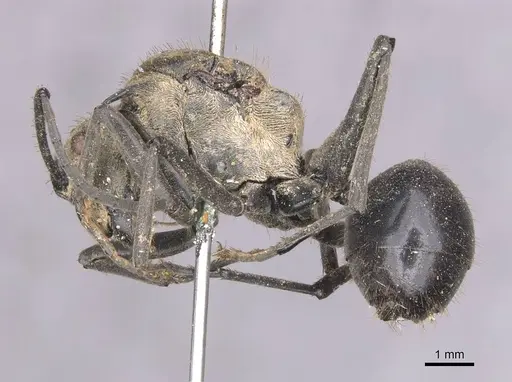
CASENT0917287
View on AntWeb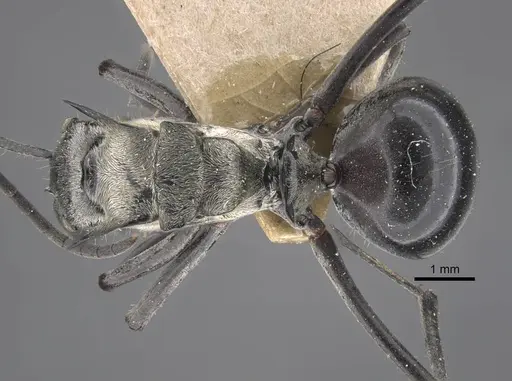
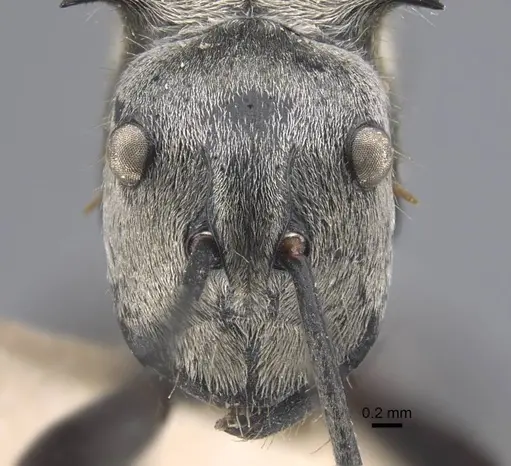
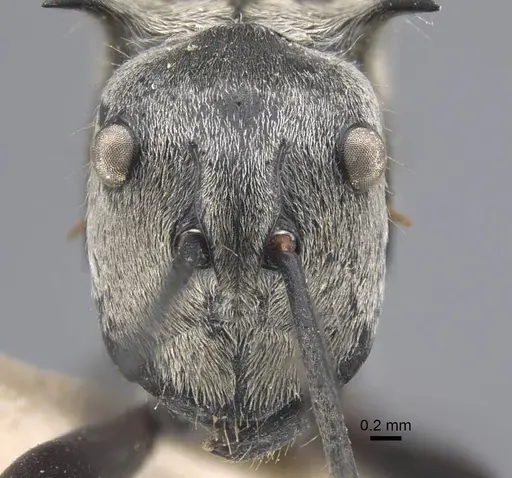
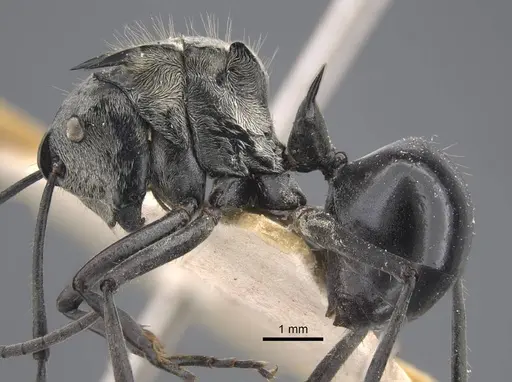
FOCOL0575
View on AntWeb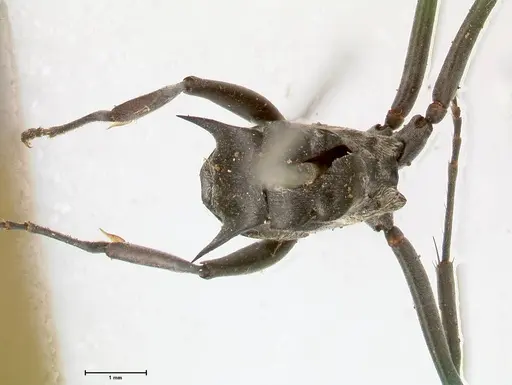
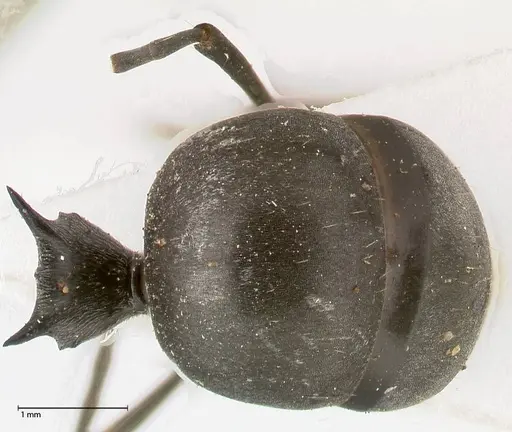
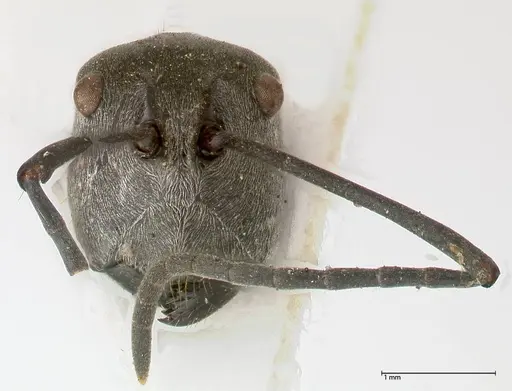
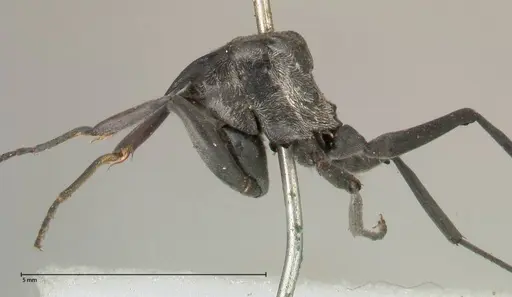
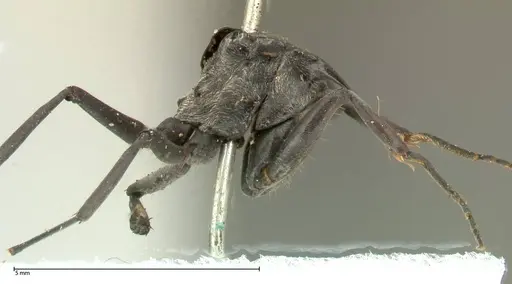
FOCOL2627
View on AntWeb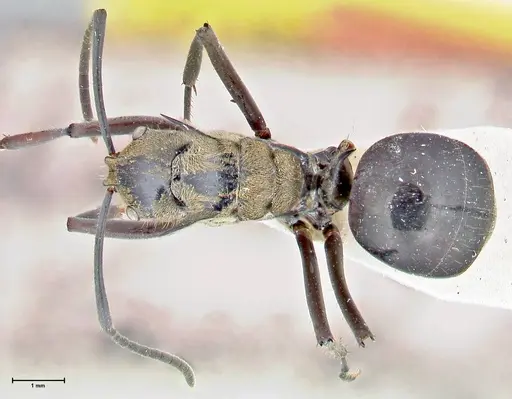
FOCOL2628
View on AntWeb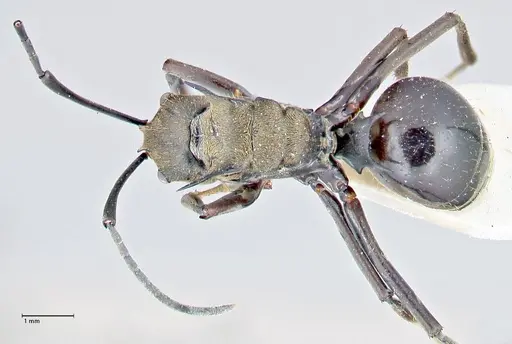
Literature
Loading distribution map...Loading products...