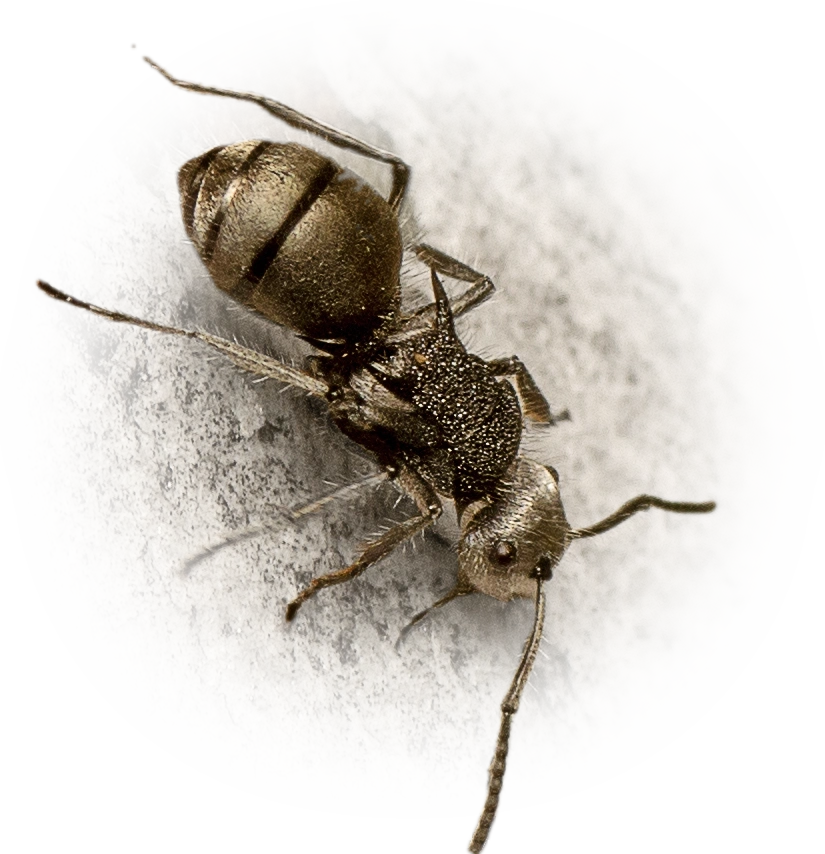
Polyrhachis senilis
- Sci. Name
- Polyrhachis senilis
- Subgenus
- Chariomyrma
- Tribe
- Camponotini
- Subfamily
- Formicinae
- Author
- Forel, 1902
- Distribution
- Found in 1 countries
Introduction
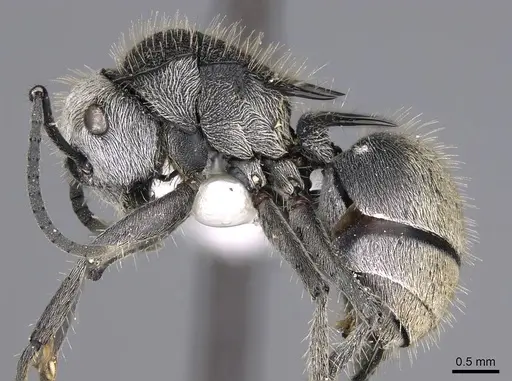
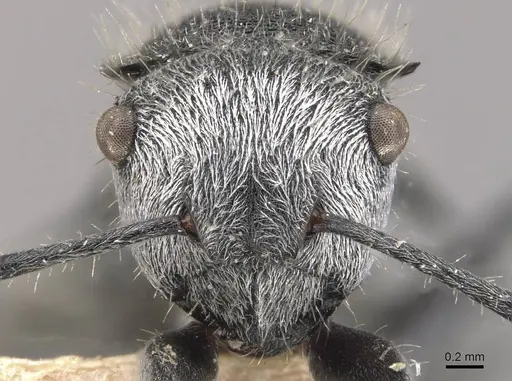
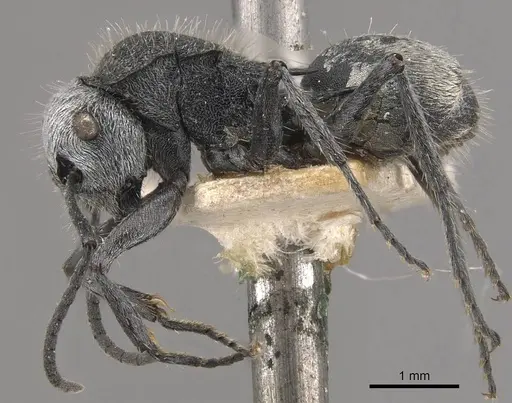
Polyrhachis senilis is an ant species native to Australia, belonging to the subgenus Chariomyrma . It is found in the Torresian biogeographic region and inhabits subterranean and lignicolous environments . Size data is unavailable from current research. This species is part of the Subordinate Camponotini functional group, known for arboreal habits and peaceful behavior .
Quick Summary
- Difficulty: Medium
- Origin & Habitat: Northern Australia, Torresian region [2], in subterranean and lignicolous habitats [3].
- Colony Type: Unconfirmed, no specific data on queen number.
- Size & Growth:
- Queen: ~10-12mm (inferred from Polyrhachis genus)
- Worker: ~6-9mm (inferred from Polyrhachis genus)
- Colony: Up to several hundred workers (estimated from Polyrhachis genus patterns)
- Growth: Moderate (inferred)
- Development: Estimated 6-8 weeks (inferred from related species) (Pupae develop in cocoons [3]. Timeline is estimated as no specific data available.)
- Antkeeping:
- Behavior: Generally peaceful and subordinate, avoiding conflict [2][4]. Workers are arboreal foragers. Defense mechanism: spray formic acid, typical of Formicinae.
- Common Issues: incorrect humidity can cause brood death or mold growth., wild-caught colonies may carry parasites that threaten colony health., escape risk is moderate due to arboreal habits, ensure secure barriers.
Housing and Nest Setup
Polyrhachis senilis requires a setup that accommodates their subterranean and lignicolous nesting preferences. A Y-tong nest with a soil chamber or a plaster nest works well [3]. Provide an outworld with climbing materials like cork bark for their arboreal habits. Ensure secure connections and use fluon for escape prevention.
Temperature and Heating
Maintain warm temperatures around 24-28°C, as this species is from a tropical region [2]. Use a heating cable if room temperature is low, but avoid direct heat under water reservoirs.
Feeding and Diet
Polyrhachis ants are omnivorous, feeding on honeydew, nectar, and small insects [5]. Offer sugar water or honey constantly, and protein prey like fruit flies 2-3 times per week.
Humidity and Water
Keep the nest substrate consistently moist but not waterlogged [3]. A water test tube helps maintain humidity and provides drinking access.
Colony Development
Pupae develop in cocoons, which requires stable humidity [3]. First workers may emerge in 6-8 weeks, but this is estimated. Colony growth is moderate.
Behavior and Temperament
Workers are peaceful and subordinate, avoiding conflict with dominant species [2][4]. They are arboreal foragers and use formic acid spray for defense, typical of Formicinae.
Frequently Asked Questions
How long does it take for Polyrhachis senilis to produce first workers?
Estimated 6-8 weeks from egg to first worker at optimal temperature, based on related species [3].
What do Polyrhachis senilis ants eat?
They are omnivorous. Offer sugar water or honey constantly, and protein prey like small insects [5].
What temperature do Polyrhachis senilis need?
Keep them warm at 24-28°C, based on their tropical range [2].
Are Polyrhachis senilis good for beginners?
They are rated medium difficulty due to specific humidity and temperature needs.
How big do Polyrhachis senilis colonies get?
Colonies can reach up to several hundred workers, estimated from genus patterns.
What type of nest should I use for Polyrhachis senilis?
Use a Y-tong or plaster nest with soil or wood substrate, as they are subterranean/lignicolous [3].
Do Polyrhachis senilis need hibernation?
Diapause requirements are unknown for this species.
Can I keep multiple queens together?
Colony structure is unconfirmed, no data on multiple queens.
Why are my Polyrhachis senilis dying?
Common causes include incorrect humidity, parasites from wild-caught colonies, or escape due to arboreal habits.
Report an Issue
The current care sheet is based fully on literature. See inconsistencies, or something that's incorrect? Please , it will be resolved after review from an admin. Contributing to the blogs tab also helps providing information, to make us be able to further improve the caresheets. Thank you for your support!
References

This caresheet is licensed under CC BY-SA 4.0 .
Community Blogs
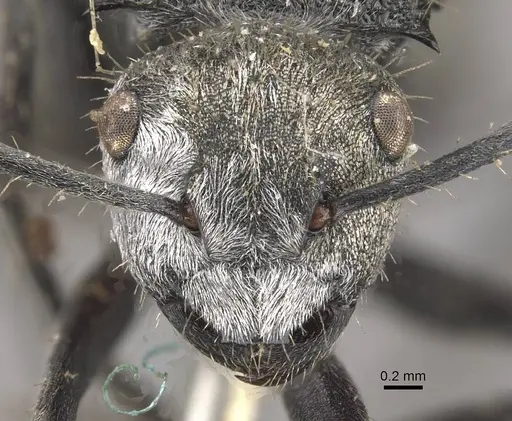
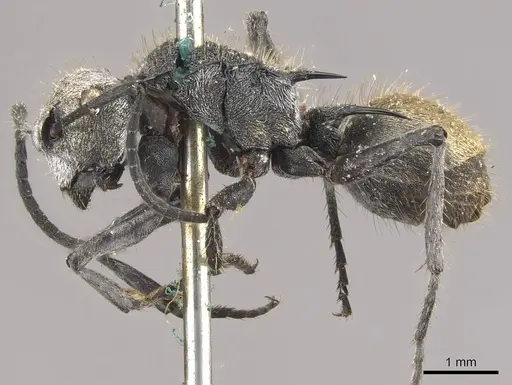
CASENT0281360
View on AntWeb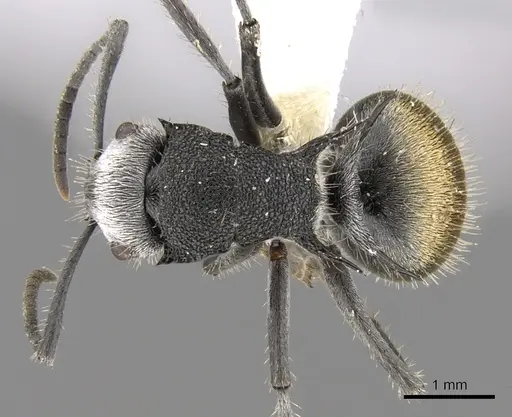
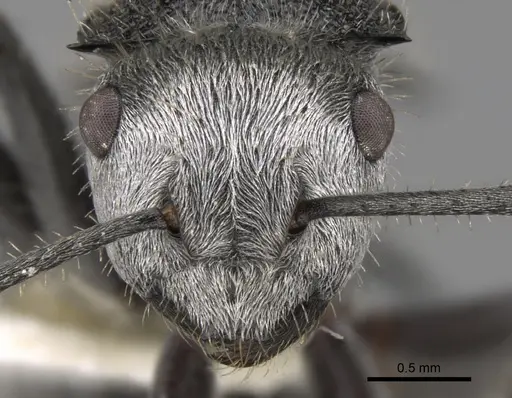
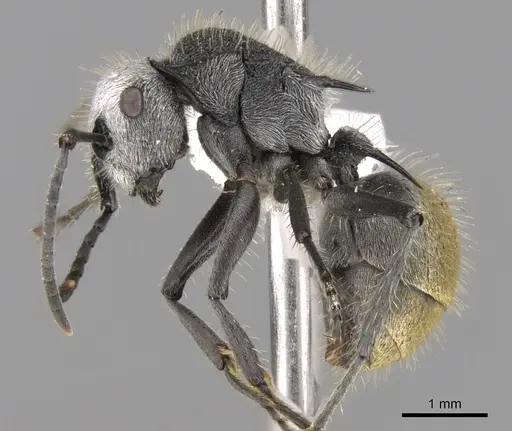
CASENT0740819
View on AntWeb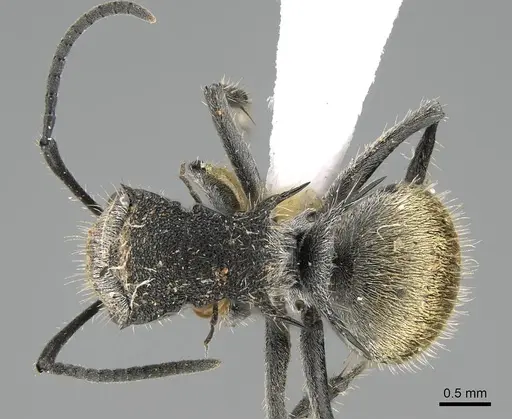
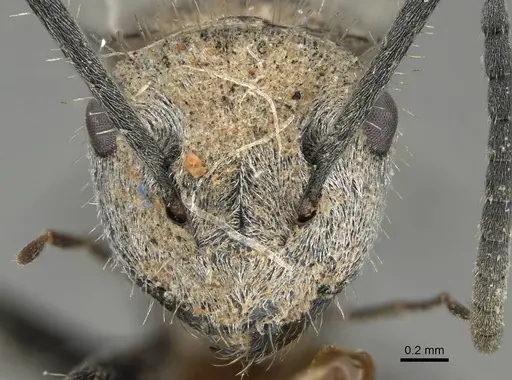
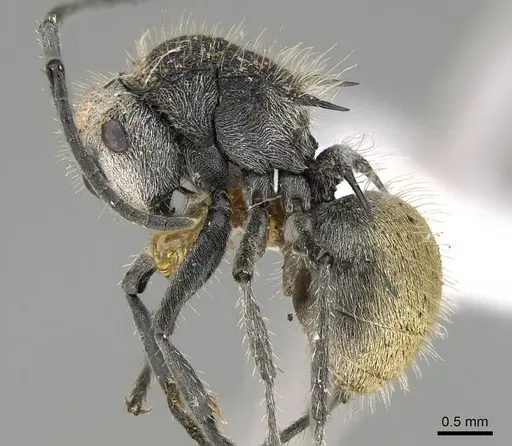
CASENT0903348
View on AntWeb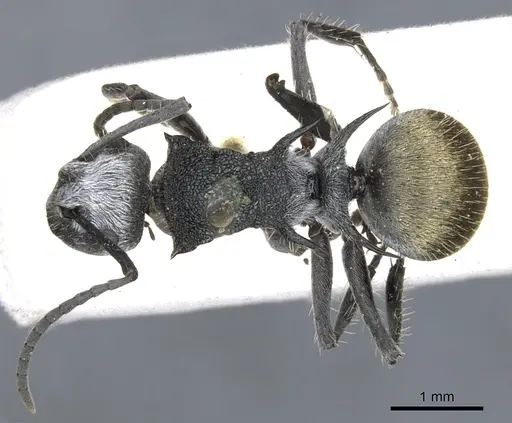
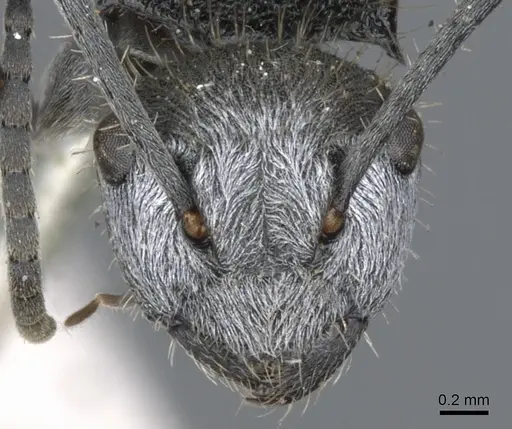
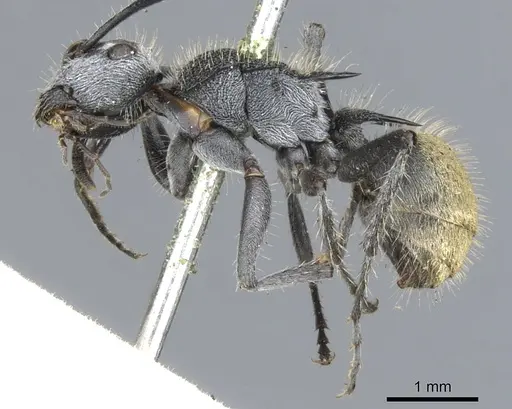
CASENT0906844
View on AntWeb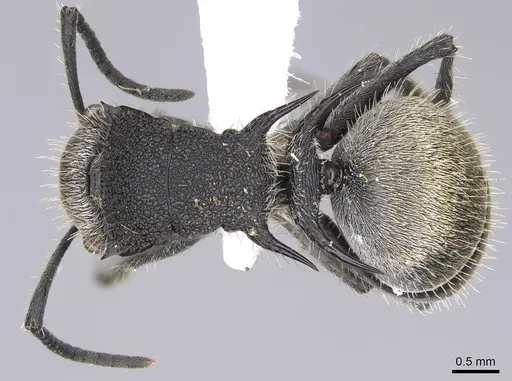
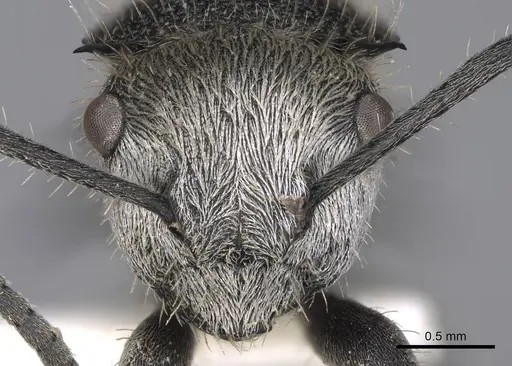
CASENT0910824
View on AntWeb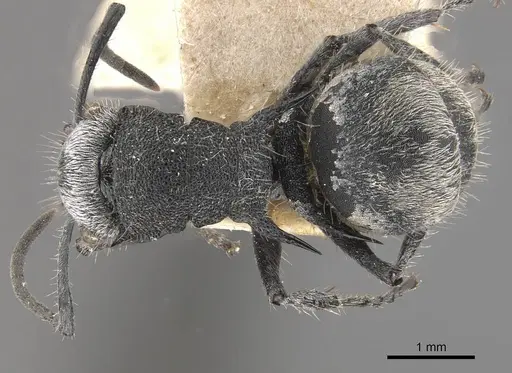
CASENT0910825
View on AntWeb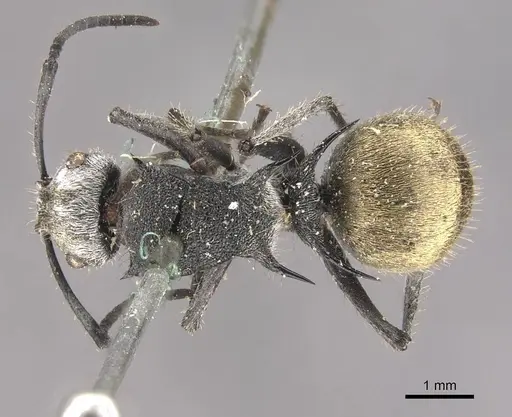
Literature
Loading distribution map...Loading products...