
Polyrhachis semipolita
- Sci. Name
- Polyrhachis semipolita
- Subgenus
- Campomyrma
- Tribe
- Camponotini
- Subfamily
- Formicinae
- Author
- André, 1896
- Distribution
- Found in 1 countries
Introduction
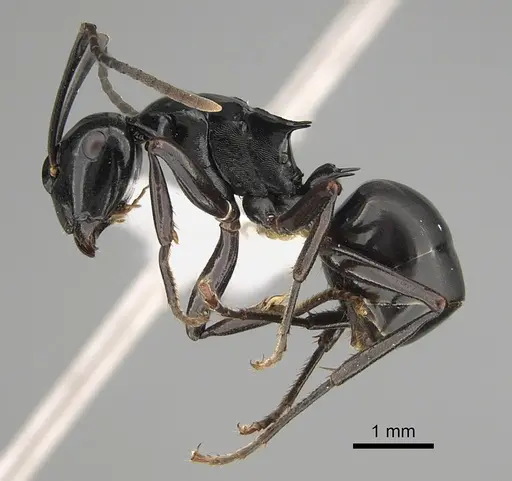
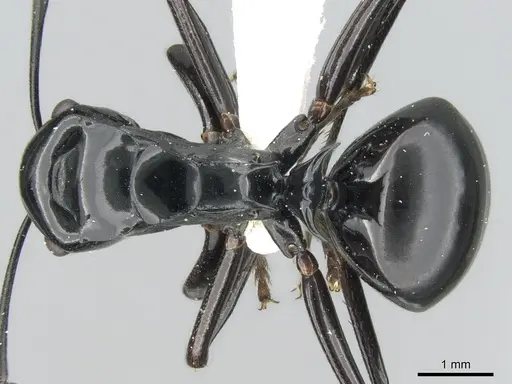
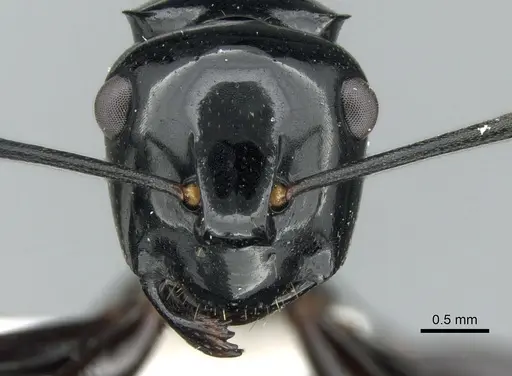
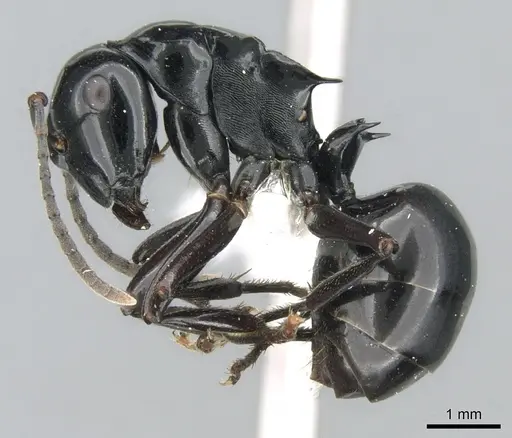
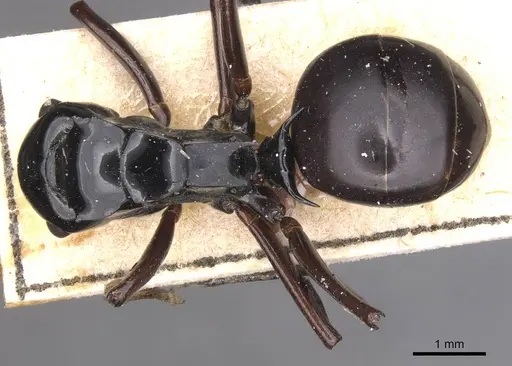
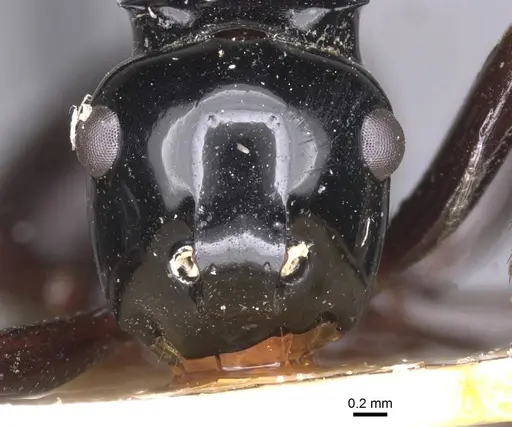
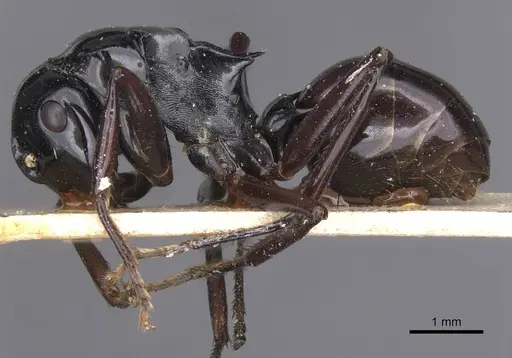
Polyrhachis semipolita is a medium-sized ant native to southeastern Australia, found in mountainous regions of New South Wales, the Australian Capital Territory, the Victorian Alps, and Tasmania. Workers measure 7.91-8.87 mm total length and have a highly polished, reflective body . It belongs to the subgenus Campomyrma and builds subterranean nests . This species is adapted to cool temperate habitats and likely requires a winter diapause period .
Quick Summary
- Difficulty: Medium
- Origin & Habitat: Mountainous southeastern Australia, including New South Wales, Australian Capital Territory, Victorian Alps, and Tasmania [1]. Subterranean nester [2][3].
- Colony Type: Unconfirmed, no specific data on queen number or social structure.
- Size & Growth:
- Queen: Size data unavailable
- Worker: 7.91-8.87 mm [1]
- Colony: Colony size data unavailable
- Growth: Moderate, inferred from genus patterns
- Development: Estimated 6-10 weeks at optimal temperature, based on typical Polyrhachis development patterns (Development timeline not directly studied for this species.)
- Antkeeping:
- Temperature: Based on temperate habitat, keep at 18-22°C
- Humidity: Keep substrate consistently moist but not waterlogged, as subterranean nesters prefer damp conditions [2][3]
- Diapause: Yes, requires winter rest at 10-15°C for 2-3 months, inferred from temperate distribution [1]
- Nesting: Subterranean nests, use Y-tong, plaster, or soil nests with dark chambers [2][3]
- Behavior: Generally calm and non-aggressive. Workers are active foragers. Escape risk is moderate due to size, ensure enclosures are secure. As a member of Formicinae, they lack a sting and spray formic acid when threatened.
- Common Issues: overheating above 25°C can stress the colony., low humidity can cause colony decline., skipping winter diapause weakens the colony., wild-caught colonies may carry parasites like Wolbachia., slow growth requires patience during founding.
Housing and Nest Setup
Polyrhachis semipolita is a subterranean nester, so provide nests with deep chambers. Use Y-tong, plaster, or soil-based setups that maintain humidity. Ensure dark conditions for brood-rearing and secure enclosures to prevent escapes [2][3].
Temperature and Seasonal Care
Keep temperatures between 18-22°C, as this species is adapted to cool habitats. Avoid overheating above 25°C. During winter, provide a diapause period at 10-15°C for 2-3 months [1].
Feeding and Diet
Feeding habits are not specifically studied for this species. Based on general ant knowledge, provide sugar sources like honey water and protein from small insects, but specific data is unavailable.
Humidity and Water Requirements
Maintain moderate to high humidity with a moist substrate that is not waterlogged. Provide a moisture gradient so ants can regulate their conditions [2][3].
Growth and Development
Workers produce cocooned pupae [2]. Development from egg to worker is estimated at 6-10 weeks at optimal temperature, based on typical Polyrhachis patterns.
Behavior and Temperament
This species is generally calm and not aggressive. Workers are active foragers. As a Formicinae ant, they lack a sting and spray formic acid from an acidopore when threatened. Escape risk is moderate due to their size [1].
Frequently Asked Questions
How long does it take for Polyrhachis semipolita to produce first workers?
The exact timeline is not documented, but based on typical Polyrhachis development, it may take 6-10 weeks at optimal temperature.
Do Polyrhachis semipolita ants need hibernation?
Yes, they require a winter diapause of 2-3 months at 10-15°C, inferred from their temperate distribution [1].
What temperature is best for Polyrhachis semipolita?
Keep them at 18-22°C, based on their cool habitat preferences.
Can I keep Polyrhachis semipolita in a test tube?
Test tubes may work for founding, but transfer to a proper nest once the colony grows, as they need deeper chambers [2][3].
What do Polyrhachis semipolita eat?
Specific diet data is unavailable, but they are likely omnivorous like other Polyrhachis species.
Are Polyrhachis semipolita good for beginners?
They are rated medium difficulty due to temperature and diapause requirements, but manageable with proper care.
How big do Polyrhachis semipolita colonies get?
Colony size data is unavailable for this species.
When should I move my colony to a formicarium?
Move when the colony outgrows the test tube, ensuring the new setup maintains humidity and has dark chambers [2][3].
Why is my Polyrhachis semipolita colony dying?
Common causes include overheating, low humidity, or skipping diapause. Check conditions first [1].
Report an Issue
The current care sheet is based fully on literature. See inconsistencies, or something that's incorrect? Please , it will be resolved after review from an admin. Contributing to the blogs tab also helps providing information, to make us be able to further improve the caresheets. Thank you for your support!
References

This caresheet is licensed under CC BY-SA 4.0 .
Community Blogs
Literature
Loading distribution map...Loading products...