
Polyrhachis rupicapra
- Sci. Name
- Polyrhachis rupicapra
- Subgenus
- Myrmhopla
- Tribe
- Camponotini
- Subfamily
- Formicinae
- Author
- Roger, 1863
- Distribution
- Found in 1 countries
Introduction
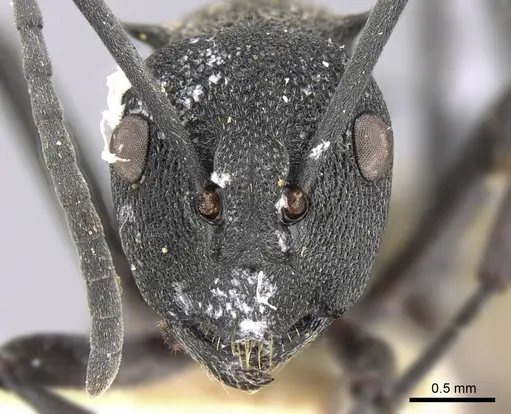
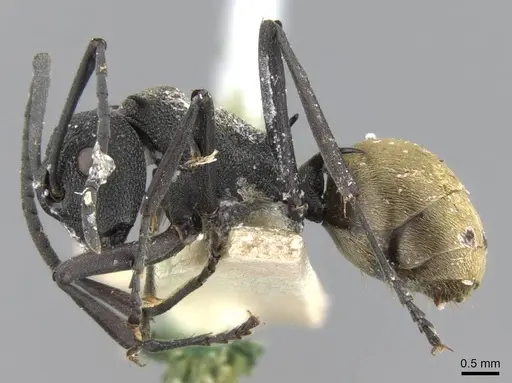
Polyrhachis rupicapra is a medium-sized ant species in the subfamily Formicinae and the subgenus Myrmhopla. Workers are characterized by distinctive hooked spines on the thorax, a common trait in the Polyrhachis genus. The species is native to South Asia, with documented records from India (Karnataka and Tamil Nadu) and Sri Lanka (Ceylon) . It has also been recorded from southern China . Details on its natural history, nesting, and colony structure are unconfirmed, but related species in the genus typically nest in rotting wood or arboreal locations. Their defense mechanism is typical of Formicinae: they bite and spray formic acid from the acidopore.
Quick Summary
- Difficulty: Medium
- Origin & Habitat: Native to the Indomalaya and southern Palaearctic regions: India (Karnataka, Tamil Nadu), Sri Lanka, and southern China [1] [5] [4]. They are found in tropical and subtropical forested areas, likely nesting in rotting wood or under bark [4].
- Colony Type: Unconfirmed. Based on typical Polyrhachis patterns, probably single-queen colonies (monogyne), but no direct data is available.
- Size & Growth:
- Queen: Estimated ~10-12 mm based on genus patterns, no direct measurement available
- Worker: Estimated ~6-8 mm based on genus patterns, no direct measurement available
- Colony: Likely several hundred workers based on related species, unconfirmed
- Growth: Moderate, estimated from genus patterns
- Development: Estimated 6-8 weeks at optimal temperature based on related Formicinae, unconfirmed for this species (Development time is an estimate, direct data are lacking.)
- Antkeeping:
- Temperature: Keep at 24-28°C, with a gentle gradient. Room temperature (22-26°C) is acceptable but growth may slow. Avoid exceeding 32°C.
- Humidity: Keep the nest substrate consistently moist but not waterlogged. Provide a gradient from damp to slightly drier areas. These forest-dwelling ants prefer humid conditions.
- Diapause: No true diapause expected given the tropical distribution. Some reduced activity may occur during cooler months, monitor the colony.
- Nesting: Provide naturalistic setups with rotting wood pieces, or use a Y-tong (AAC) or plaster nest with moisture. They prefer enclosed, humid spaces with vertical elements.
- Behavior: Polyrhachis ants are generally moderate in temperament. Workers are active foragers and will search for honeydew and small prey. They are not typically aggressive but will defend the nest. Escape prevention should be moderate, while not the smallest ants, they can squeeze through small gaps. They are likely crepuscular or nocturnal foragers, as is common in the genus.
- Common Issues: humidity management is critical, too dry and colonies stagnate, too wet and mold becomes a problem, slow colony growth compared to faster species may frustrate beginners, limited information available, keepers must rely on genus-level knowledge, wild-caught colonies may carry parasites that cause issues in captivity, heating too much can dry out the nest and harm the colony
Housing and Nest Setup
Polyrhachis rupicapra does well in naturalistic setups that mimic forest habitat. A Y-tong (AAC) nest or plaster nest with moisture chambers works well. Provide rotting wood pieces or bark in the outworld for enrichment. They prefer enclosed, humid spaces. Since they are likely semi-arboreal, include vertical elements or branches. Keep the nest substrate consistently moist but not waterlogged, allow the ants to choose between damp and drier areas.
Feeding and Diet
As a generalist omnivore, offer sugar water or honey regularly as an energy source. Provide protein from small insects such as flightless fruit flies, small mealworms, or crickets. In nature, they feed on honeydew from aphids, so a constant sugar source is important. Feed prey items 2-3 times per week and remove uneaten food after 24 hours to prevent mold. They are not picky but do best with varied diets.
Temperature and Seasonal Care
Maintain temperatures between 24-28°C for optimal development. They tolerate slightly cooler room temperatures (22-24°C) but growth slows. Avoid exceeding 32°C. Since they come from tropical regions, no true hibernation is needed. Some reduced foraging may occur in cooler months. A small heat cable on one side of the nest creates a beneficial gradient. Monitor the colony, if workers consistently cluster near the heat source, increase the temperature slightly.
Behavior and Colony Dynamics
Workers are active foragers that thoroughly explore the outworld. They are not particularly aggressive but will defend the nest. Communication is chemical, and they may use tandem running to recruit nestmates. After mating, the queen remains in the nest. Expect moderate growth in the first year, with faster expansion after reaching 50+ workers. Queens are long-lived, and colonies can persist for years with proper care. Note: These inferences are based on related Polyrhachis species, as direct observations for P. rupicapra are unavailable.
Frequently Asked Questions
How long does it take for Polyrhachis rupicapra to produce first workers?
Exact timing is unknown. Based on related Formicinae species, first workers (nanitics) may appear approximately 6-8 weeks after the queen lays eggs at optimal temperature (~26°C). Growth is slower than many common species, so patience is required.
What do Polyrhachis rupicapra ants eat?
They are omnivores. Offer sugar water or honey constantly, and protein (small insects like fruit flies, mealworms) 2-3 times weekly. They will also collect honeydew if aphids are available.
Are Polyrhachis rupicapra good for beginners?
This species is rated as medium difficulty. While not extremely challenging, the lack of detailed care information and potentially slower growth make it better suited for keepers with some experience. Beginners may find the slower pace frustrating.
What temperature do Polyrhachis rupicapra need?
Keep them at 24-28°C. Room temperature in most homes (22-26°C) is acceptable, though growth may be slower at the lower end. Avoid temperatures above 32°C.
Do Polyrhachis rupicapra need hibernation?
No true hibernation is required due to their tropical origin. They may show slightly reduced activity in cooler months, but this is not a diapause. Simply maintain normal care year-round.
How big do Polyrhachis rupicapra colonies get?
Exact maximum size is unconfirmed. Based on related species, colonies likely reach several hundred workers, possibly up to 300-500 in a mature colony.
Can I keep multiple Polyrhachis rupicapra queens together?
Colony structure is unconfirmed for this species. Based on typical Polyrhachis patterns, they are likely single-queen (monogyne). Combining unrelated queens is not recommended without evidence that they can coexist.
What humidity level do Polyrhachis rupicapra need?
Keep the nest substrate consistently moist but not waterlogged. These forest-dwelling ants prefer damp conditions, monitor for mold, which indicates too much moisture. Avoid dry conditions.
When should I move Polyrhachis rupicapra to a formicarium?
Wait until the colony has at least 20-30 workers before moving from a founding setup. They do well in naturalistic or Y-tong nests. Ensure the new enclosure maintains proper humidity and has enough space for colony growth.
Report an Issue
The current care sheet is based fully on literature. See inconsistencies, or something that's incorrect? Please , it will be resolved after review from an admin. Contributing to the blogs tab also helps providing information, to make us be able to further improve the caresheets. Thank you for your support!
References

This caresheet is licensed under CC BY-SA 4.0 .
Community Blogs
CASENT0906783
View on AntWeb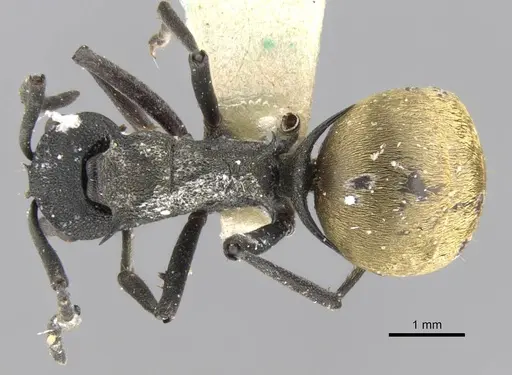
Literature
Loading distribution map...Loading products...