
Polyrhachis rufofemorata
- Sci. Name
- Polyrhachis rufofemorata
- Subgenus
- Myrma
- Tribe
- Camponotini
- Subfamily
- Formicinae
- Author
- Smith, 1859
- Distribution
- Found in 3 countries
Introduction
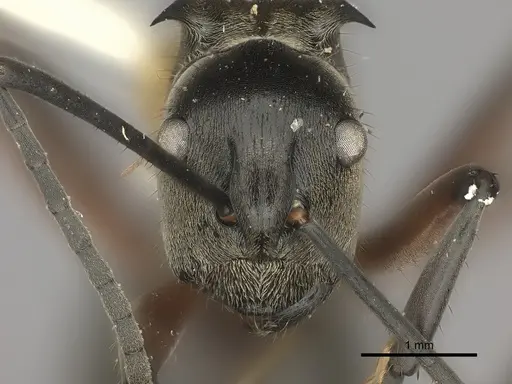
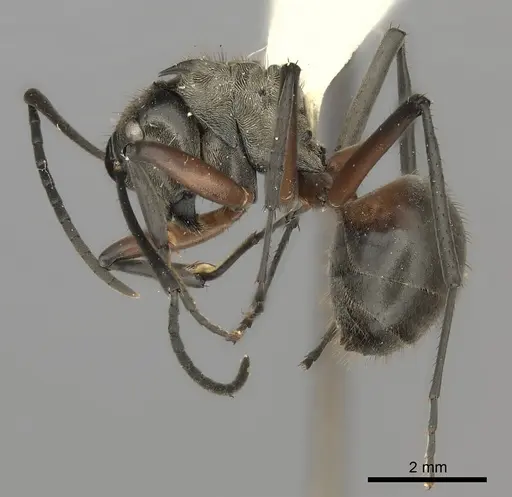
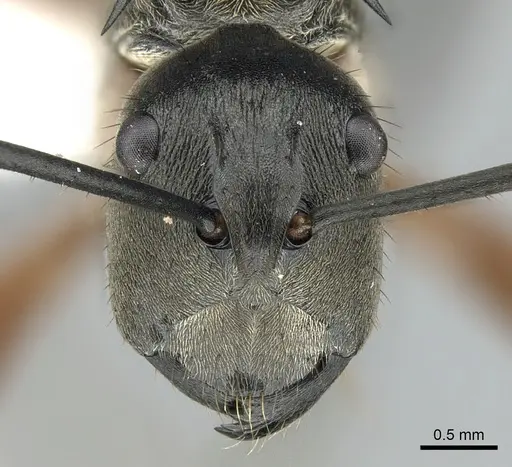
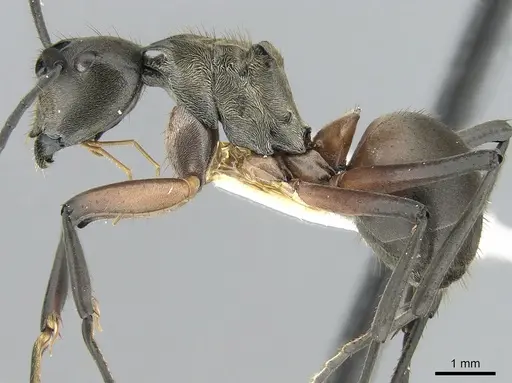
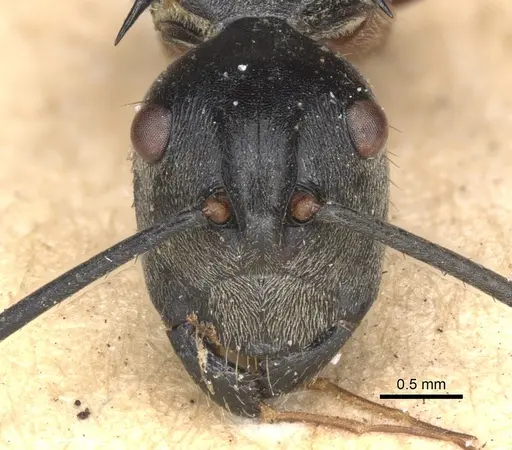
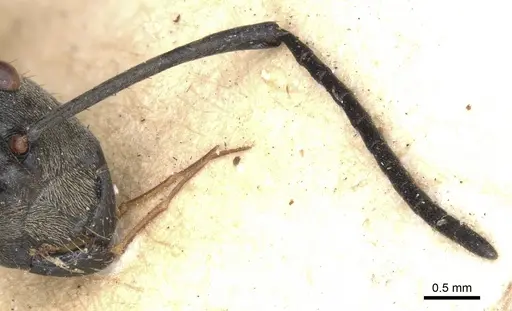
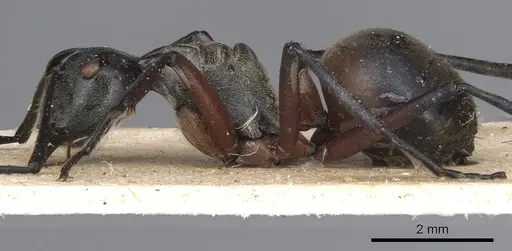
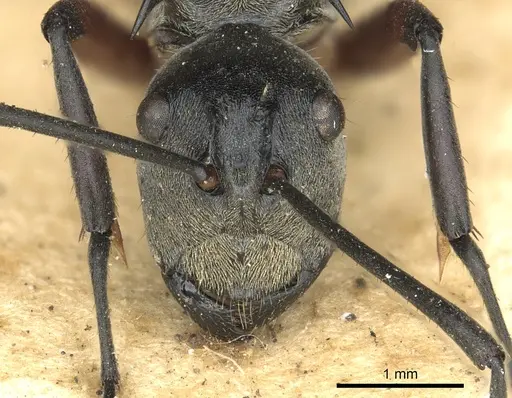
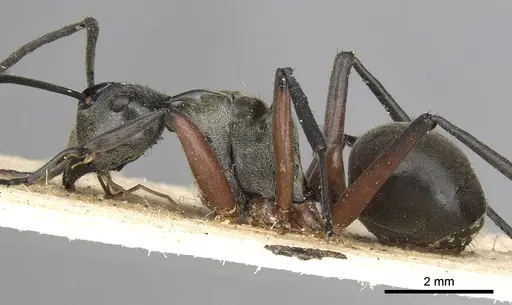
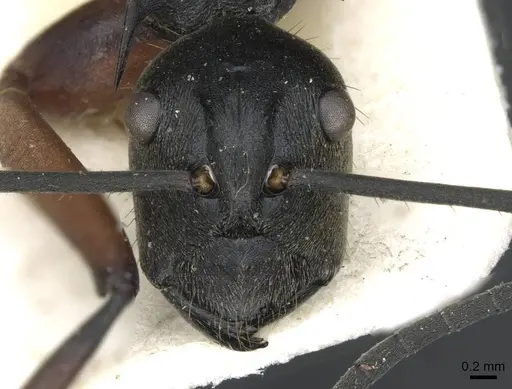
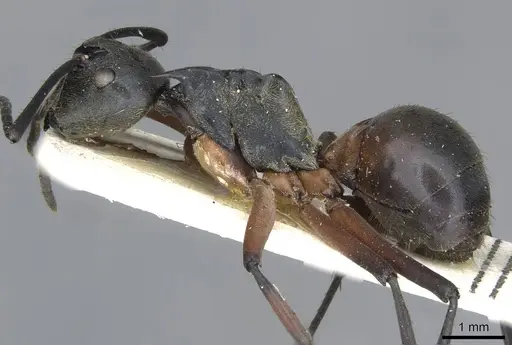
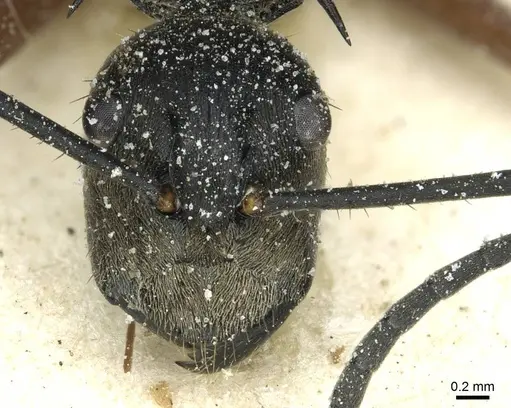
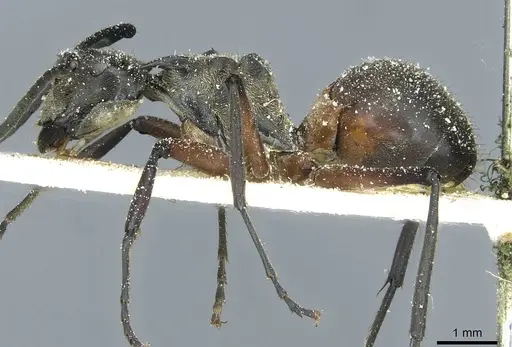
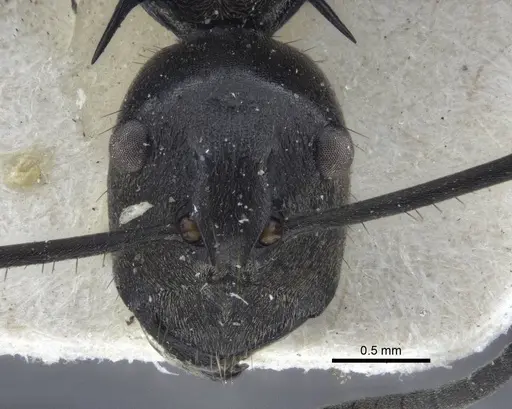
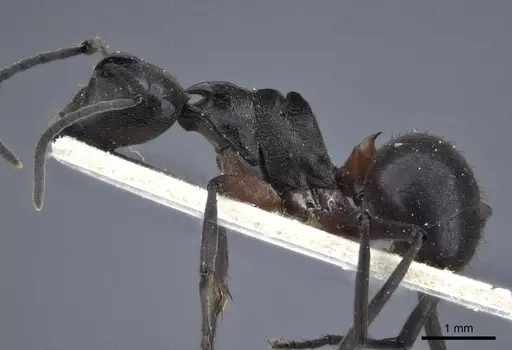
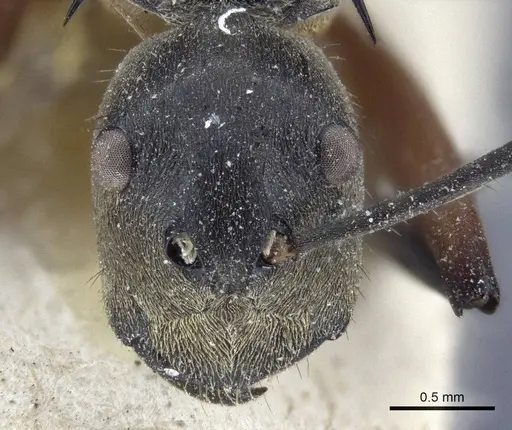
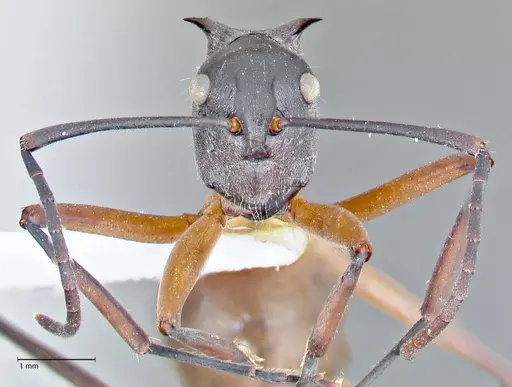
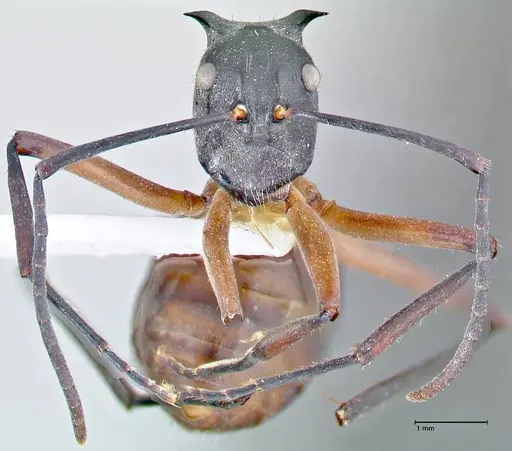
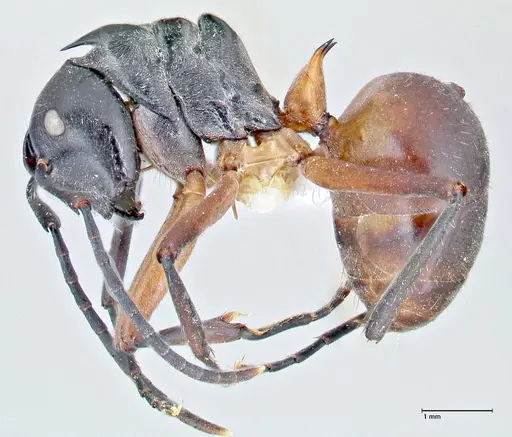
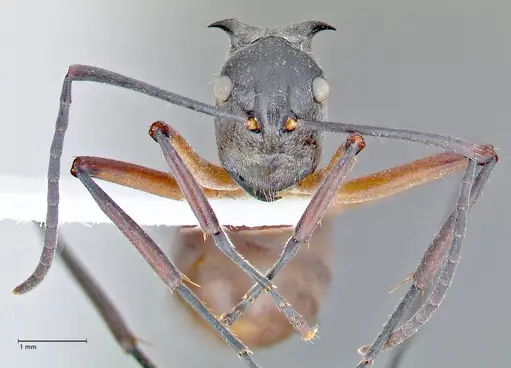
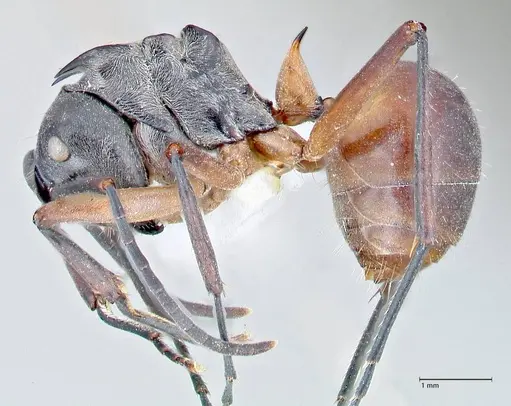
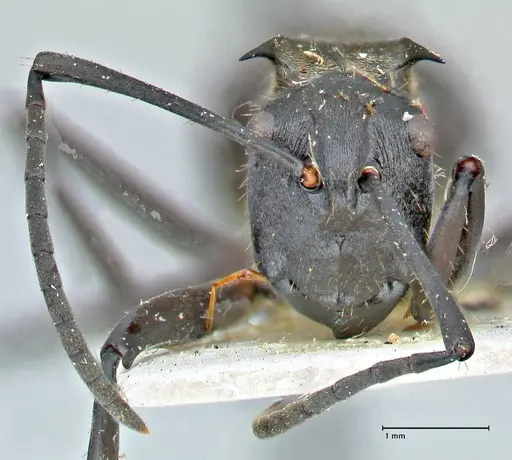
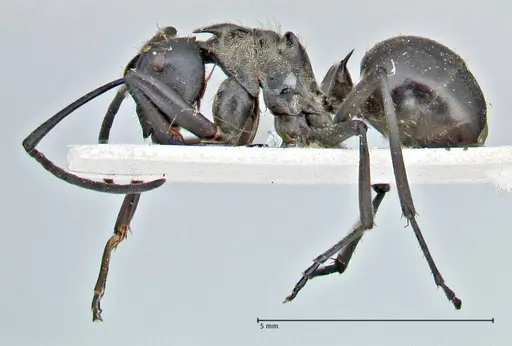
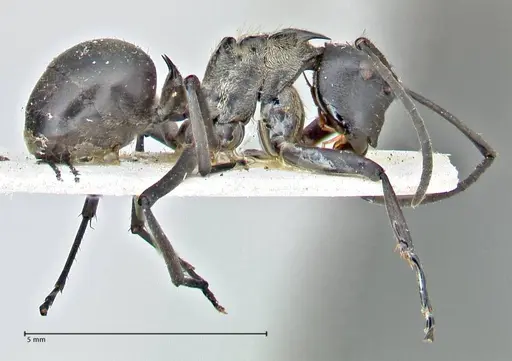
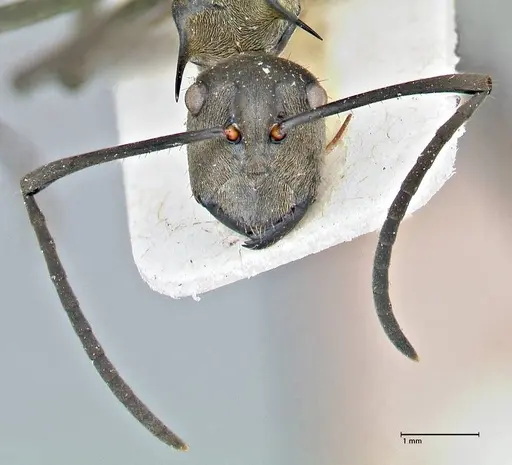
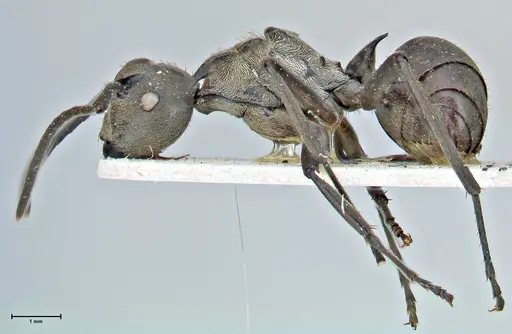
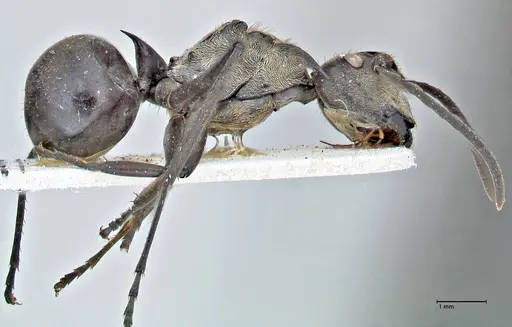
Polyrhachis rufofemorata is a medium-sized arboreal ant with a spiny appearance. Workers measure 8.47-9.58 mm and queens 9.42-10.43 mm in total length . The body is black with reddish-brown coloration on the petiole, base of the first abdominal segment, coxae, and femora . It has long, divergent spines on the pronotum and a petiole that is either angulate or spinose depending on the population . This species belongs to the Polyrhachis relucens group and is lignicolous, nesting in plant cavities like hollow internodes of dead bamboo . Its range spans the Moluccas, New Guinea, and northern Australia .
Quick Summary
- Difficulty: Medium
- Origin & Habitat: Found in the Australasian region across the Moluccas (Indonesia), New Guinea, and northern Australia at Iron Range on Cape York Peninsula. Inhabits tropical and subtropical forests, nesting in plant cavities, especially dead bamboo [1][4].
- Colony Type: Monogyne, single queen colonies with no multiple nests per colony [3]. Queens are similar across both petiole forms with slight variability [1].
- Size & Growth:
- Antkeeping:
- Temperature: Keep warm, roughly 24-28°C, as they are tropical species [1]. Use a gentle heat gradient if needed.
- Humidity: Keep nest substrate consistently moist but not waterlogged, based on their natural habitat in humid forests [1].
- Diapause: No, tropical species do not require hibernation [1].
- Nesting: Lignicolous, prefer enclosed chambers in Y-tong, plaster, or soil nests with plant cavities like bamboo sections [1][3].
- Behavior: Generally calm and non-aggressive for a Polyrhachis species. Workers are active foragers but not highly defensive. Escape risk is moderate due to medium size, use standard barriers. They produce cocoons, unlike some related species [3].
- Common Issues: temperature too cool can slow brood development, monitor closely, low humidity may cause stress, maintain moist substrate, parasites like Ophiocordyceps fungi can infect colonies [5], escape risk is moderate, ensure barriers are adequate for medium-sized ants
Nest Preferences and Housing
Polyrhachis rufofemorata is lignicolous, naturally nesting in plant cavities like hollow internodes of dead bamboo [1][3]. In captivity, use enclosed nests such as Y-tong, plaster, or soil setups with chambers scaled to their size (8-10 mm passages). Add bamboo or bark for enrichment. Keep the nest humid but ensure ventilation to prevent mold [1].
Feeding and Diet
This species is a generalist forager. Offer sugar sources like honey water constantly and protein such as fruit flies or pinhead crickets 2-3 times per week. Remove uneaten prey after 24 hours to avoid mold [2].
Temperature and Seasonal Care
As a tropical species, keep temperatures around 24-28°C year-round. No diapause is needed. Use a heat gradient if your room is cool [1].
Colony Structure and Development
Colonies are monogyne with a single queen [3]. Queens measure 9.42-10.43 mm and workers 8.47-9.58 mm [1]. They produce cocoons, which simplifies pupal care [3]. Growth is moderate, but development timeline is unknown [1].
Behavior and Temperament
Workers are calm and not aggressive. They are arboreal and explore vertical spaces. Escape risk is moderate, use standard barriers. Defense involves formic acid spray, typical of Formicinae [2].
Frequently Asked Questions
How long does it take for Polyrhachis rufofemorata to produce first workers?
The egg-to-worker timeline is unknown, as no specific data exists. Founding colonies need patience [1].
What temperature do Polyrhachis rufofemorata ants need?
Keep them at 24-28°C, as they are tropical species [1].
Do Polyrhachis rufofemorata ants need hibernation?
No, they do not require diapause as a tropical species [1].
What do Polyrhachis rufofemorata ants eat?
They are generalists. Offer sugar water constantly and protein insects 2-3 times per week [2].
Can I keep multiple queens together?
No, this species is monogyne, colonies have a single queen [3].
What size colony do Polyrhachis rufofemorata reach?
Colony size is estimated to reach up to several hundred workers, based on genus patterns [1].
Are Polyrhachis rufofemorata ants aggressive?
No, they are relatively calm and not highly defensive [2].
What nest type is best for Polyrhachis rufofemorata?
Lignicolous nests like Y-tong or plaster with plant cavities, such as bamboo sections [1][3].
Do Polyrhachis rufofemorata make cocoons?
Yes, they produce cocoons, which makes pupal care easier [3].
Where is Polyrhachis rufofemorata found in the wild?
From the Moluccas and New Guinea to northern Australia, nesting in plant cavities [1][4].
Are Polyrhachis rufofemorata good for beginners?
They are intermediate due to tropical temperature needs and unknown development timeline [1].
Why are my Polyrhachis rufofemorata dying?
Common causes include cool temperatures, low humidity, or fungal parasites like Ophiocordyceps [5]. Ensure proper care conditions.
Report an Issue
The current care sheet is based fully on literature. See inconsistencies, or something that's incorrect? Please , it will be resolved after review from an admin. Contributing to the blogs tab also helps providing information, to make us be able to further improve the caresheets. Thank you for your support!
References

This caresheet is licensed under CC BY-SA 4.0 .
Community Blogs
CASENT0217796
View on AntWeb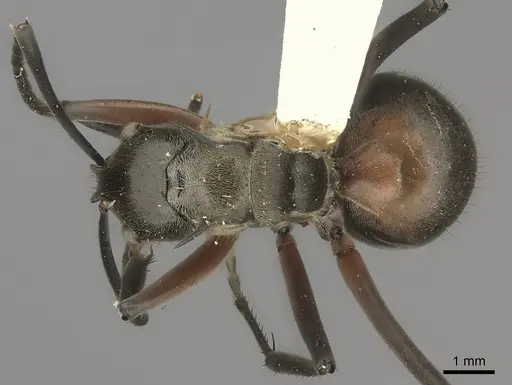
CASENT0281389
View on AntWeb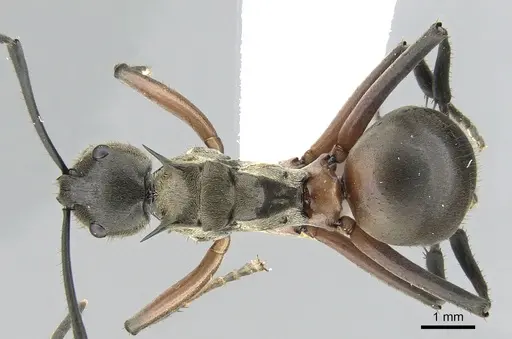
CASENT0901813
View on AntWeb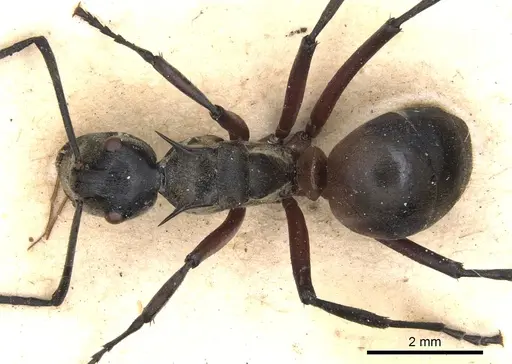
CASENT0901836
View on AntWeb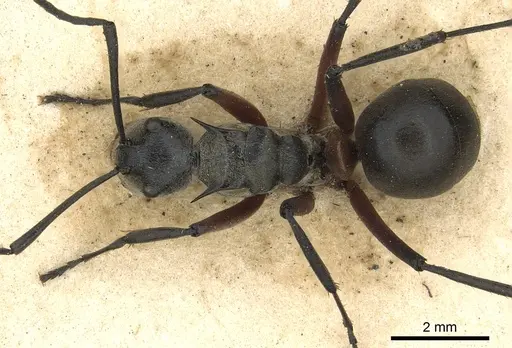
CASENT0910915
View on AntWeb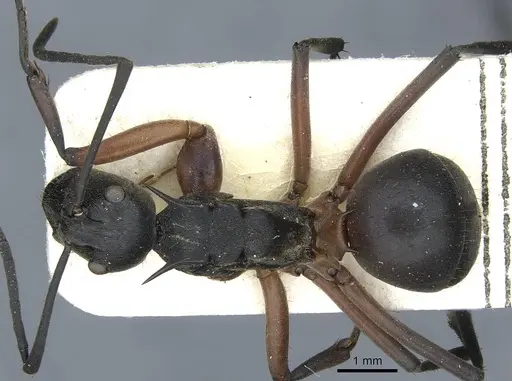
CASENT0912116
View on AntWeb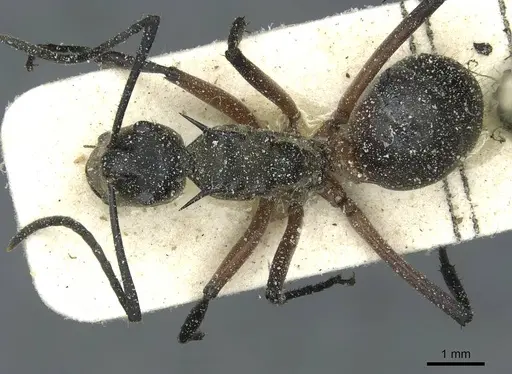
CASENT0916636
View on AntWeb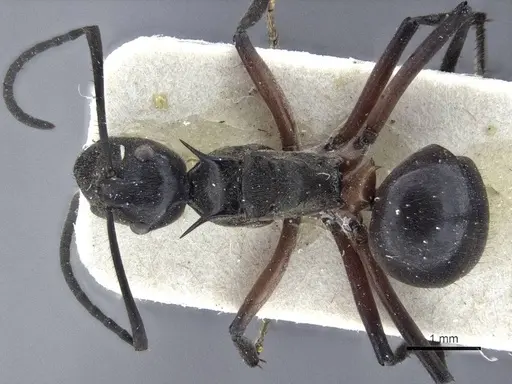
CASENT0916637
View on AntWeb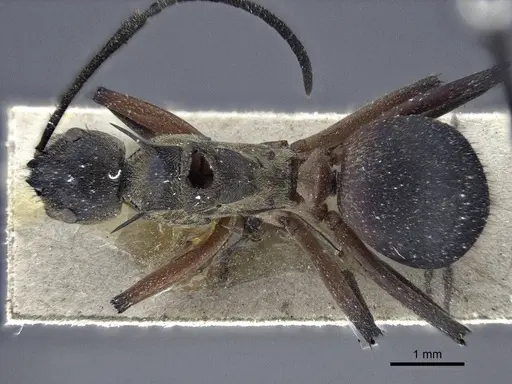
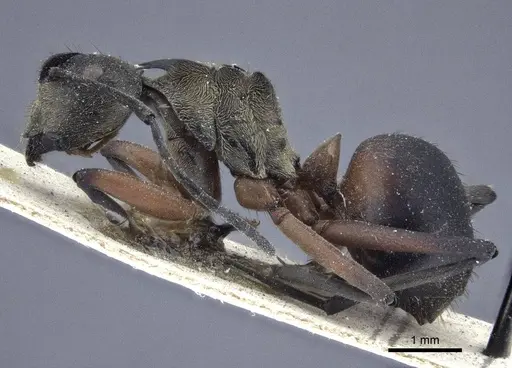
FOCOL0570
View on AntWeb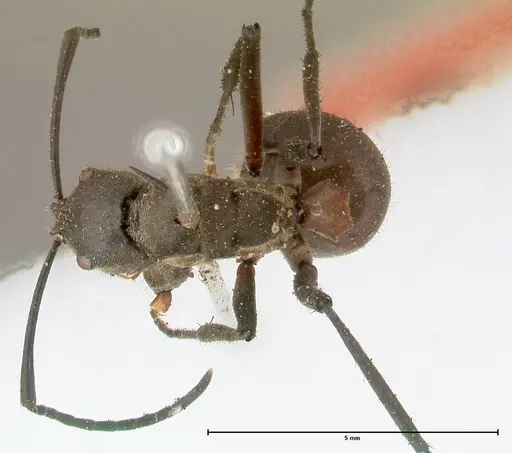
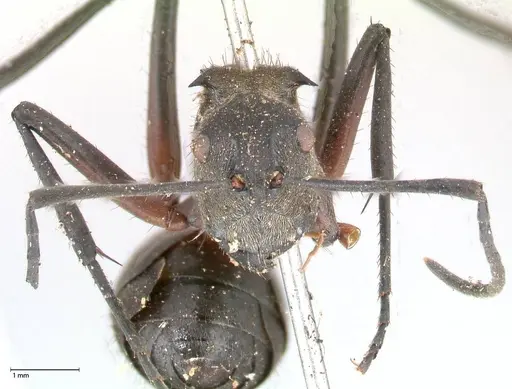
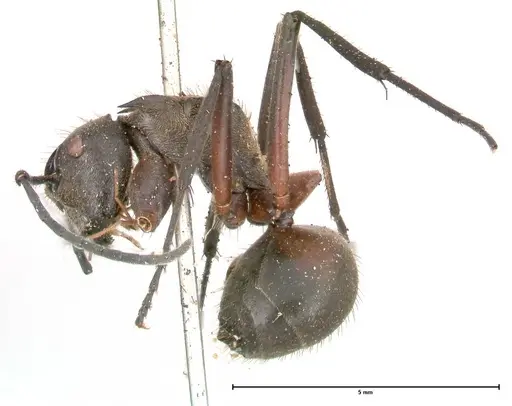
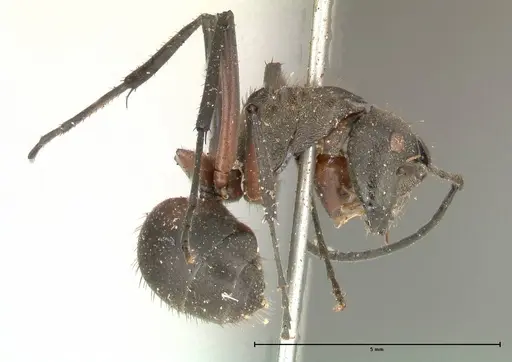
FOCOL2635-1
View on AntWeb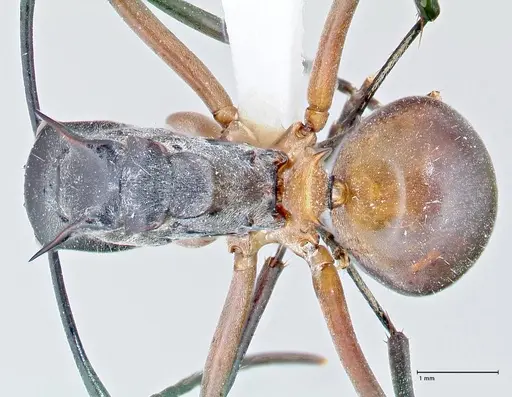
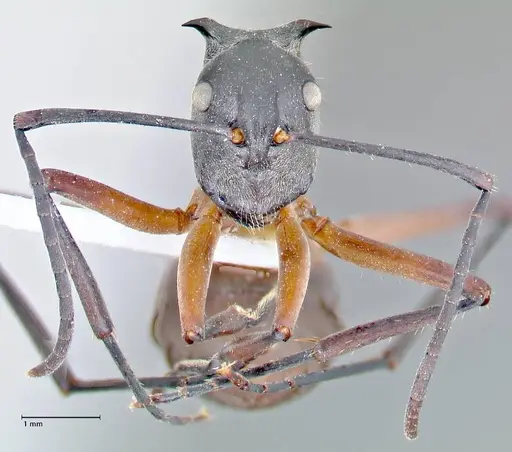
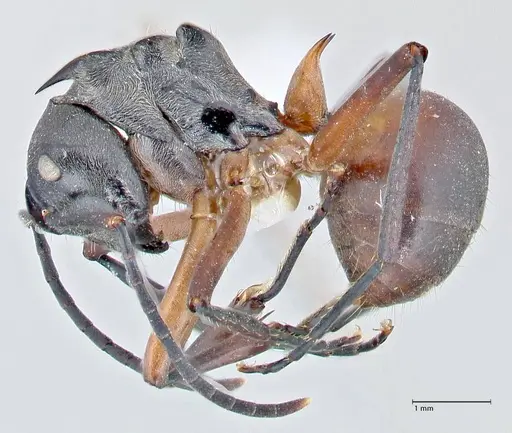
FOCOL2635-2
View on AntWeb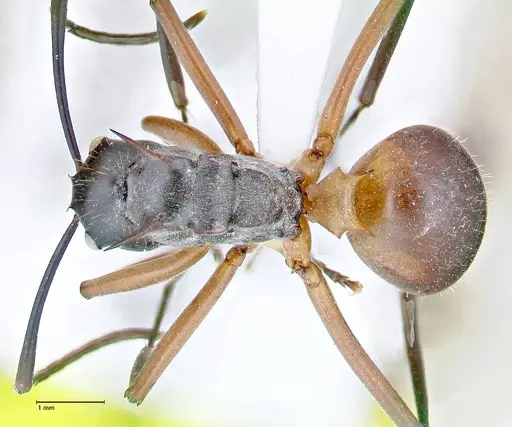

FOCOL2636-1
View on AntWeb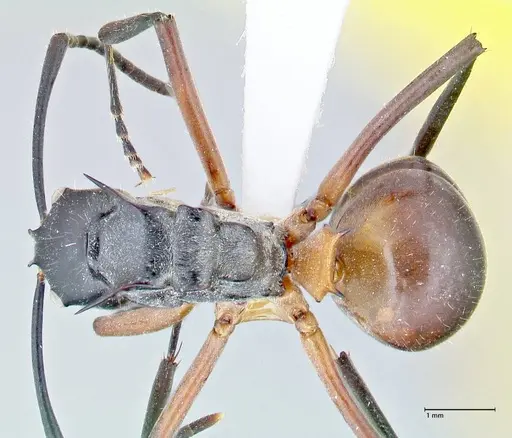
FOCOL2636-2
View on AntWeb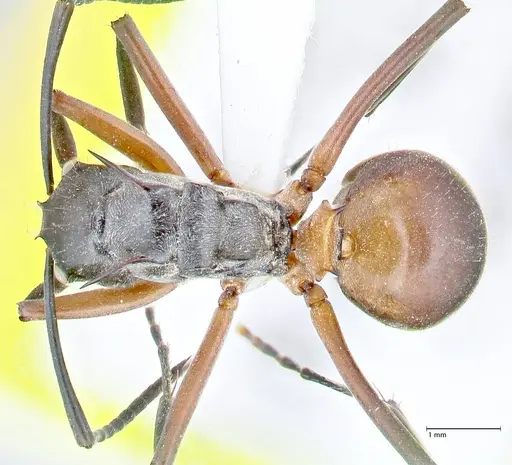
FOCOL2941
View on AntWeb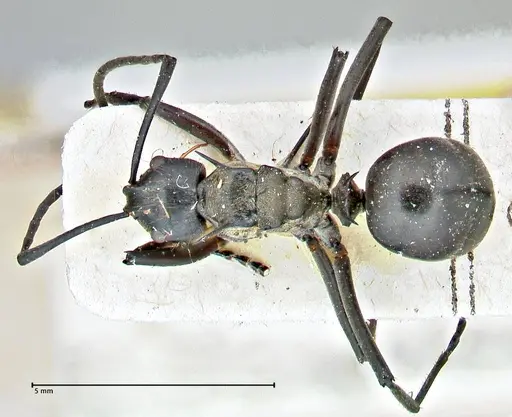
FOCOL2942
View on AntWeb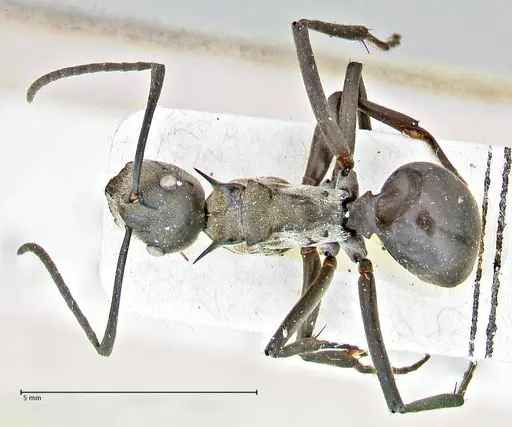
Literature
Loading distribution map...Loading products...