
Polyrhachis rufipes
- Sci. Name
- Polyrhachis rufipes
- Subgenus
- Myrmhopla
- Tribe
- Camponotini
- Subfamily
- Formicinae
- Author
- Smith, 1858
- Distribution
- Found in 4 countries
Introduction
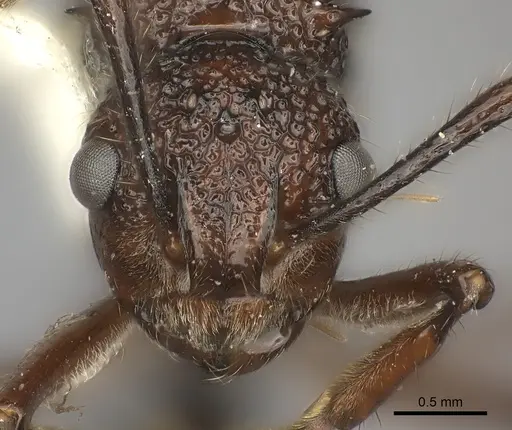
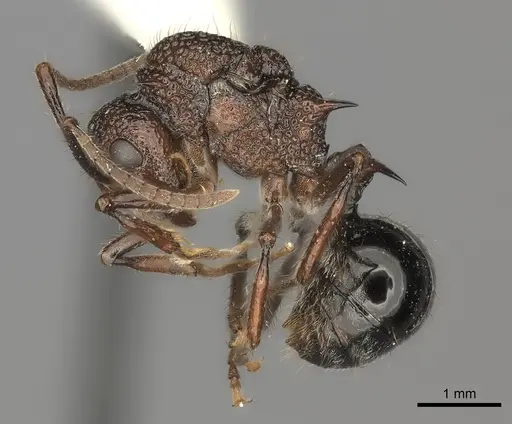
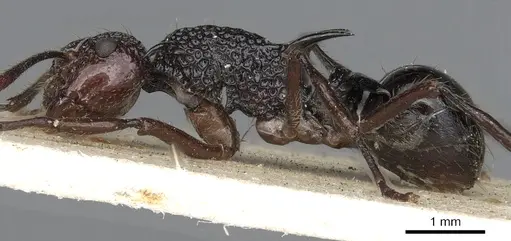
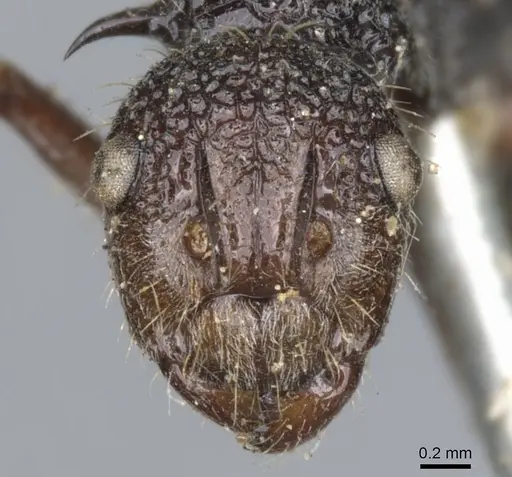
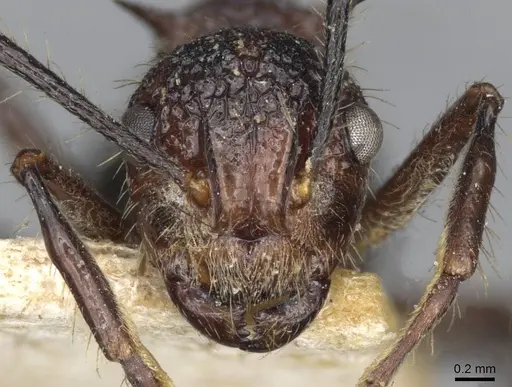
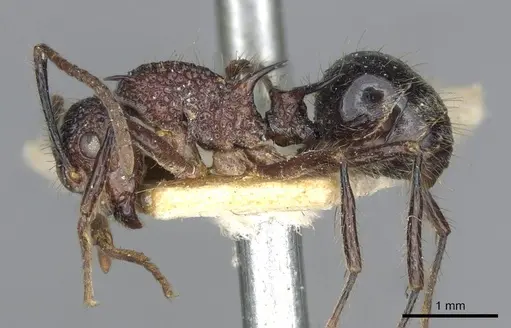
Polyrhachis rufipes is a small to medium-sized ant in the subgenus Myrmhopla, part of the furcata species group. Workers are approximately 4-5 mm, and they have hooked spines on the mesosoma typical of Polyrhachis. They are found in Southeast Asia, including Borneo, Indonesia, Laos, Malaysia, Myanmar, the Philippines, and southern China . This species has a unique commensal relationship with Gnamptogenys menadensis, where P. rufipes workers follow the host's trails to access sugar sources and use aggressive antennal boxing to force submission .
Quick Summary
- Difficulty: Medium
- Origin & Habitat: Tropical rainforests of Southeast Asia, including Borneo, Indonesia, Laos, Malaysia, Myanmar, the Philippines, and southern China [1][4][5][6][7][8][9][10]. They are lignicolous, nesting in rotting wood and using silk to construct nests [11][12].
- Colony Type: Colony structure is unconfirmed in scientific literature. No specific data on queen number or social structure for this species.
- Size & Growth:
- Queen: size data unavailable, no total length measurements in context
- Worker: approximately 4-5 mm, inferred from Polyrhachis genus patterns [1]
- Colony: size data unavailable, no colony size data in context
- Growth: Moderate, inferred from genus patterns
- Development: estimated 6-8 weeks at tropical temperatures, inferred from related Polyrhachis species (Development time may vary with temperature, cocoons are present, which can extend development)
- Antkeeping:
- Temperature: keep warm, roughly 24-28°C, inferred from tropical habitat [11]
- Humidity: keep nest substrate consistently moist but not waterlogged, based on lignicolous nesting habits [11][12]
- Diapause: no, tropical species do not require hibernation, inferred from geographic range
- Nesting: lignicolous species that use silk for nests, recommend Y-tong or plaster nests with wood elements [11][12]
- Behavior: workers show commensal behavior with Stictoponera menadensis, following trails and using antennal boxing [3]. temperament is not highly aggressive toward keepers, but may be defensive at the nest. escape risk is moderate due to size, ensure tight-fitting lids.
- Common Issues: high humidity requirements can lead to mold if ventilation is poor, temperature stability is crucial for tropical species, wood-nesting preference may not suit simple test tube setups, slow colony growth may require patience
Housing and Nest Preferences
Polyrhachis rufipes is a lignicolous species that nests in rotting wood and uses silk to construct nests [11][12]. In captivity, use a Y-tong (AAC) nest or plaster formicarium with wood elements. The nest should have multiple connected chambers and hold moisture well. Avoid test tube setups, as these ants need solid walls for silk-lined chambers.
Feeding and Diet
In the wild, P. rufipes follows Stictoponera menadensis trails to access sugar sources [3]. In captivity, provide sugar water or honey constantly, and protein sources like fruit flies or small insects twice weekly. Remove uneaten prey to prevent mold.
Temperature and Humidity
Keep temperatures warm, around 24-28°C, with a gentle gradient [11]. Humidity should be maintained by keeping the nest substrate moist but not waterlogged, based on their lignicolous habits [11][12]. Good ventilation is essential to prevent mold.
Commensal Behavior
P. rufipes has a unique commensal relationship with Stictoponera menadensis, where workers follow host trails and use antennal boxing to access food [3]. This behavior can be observed in captivity with sugar sources in the outworld.
Growth and Development
P. rufipes has cocooned pupae, which may extend development compared to naked-pupae species [11][12]. Based on related species, expect about 6-8 weeks from egg to first worker at tropical temperatures. Colony growth is moderate, requiring patience.
Frequently Asked Questions
Can I keep Polyrhachis rufipes in a test tube?
No, test tubes are not recommended. This species is lignicolous and needs nests with solid walls for silk construction [11][12]. Use a Y-tong or plaster nest instead.
What do Polyrhachis rufipes eat?
They accept sugar sources like honey and protein from small insects, matching their wild behavior of following Stictoponera menadensis trails [3].
How long does it take for Polyrhachis rufipes to produce first workers?
Estimated 6-8 weeks from egg to worker at tropical temperatures, inferred from related Polyrhachis species [11][12].
Do Polyrhachis rufipes need hibernation?
No, as a tropical species, they do not require hibernation and need stable warm temperatures year-round.
Are Polyrhachis rufipes good for beginners?
They are rated Medium difficulty due to specific humidity and nesting needs, but can be rewarding for those with tropical ant experience.
How big do Polyrhachis rufipes colonies get?
Colony size data is unavailable from current research.
What makes Polyrhachis rufipes special?
They have a unique commensal relationship with Stictoponera menadensis, the only known ectatommine-formicine commensalism [3].
When should I move Polyrhachis rufipes to a formicarium?
Move them when the colony is cramped, directly to a wood-based nest like Y-tong or plaster, pre-humidified to reduce stress.
Can I keep multiple queens together?
No data on this species, Polyrhachis species are typically monogyne, but combining queens is not recommended without evidence.
Report an Issue
The current care sheet is based fully on literature. See inconsistencies, or something that's incorrect? Please , it will be resolved after review from an admin. Contributing to the blogs tab also helps providing information, to make us be able to further improve the caresheets. Thank you for your support!
References

This caresheet is licensed under CC BY-SA 4.0 .
Community Blogs
CASENT0217795
View on AntWeb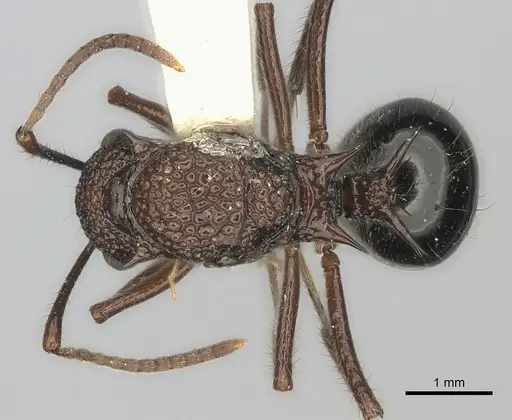
CASENT0281407
View on AntWeb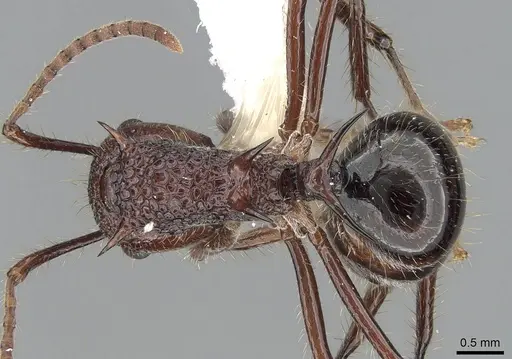
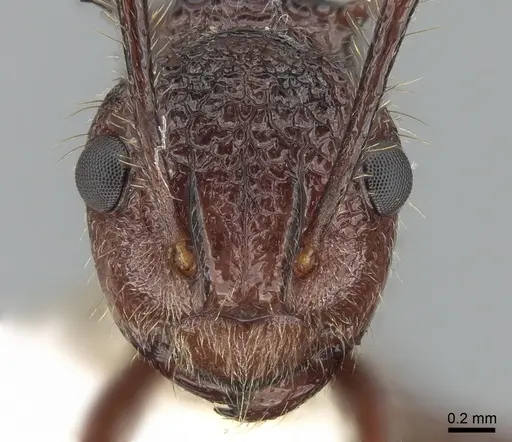
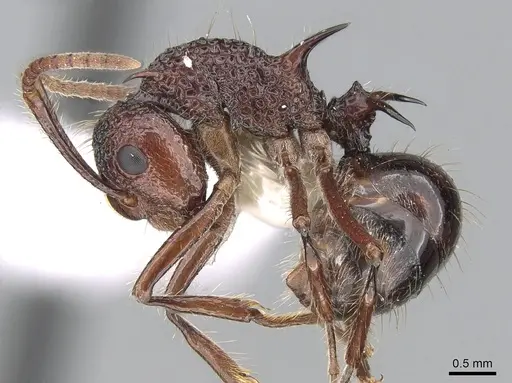
CASENT0901869
View on AntWeb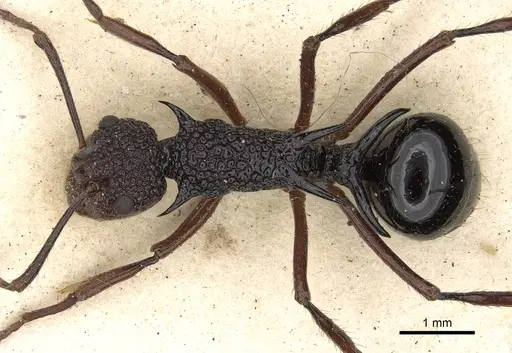
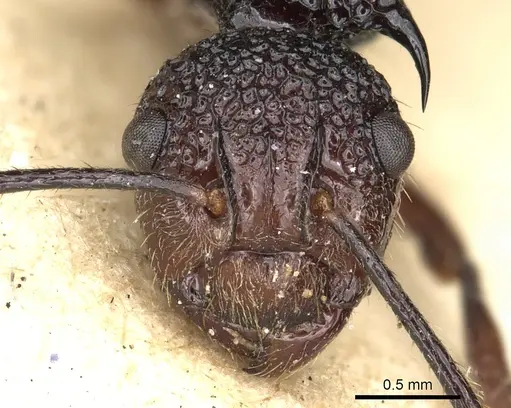
CASENT0903374
View on AntWeb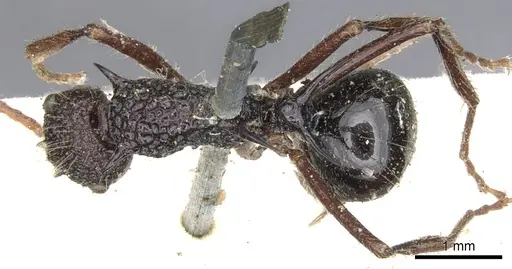
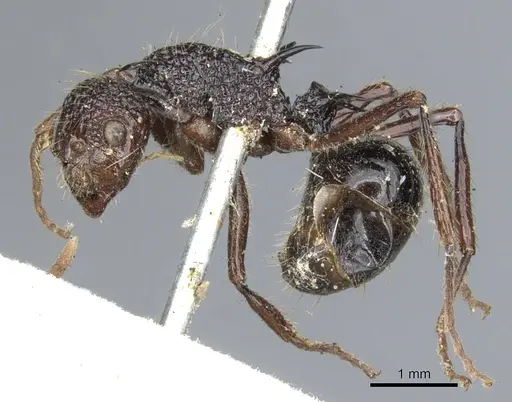
CASENT0903375
View on AntWeb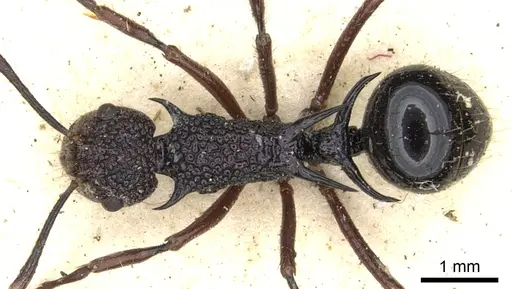
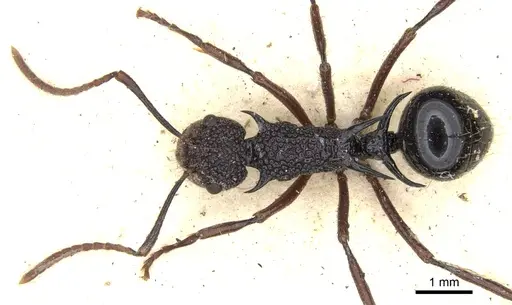
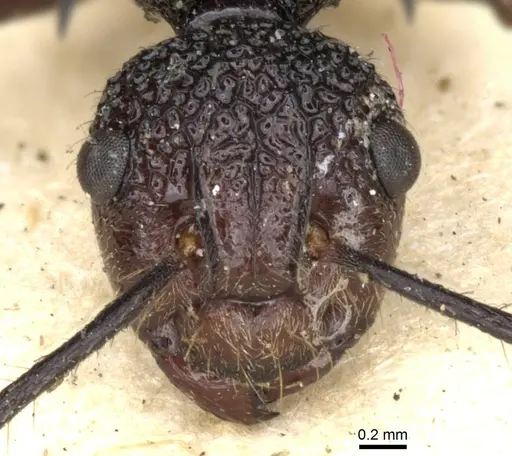
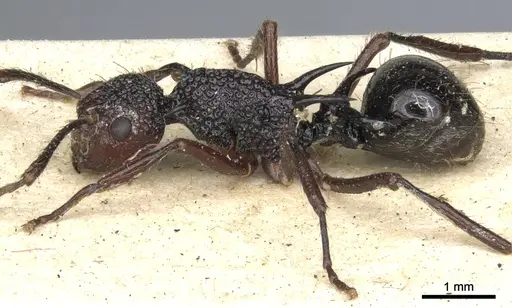
CASENT0910862
View on AntWeb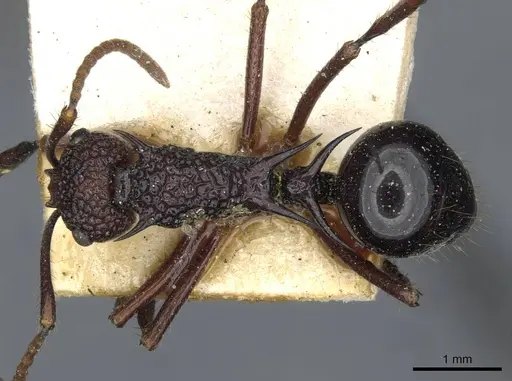
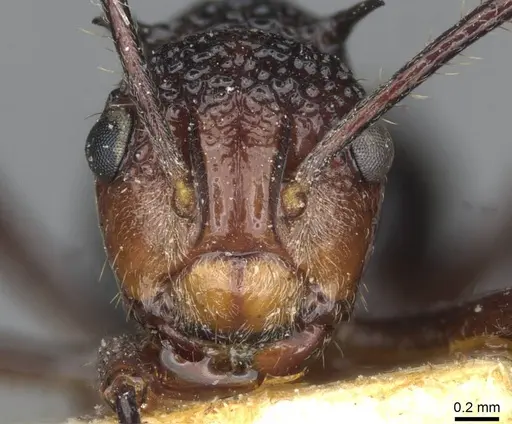
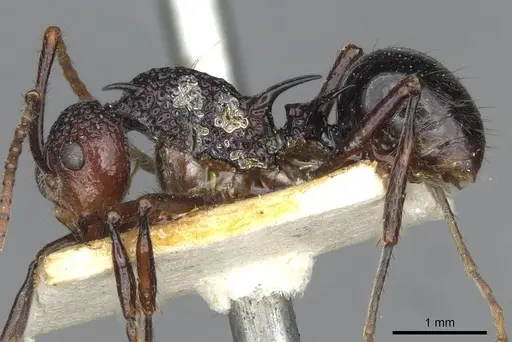
CASENT0910863
View on AntWeb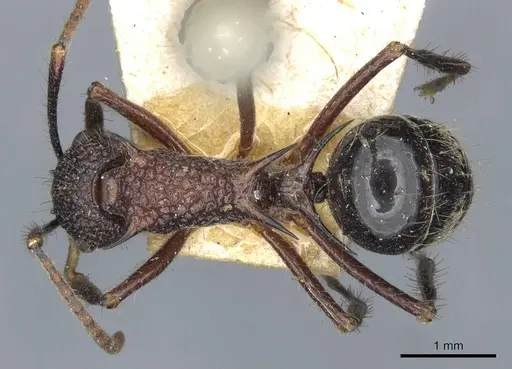
Literature
Loading distribution map...Loading products...