Polyrhachis rufifemur shows a January to December flight window. Peak activity occurs in January, with nuptial flights distributed across 4 months.
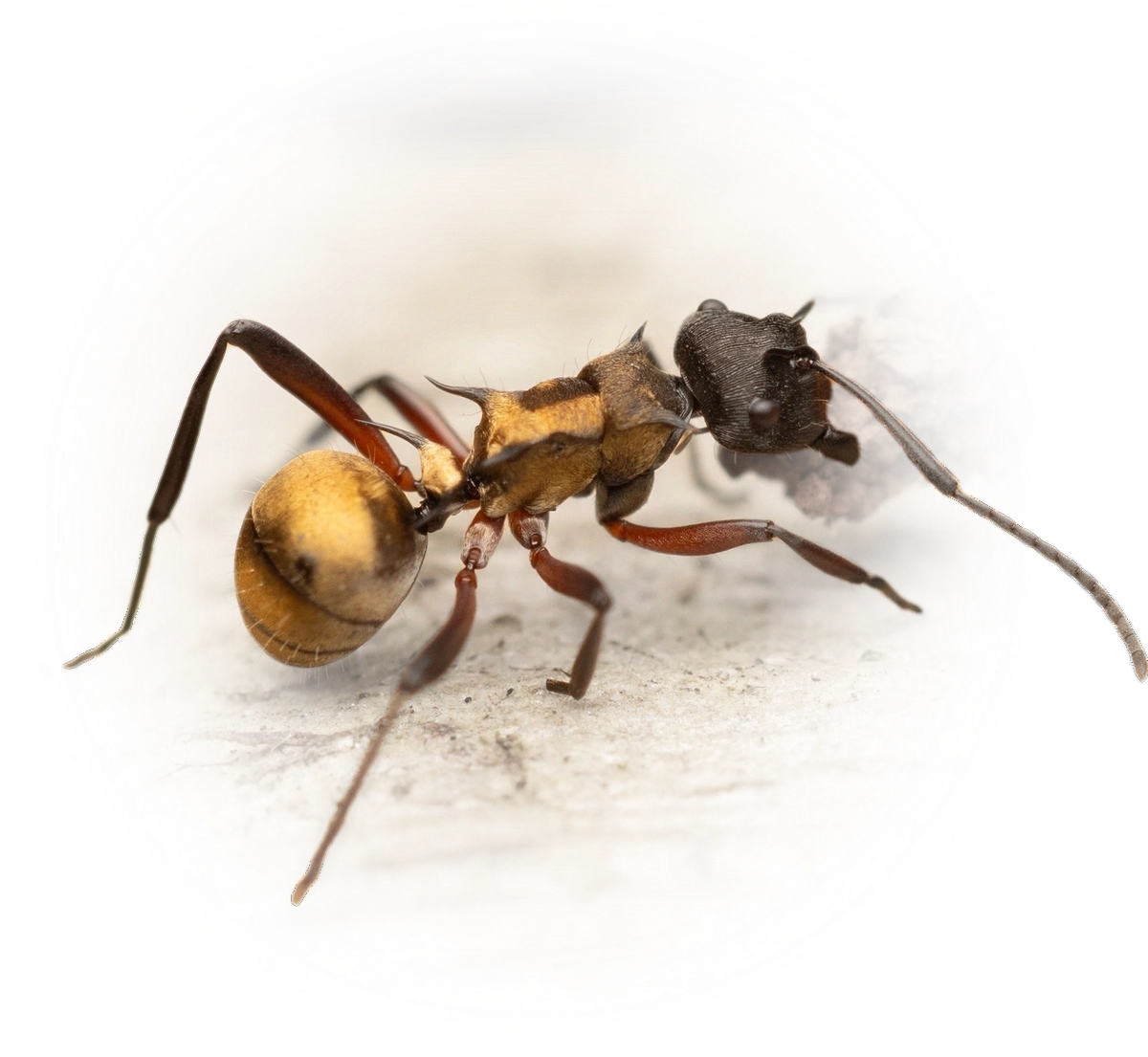
Polyrhachis rufifemur
- Sci. Name
- Polyrhachis rufifemur
- Subgenus
- Hedomyrma
- Tribe
- Camponotini
- Subfamily
- Formicinae
- Author
- Forel, 1907
- Distribution
- Found in 1 countries
- Nuptial Flight
- From January to December
- Peak flight Time
- 11:00
AI Identifiable
try →
Introduction
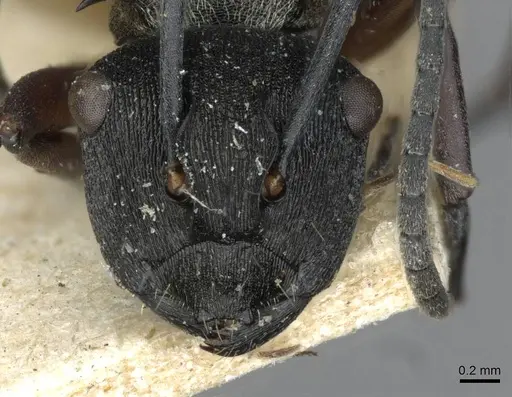
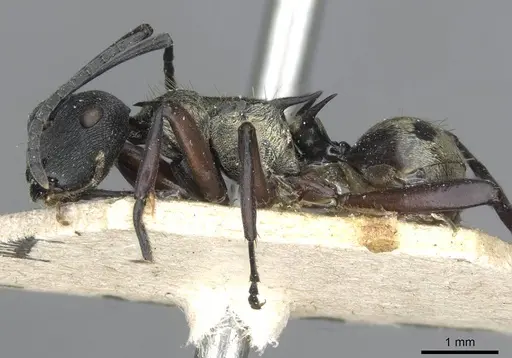
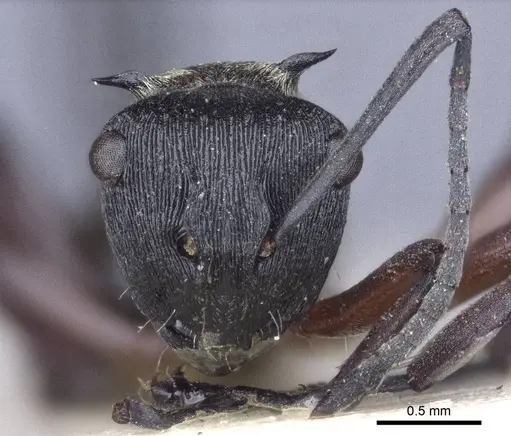
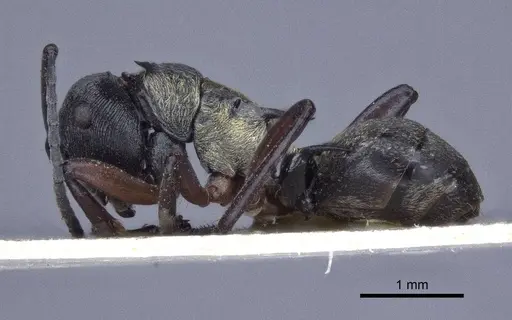
Polyrhachis rufifemur is a medium-sized ant species from the subgenus Hedomyrma. It is found across the Torresian biogeographic region, which covers northern Australia and New Guinea . Like other Polyrhachis, they have spines on the thorax, though the exact prominence varies. The name 'rufifemur' refers to the reddish color of their femurs (upper leg segments). They nest in rotting wood (lignicolous), not in soil . This makes them a bit different from many commonly kept ants. Also, their pupae have cocoons, which is an important detail for their development .
Quick Summary
- Difficulty: Medium
- Origin & Habitat: Torresian biogeographic region, northern Australia and New Guinea [1]. They live in humid tropical areas and nest in rotting wood (lignicolous) [2].
- Colony Type: Unconfirmed, colony structure has not been documented for this species.
- Size & Growth:
- Queen: size data unavailable, no published measurements for this species.
- Worker: size data unavailable, no published measurements for this species.
- Colony: unknown, no data available.
- Growth: unknown, growth rate has not been studied.
- Development: unknown, no published data. (Development has not been studied for this species. Observe your colony to estimate.)
- Antkeeping:
- Temperature: Keep at 24-28°C based on its tropical origin [1]. Use a heating cable on one side to create a gradient.
- Humidity: Moderate to high, inferred from tropical origin [1]. Keep the nest substrate moist but not waterlogged. Provide a water source.
- Diapause: No true diapause expected, based on tropical origin [1]. Reduce heating slightly in winter if activity drops, but no cold period needed.
- Nesting: Lignicolous, they require wood or wood-like nest substrates [2]. Y-tong (AAC), plaster with embedded wood, or natural rotting wood setups work best. Avoid completely dry conditions.
- Behavior: Generally calm and non-aggressive, they are Subordinate Camponotini [1]. When threatened, they bite and spray formic acid (typical for Camponotini). They are not stingers. Escape risk is moderate: they can climb smooth surfaces, so use standard barriers.
- Common Issues: inadequate humidity can cause desiccation, keep substrate moist., lack of wood-based nest may prevent colony establishment., temperatures below 24°C can stunt growth or kill the colony., limited research data makes troubleshooting difficult, observe your colony closely., wild-caught colonies may carry parasites or suffer from collection stress.
Nuptial Flight Activity Analysis 147 observations
Flight Activity by Hour 147 observations
Polyrhachis rufifemur nuptial flight activity peaks around 11:00 during the late morning to early afternoon. Activity is spread across a 10-hour window (07:00–16:00). A secondary activity peak occurs around 09:00. Times may be influenced by human observation patterns.
Nest Preferences and Housing
Polyrhachis rufifemur is lignicolous, meaning it naturally nests in rotting wood [2]. Standard test tube setups are not ideal, instead, provide a nest that includes wood or mimics it. Y-tong (AAC) blocks work well because they hold moisture and allow you to carve chambers. Plaster nests with embedded wood sections are another good option. A naturalistic setup with pieces of rotting wood placed in a moist substrate can also work. Keep the nest moderately humid but never waterlogged. Provide a small water source in the outworld and ensure good ventilation to prevent mold.
Feeding and Diet
The natural diet of Polyrhachis rufifemur has not been documented. In captivity, offer a general ant diet: provide sugar water or honey water constantly as a carbohydrate source, and protein 2-3 times per week (small insects like fruit flies, pinhead crickets, or mealworms). Remove uneaten prey after 24-48 hours to prevent mold. Observe your colony’s preferences, some ants are selective. This diet is based on related Camponotini, but specific requirements for this species remain unknown.
Temperature and Humidity Requirements
As a tropical species from the Torresian region [1], Polyrhachis rufifemur needs warm and moist conditions. Maintain the nest temperature around 24-28°C. Use a heating cable or mat on one side to create a gentle temperature gradient. Humidity should be moderate to high, keep the nest substrate consistently moist but not soaked. Provide a drinking water source in the outworld. Avoid placing the nest near air conditioning vents or in drafty areas, as sudden temperature drops can stress or kill the colony.
Colony Development and Growth
Polyrhachis rufifemur has pupal cocoons [2], which generally means a longer development time compared to species with naked pupae. However, exact development timelines have not been published for this species. Colony growth rate is unknown, it may be moderate, but there are no data to confirm. Be patient and avoid disturbing the colony during founding. Nanitic workers, if they appear, will be smaller than mature workers. The colony may grow to an unknown size, no estimates exist in the literature.
Behavior and Temperament
Polyrhachis rufifemur is classified as a Subordinate Camponotini, meaning it is generally calm and not aggressive [1]. They are not dominant ants and tend to avoid conflict. When defending themselves, they bite and spray formic acid, typical for Camponotini (they lack a functional sting). This poses little danger to keepers, but sensitive skin may get irritated. Workers are active foragers but not frantic. Escape risk is moderate: they can climb smooth surfaces, so use standard barriers like fluon or oil.
Frequently Asked Questions
What is the best nest type for Polyrhachis rufifemur?
They are lignicolous (wood-nesting), so Y-tong (AAC) nests or plaster nests with wood sections work best. Avoid standard test tubes as they prefer wood-based substrates [2].
How long does it take for Polyrhachis rufifemur to produce first workers?
Unknown, no published data exist. Development is likely moderate because they have cocooned pupae [2], but exact timelines are not known.
What do Polyrhachis rufifemur eat?
The natural diet is unstudied. In captivity, provide a general ant diet: sugar water or honey constantly, and small insects for protein 2-3 times per week. This is inferred from related species.
Do Polyrhachis rufifemur need hibernation?
No, as a tropical species from the Torresian region [1], they do not require hibernation. Keep them warm year-round.
Are Polyrhachis rufifemur good for beginners?
They are considered medium difficulty. The wood-nesting requirement and lack of published care data make them more suitable for keepers with some experience.
How big do Polyrhachis rufifemur colonies get?
Unknown, no data are available for this species. Colony size has not been documented in the literature.
What temperature should I keep Polyrhachis rufifemur at?
Keep them warm at 24-28°C, based on their tropical origin [1]. Use a heating cable on one side of the nest to maintain these conditions.
Can I keep multiple queens together?
Colony structure is unconfirmed for this species. Based on typical Polyrhachis patterns, single-queen colonies are most likely, but this has not been studied. It is not recommended to combine unrelated queens.
Why are my Polyrhachis rufifemur dying?
Common causes include: low temperature (below 24°C), insufficient humidity, or stress from frequent disturbance. Because specific research is lacking, careful observation is needed to identify the issue. Ensure proper warmth, moisture, and a wood-based nest.
When should I move Polyrhachis rufifemur to a formicarium?
Unknown, no specific data. In general, wait until the colony has at least 20-30 workers and is actively foraging. They do well in Y-tong or plaster nests from the start since these accommodate their wood-nesting preference.
Where is Polyrhachis rufifemur found in the wild?
Torresian biogeographic region, northern Australia and New Guinea [1]. They live in humid tropical areas and nest in rotting wood [2].
When is the nuptial flight of Polyrhachis rufifemur?
The nuptial flight of Polyrhachis rufifemur typically occurs From January to December.
What time of day does Polyrhachis rufifemur fly?
The nuptial flight of Polyrhachis rufifemur peaks around 11:00 during the late morning to early afternoon, with most activity between 07:00 and 16:00. Times may be influenced by human observation patterns.
Report an Issue
The current care sheet is based fully on literature. See inconsistencies, or something that's incorrect? Please , it will be resolved after review from an admin. Contributing to the blogs tab also helps providing information, to make us be able to further improve the caresheets. Thank you for your support!
References

This caresheet is licensed under CC BY-SA 4.0 .
Community Blogs
CASENT0281428
View on AntWeb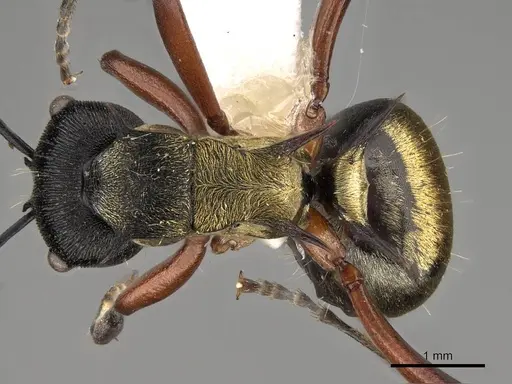
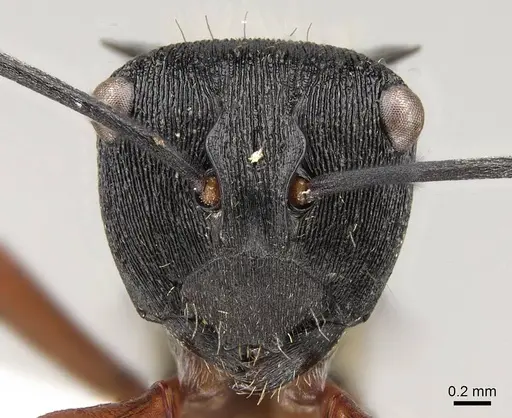
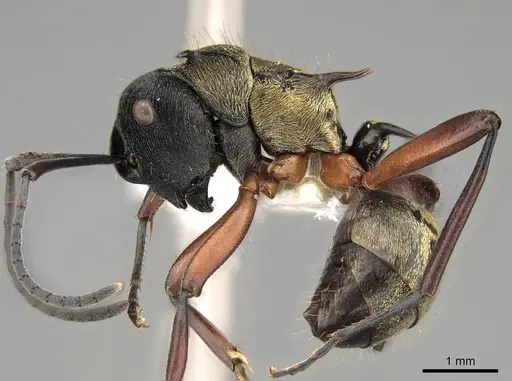
CASENT0906730
View on AntWeb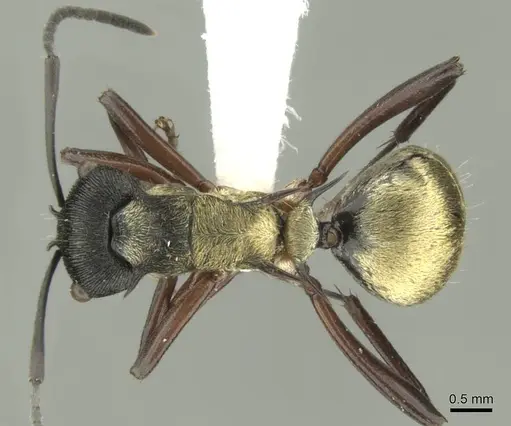
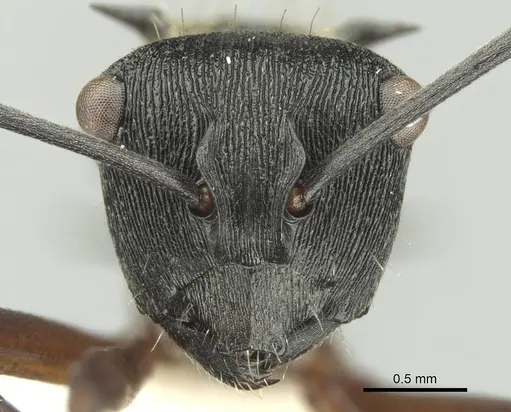
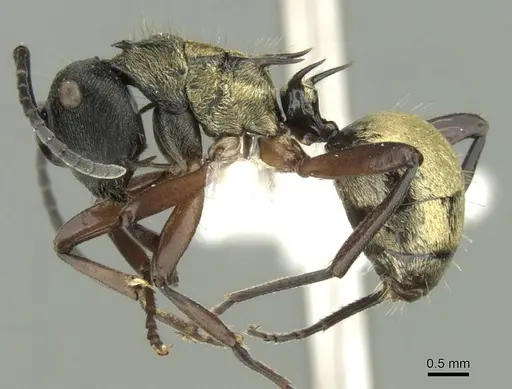
CASENT0910849
View on AntWeb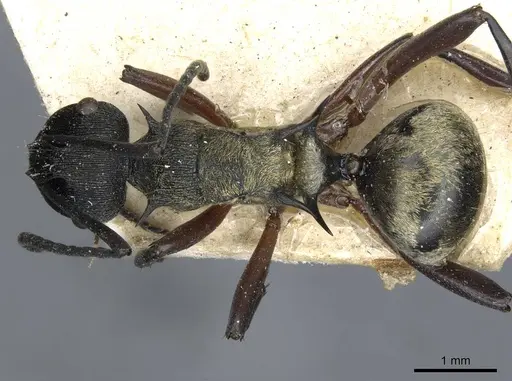
CASENT0916649
View on AntWeb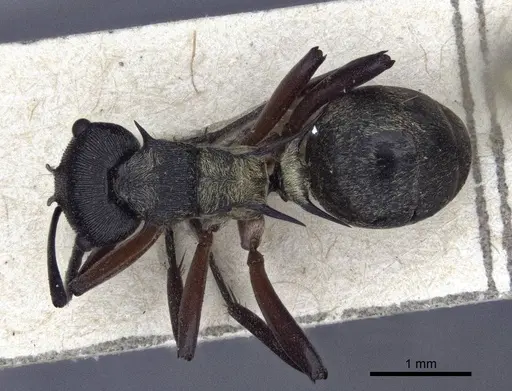
Literature
Loading distribution map...Loading products...