
Polyrhachis rowlandi
- Sci. Name
- Polyrhachis rowlandi
- Subgenus
- Chariomyrma
- Tribe
- Camponotini
- Subfamily
- Formicinae
- Author
- Forel, 1910
- Distribution
- Found in 1 countries
Introduction
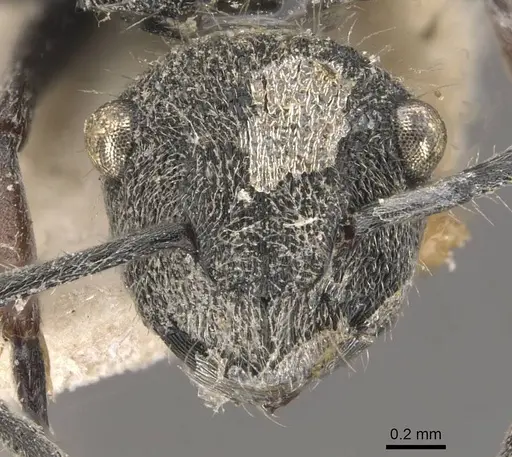
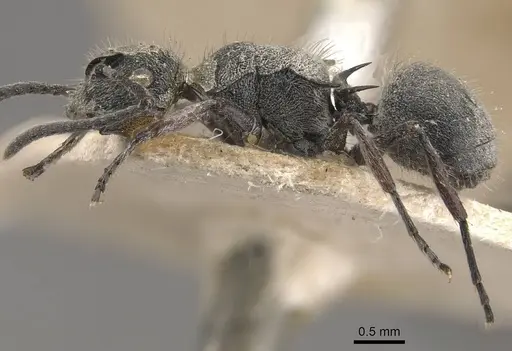
Polyrhachis rowlandi is an Australian ant species in the Formicinae subfamily. Workers have spines on the thorax and are found across Australia in various habitats . Current research does not provide body size measurements. This species has a specialized diet, relying mainly on flower nectar, extra-floral nectaries, and bird feces .
Quick Summary
- Difficulty: Easy
- Origin & Habitat: Australia, in various habitats including forests and urban areas [1]
- Colony Type: Based on Polyrhachis patterns, likely single-queen colonies, but unconfirmed from current research.
- Size & Growth:
- Queen: Size data unavailable
- Worker: Size data unavailable
- Colony: Up to several hundred workers (inferred)
- Growth: Moderate
- Development: 6-10 weeks (inferred from Formicinae patterns) (Development time may vary with temperature.)
- Antkeeping:
- Temperature: Keep warm, roughly 24-28°C, based on typical Australian species patterns.
- Humidity: Moderate humidity, allow nest substrate to dry partially between waterings.
- Diapause: Mild winter slowdown may occur, not required, but reduce activity if colony shows reduced activity.
- Nesting: Prefers soil and rotting wood, use Y-tong or plaster nests with a moisture gradient.
- Behavior: Docile species, good climbers, so escape prevention is important. Workers are active foragers but not aggressive.
- Common Issues: escape prevention is important, they are good climbers and will find gaps in lids., overfeeding can lead to mold in the nest, remove uneaten food promptly., too-cold conditions will slow or stop brood development, keep warm., wild-caught colonies may have parasites, quarantine and observe new colonies., nectar-focused diet means protein is still needed for larvae, don't rely on sugar alone.
Housing and Nest Setup
Polyrhachis rowlandi does well in standard formicarium setups. A Y-tong (AAC) nest provides dark chambers they prefer. Plaster nests work too, keep one section moist for humidity while allowing another area to dry slightly. Since they are semi-arboreal, add climbing structures in the outworld like twigs. Test tube setups work for founding colonies, use a water reservoir with a cotton plug. Once the colony reaches 20+ workers, move to a proper formicarium. Always use escape prevention, these ants are excellent climbers.
Feeding and Diet
This species feeds primarily on flower nectar, extra-floral nectaries, and bird feces [2]. Offer sugar water (1:3 ratio with water) constantly and honey occasionally. They still need protein for brood development, provide small insects like fruit flies or mealworm pieces once or twice weekly. Remove uneaten protein within 24 hours to prevent mold.
Temperature and Heating
As an Australian species, Polyrhachis rowlandi prefers warm conditions. Keep the nest area at roughly 24-28°C for optimal brood development. A heating cable on top of the nest can create a gentle warmth. During summer, room temperature may suffice, in winter, allow a mild cooldown if the colony shows reduced activity. Avoid temperatures below 15°C for extended periods.
Colony Development
A claustral queen may seal herself in a founding chamber until first workers emerge, typically 4-6 weeks at warm temperatures. The first workers are smaller, but the colony produces larger workers as it grows. Mature colonies develop over 1-2 years from a single queen, growing at a moderate pace.
Behavior and Temperament
Polyrhachis rowlandi is docile and rarely aggressive toward keepers. Workers are curious foragers but not predatory. They communicate through chemical trails and are excellent climbers, often walking upside down. Escape prevention is critical, apply Fluon to rim surfaces and check lid seals.
Frequently Asked Questions
How long does it take for Polyrhachis rowlandi to produce first workers?
Expect first workers 4-6 weeks after egg laying, provided temperatures are warm (24-28°C). Cooler temperatures slow development.
What do Polyrhachis rowlandi ants eat?
They are nectar-focused, offer sugar water constantly and honey occasionally. They also need protein for brood development, so provide small insects twice weekly [2].
Can I keep multiple Polyrhachis rowlandi queens together?
This is likely a single-queen species, so multiple queens may fight. Only keep one queen per colony.
Do Polyrhachis rowlandi need hibernation?
Full hibernation is not required, but a mild winter rest period at cooler temperatures may be beneficial if the colony shows reduced activity.
How big do Polyrhachis rowlandi colonies get?
Mature colonies can reach up to several hundred workers, growing moderately over 1-2 years.
Are Polyrhachis rowlandi good for beginners?
Yes, they are easy to care for, docile, and accept a wide variety of foods. Their nectar-based diet is straightforward to provide.
When should I move my colony to a formicarium?
Move from a test tube setup once the colony reaches 20-30 workers and becomes crowded. A Y-tong or plaster nest works well.
Why are my Polyrhachis rowlandi dying?
Common causes include temperatures below 20°C, mold from overfeeding, or escapes due to poor barrier maintenance. Check these factors first.
Do Polyrhachis rowlandi need a heat source?
Yes, Australian species benefit from supplemental heat to maintain 24-28°C. A heating cable or warm spot in your home can help.
Report an Issue
The current care sheet is based fully on literature. See inconsistencies, or something that's incorrect? Please , it will be resolved after review from an admin. Contributing to the blogs tab also helps providing information, to make us be able to further improve the caresheets. Thank you for your support!
References

This caresheet is licensed under CC BY-SA 4.0 .
Community Blogs
CASENT0910831
View on AntWeb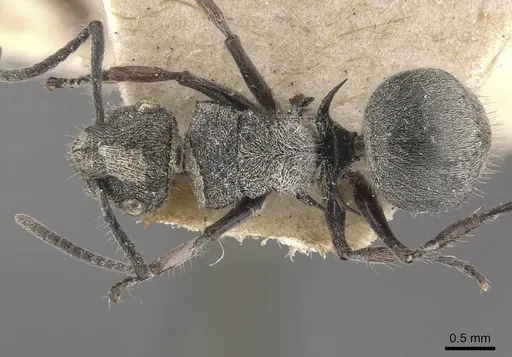
Literature
Loading distribution map...Loading products...