
Polyrhachis rixosa
- Sci. Name
- Polyrhachis rixosa
- Subgenus
- Myrma
- Tribe
- Camponotini
- Subfamily
- Formicinae
- Author
- Smith, 1858
- Distribution
- Found in 2 countries
Introduction
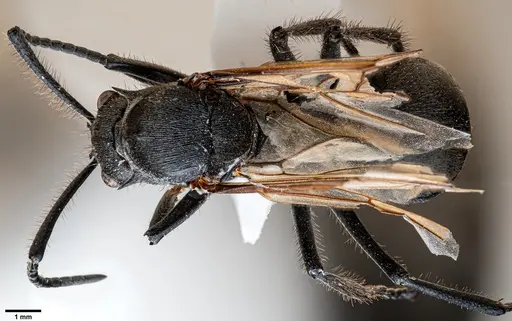
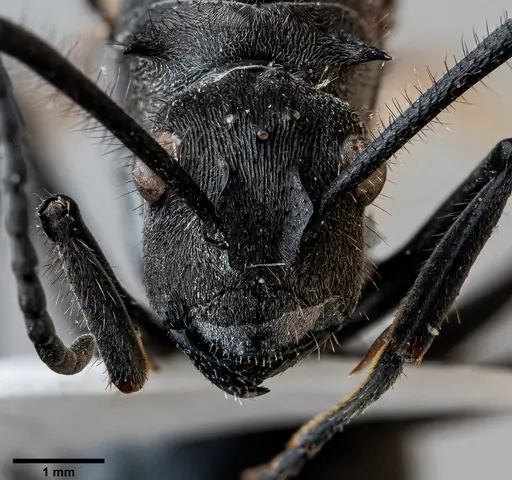
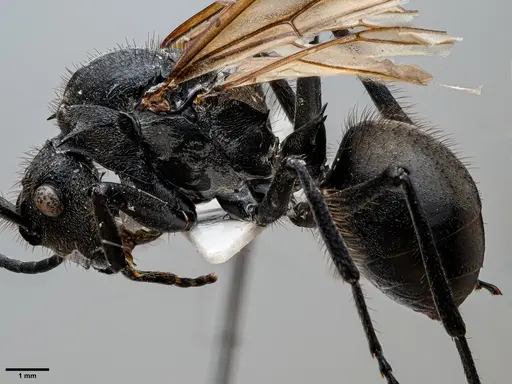
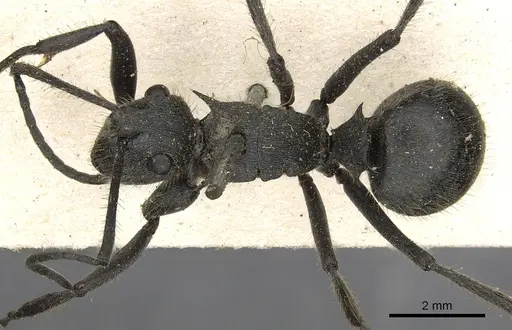
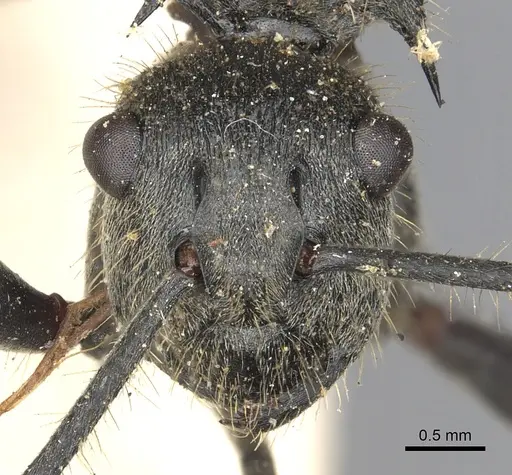
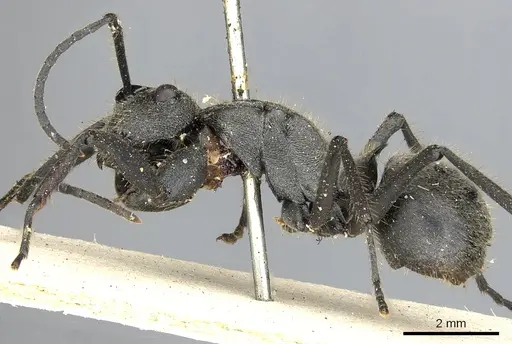
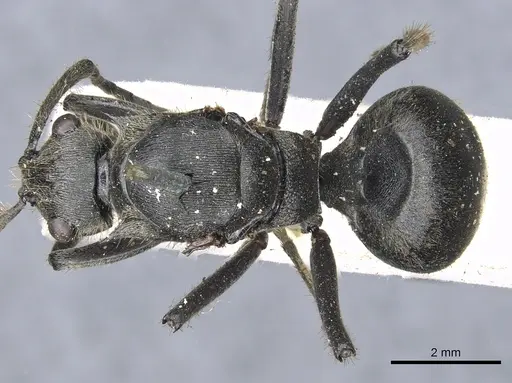
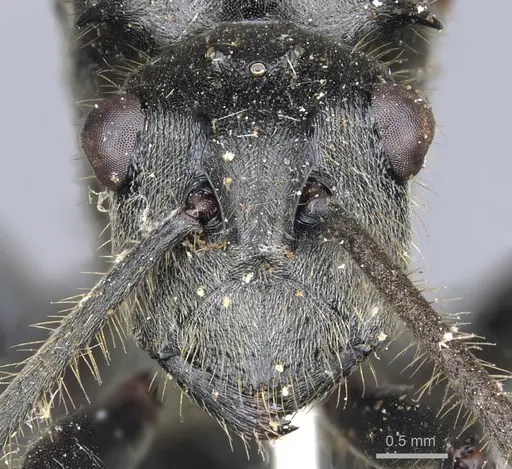
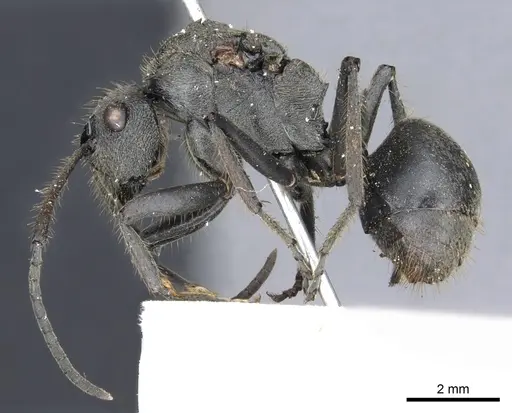
Polyrhachis rixosa is a medium-sized ant from the Formicinae subfamily, part of the Myrma subgenus and the relucens species-group . Workers and queens have spines on the mesosoma, typical of Polyrhachis ants. Originally described from Sulawesi in 1858 by Frederick Smith . Inhabits lowland forests in Southeast Asia at 100-600 meters elevation . As Formicinae, they lack a stinger and defend by spraying formic acid. This species is part of the relucens-group, known for arboreal habits and distinctive spine patterns .
Quick Summary
- Difficulty: Medium
- Origin & Habitat: Native to Southeast Asia including Borneo, Indonesia, Malaysia, Philippines, Sulawesi, and Thailand. Inhabits lowland forest habitats at 100-600m elevation [3].
- Colony Type: Colony structure is unconfirmed. No specific data on queen number or social structure.
- Size & Growth:
- Antkeeping:
- Temperature: Keep warm, roughly 24-28°C, as inferred from tropical habitat.
- Humidity: Keep nest substrate consistently moist but not waterlogged, as they inhabit forest environments [3].
- Diapause: No, tropical species do not require hibernation.
- Nesting: Based on Polyrhachis patterns, they may nest in elevated locations like branches or bark. Use Y-tong or naturalistic setups with climbing structures.
- Behavior: Generally calm and non-aggressive. Defense by spraying formic acid, a mild irritant. Escape risk is moderate due to climbing ability.
- Common Issues: inadequate heating can kill tropical colonies, poor humidity control can lead to dehydration, escape prevention is crucial due to climbing ability, wild-caught colonies may carry pathogens
Housing and Nest Setup
Polyrhachis rixosa is semi-arboreal and prefers elevated nesting sites. In captivity, use a Y-tong nest, cork bark setup, or naturalistic formicarium with climbing structures. Position the nest higher than the foraging area to reflect natural habits. Ensure good ventilation while maintaining humidity [3].
Temperature and Heating
As a tropical species, keep temperatures at 24-28°C year-round. Use supplemental heating if room temperature drops below this range. Avoid temperatures below 20°C for extended periods.
Feeding and Diet
Omnivorous with preference for protein. Offer small insects like fruit flies or crickets, and sugar sources like honey water. Feed every 2-3 days, removing uneaten prey to prevent mold.
Colony Founding
Founding behavior is unconfirmed. No specific data on queen founding methods.
Behavior and Defense
Generally calm. Defense by spraying formic acid, a mild irritant typical of Formicinae. Active foragers that climb vertical surfaces.
Seasonal Care
No hibernation required. Maintain consistent temperatures and monitor humidity, especially in dry winter air.
Frequently Asked Questions
Can I keep Polyrhachis rixosa in a test tube?
Test tubes are not ideal for this semi-arboreal species. Use a Y-tong nest or naturalistic setup with climbing structures.
What do Polyrhachis rixosa eat?
They are omnivorous, eating small insects and sugar sources like honey water.
How long does it take for the first workers to emerge?
Unknown, no specific data available for this species.
Do Polyrhachis rixosa need hibernation?
No. As a tropical species, they do not require hibernation.
Are Polyrhachis rixosa good for beginners?
Rated medium difficulty due to specific warmth and nesting needs.
How big do Polyrhachis rixosa colonies get?
Colony size is unconfirmed for this species.
Can I keep multiple queens together?
No data on polygyne behavior. House queens separately to avoid conflict.
When should I move them to a formicarium?
Move once the colony has several workers and the founding setup is crowded. Choose an arboreal-style nest.
Why are my Polyrhachis rixosa dying?
Common causes include cold temperatures, low humidity, poor ventilation, or escapes. Check for parasites in wild-caught colonies.
Report an Issue
The current care sheet is based fully on literature. See inconsistencies, or something that's incorrect? Please , it will be resolved after review from an admin. Contributing to the blogs tab also helps providing information, to make us be able to further improve the caresheets. Thank you for your support!
References

This caresheet is licensed under CC BY-SA 4.0 .
Community Blogs
Literature
Loading distribution map...Loading products...