
Polyrhachis relucens
- Sci. Name
- Polyrhachis relucens
- Subgenus
- Myrma
- Tribe
- Camponotini
- Subfamily
- Formicinae
- Author
- Latreille, 1802
- Distribution
- Found in 2 countries
Introduction
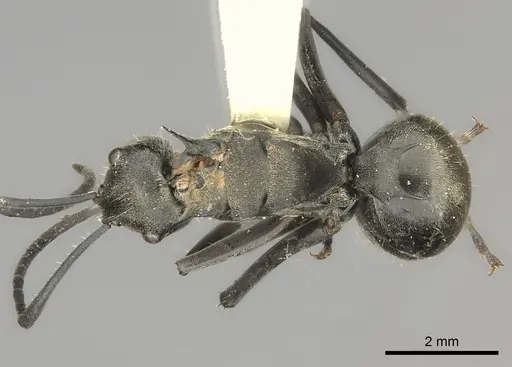
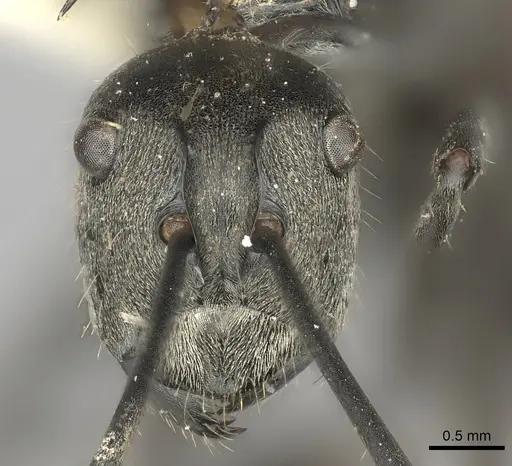
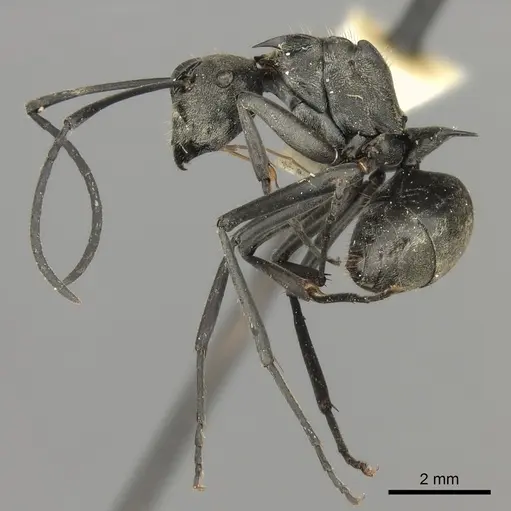
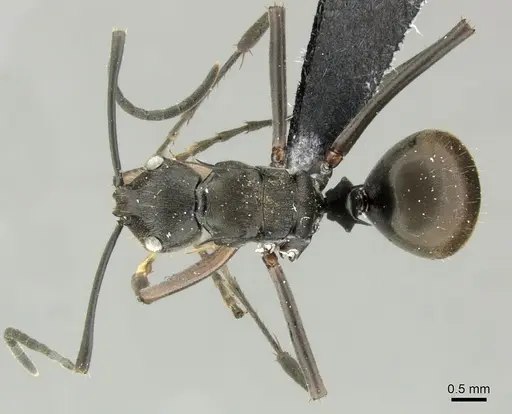
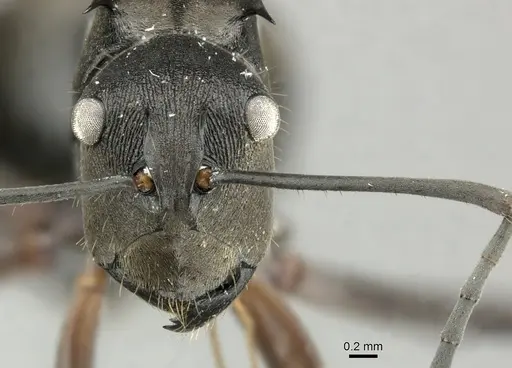
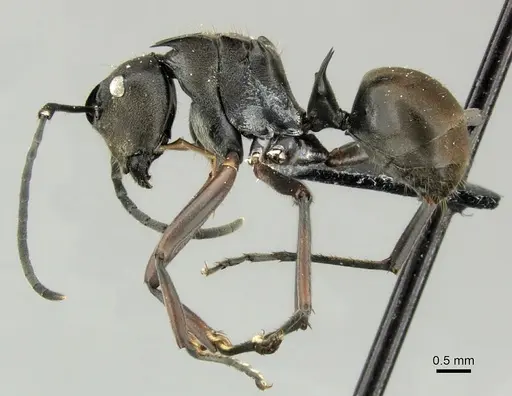
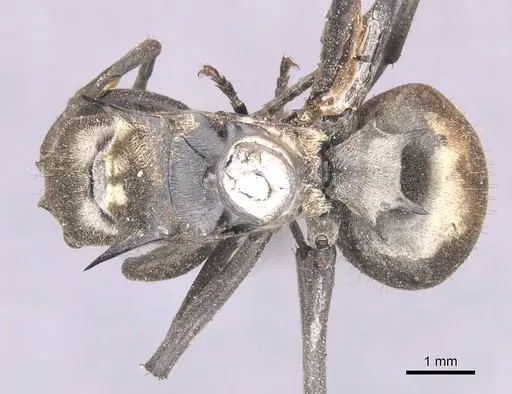
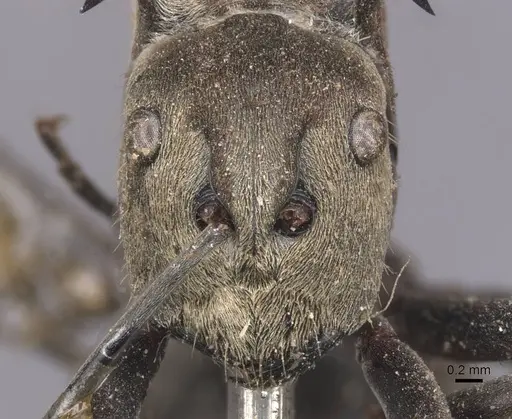
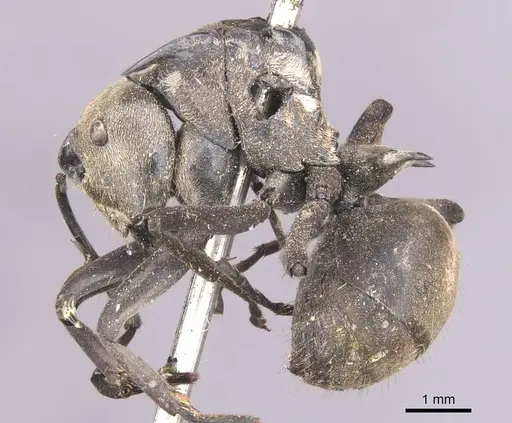
Polyrhachis relucens is a medium-sized ant species belonging to the subgenus Myrma, found in Southeast Asia and the Indo-Malayan region, including Indonesia, Borneo, Java, and India . Workers have a dark body with often golden or copper-colored pubescence, giving a metallic appearance. Size data is unavailable from current research, but based on genus patterns, they are typically medium-sized. They nest in rotting wood and terrestrial locations, using silk and carton material for nest construction . This species is part of the relucens-group and is widely distributed across tropical forests. Their nesting behavior involving silk/carton is unusual among Formicinae ants, as most do not spin cocoons for pupae .
Quick Summary
- Difficulty: Medium
- Origin & Habitat: Southeast Asia and Indo-Malayan region, including Indonesia, Borneo, Java, and India [1][2][3]. They nest in rotting wood and terrestrial locations in tropical forests [4].
- Colony Type: Colony structure is unconfirmed from current research. Based on genus patterns, likely monogyne (single queen), but not documented for this species.
- Size & Growth:
- Queen: Size data unavailable, but estimated ~10-12 mm based on Polyrhachis genus patterns.
- Worker: Size data unavailable, but estimated ~6-9 mm based on genus patterns.
- Colony: Maximum colony size unknown, but typical for genus may reach up to several hundred workers.
- Growth: Moderate, inferred from related species.
- Development: Estimated 6-8 weeks at tropical temperatures, inferred from related Polyrhachis species. (Development time may vary with temperature and conditions.)
- Antkeeping:
- Temperature: Temperature needs are unclear, start around 24-28°C and observe, as they are tropical species [1][2].
- Humidity: Keep nest substrate consistently moist but not waterlogged, inferred from tropical forest habitat [4].
- Diapause: No, tropical species do not require hibernation, inferred from range [1][2].
- Nesting: Prefer lignicolous and terrestrial nests with silk/carton material [4]. Use Y-tong, plaster, or soil nests with moist substrate.
- Behavior: Generally calm and not aggressive. Workers are active foragers on ground and climbing surfaces. Moderate escape risk, use standard barriers like Fluon. Inferred from genus patterns.
- Common Issues: tropical temperature requirements mean cold drafts can stress colonies, wood-nesting preference requires appropriate nesting materials beyond test tubes, moderate growth rate means colonies take time to establish, patience is needed, humidity needs are higher than typical dry-nesting ants, monitor substrate moisture, cocoon-spinning means pupae are more visible and may be mistaken for pests
Nest Preferences and Housing
Polyrhachis relucens is a lignicolous and terrestrial species, nesting in rotting wood, under bark, or in soil cavities with silk and carton material [4]. In captivity, provide a naturalistic setup with rotting wood pieces, cork, or a plaster nest with moist substrate. Y-tong nests work well, but avoid acrylic nests. Keep the nest substrate consistently moist but not waterlogged [4]. Test tubes are only suitable for founding colonies, move to a formicarium once workers emerge.
Feeding and Diet
Polyrhachis relucens is omnivorous, like other Formicinae. Offer sugar water, honey, or diluted syrup as a constant carbohydrate source. For protein, provide small insects like fruit flies or mealworms 2-3 times per week. Remove uneaten prey after 24-48 hours to prevent mold. This diet is inferred from general Formicinae patterns, as no specific research data is available.
Temperature and Seasonal Care
As a tropical species, keep temperatures warm and stable, roughly 24-28°C. A heating cable on one side of the nest can create a gradient. Avoid temperatures below 20°C for extended periods. No hibernation is needed, maintain consistent conditions year-round [1][2].
Behavior and Temperament
Workers are generally calm and not aggressive. They are active foragers, both on the ground and climbing. Use standard escape prevention like Fluon barriers, as they are moderate escape artists. Their hooked spines provide some defense, but they rarely sting. This behavior is inferred from genus patterns [4].
Colony Development and Growth
Colony growth is moderate. Founding behavior is unconfirmed, but queens likely seal themselves in a chamber. First workers may emerge in 6-8 weeks at optimal temperatures, inferred from related species. Colony size remains small initially, growing to several hundred workers over time. Patience is essential, as full development can take 1-2 years.
Frequently Asked Questions
Can I keep Polyrhachis relucens in a test tube?
Test tubes work for founding colonies but are not ideal long-term. This species prefers wood-nesting setups with rotting wood or plaster nests [4]. Move to a formicarium once the colony has 20-30 workers.
How long until Polyrhachis relucens produces first workers?
First workers may emerge approximately 6-8 weeks after queen lays eggs, at temperatures around 24-28°C. This is inferred from related Polyrhachis species, as no specific data is available.
What temperature do Polyrhachis relucens need?
Keep them at roughly 24-28°C, as they are tropical species [1][2]. Use a heating cable to create a gradient and avoid cold drafts.
Are Polyrhachis relucens good for beginners?
They are medium difficulty due to tropical temperature and humidity needs. If you can provide these, they are rewarding to keep.
Do Polyrhachis relucens need hibernation?
No, as a tropical species, they do not require hibernation. Maintain warm temperatures year-round [1][2].
What do Polyrhachis relucens eat?
They are omnivorous. Offer sugar water or honey for carbohydrates and small insects for protein,2-3 times per week.
How big do Polyrhachis relucens colonies get?
Colony size data is unavailable, but typical for the genus may reach up to several hundred workers.
Why do Polyrhachis relucens have cocoons?
Most Formicinae ants do not spin cocoons, but Polyrhachis species do, using silk to wrap pupae [4]. This is a genus characteristic.
Can I keep multiple queens together?
Colony structure is unconfirmed, but based on genus patterns, they are likely monogyne. Combining queens is not recommended without evidence.
Report an Issue
The current care sheet is based fully on literature. See inconsistencies, or something that's incorrect? Please , it will be resolved after review from an admin. Contributing to the blogs tab also helps providing information, to make us be able to further improve the caresheets. Thank you for your support!
References

This caresheet is licensed under CC BY-SA 4.0 .
Community Blogs
Literature
Loading distribution map...Loading products...