
Polyrhachis rastellata
- Sci. Name
- Polyrhachis rastellata
- Subgenus
- Cyrtomyrma
- Tribe
- Camponotini
- Subfamily
- Formicinae
- Author
- Latreille, 1802
- Distribution
- Found in 10 countries
Introduction
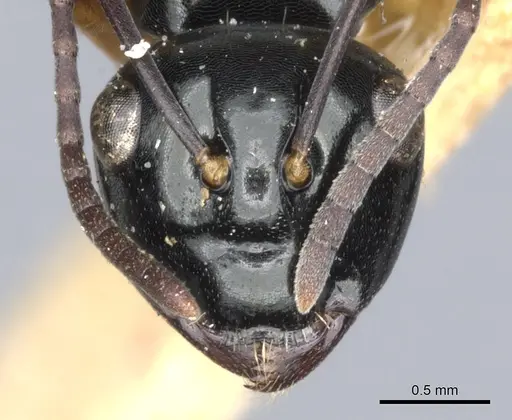
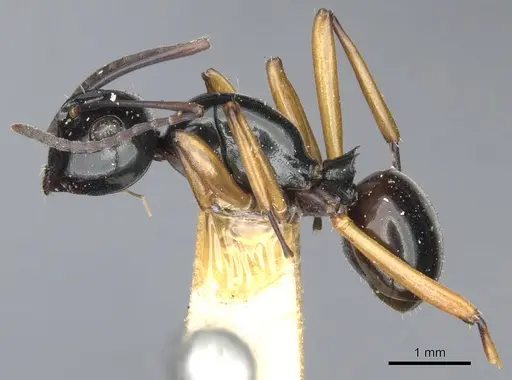
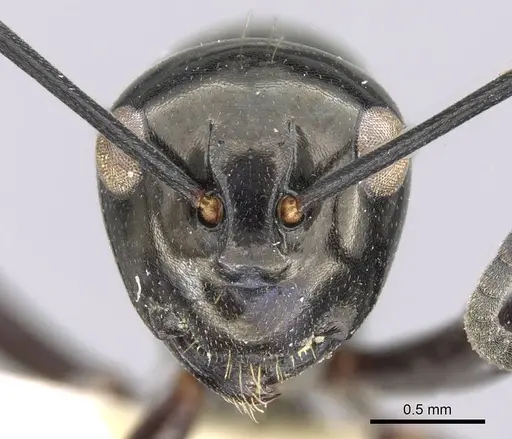
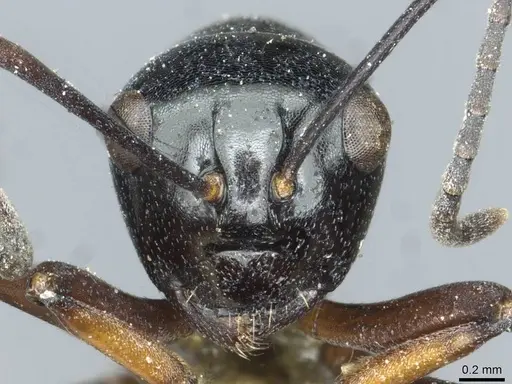
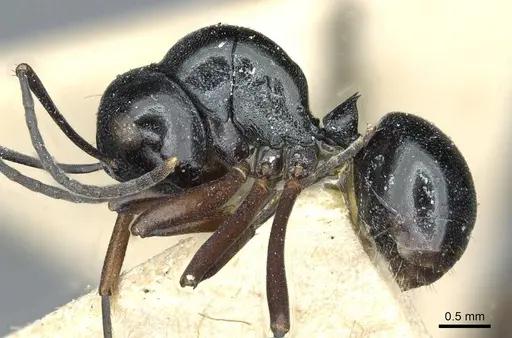
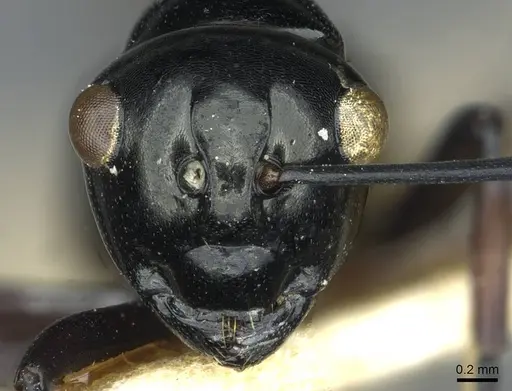
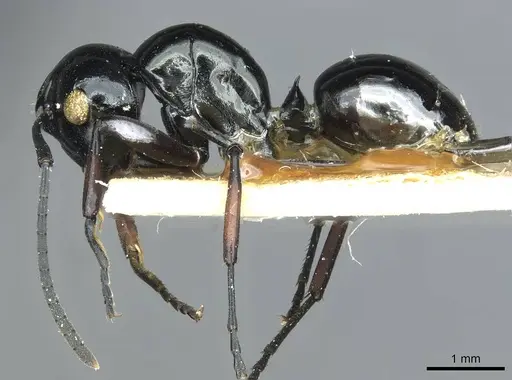
Polyrhachis rastellata is a medium-sized arboreal ant found across South and Southeast Asia, from India through Indonesia to northern Australia. Workers are 5-6.5 mm long with a glossy black body and red legs . They belong to the subgenus Cyrtomyrma, known for silk-weaving abilities . The taxonomy is confusing, with many historical records possibly representing different species . This species is Critically Endangered in Sri Lanka .
Quick Summary
- Difficulty: Medium
- Origin & Habitat: Found in tropical and subtropical forests, particularly mixed deciduous and wet evergreen forests, from India to Australia [6][7]. Nests arboreally in trees using larval silk [3].
- Colony Type: Colony structure is unconfirmed, but workers can lay eggs in the absence of a queen [8].
- Size & Growth:
- Queen: Size data unavailable, inferred from Polyrhachis genus patterns (~7-9 mm)
- Worker: 5-6.5 mm [1][2]
- Colony: Unknown
- Growth: Moderate, estimated from related species
- Development: Unknown, estimated 6-10 weeks at optimal temperature based on genus patterns (Development timeline unconfirmed for this specific species)
- Antkeeping:
- Temperature: Keep warm, roughly low-to-mid 20s°C, as a tropical species [9]
- Humidity: Keep nest substrate consistently moist but not waterlogged, based on arboreal nesting habits [3]
- Diapause: No, tropical species do not require hibernation [9]
- Nesting: Arboreal nests using larval silk, provide materials for weaving [3][8]
- Behavior: Docile and sluggish, rely on scent rather than vision, cluster when disturbed [8]. Escape risk is moderate due to size.
- Common Issues: humidity control is critical for silk structures to prevent degradation or mold, taxonomic confusion may lead to misidentification of wild-caught specimens, protected in Sri Lanka, illegal to collect queens or disturb colonies there, slow growth compared to faster species may frustrate beginners
Housing and Nest Setup
Polyrhachis rastellata requires arboreal-style housing. They naturally weave leaves with larval silk, so provide materials like twigs, leaves, or artificial structures for them to manipulate. Avoid standard test tubes, use acrylic nests or custom arboreal formicaria with open areas for silk construction. Maintain moderate humidity and good ventilation to prevent mold [3][8].
Feeding and Diet
They are omnivorous. Offer sugar water or honey constantly, and protein sources like fruit flies or small crickets 2-3 times per week. They learn to carry sugar grains to humid chambers [8]. Remove uneaten food promptly to avoid mold [10].
Temperature and Seasonal Care
As a tropical species, keep conditions warm, roughly low-to-mid 20s°C. No hibernation is needed, activity may slow in cooler months but no special care required [9].
Behavior and Colony Dynamics
This species is calm and sluggish, relying on scent trails. Workers cluster when disturbed and use larval silk for nest construction instead of forming cocoons [8].
Handling and Temperament
They are docile and rarely aggressive. When disturbed, they tend to cluster rather than attack [8].
Frequently Asked Questions
Can I keep Polyrhachis rastellata in a test tube?
No, test tubes are not recommended. They need open, arboreal housing to weave silk structures [3][8].
How long does it take for the first workers to appear?
The exact timeline is unknown, but estimated 6-10 weeks at optimal temperature based on genus patterns [9].
What do Polyrhachis rastellata eat?
They are omnivorous, offer sugar water and protein sources like fruit flies [8].
Are Polyrhachis rastellata good for beginners?
They are moderate difficulty due to arboreal needs and slow growth [9].
Do they need hibernation?
No, as a tropical species, they do not require hibernation [9].
Can I keep multiple queens together?
The natural colony structure is unconfirmed, so it is best to start with a single queen [9].
Why are my ants not building a proper nest?
Provide suitable materials like leaves or twigs for weaving, and maintain humidity [3][8].
How big do colonies get?
Colony size is unknown, but growth is moderate [9].
What makes Polyrhachis rastellata different from other ants?
They use larval silk for nest construction instead of forming cocoons, and have red legs on a black body [8][1].
Report an Issue
The current care sheet is based fully on literature. See inconsistencies, or something that's incorrect? Please , it will be resolved after review from an admin. Contributing to the blogs tab also helps providing information, to make us be able to further improve the caresheets. Thank you for your support!
References

This caresheet is licensed under CC BY-SA 4.0 .
Community Blogs
CASENT0903407
View on AntWeb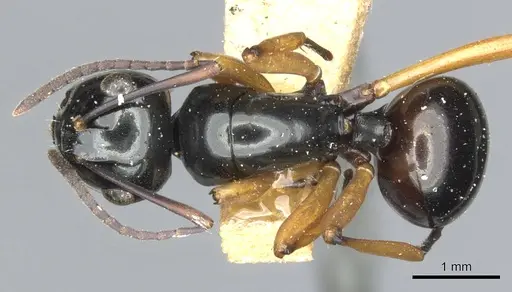
CASENT0906784
View on AntWeb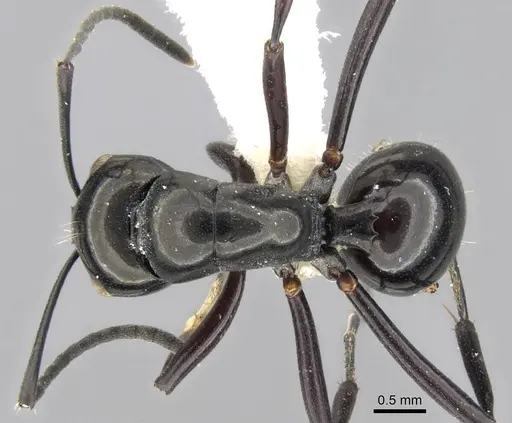
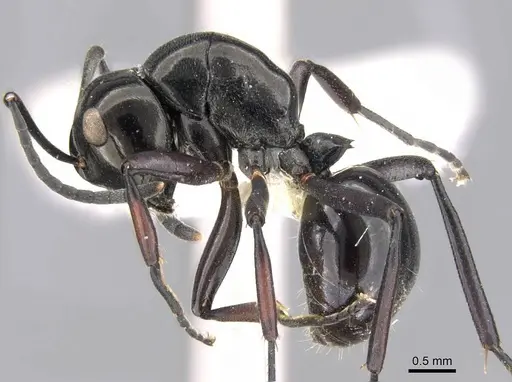
CASENT0912101
View on AntWeb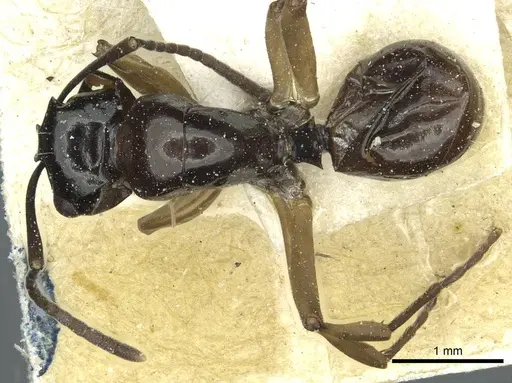
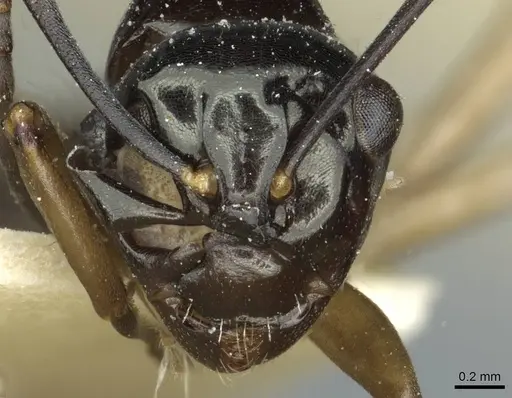
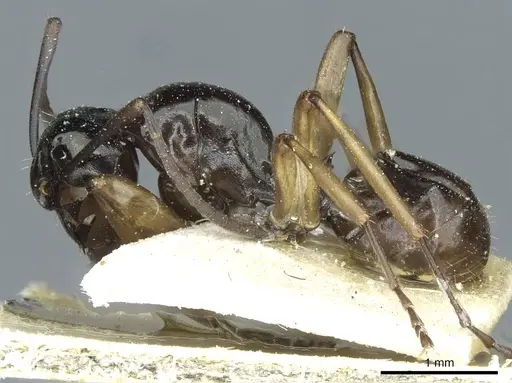
CASENT0912103
View on AntWeb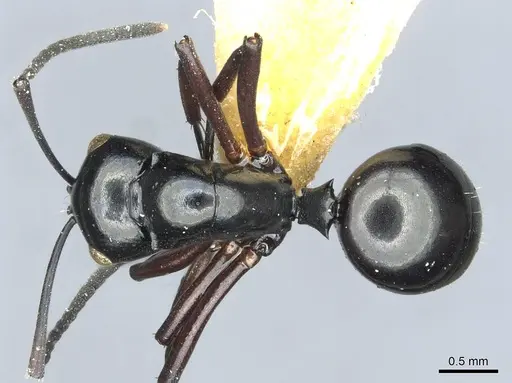
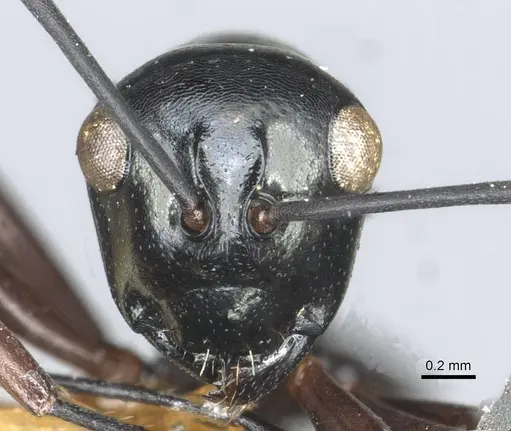
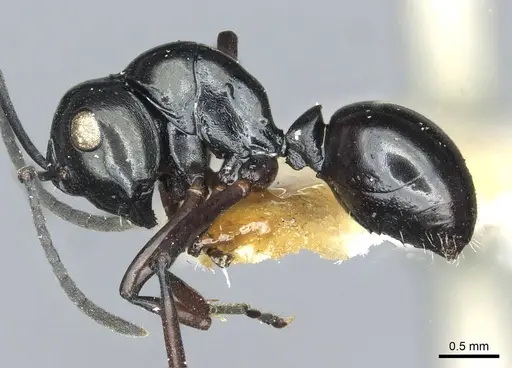
CASENT0912104
View on AntWeb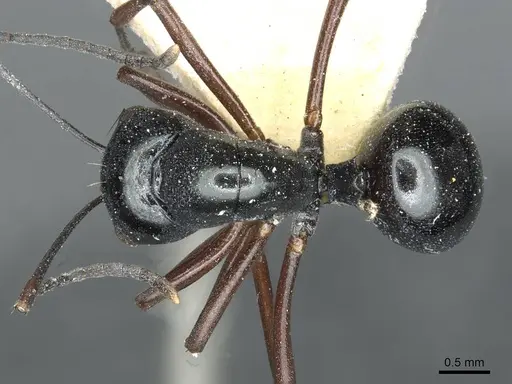
CASENT0912105
View on AntWeb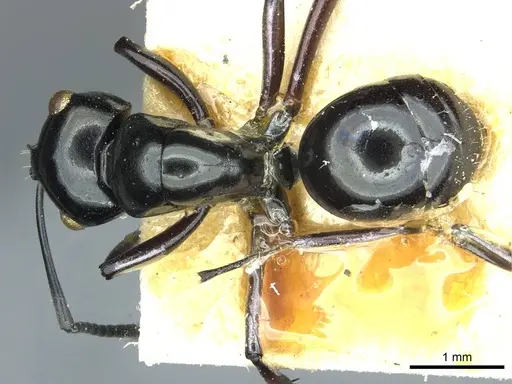
Literature
Loading distribution map...Loading products...