
Polyrhachis queenslandica
- Sci. Name
- Polyrhachis queenslandica
- Subgenus
- Myrmothrinax
- Tribe
- Camponotini
- Subfamily
- Formicinae
- Author
- Emery, 1895
- Distribution
- Found in 3 countries
Introduction
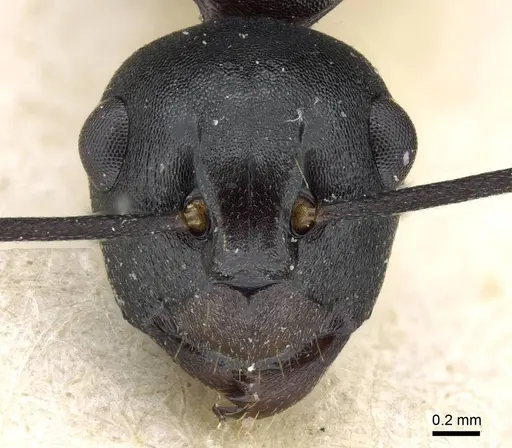
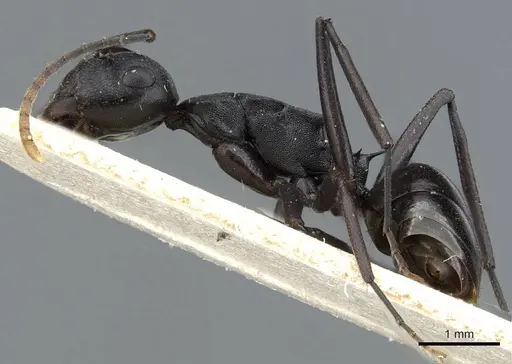
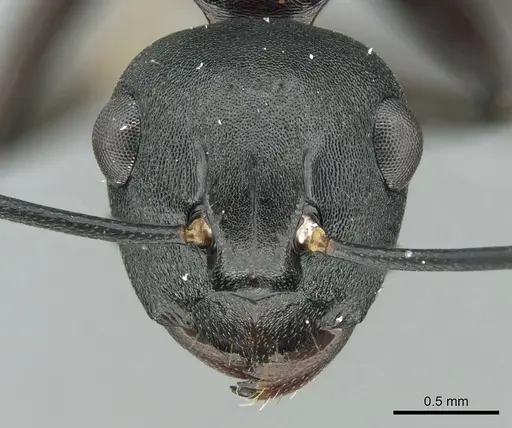
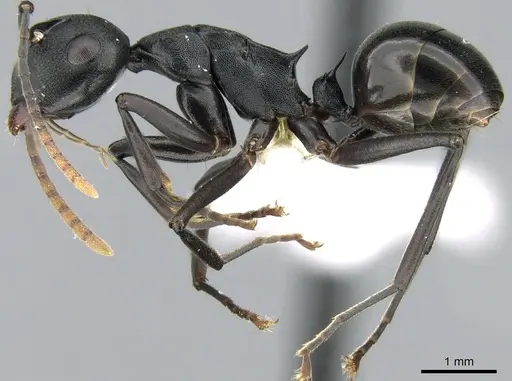
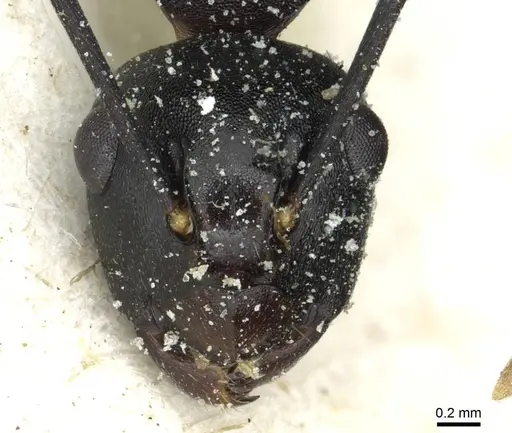
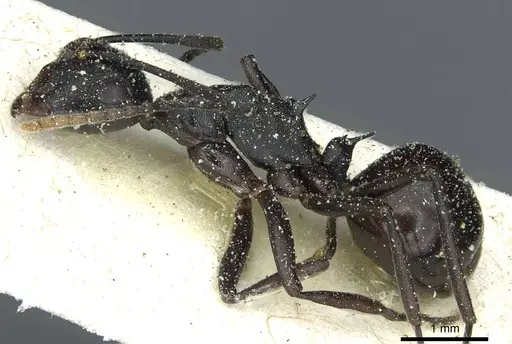
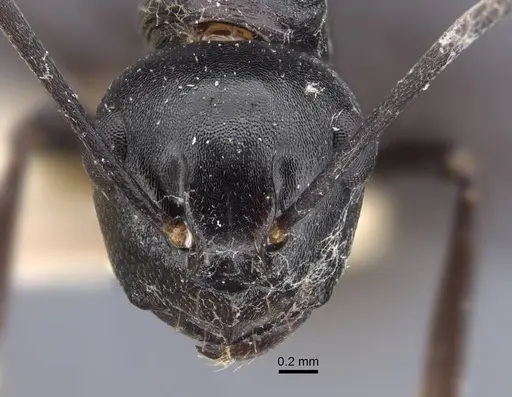
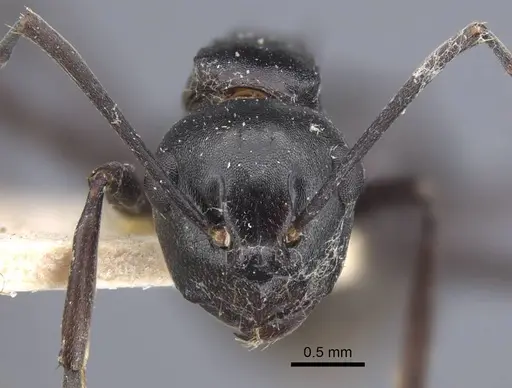
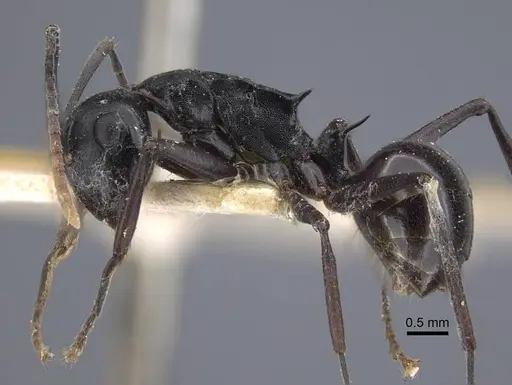
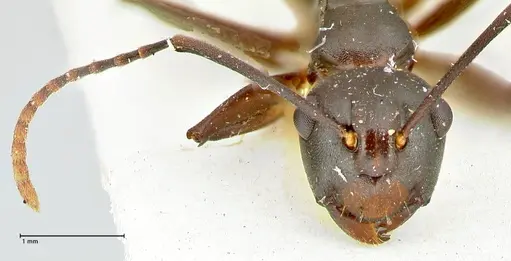
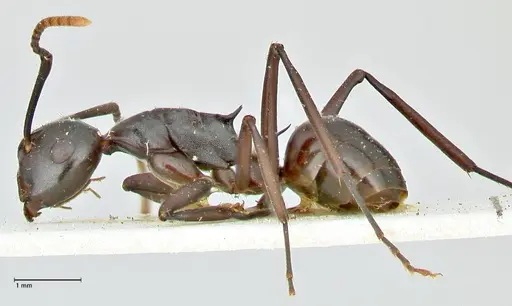
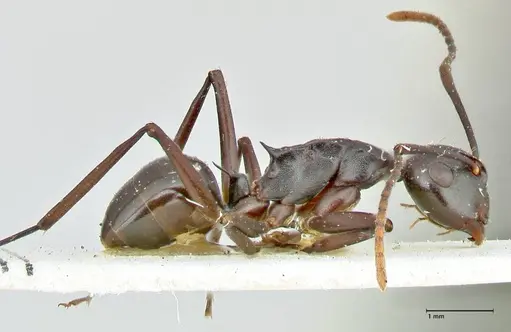
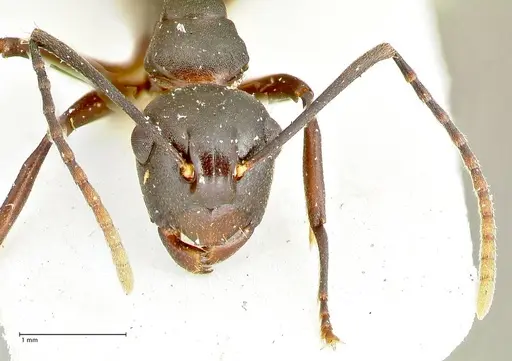
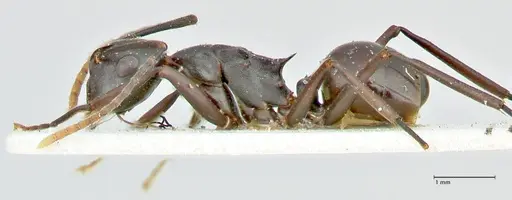
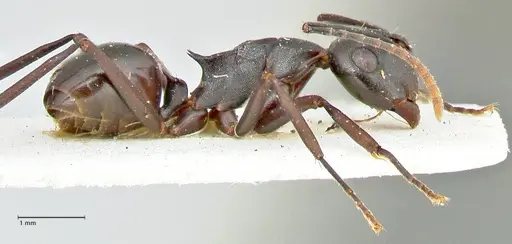
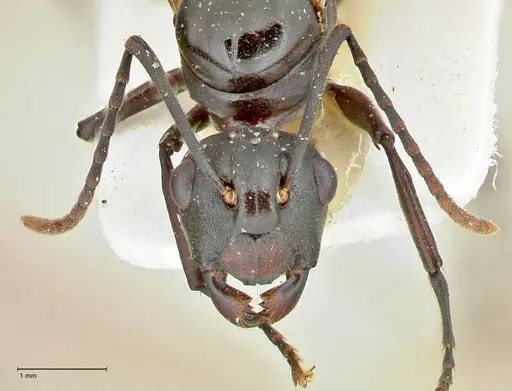
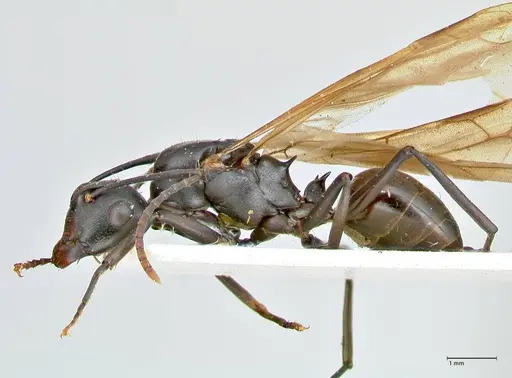
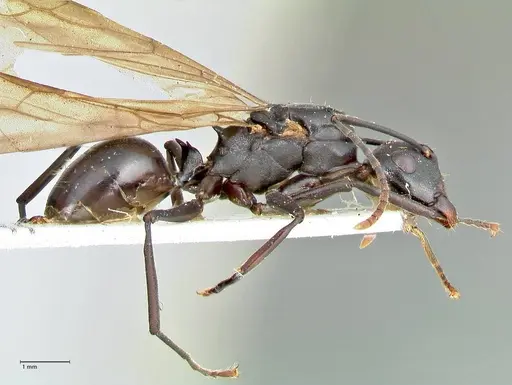
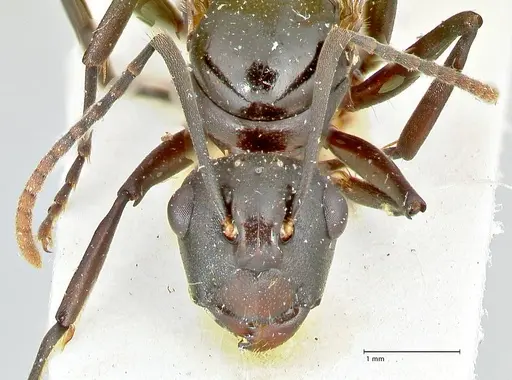
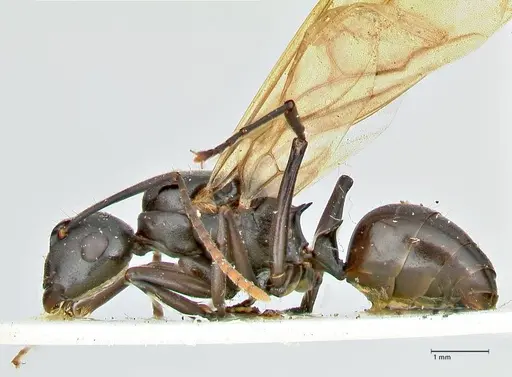
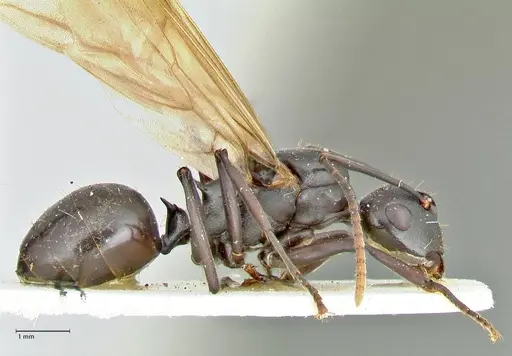
Polyrhachis queenslandica is an arboreal ant native to northern Queensland, Australia, and New Guinea . Workers are about 6-7 mm long, and queens are about 8-9 mm long, based on total length measurements . The species is mostly black or very dark reddish-brown, distinguishing it from Polyrhachis delicata, which has reddish markings . These ants weave silk nests by binding leaves together in the canopy, a behavior common in the subgenus Myrmothrinax .
Quick Summary
- Difficulty: Medium
- Origin & Habitat: Northern Queensland, Australia, and New Guinea. Found in lowland rainforest trees and shrubs where they build silk-woven nests among leaves [1][2].
- Colony Type: Colonies have multiple arboreal nests, but the number of queens per colony is unconfirmed [2].
- Size & Growth:
- Antkeeping:
- Temperature: Keep warm, roughly 24-28°C, based on tropical habitat.
- Humidity: Keep humidity high with moist substrate, but avoid waterlogging [1].
- Diapause: No, tropical species do not require hibernation.
- Nesting: Arboreal specialists need vertical space and climbing opportunities. Provide nests with branches or plants for silk weaving [2][1].
- Behavior: Workers are calm and arboreal, excellent climbers. Escape risk is moderate due to size and agility [1].
- Common Issues: high humidity maintenance, rainforest species prone to mold in poorly ventilated setups., arboreal nature means they need vertical space, horizontal-only nests lead to stress., silk-weaving behavior requires humidity to work, too dry prevents nest construction., tropical species cannot tolerate cool temperatures, keep above 24°C., wild-caught colonies may be stressed from canopy collection and need time to acclimate.
Nest Preferences and Housing
Polyrhachis queenslandica is an arboreal species that naturally nests in the canopy of rainforest trees, using silk to bind leaves together into protective chambers [2][1]. In captivity, they need vertical space and climbing opportunities to express their natural behaviors. A Y-tong (AAC) formicarium works well, but you should add branches, cork bark, or artificial plants to provide climbing structures. Some keepers successfully keep them in naturalistic setups with live tropical plants where the ants can build their silk nests among the leaves. The key is vertical space, they will not thrive in flat, horizontal-only nests. Provide multiple connected chambers at different heights to mimic their multi-nest colony structure [2].
Feeding and Diet
Like most Polyrhachis species, P. queenslandica is omnivorous with a diet based on honeydew from sap-sucking insects and small invertebrates. In captivity, offer a varied diet including sugar water or honey as a constant energy source. For protein, provide small insects like fruit flies, small crickets, or mealworms. They are active foragers and will readily take prey back to the nest. Feed protein 2-3 times per week and keep sugar water available at all times. Fresh water should always be accessible. Being a tropical species, they have moderate metabolic demands, avoid overfeeding which can lead to mold issues in their humid setup. [2]
Temperature and Seasonal Care
As a tropical species from Queensland and New Guinea, P. queenslandica requires warm temperatures year-round. Keep the nest area at roughly 24-28°C with a slight gradient if possible so workers can thermoregulate. A heating cable on one side of the nest can help maintain warmth, but avoid direct heat that could dry out the nest. They do not require hibernation or diapause, keeping them warm year-round is essential for colony health. Cool temperatures below 22°C can slow activity and may stress the colony. [1]
Humidity and Water
P. queenslandica comes from Queensland rainforest habitats and requires high humidity to thrive [1]. Maintain high humidity in the nest area by misting regularly and using a water reservoir in your formicarium. The humidity also supports their silk-weaving behavior, too dry and they cannot properly construct their characteristic leaf nests. However, balance humidity with adequate ventilation to prevent mold growth. Provide a water tube or cotton ball with fresh water in the outworld at all times.
Behavior and Colony Structure
This species forms colonies with multiple arboreal nests, but the number of queens per colony is unconfirmed [2]. Workers are medium-sized, dark-colored, and relatively calm compared to many aggressive ant species. They are excellent climbers and spend most of their time in the canopy layer. In captivity, they will explore vertical structures and appreciate opportunities to forage at different heights. Pupae are enclosed in cocoons, which is typical for the subgenus Myrmothrinax and adds to their development time [2].
Frequently Asked Questions
Can I keep Polyrhachis queenslandica in a test tube?
Test tubes are not ideal for this species. They are arboreal ants that need vertical space and climbing opportunities. A test tube can work for founding but you should move them to a formicarium with vertical chambers and climbing structures within a few months. A Y-tong nest with added branches works best.
What do Polyrhachis queenslandica ants eat?
They are omnivorous. Offer sugar water or honey constantly for energy, and protein sources like small insects (fruit flies, small crickets, mealworms) 2-3 times per week. They will also collect honeydew if you keep them near houseplants.
How long does it take for first workers to appear?
Unknown, estimated 8-12 weeks from egg to first worker at optimal temperature (24-28°C), based on typical tropical Polyrhachis development. This is slower than many ground-nesting species, partly because their pupae develop in cocoons.
Are Polyrhachis queenslandica good for beginners?
They are intermediate difficulty. The main challenges are maintaining high humidity and providing adequate vertical space. If you have experience with at least one other tropical species, they are manageable.
Do they need hibernation?
No, they are tropical ants from Queensland and do not require hibernation. Keep them warm year-round at roughly 24-28°C.
How big do colonies get?
Colony size is not well documented in the research. Based on related Polyrhachis species, colonies may grow to several hundred workers, but this is an estimate.
When should I move them to a formicarium?
Move from a founding test tube setup to a formicarium once the colony has several workers or the test tube becomes cramped. Provide vertical climbing structures from the start.
Can I keep multiple queens together?
The number of queens per colony is unconfirmed, but colonies have multiple arboreal nests. If multiple queens are present, they may coexist, but this is not documented for this species.
Why are my ants not building silk nests?
Low humidity is the most likely cause. They need high humidity to produce silk. Increase misting and ensure the nest substrate stays moist. They also need leaves or plant material to weave between.
Report an Issue
The current care sheet is based fully on literature. See inconsistencies, or something that's incorrect? Please , it will be resolved after review from an admin. Contributing to the blogs tab also helps providing information, to make us be able to further improve the caresheets. Thank you for your support!
References

This caresheet is licensed under CC BY-SA 4.0 .
Community Blogs
CASENT0905561
View on AntWeb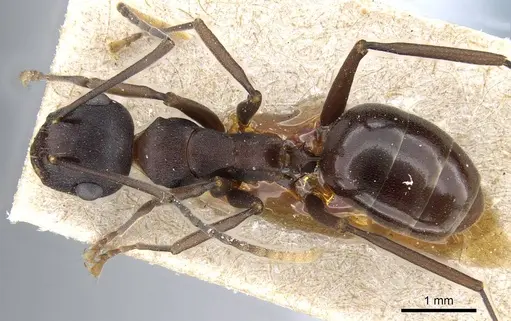
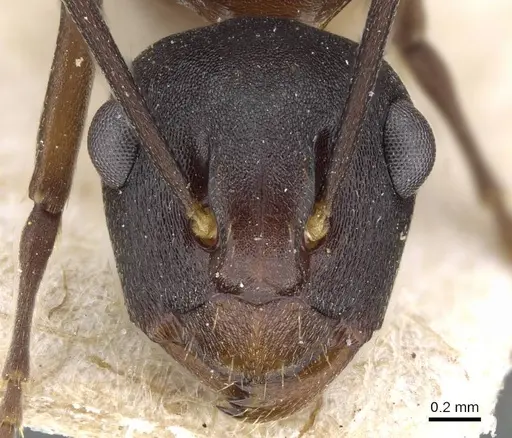
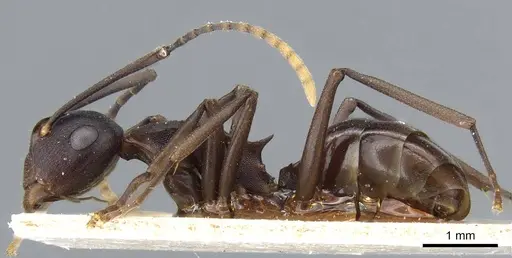
CASENT0905838
View on AntWeb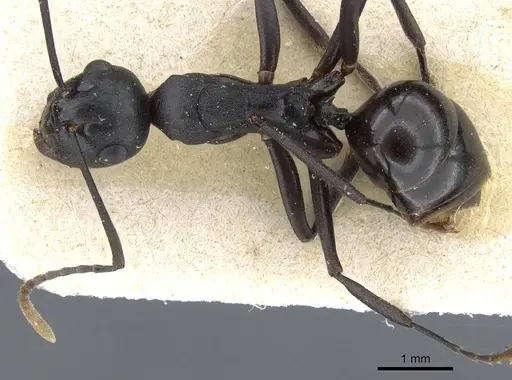
CASENT0906580
View on AntWeb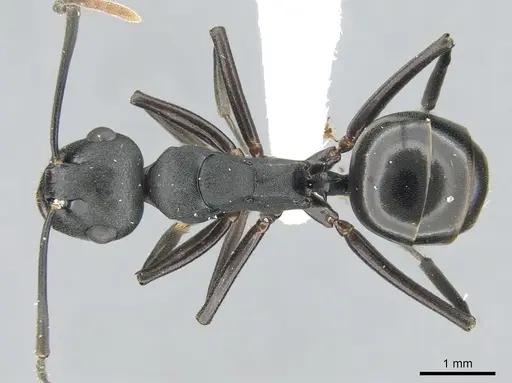
CASENT0912162
View on AntWeb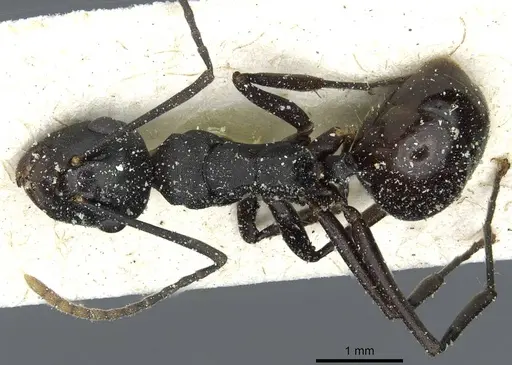
CASENT0917178
View on AntWeb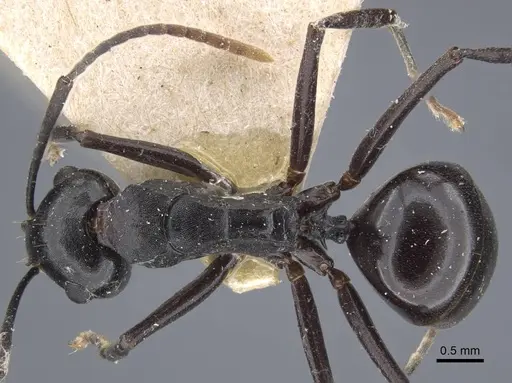
FOCOL2537
View on AntWeb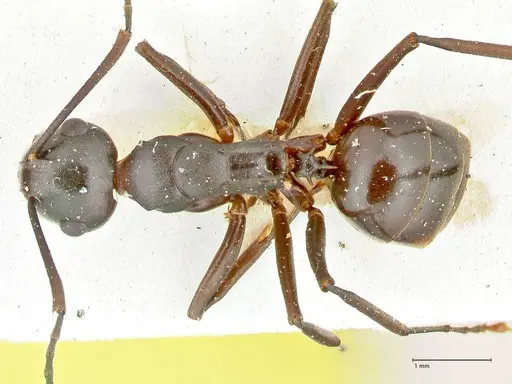
FOCOL2538
View on AntWeb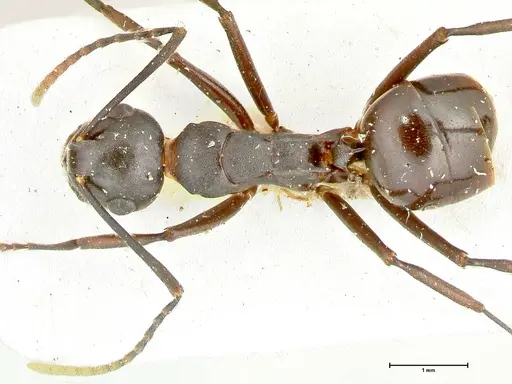
FOCOL2539
View on AntWeb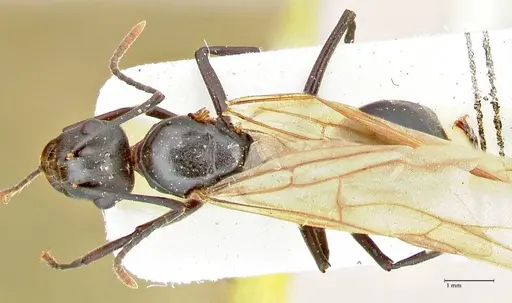
FOCOL2540
View on AntWeb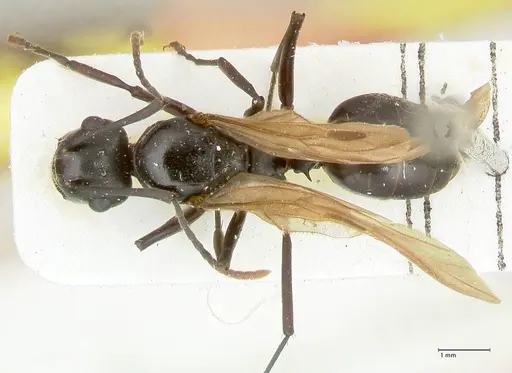
Literature
Loading distribution map...Loading products...