
Polyrhachis punctiventris
- Sci. Name
- Polyrhachis punctiventris
- Subgenus
- Chariomyrma
- Tribe
- Camponotini
- Subfamily
- Formicinae
- Author
- Mayr, 1876
- Distribution
- Found in 1 countries
Introduction
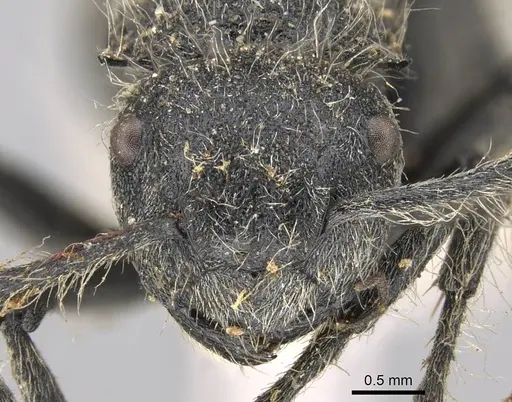
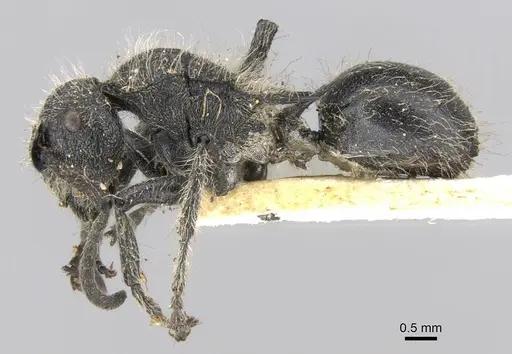
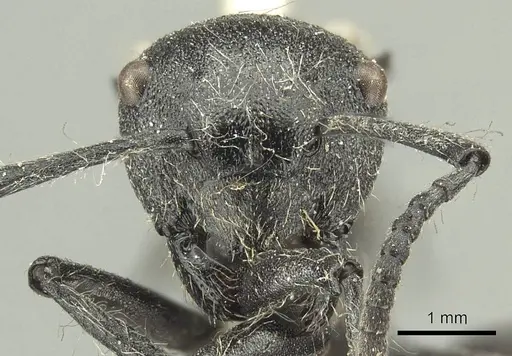
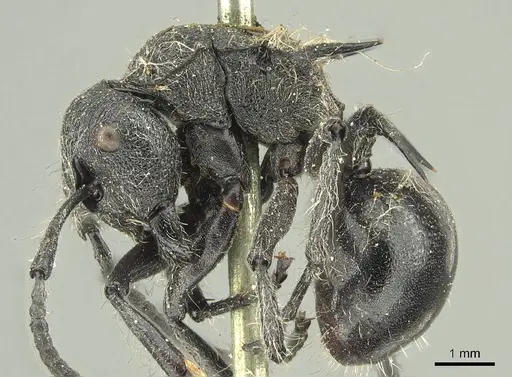
Polyrhachis punctiventris is a medium-sized ant species belonging to the subgenus Chariomyrma. Direct size measurements are not available in the research context, but based on Polyrhachis genus patterns, workers are typically around 6-9 mm in total length. This species is found across tropical regions of Southeast Asia, including India, the Philippines, and the Moluccas Islands . In their natural habitat, these ants are subterranean nesters, constructing underground chambers . Like other Polyrhachis species, they form cocoons during the pupal stage . A notable characteristic is their defense mechanism: like other Formicinae, they lack a functional sting and instead spray formic acid from an acidopore when threatened.
Quick Summary
- Difficulty: Medium
- Origin & Habitat: Tropical Southeast Asia, found in India, the Philippines, and the Moluccas Islands [1]. Natural habitat consists of subterranean nests in forest environments [2][3].
- Colony Type: Colony structure is unconfirmed in scientific literature. Based on Polyrhachis genus patterns, colonies are likely monogyne (single queen).
- Size & Growth:
- Queen: Size data unavailable, but inferred from Polyrhachis genus to be around 9-12 mm total length.
- Worker: Size data unavailable, but inferred from Polyrhachis genus to be around 6-9 mm total length.
- Colony: Up to several hundred workers, estimated based on related species.
- Growth: Moderate
- Development: Estimated 6-10 weeks at optimal tropical temperatures, inferred from genus patterns. (Development time is estimated from genus-level data as no species-specific research exists. Cocoons are produced during pupal stage [2].)
- Antkeeping:
- Temperature: Keep at 24-28°C. As a tropical species, they require warm conditions year-round, inferred from geographic range.
- Humidity: Maintain moderate to high humidity with damp substrate, inferred from subterranean nesting behavior [2][3].
- Diapause: No, tropical species do not require hibernation, inferred from geographic range.
- Nesting: Subterranean nester, need soil or soil-based substrate. Y-tong nests or naturalistic setups work well [2][3].
- Behavior: Workers are generally not aggressive but defensive if nest disturbed. Active foragers, moderate escape risk, inferred from Polyrhachis genus patterns.
- Common Issues: tropical temperature requirements mean colonies can struggle in cool rooms without heating., subterranean nesting means they need deeper nest chambers or substrate, shallow setups may cause stress., limited scientific data means care is based on genus-level inference rather than species-specific research., humidity balance is critical, too dry causes desiccation, too wet risks fungal growth., colonies grow moderately fast but first workers take several weeks, requiring patience during founding.
Nest Preferences and Housing
Polyrhachis punctiventris is a subterranean nester, meaning they naturally dig and live in underground chambers [2][3]. In captivity, this translates to needing a nest with soil or a compact, soil-like substrate. Y-tong nests work well because they provide dark, humid chambers that mimic underground conditions. A naturalistic setup with a deep substrate layer also works excellently, this allows the ants to create their own tunnels as they would in the wild. The nest should have a moisture reservoir to maintain humidity without flooding. Avoid completely dry conditions or overly sandy substrates.
Feeding and Diet
Polyrhachis ants are omnivorous, similar to most ants in this genus. In the wild, they likely forage for honeydew, small insects, and other protein sources. In captivity, offer a varied diet: sugar water or honey as an energy source, and protein sources such as small crickets or mealworms. Feed protein 2-3 times per week, adjusting based on colony size. Remove uneaten prey after 24-48 hours to prevent mold.
Temperature and Heating Requirements
As a tropical species from Southeast Asia, Polyrhachis punctiventris requires warm conditions year-round. The ideal temperature range is 24-28°C. At these temperatures, brood development proceeds normally. If temperatures drop below 22°C for extended periods, the colony may become sluggish. In cooler climates, use a heating cable or mat on one side of the nest to create a gentle gradient.
Humidity and Moisture Management
Subterranean ants like P. punctiventris require moderate to high humidity levels. The key is maintaining consistently damp substrate without standing water. In a Y-tong nest, a water reservoir connected via cotton or sponge will gradually release moisture. Check the nest regularly, if the substrate appears dry, add more water. The goal is damp soil that holds together when pressed but does not drip. [2][3]
Behavior and Colony Dynamics
Polyrhachis punctiventris workers are active and alert, typical of the genus. They are not highly aggressive but will defend their nest if threatened. Workers forage on the ground and climb surfaces, so escape prevention is important. During founding, queens may be semi-claustral, meaning they might leave the nest to forage, but this is unconfirmed for this species. Colony growth is moderate, expect several weeks before first workers appear.
Frequently Asked Questions
How long does it take for Polyrhachis punctiventris to produce first workers?
Based on typical Polyrhachis development, expect 6-10 weeks from egg to first worker at optimal temperatures (24-28°C). This is an estimate since species-specific development data does not exist.
What temperature do Polyrhachis punctiventris ants need?
Keep them at 24-28°C. This tropical species requires warm conditions year-round. A heating cable on one side of the nest can help maintain these temperatures.
Can I keep Polyrhachis punctiventris in a test tube?
Test tubes are not ideal for this species. As subterranean nesters, they need deeper substrate or compact chambers. A Y-tong nest or naturalistic setup with soil works best.
Do Polyrhachis punctiventris ants need hibernation?
No. As a tropical species from Southeast Asia, they do not require hibernation. Maintain warm temperatures year-round.
How big do Polyrhachis punctiventris colonies get?
Colony size is not well documented, but based on related species, colonies can reach up to several hundred workers. Growth is moderate.
What do Polyrhachis punctiventris eat?
They are omnivorous. Offer sugar water or honey continuously, and protein sources like small insects 2-3 times per week.
Are Polyrhachis punctiventris good for beginners?
This species is rated as medium difficulty. The need for warm, humid conditions and subterranean housing may require more attention than beginner-friendly species.
When should I move my Polyrhachis punctiventris colony to a formicarium?
Wait until the colony has a decent number of workers and the founding setup is becoming cramped. For subterranean species, a naturalistic setup with deep substrate or a Y-tong nest works well.
Why is my Polyrhachis punctiventris colony not growing?
Check temperature (should be 24-28°C), humidity (damp substrate), and food availability. Poor conditions or insufficient protein can slow growth. Also ensure the queen is still laying eggs.
Report an Issue
The current care sheet is based fully on literature. See inconsistencies, or something that's incorrect? Please , it will be resolved after review from an admin. Contributing to the blogs tab also helps providing information, to make us be able to further improve the caresheets. Thank you for your support!
References

This caresheet is licensed under CC BY-SA 4.0 .
Community Blogs
CASENT0906746
View on AntWeb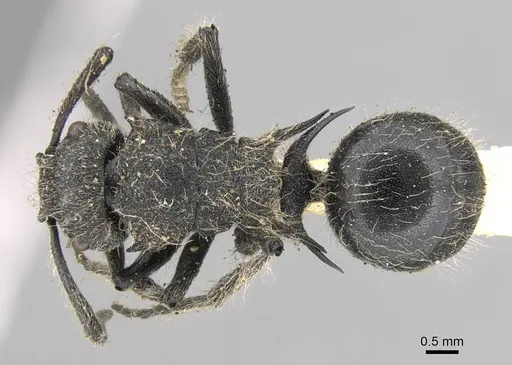
CASENT0915619
View on AntWeb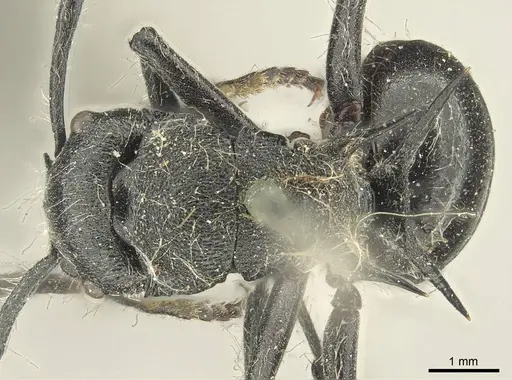
Literature
Loading distribution map...Loading products...